Hepper is reader-supported. When you buy via links on our site, we may earn an affiliate commission at no cost to you. Learn more.
How Fast Can a Turtle Run? Types & Factors (With Comparison Chart)
Are you curious about the speed of turtles? If you've ever wondered how fast these seemingly slow creatures can actually move, then you've come to the right place. Contrary to popular belief, turtles are not limited to a snail's pace – like the old cartoons of turtles would have you believe. In fact, some species can actually surprise you with their impressive speed and agility. Each species has a different average speed, with most falling between 0.25-6 miles per hour . So, let's dive into the world of these fascinating reptiles and discover just how fast a turtle can really run.

Different Types of Turtles and Their Speeds
Turtles come in a wide variety of species, each with their own unique characteristics and capabilities. While some turtles are known for their slow movements, others can be surprisingly quick. The speed of a turtle largely depends on its species and size.
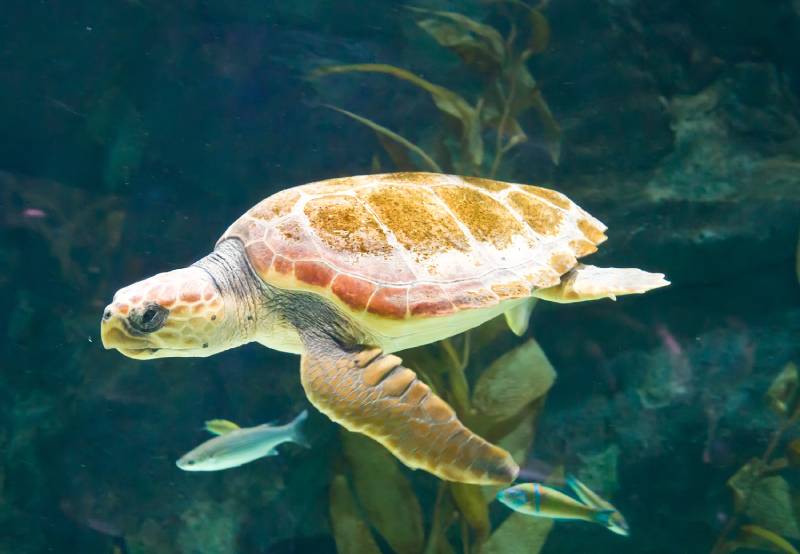
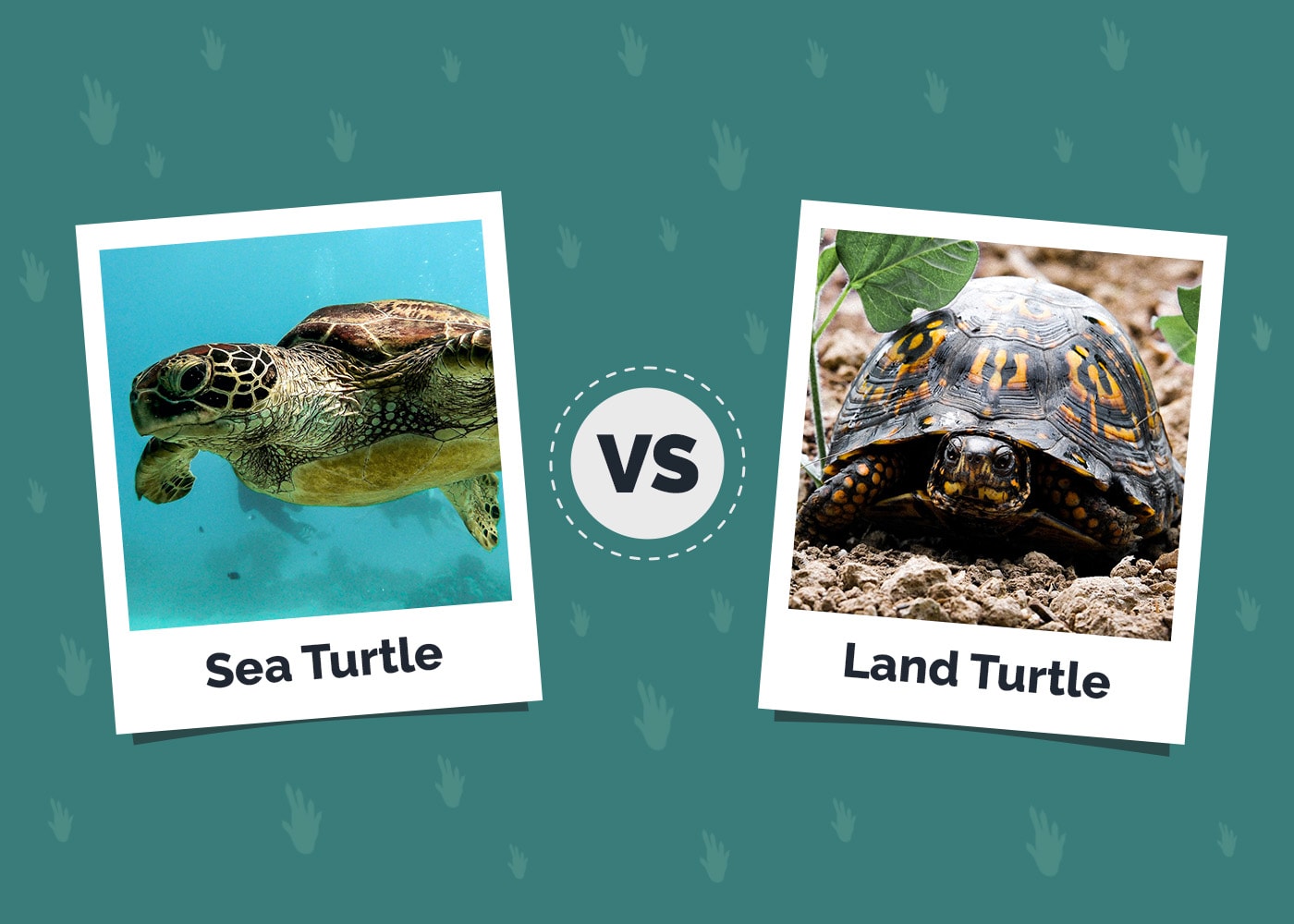
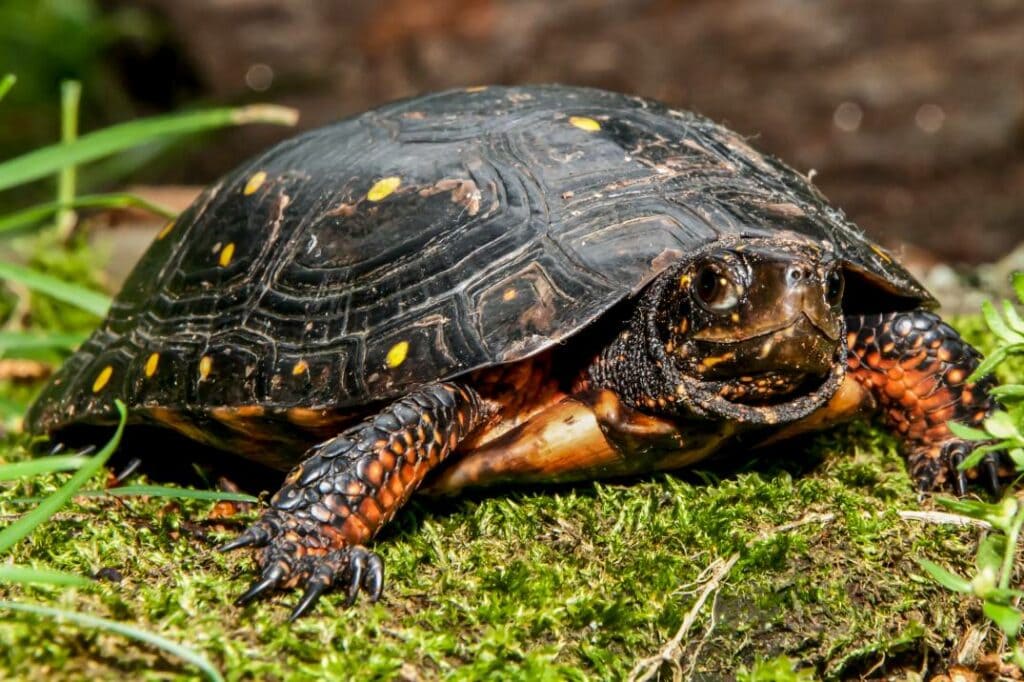
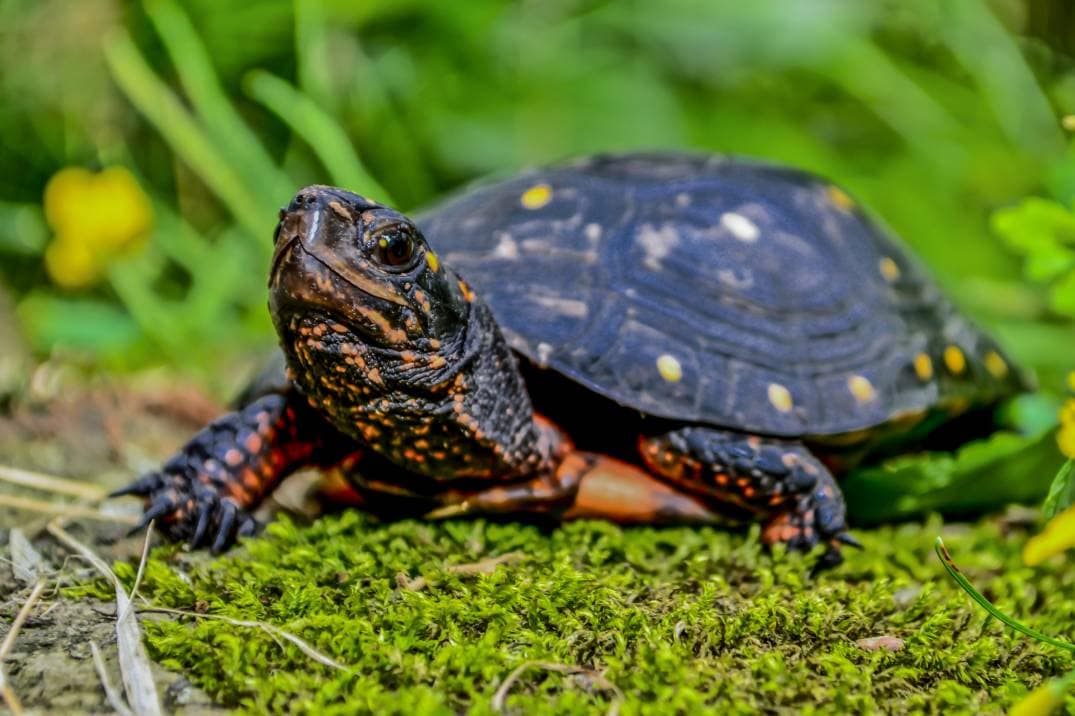
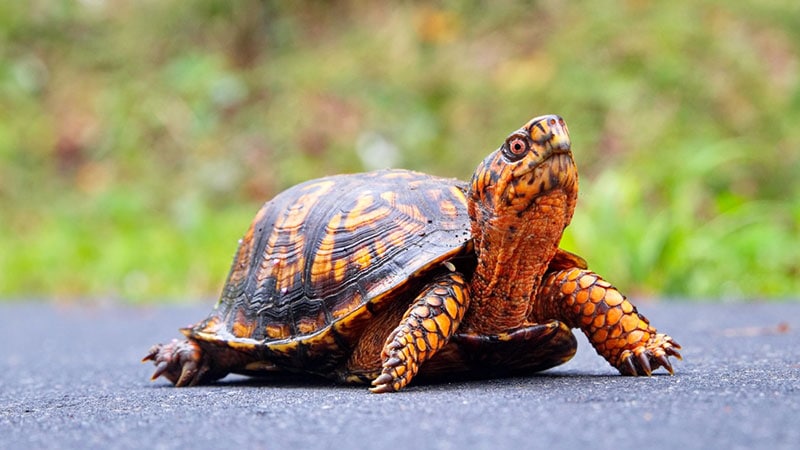
So, for example, the Eastern Box Turtle, a common turtle found in North America, can reach a top speed of around 0.25 miles per hour (0.4 kilometers per hour). On the other hand, the Leatherback Sea Turtle, the largest turtle species, is known for its ability to swim at speeds of up to 22 miles per hour (35 kilometers per hour). It's truly remarkable how these creatures can vary in their locomotion.
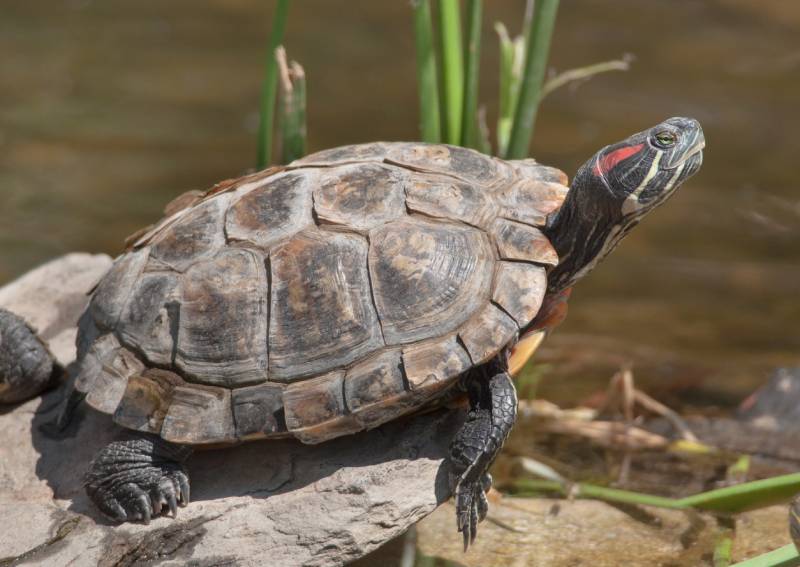
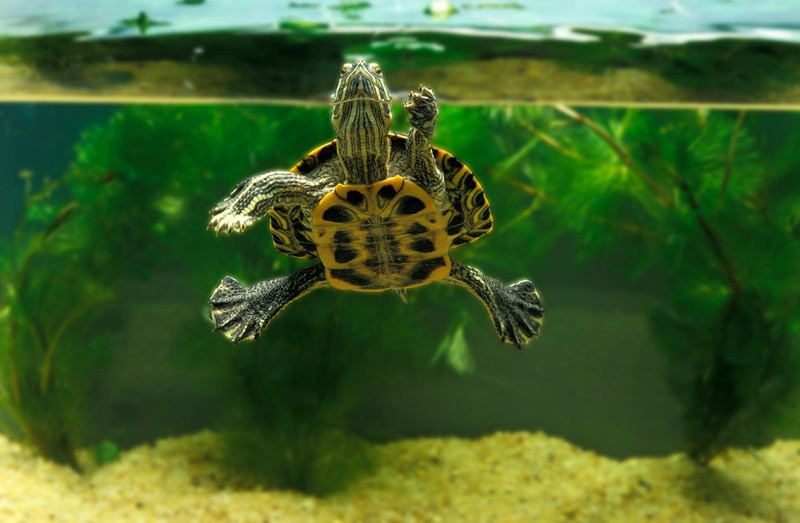
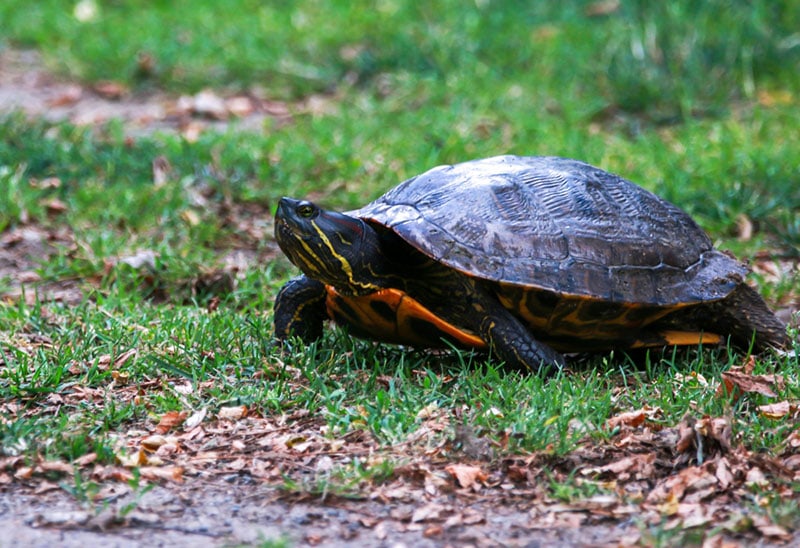
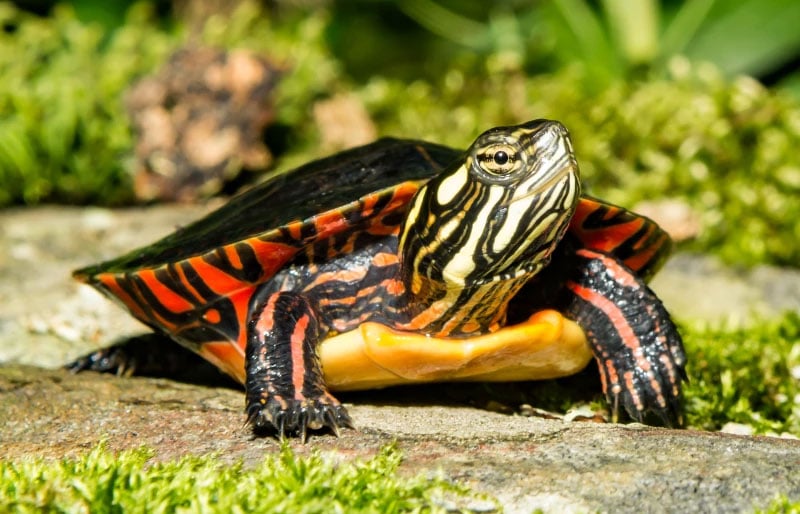
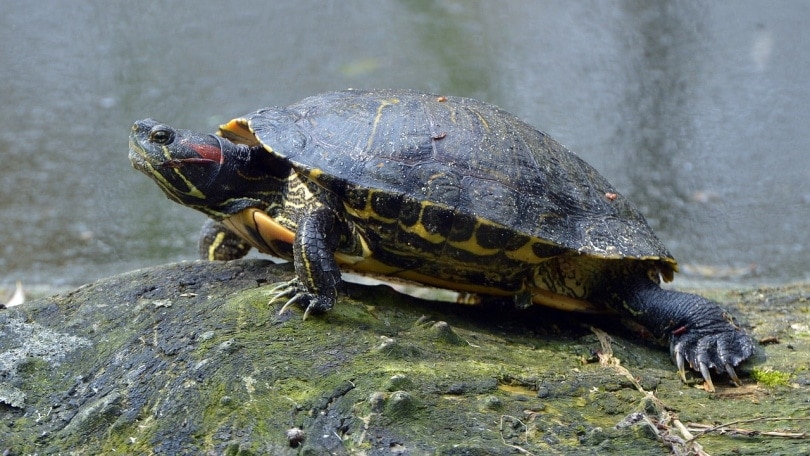
Turtles have evolved, like all other animals on Earth, to adapt to different environments, and their speeds reflect their specific habitats. Aquatic turtles, such as the Red-Eared Slider, are built for swimming and can move swiftly through water. On land, turtles like the Wood Turtle and the Painted Turtle can move at a relatively faster pace compared to their aquatic counterparts. The variation in speeds among turtle species highlights their remarkable ability to adapt and thrive in diverse ecosystems.
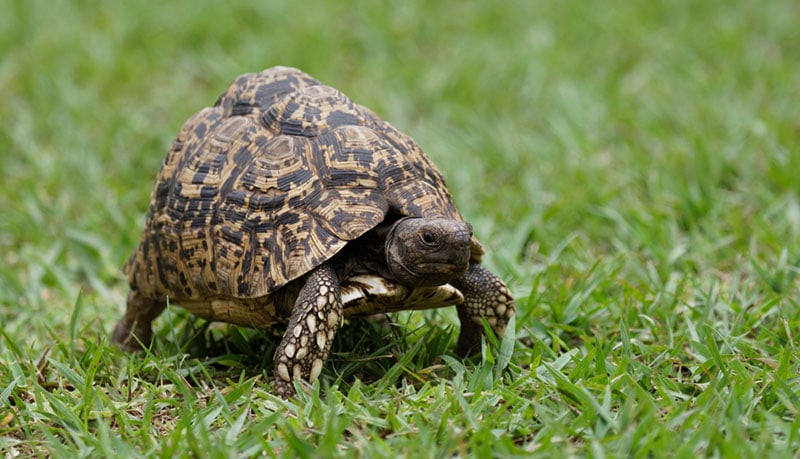
Interestingly, some turtles aren't only fast on land or in water but can also climb trees. The Red-Footed Tortoise, for example, is known for its agility and can climb trees with impressive speed. These unique abilities further demonstrate the versatility and adaptability of these reptiles.
Factors Affecting Turtle Speed
Several factors influence a turtle's speed, including size, species, age, and overall health. Let's take a closer look at these factors.
Size
Larger turtles tend to be slower due to their size and weight, while smaller turtles can move relatively faster. The species of the turtle also plays a role in determining its speed. Some species have evolved to be faster for hunting or evading predators, while others have adapted to a slower pace for better camouflage and protection.
Age/Health
Age and health also impact a turtle's speed. Younger turtles are generally faster and more agile compared to older individuals. As turtles age, their movements may become slower and more deliberate. Additionally, a turtle's overall health and physical condition can affect speed. A healthy turtle with a well-maintained shell and strong limbs will be able to move more efficiently than a turtle with injuries or health problems.
Environment
Environmental factors also come into play when considering turtle speed. Temperature, humidity, and terrain can all affect how fast a turtle can move. For example, turtles are ectothermic, meaning they rely on external sources of heat to regulate their body temperature. If the temperature is too cold or too hot, turtles may move slower to conserve energy or avoid overheating. Similarly, a turtle moving on rough or uneven terrain may be slower due to the extra effort required to navigate such conditions.
The Fastest Turtle Species
While turtles are not known for their speed compared to other animals, some species can still reach fairly impressive velocities. The Leatherback Sea Turtle, as mentioned before, is one of the fastest turtle species. With its sleek body and powerful flippers, it can swim at speeds of up to 22 miles per hour (35 kilometers per hour). This incredible speed allows the Leatherback Sea Turtle to cover vast distances during its migratory journeys.
Another fast turtle species is the Green Sea Turtle. Although not as swift as the Leatherback, the Green Sea Turtle can still reach speeds of up to 20 miles per hour (32 kilometers per hour). These turtles are known for their graceful swimming abilities and are often observed gliding effortlessly through the water.
In addition to sea turtles, some land turtles can also move at impressive speeds. The African Sideneck Turtle, for example, can run at speeds of up to 6 miles per hour (10 kilometers per hour) on land. This turtle species has long legs and a streamlined body, enabling it to move quickly and efficiently.
Though these turtle species may not match the speeds of cheetahs or other fast land animals, they're still remarkable, considering their unique anatomy and species.
| Species | Speed |
| Humans | Up to 10–12 miles/hour |
| Leatherback Sea Turtle | Up to 22 miles/hour |
| African Sideneck Turtle | Up to 6 miles/hour |
| Golden Retriever | 35 miles/hour |
| Cheetah | 50 to 70 miles/hour |
Ways Turtles Use Their Speed in the Wild
Turtles use their speed for various purposes in the wild, depending on their species and habitat. For aquatic turtles, speed is crucial for hunting, evading predators, and finding mates. A fast-swimming turtle can quickly catch prey, such as fish or insects, and avoid becoming a meal for larger predators. Speed also plays a role in courtship activities, as male turtles often chase after females to establish mating opportunities.
On land, turtles utilize their speed for similar purposes. Land turtles may need to quickly retreat into their shells to avoid predators, and being able to move swiftly can increase their chances of survival. Speed is also important for finding food and exploring new territories.
In addition to these practical uses, a turtle’s speed can also be a form of defense. Some turtles can retreat into their shells and use their speed to escape from potential threats. By quickly disappearing into their protective armor, turtles can outmaneuver predators and find a safe spot to wait until the danger has passed.
The Importance of Speed for Turtle Survival
Speed is crucial for turtle survival in various ways. It allows turtles to efficiently hunt for food, avoid predators, and find mates. Without the ability to move quickly, turtles would struggle to meet their basic needs and would be more vulnerable to predation.
Catching Prey
For aquatic turtles (because they're typically omnivores), speed is particularly important for catching prey. Fish, insects, and other aquatic organisms can be elusive, requiring turtles to be swift and agile. Without the ability to move at a reasonable speed, aquatic turtles would find it challenging to secure enough food to sustain themselves.
Predator Escape
Speed is also vital for evading predators. Turtles have numerous natural enemies, including birds, mammals, and larger reptiles. By being able to move quickly, turtles can increase their chances of escaping from potential threats. This ability to outpace predators can be a matter of life or death for these reptiles.
Reproduction
Furthermore, speed plays a role in the reproductive success of turtles. Male turtles often engage in elaborate courtship rituals to attract females. Speed can be a determining factor in these types of rituals, as males need to chase after females to establish mating opportunities. Without the ability to move swiftly, male turtles may struggle to compete for mates and reproduce successfully.
Final Thoughts
Turtles may not be known for their speed, but some species are far from slow – though many are actually still pretty slow. With a wide range of species and habitats, turtles have evolved impressive running skills that allow them to thrive in diverse environments. From the fast-swimming Leatherback Sea Turtle to the agile climbing abilities of the Red-Footed Tortoise, turtles showcase a remarkable range of speeds and adaptations.
Sources
Featured Image Credit: WoodysPhotos, Shutterstock
Get Hepper In Your Inbox


Pet care tips from our vets and experts, straight to your inbox.
You may opt-out at any time. View our Privacy Policy for more information.

Nicole is a lover of animals of all sizes but is especially fascinated with the feline variety. She’s the proud mom of Baby, a Burmese, and works every day so he can relax in the sunshine or by the fire. She’s always had a cat in her home and has spent countless days with others, observing behaviors and softening up even the grouchiest of the lot. Nicole wants to share her kitty expertise with you so you and your cat can live happy, healthy, and care-free.
Join the conversation
Ask a question, share your story, or send private feedback.