Hepper is reader-supported. When you buy via links on our site, we may earn an affiliate commission at no cost to you. Learn more.
Sea Turtle vs Land Turtle: The Main Differences (With Pictures)
In this article
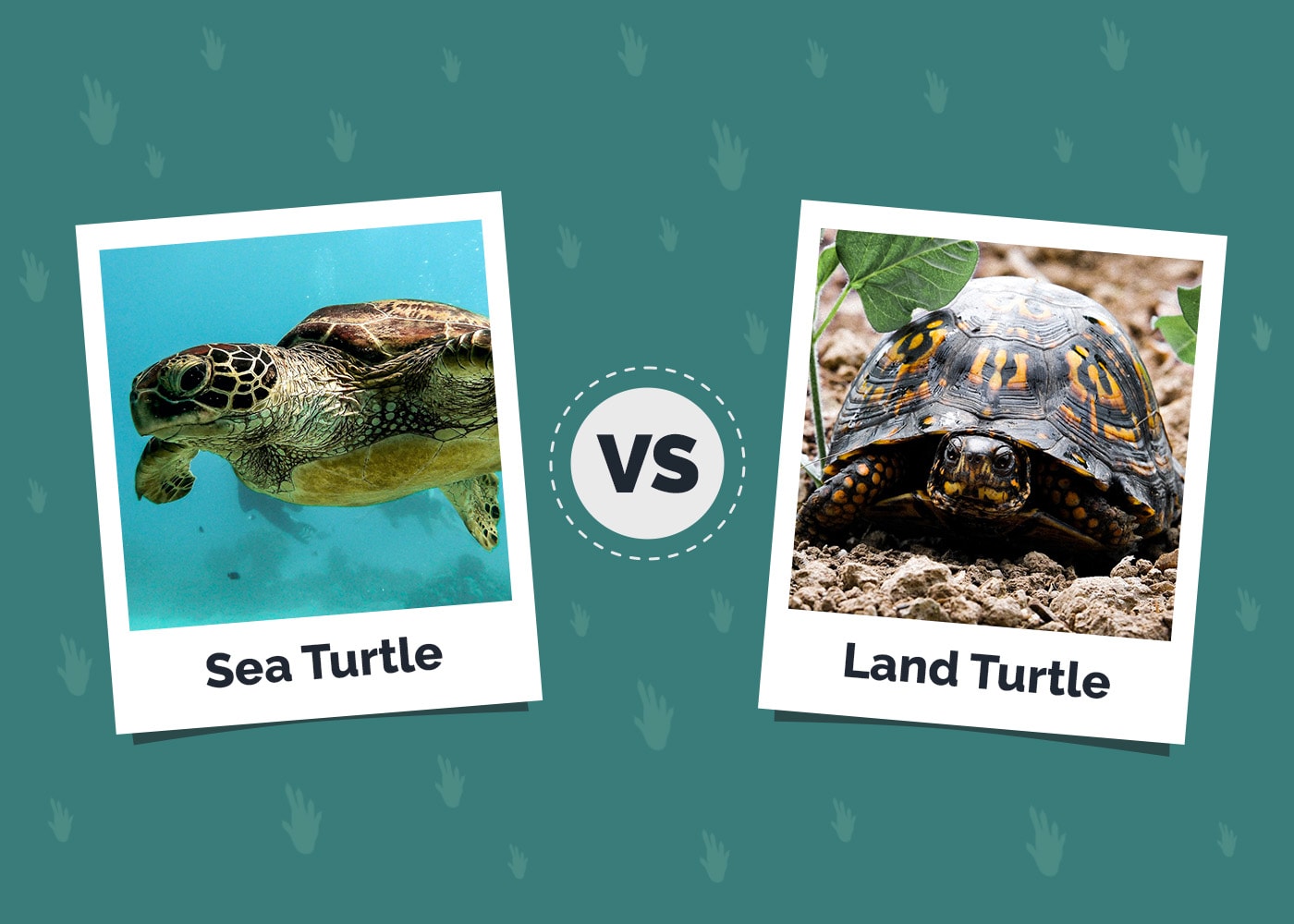
Sea turtles and land turtles all belong to the scientific classification order called Testudines. From there, sea turtles are classified into the family name Cheloniidae and land or leaf turtles Geoemydidae. Each species then has their own name, such as Chelonia mydas (the Green Sea Turtle) and Cuora amboinensis (Amboina Box Turtle). Scientific classification is used to break down each species based on their differences.
These long names may not mean much to you, but thankfully, many of the differences between sea turtles and land turtles are easy to see. Below, we have an overview of each, including their appearance, habitats, and diet. Then, we compare them so you can see just how different (and similar) these species really are.

Visual Differences
At a Glance
Sea Turtle Overview
Characteristics & Appearance
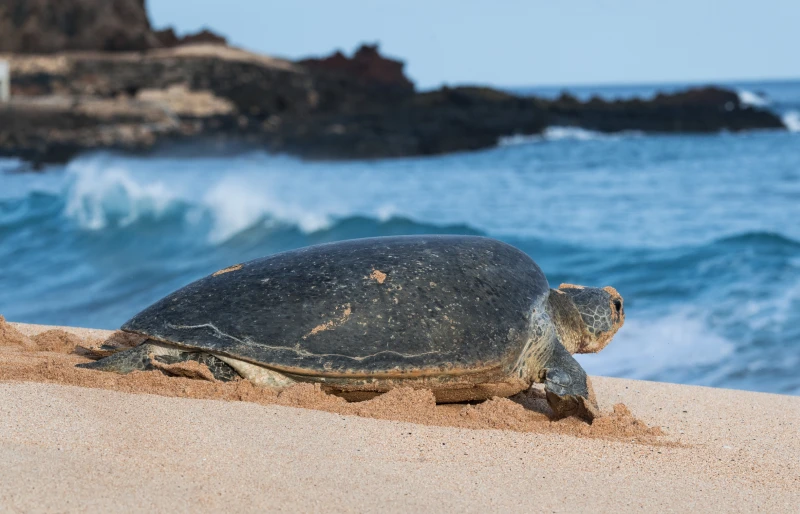
Adult sea turtles grow quite large, with massive shells that protect them from predators. Only one species has a leathery outer shell, while the rest have a hard shell, like land turtles. They cannot retract into their shells. They have large flippers used for swimming and can effectively swim great distances. The two front flippers are usually much longer than the back ones and can be used not only to swim but also to forage and hold their food.
Habitat
Sea turtles can be found in every ocean around the world except for those in polar regions (the Arctic or Antarctica). You are most likely to find them near continental shelves, or the shallows surrounding a land mass, as well as around coral reefs where both vegetation and live prey are abundant for any sea turtle, depending on their preferred diet. Sea turtle habitats are increasingly targeted by the fishing industry, tourists, and other threats that are affecting their conservation status.
Diet
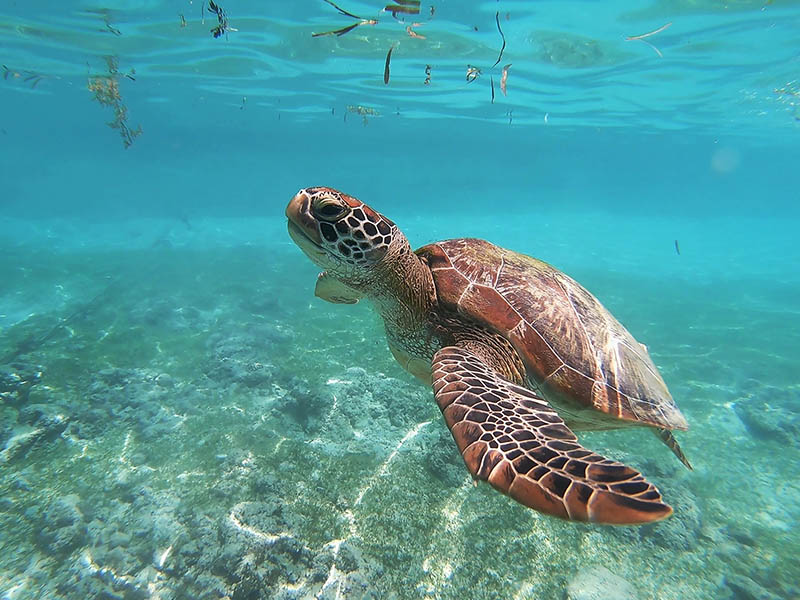
The diet of a sea turtle will vary based on its species. For example, several species are omnivorous, like land turtles. They will eat everything from grass and seaweed to fish and worms. Green Sea Turtles, on the other hand, are herbivores and will stick to eating vegetation. Leatherback Turtles prey on jellyfish while Hawksbill Turtles mostly eat sea sponges. The ecology of the ocean is quite varied and so is the diet of these various sea turtle species.
Land Turtle Overview
Characteristics & Appearance
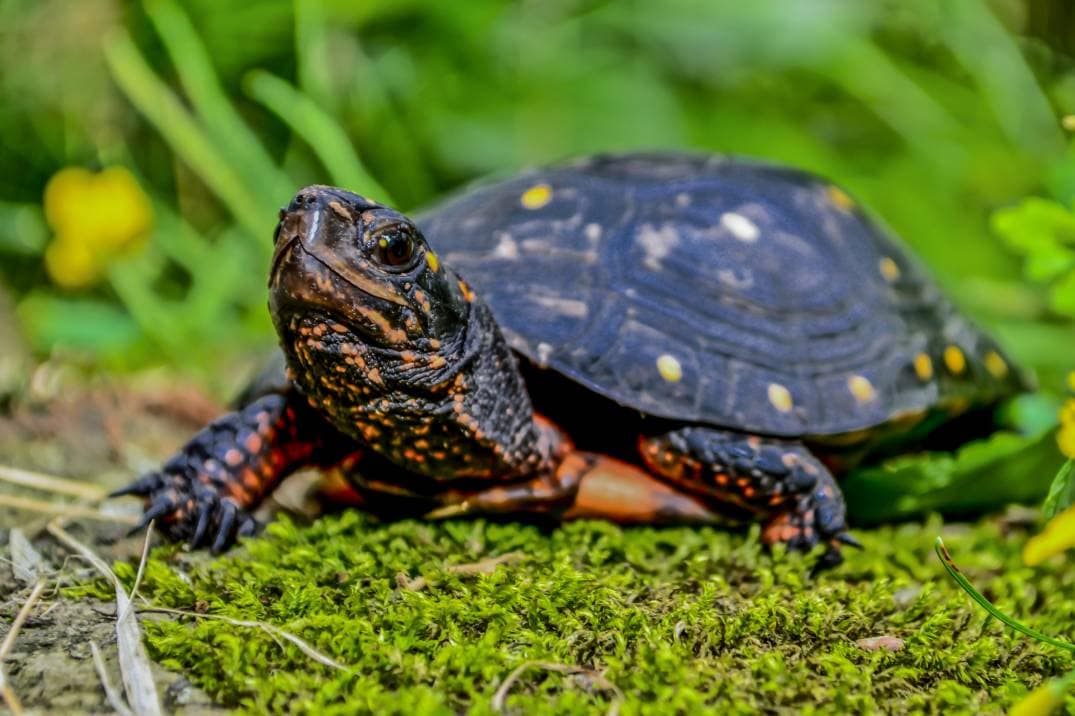
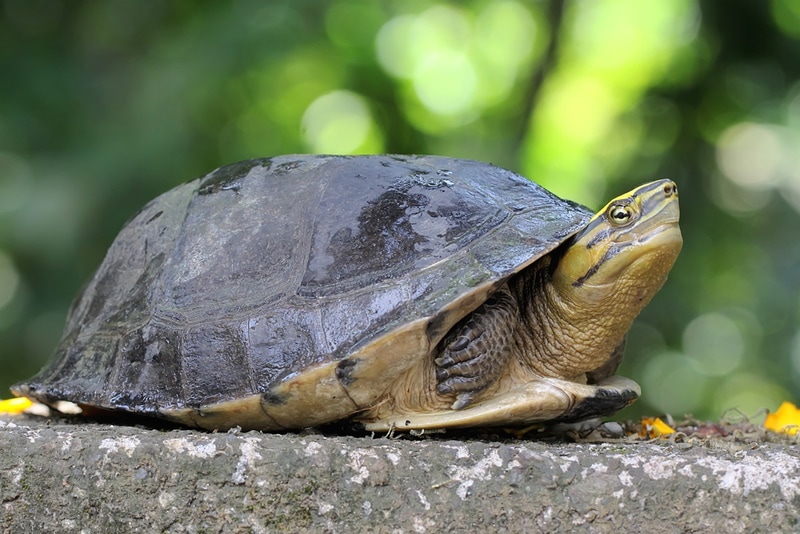
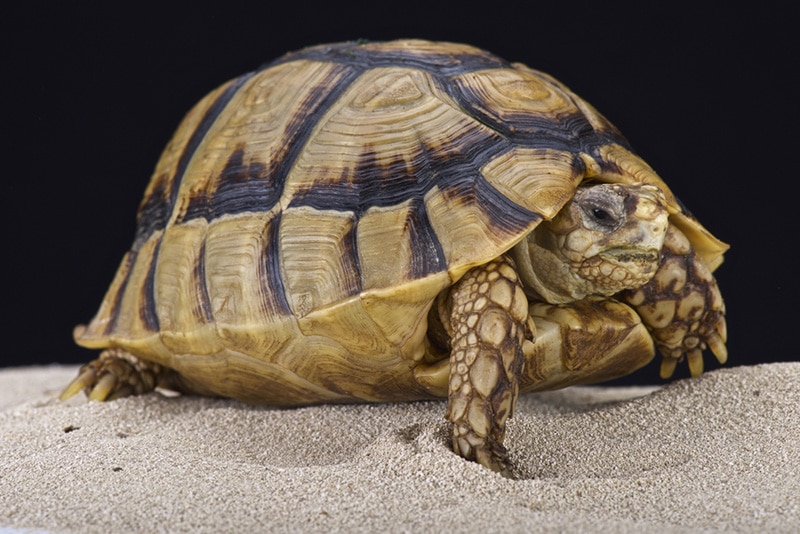
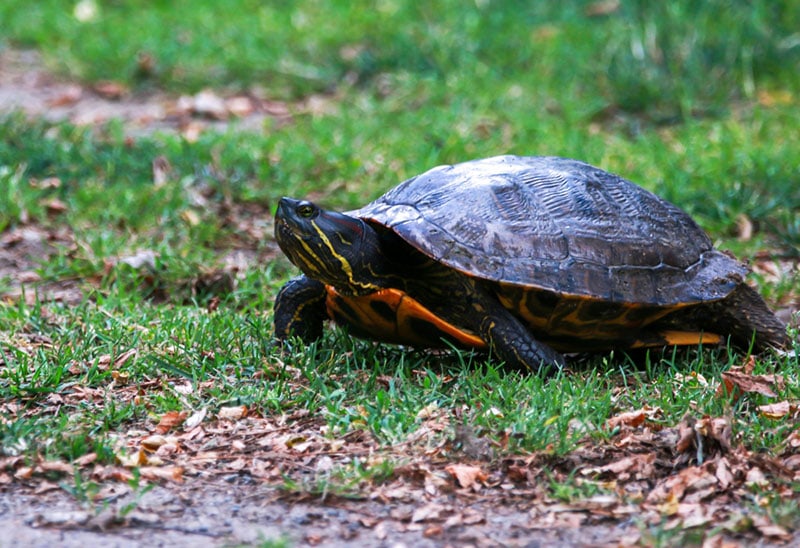
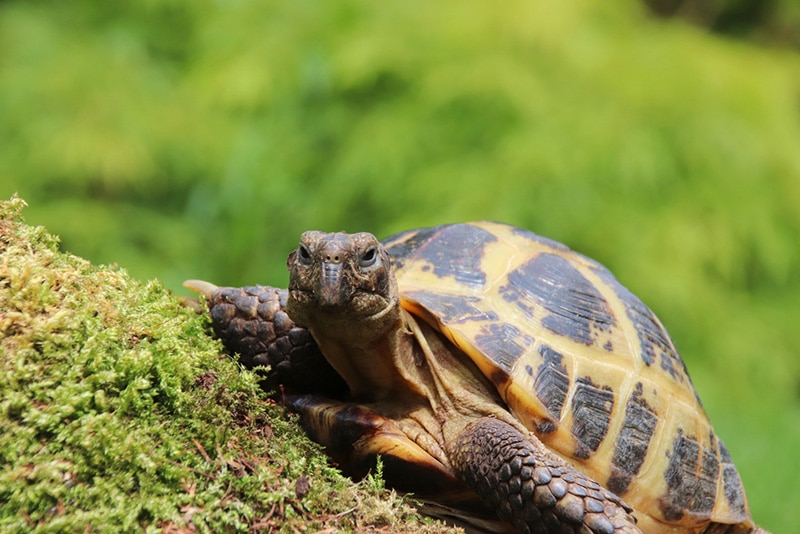
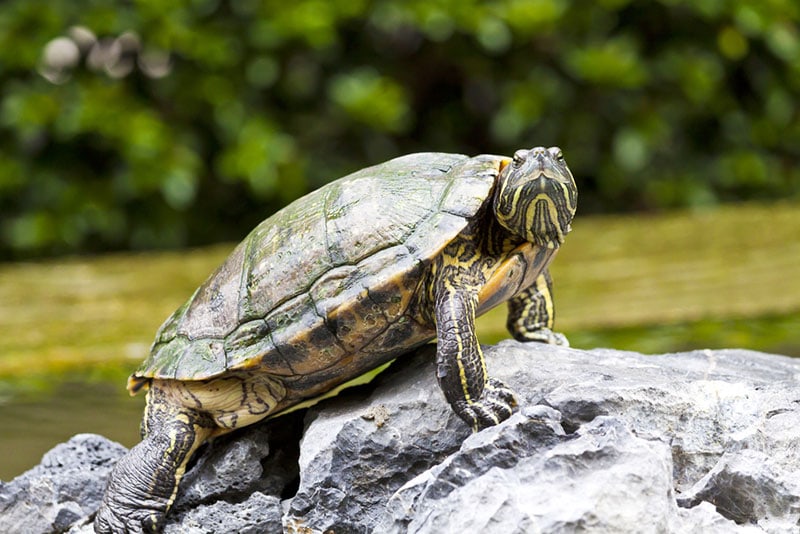
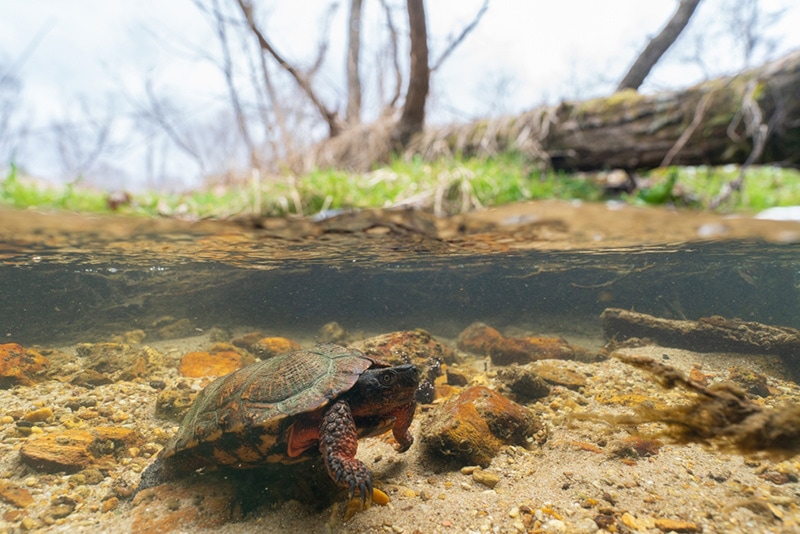
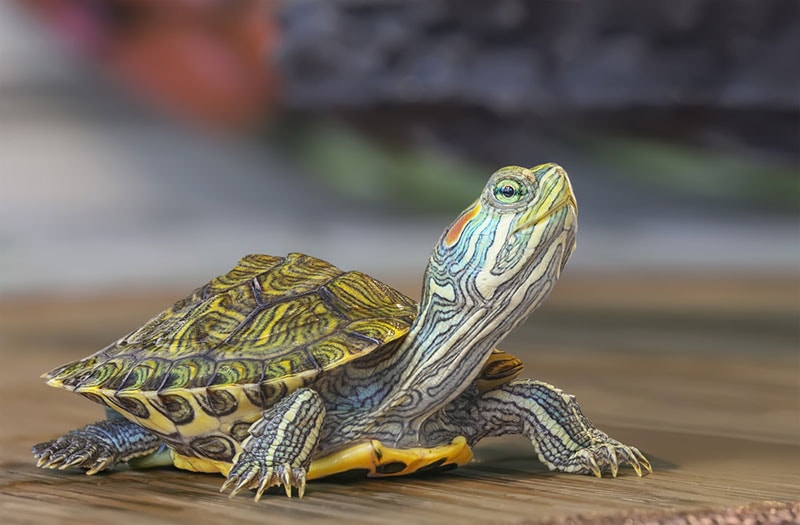
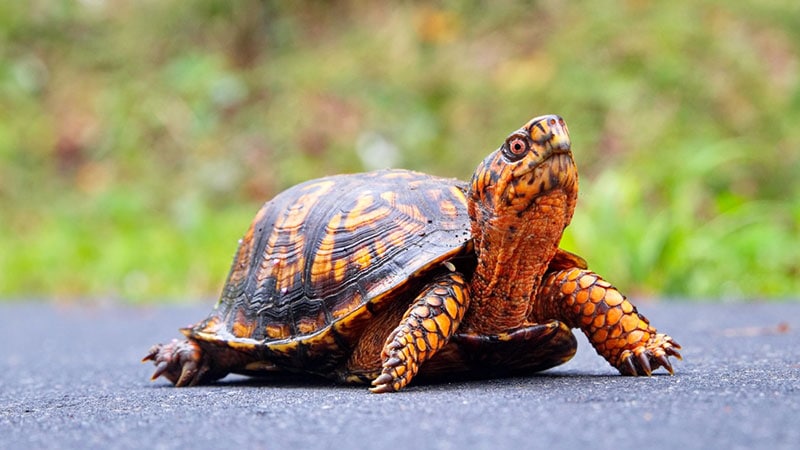
There are many types of turtles living on land, but the most common is the Box Turtle. Even among Box Turtles, there are many species that vary in size, appearance, and average lifespan. However, there are several physical characteristics that all land turtles share. These include legs that are designed for walking, a hard outer shell, and a neck that allows the turtle to retract their head into the shell for protection from predators.
Habitat
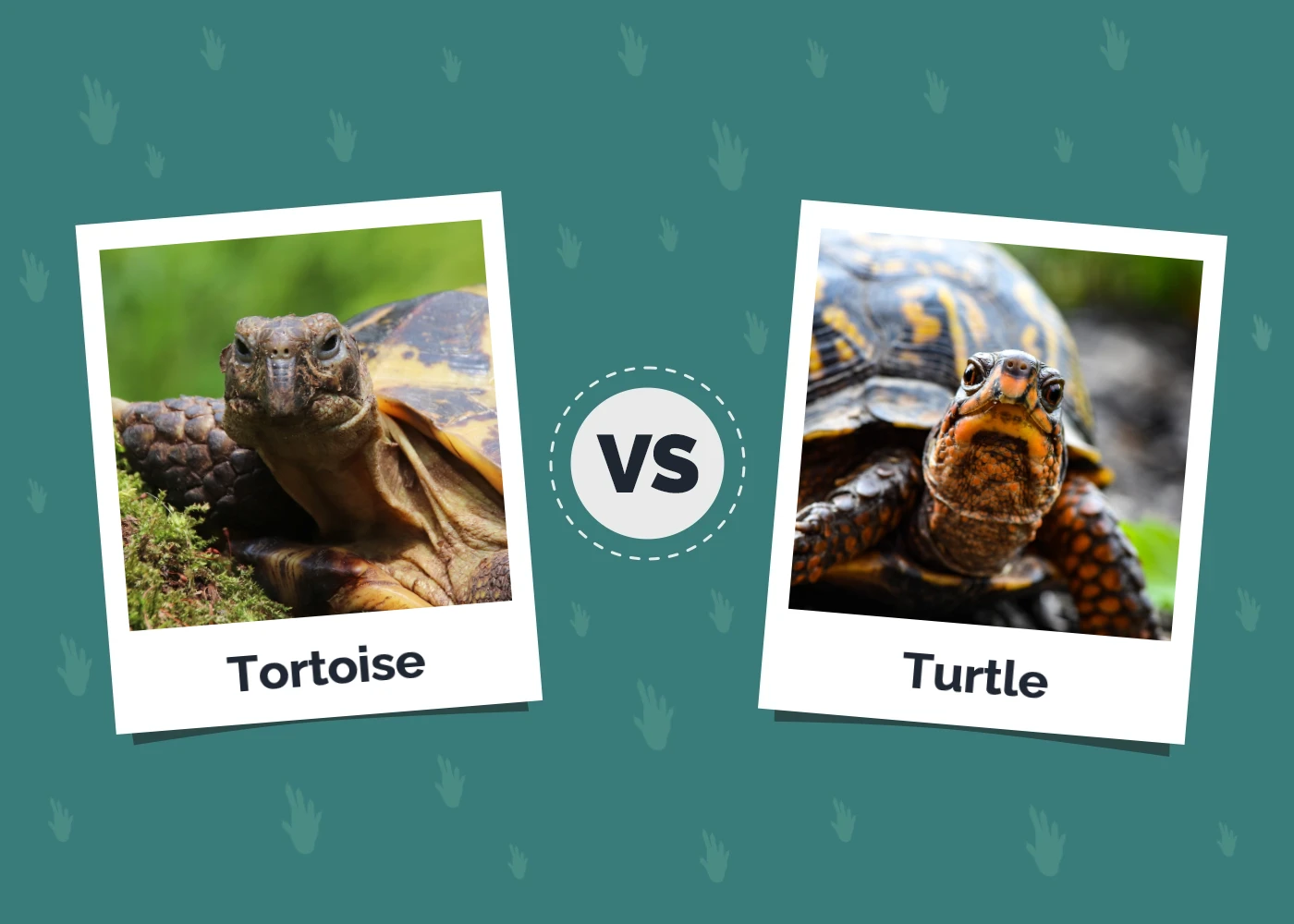
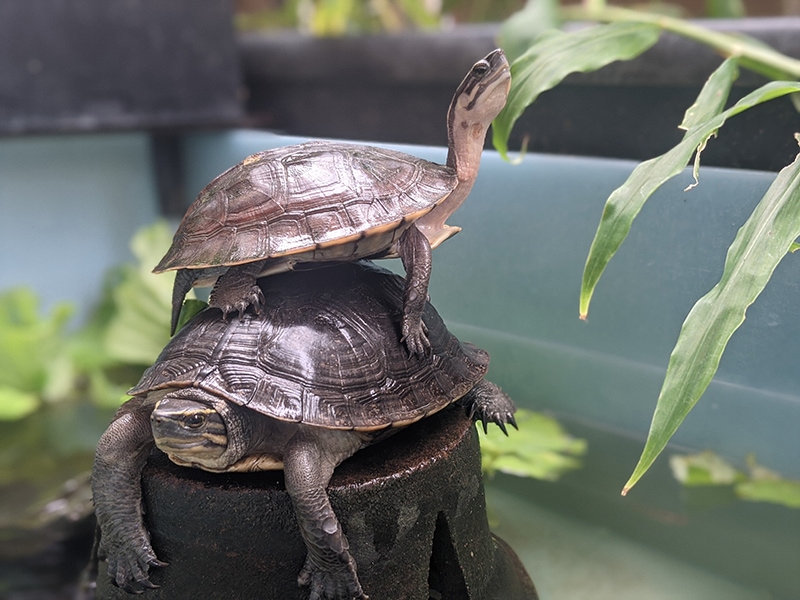
Just as their appearance can vary, so can the habitats in which land turtles live. There are turtles that live in desert regions, but many are found in woodlands, marshes, and tropical locations. Almost all turtles are located in the United States, Mexico, and Asia, although there are a few that can be found elsewhere. It’s important to note the difference between land turtles and tortoises. Tortoises can be found in much more remote locations.
Diet
All land turtles are omnivorous, meaning they will eat both vegetation and live prey, like insects. A turtle’s exact diet will vary based on its location, as the food available to it will be different. However, most prefer a wide range of food sources to keep things interesting. They can even eat fruit and worms depending on their preference for them and their availability.
What Are the Differences Between Sea Turtles and Land Turtles?
Characteristics
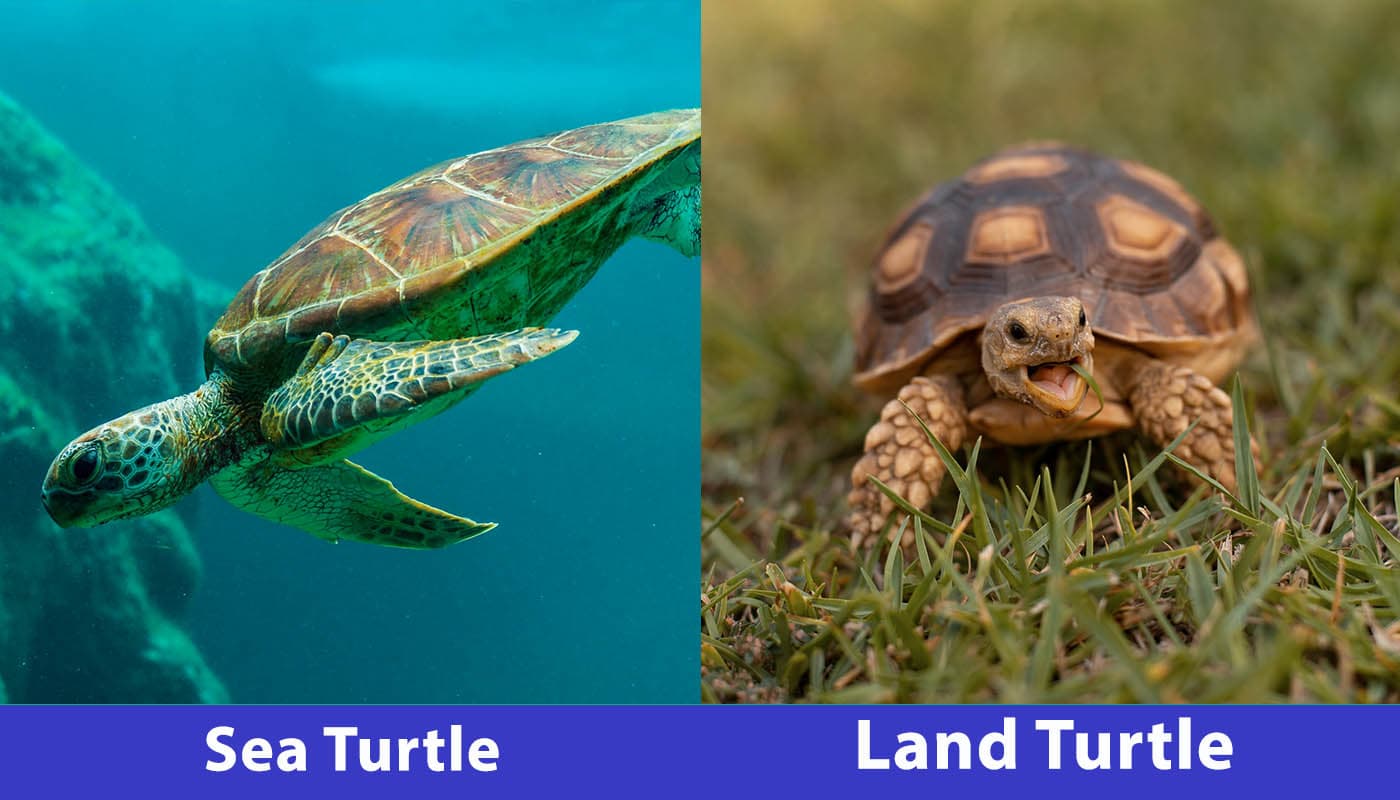
The biggest differences between sea turtles and land turtles are in their physical appearance. Where sea turtles have flippers, land turtles have legs with feet and claws. Land turtles may venture into the water at times but find it very difficult to swim in most cases. Land turtles have hard shells that they can retract into, and then close, protecting them from predators. While sea turtles cannot retract into their shells for protection, their massive shell size deters predators from attacking.
Distribution
Land turtles are native to the United States and Mexico. However, the Asian Box Turtle can be found throughout much of Asia, including China, Indonesia, the Philippines, and northern India. While land turtles are only found in a few, but large regions, sea turtles are found in every ocean around the world except for polar ones. Their habitats are much more spread out, but they tend to stick to continental shelves and coral reefs near land masses.
Conservation Status
Most species of Box Turtle are listed as “declining” populations around the world, mostly due to habitat destruction. This is especially true of the Eastern Box Turtle who, at one time, had an average lifespan of 100 years, but now has been affected by pollution and tourism. This has been reduced by as much as half in some regions. Sea turtles are in much more danger, with some species listed as critically endangered, like the Kemp’s Ridley Sea Turtle. Conservation efforts are underway to help protect their habitats and bolster the number of sea turtles in the wild.

Final Thoughts
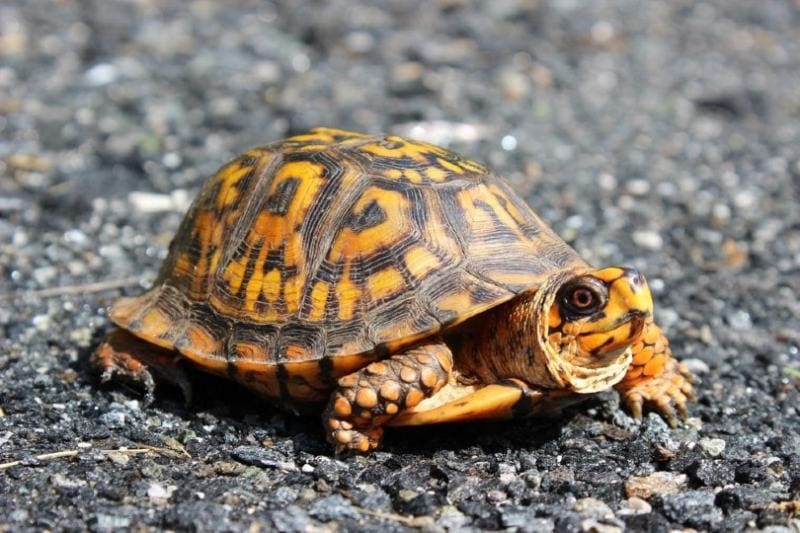
If you are considering a turtle as a pet, take a look at box turtles. These land turtles are unique pets that require a proper setup, including a vivarium with lighting, a heat source, freshwater, and substrate. However, once established, you will have a happy pet that can live 20 years or more. In the case of Eastern Box Turtles, they can live 50+ years as pets with the right care.
You may not be able to adopt a sea turtle, but admiring their beauty, appreciating their unique characteristics, and helping to protect their habitats from afar is much, much better for them.
Sources
https://www.sciencemill.org/blog/2020/3/11/tortoise-turtle-or-sea-turtle-what-is-the-difference
https://www.discoverwildlife.com/animal-facts/reptiles/turtle-vs-tortoise/
https://www.britannica.com/story/whats-the-difference-between-a-turtle-and-a-tortoise
https://seaworld.org/animals/all-about/sea-turtles/characteristics/
https://sdzwildlifeexplorers.org/animals/turtles-and-tortoises
Featured Image Credit: (L) Giorgia Doglioni, Unsplash | (R) Trevor Michael, Unsplash
Get Hepper In Your Inbox


Pet care tips from our vets and experts, straight to your inbox.
You may opt-out at any time. View our Privacy Policy for more information.

Krysha is a proud mom to Shelly, a tortoiseshell “Tortie” rescue kitty that loves to talk back, especially if I’m late with breakfast. Shelly’s big personality, despite her small stature, has been a driving force behind my ambition to spread awareness about local shelters and the small things residents, support groups, and non-profits can do to support them. Growing up, Krysha experienced the care of many pets, from cats and dogs to turtles and small lizards to hamsters and tropical fish.
Krysha is a freelance content writer specializing in pets, travel, and wellness. Her writing career began in 2009 while still studying English and Creative Writing at the University of Nevada, Las Vegas. Now, her creative writing skills combine with technical SEO experience to provide high-quality blog and web content for eCommerce and service-based websites.
Join the conversation
Ask a question, share your story, or send private feedback.