Hepper is reader-supported. When you buy via links on our site, we may earn an affiliate commission at no cost to you. Learn more.
How Fast Do Bearded Dragons Grow? Size & Growth Chart
In this article
In the fascinating world of reptile pets, bearded dragons have steadily gained popularity due to their docile nature, captivating appearance, and distinctive personalities.
As potential or current owners, one may wonder about the growth patterns of these unique creatures: how fast do they grow, and how big do they get? Understanding these factors is essential for providing optimal care and environment for your bearded dragon.

Bearded Dragon Overview
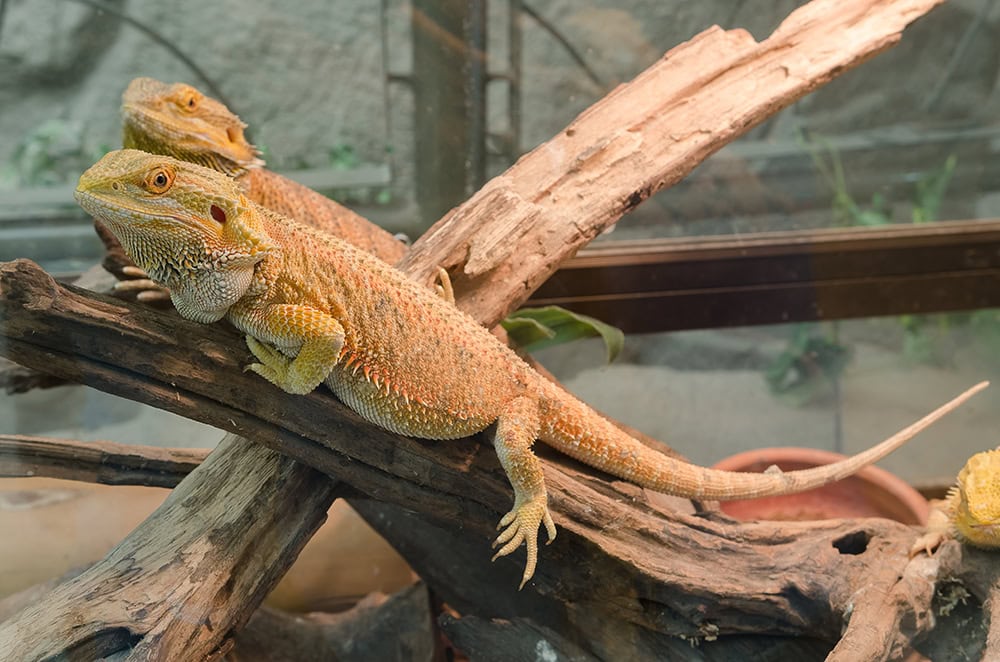
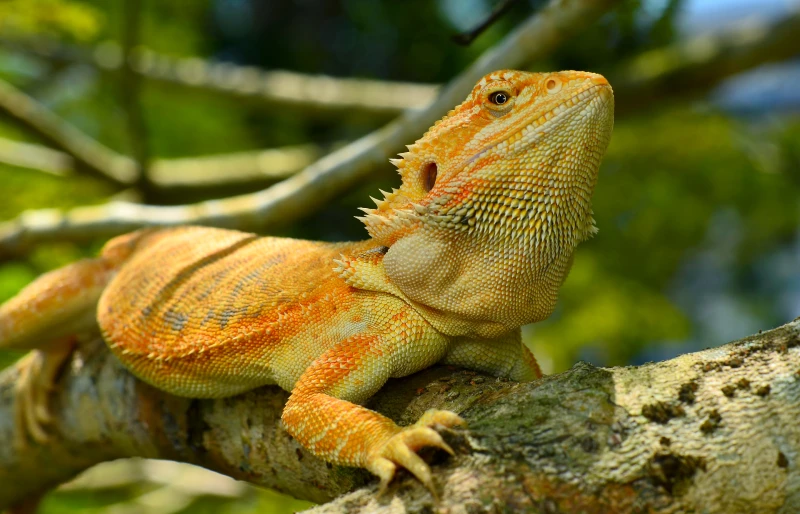
Bearded dragons, or “beardies,” originate from the arid regions of Australia. Known for their triangular heads and spiny ‘beard’ from which their name derives, these creatures are among the most loved reptiles globally.
Their life expectancy ranges from 10 to 15 years in captivity, given they receive proper care. Bearded dragons come in several types, including the Standard, Leatherback, Silkback, and various color morphs, each varying slightly in size and appearance. However, the most critical aspects of their growth remain quite consistent across the different types.
Bearded Dragon Size and Growth Chart
In the chart below, we will focus primarily on standard bearded dragons, the most common type found in pet homes. Keep in mind that the size and growth can vary slightly based on different factors, including diet, genetics, and overall health.
| Age | Weight Range | Length Range |
| Newborn (0 – 1 month) | 0.07 – 0.14 ounces | 3 – 4 inches |
| 2 months | 0.7 – 1.4 ounces | 5 – 8 inches |
| 4 months | 2.8 – 3.5 ounces | 8 – 12 inches |
| 6 months | 7 – 8.8 ounces | 12 – 16 inches |
| 8 months | 8.8 – 10.5 ounces | 16 – 20 inches |
| 12 months | 11.3 – 13 ounces | 18 – 22 inches |
| 14 months | 13 – 16 ounces | 20 – 24 inches |
When Does a Bearded Dragon Stop Growing?
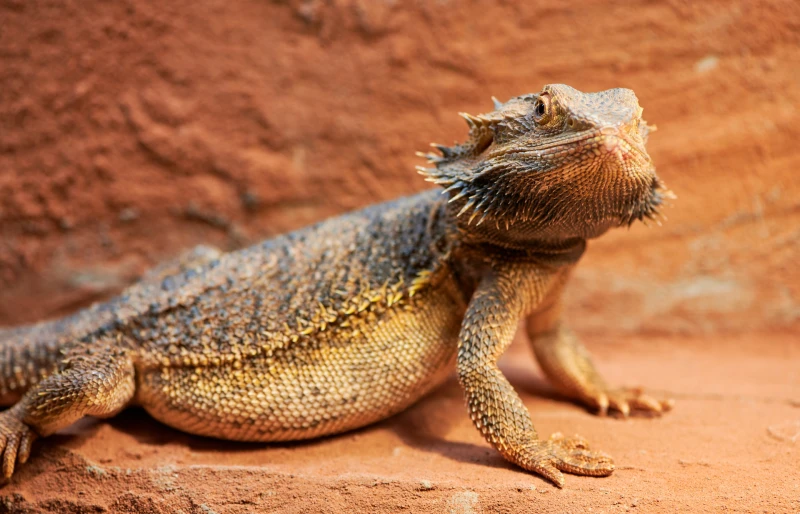
Bearded dragons experience a rapid growth phase during their first year of life, typically slowing down after their first birthday. However, their growth isn’t linear and can fluctuate based on various factors like diet, health, and environmental conditions.
In the initial months, bearded dragons can grow a staggering one inch per month. Post six months, the growth rate starts declining but remains consistent until they hit the one-year mark.
By the time they reach around 18 months, they are generally considered fully grown. That said, minor growth can continue beyond this stage, albeit at a slower rate and less noticeably.
It’s worth noting that the growth rate isn’t the same for every bearded dragon. Individual variances in size and growth rate are normal and can significantly depend on factors like genetic lineage, diet, and overall health. So, while 18 months is a typical milestone for bearded dragons to reach their full size, it isn’t an absolute rule.
Factors Affecting the Size of Bearded Dragons
The size and growth of a bearded dragon are contingent upon several factors. One of the most significant is genetics. Like humans, bearded dragons inherit genetic traits from their parents, including their potential size. Therefore, if the parents are larger or smaller, there’s a good chance their offspring will follow suit.
Diet plays a crucial role, too. A balanced, nutritious diet high in calcium and low in phosphorus is essential for a bearded dragon’s growth and overall health. A deficient or inadequate diet can stunt growth, cause health problems, and even decrease their lifespan.
Health is another factor. Bearded dragons that are ill or have parasites might not grow as they should. Regular vet checks can help ensure that your bearded dragon is healthy and growing at the right pace.
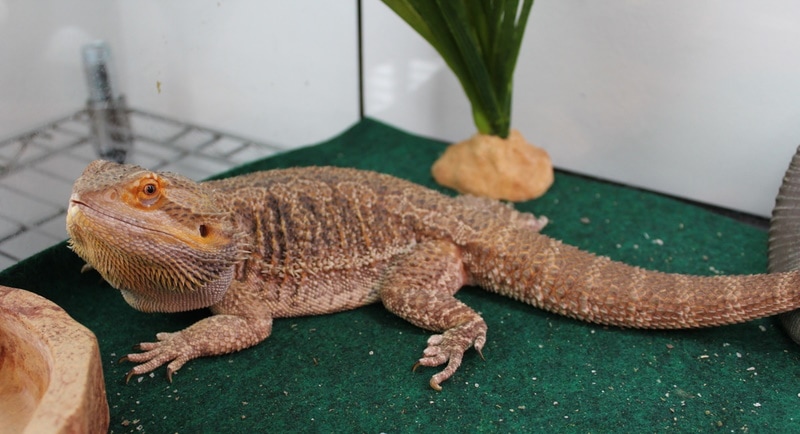
Lastly, the environment can impact a bearded dragon’s size. These creatures need ample space to move and explore. A small or cramped enclosure can hinder a bearded dragon’s growth and lead to health problems.
Ideal Diet for Maintaining a Healthy Weight
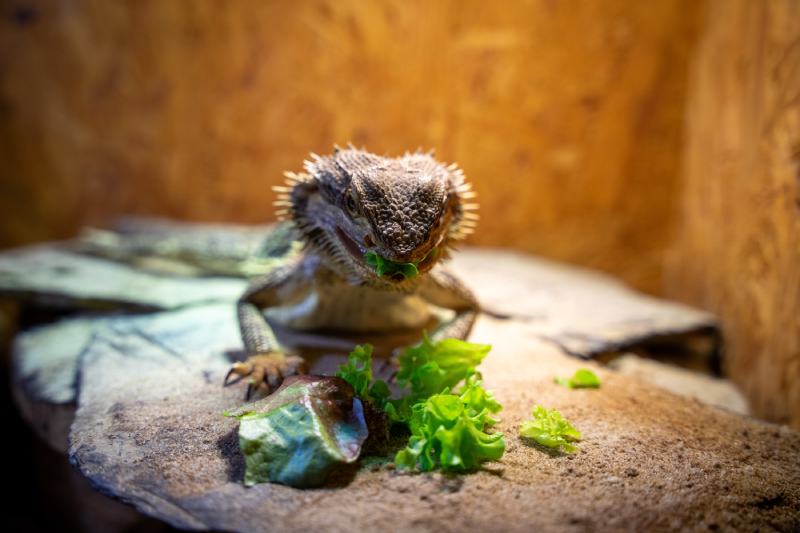
Bearded dragons are omnivores and require a balanced diet of both plant-based food and insects to thrive. Their nutritional needs, however, change as they age, affecting the ideal ratio of insects to vegetables.
During their rapid growth phase in the first months, young bearded dragons require a diet high in protein for proper development. Around 80% of their diet should consist of insects like crickets, mealworms, and roaches, while the remaining 20% should be plant-based foods like leafy greens, vegetables, and fruits.
As bearded dragons mature, their dietary needs shift. Adult bearded dragons need a diet consisting of about 20% insects and 80% plant-based foods. This switch from a protein-rich diet to a more plant-heavy one aligns with their slowing growth rate and helps maintain a healthy weight.
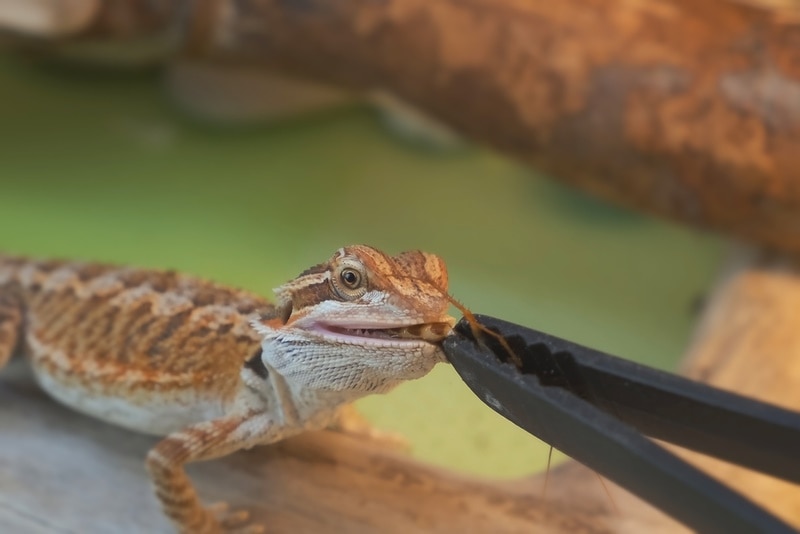
It is important to remember that variety is essential in a bearded dragon’s diet, and all food items should be appropriately sized to prevent choking. If you’re ever in doubt, don’t hesitate to get in touch with a vet who’s experienced in reptiles.
How to Measure Your Bearded Dragon
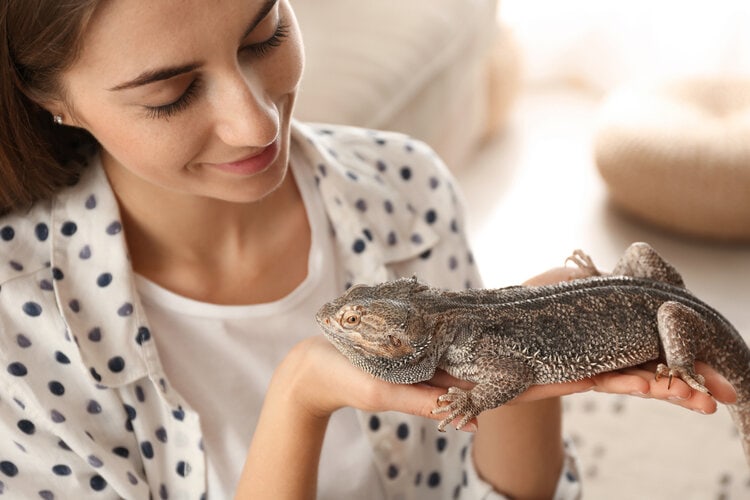
Measuring your bearded dragon is not a complex task, but it does require a gentle touch. The standard method involves measuring from the tip of their nose to the end of their tail, which gives you their total length. This is often the measurement pet owners and breeders use to discuss a Bearded Dragon’s size.
However, for a more accurate indication of their size, especially for health and dietary considerations, you might want to measure the snout-vent length (SVL). The SVL is the length from the nose tip to the base of the tail, excluding the tail itself.
When measuring your bearded dragon, make sure to handle them gently to avoid causing them stress or discomfort. It is best to use a soft, flexible tape measure for this task and to have someone help you if your Beardie is particularly squirmy.
Conclusion
Understanding the growth patterns and size of bearded dragons is crucial in providing them with the best care and environment. These charming and docile creatures can bring so much joy when they are healthy and well-taken care of. With the right diet, plenty of love, and adequate living space, your bearded dragon will thrive and live a long, happy life!
Sources
Featured Image Credit: Lisa-Vazquez, Shutterstock
Get Hepper In Your Inbox


Pet care tips from our vets and experts, straight to your inbox.
You may opt-out at any time. View our Privacy Policy for more information.

Nicole is a lover of animals of all sizes but is especially fascinated with the feline variety. She’s the proud mom of Baby, a Burmese, and works every day so he can relax in the sunshine or by the fire. She’s always had a cat in her home and has spent countless days with others, observing behaviors and softening up even the grouchiest of the lot. Nicole wants to share her kitty expertise with you so you and your cat can live happy, healthy, and care-free.
Join the conversation
Ask a question, share your story, or send private feedback.