Hepper is reader-supported. When you buy via links on our site, we may earn an affiliate commission at no cost to you. Learn more.
How Long Do Bearded Dragons Live? Vet Reviewed Lifespan, Data & Care


In this article
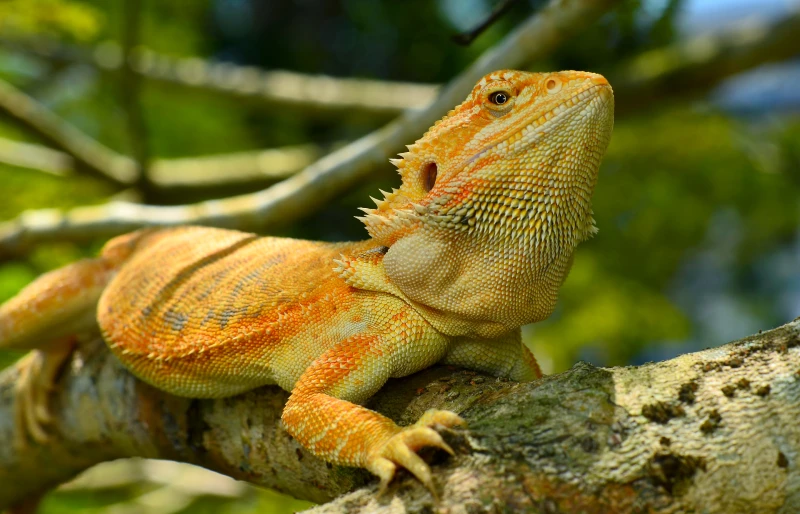
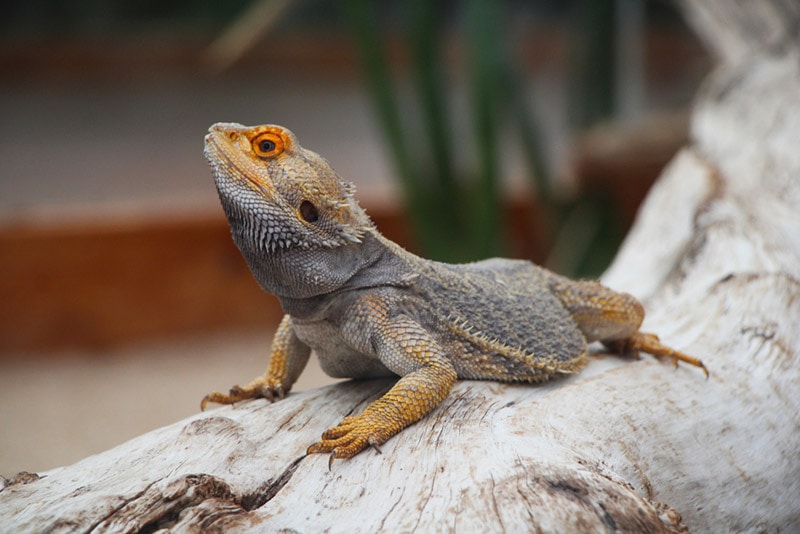
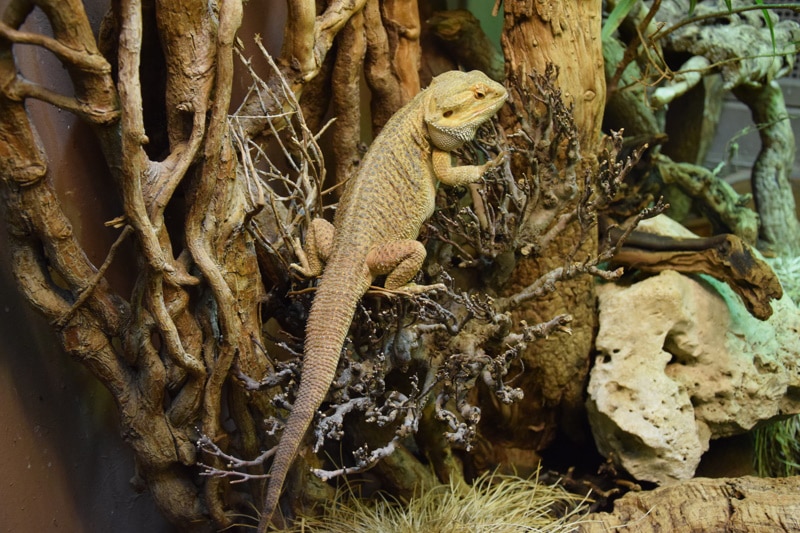
A bearded dragon lives quite a long time. The average lifespan of a pet bearded dragon is 8–12 years, while wild bearded dragons have shorter lives. If you plan on adopting one, you must ensure you’re prepared for a pet that will live that long since they’re quite a commitment.
Proper husbandry and care can make a real difference to how long your pet beardie will live. Husbandry is all the specific care requirements that a bearded dragon needs, including feeding, lighting, temperature, vet care, and more. Let’s explore this some more.

Bearded Dragon Average Lifespan
The average lifespan of bearded dragons can vary but is typically between 8 and 12 years. Wild bearded dragons usually have shorter average life expectancies, while the oldest bearded dragon recorded in captivity was over 18 years of age.
Factors that can determine lifespan include:
- Size: Larger bearded dragon breeds seem to live longer than their smaller counterparts.
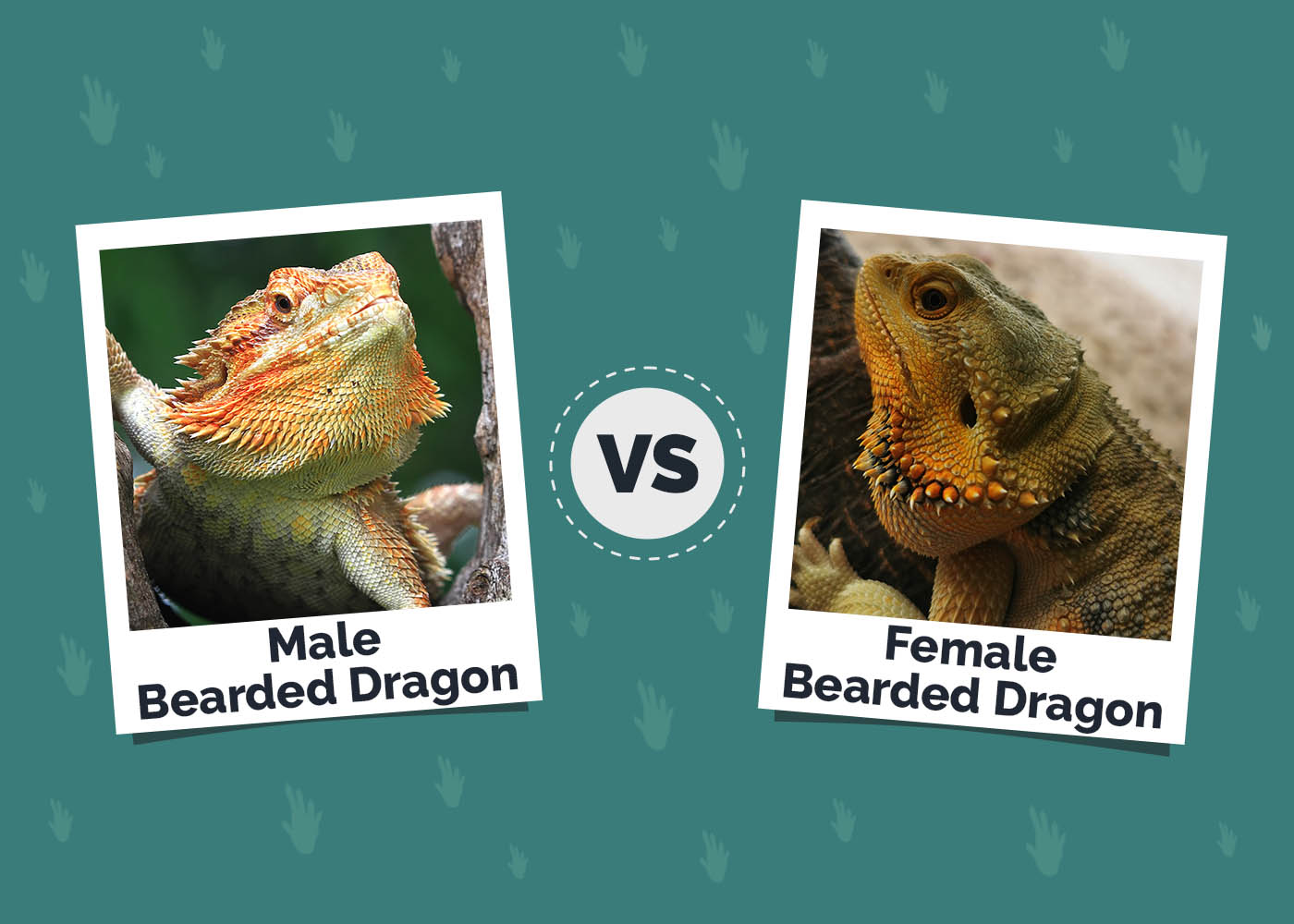
- Sex: Male bearded dragons tend to live longer than their female counterparts. This is especially true if the females have given birth to a batch of hatchlings.
- Husbandry: Bearded dragons that have cleaner enclosures tend to live longer. It is very important to make sure that your bearded dragon is in a sanitary environment to ensure appropriate health.
To ensure your bearded dragon lives their full life span, it is also important to keep up with routine care and take them for annual vet screenings. Find an exotic veterinarian so that you can ensure your bearded dragon is in sound health all the years of their life.
Why Do Some Bearded Dragons Live Longer Than Others?
1. Nutrition
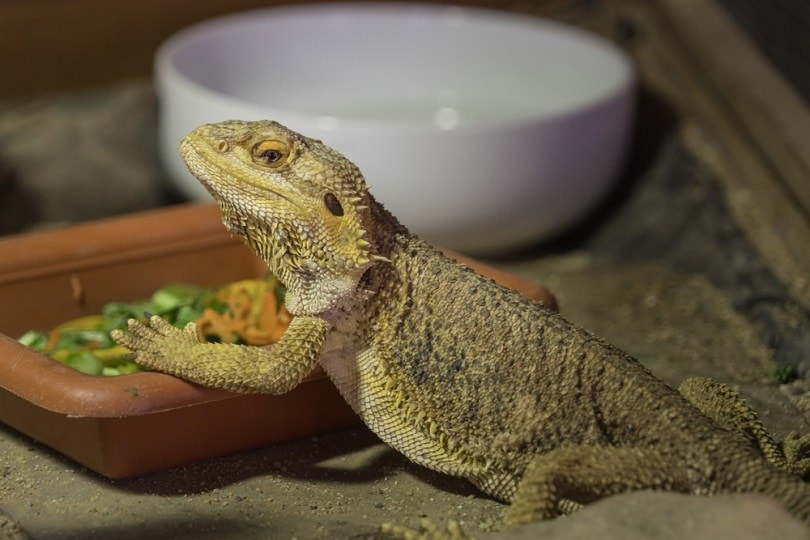
Nutrition is a very important piece in your bearded dragon’s life. Proper vitamins and a mixture of bugs and vegetables will be vital to your bearded dragon’s health and lifespan.
Bearded dragons are omnivores and eat both live invertebrates, such as crickets and Dubia roaches, and plants and vegetables. When they are young, they need more insects than adults.
To remain healthy, they also need the right mineral and vitamin supplements, which are usually dusted over the live food before feeding. You can over supplement so always follow the manufacturer’s guidelines.
Bearded dragons should always be provided with a large, shallow dish of fresh drinking water. They may not drink from it that often as they get a lot of their moisture from their diet.
2. Environmental Conditions
The environment a bearded dragon lives in can also play an important part in how long they will live. You need to ensure that the conditions within their cage are properly maintained. This includes the correct temperature, lighting, humidity, and substrate of their vivarium.
3. Living Quarters
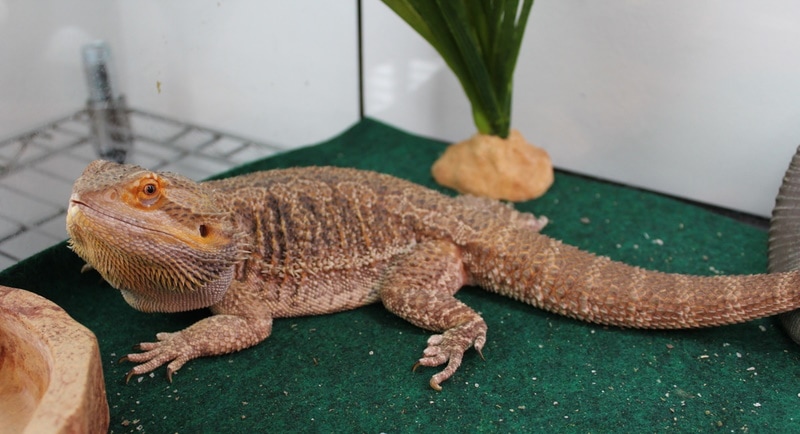
Bearded dragons can grow up to 16–24 inches, so they need plenty of space. A 4ft x2ft x 2ft vivarium is usually the minimum size you will need. They need plenty of space to move around, as well as different temperature zones within the vivarium so they can regulate their own body temperature.
Remember that bearded dragons are a lifetime commitment and that if you get one, expect to fork out the money required to keep them happy.
4. Species and Size
There are eight subspecies of bearded dragons. On average, larger bearded dragons tend to be more resilient and live longer than smaller ones.
5. Sex
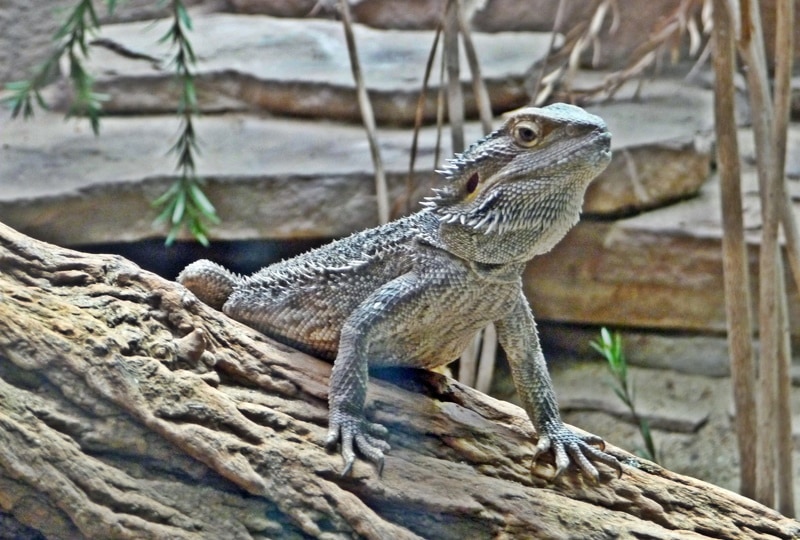
The sex of your bearded dragon also comes into play, where males live longer than females. Females that have laid eggs live the shortest, as laying eggs takes a lot of energy from the mother and affects her body.
6. Genes
Genes are also an important part of your bearded dragon’s health. By going through a trusted breeder, you have a better chance that your bearded dragon has healthy genetics.
As for bearded dragons that are mass-bred and inbred, they have a likely chance of having some unhealthy genes or even birth defects.
7. Breeding History
Breeding history is another factor that is in play when it comes to your bearded dragon’s lifespan. Even if they’re active in breeding, males won’t struggle too much and should live a happy, healthy life.
When a female has laid eggs it can take a large toll on her body and this can play a part in reducing her lifespan.
8. Healthcare
Healthcare is the last very important detail regarding the lifespan of a bearded dragon. Carefully monitoring your bearded dragon, picking up any signs of health issues and diseases early, and taking them to an exotic vet will give your Beardie the best chance of a long, happy life.

The 6 Life Stages of a Bearded Dragon
1. Embryonic Stage
The embryonic stage occurs when the bearded dragon is still within the egg. They take nutrients from their egg sac in this phase and slowly grow up. A bearded dragon egg hatch takes about 55 to 75 days.
Marking the eggs’ topside will help ensure they don’t roll over, as that can be dangerous for the bearded baby dragon.
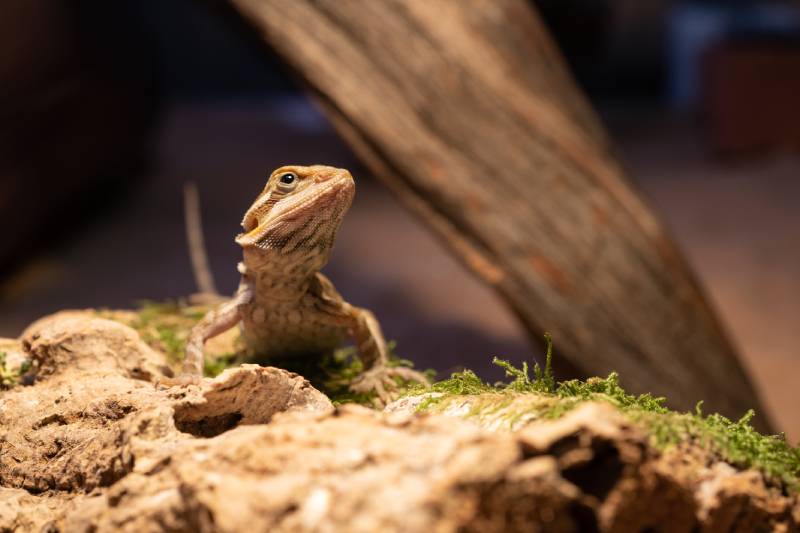
2. Hatchling
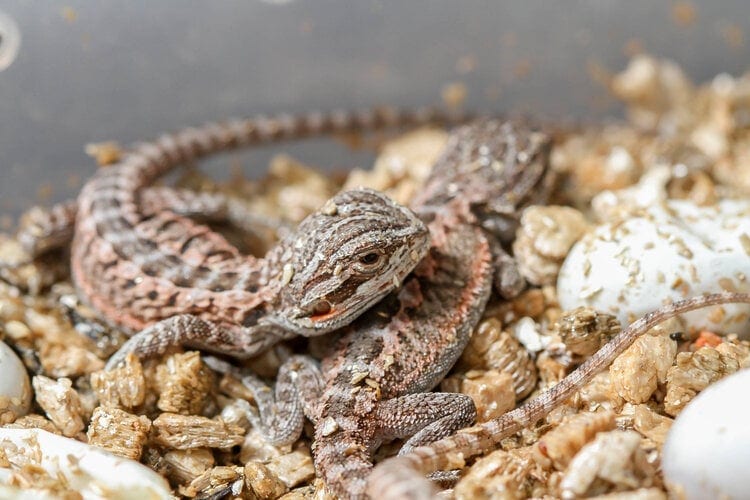
Usually, in the beginning, the bearded dragons will be around 2 to 4 inches long or 5 to 10 centimeters.
Hatchlings require much maintenance and food, needing about 20 to even 60 crickets per day, just for one hatchling! They grow very quickly, though, due to how much they eat.
3. Subadult
Hatchlings are considered subadults or juveniles when a bearded dragon is about 7–8 inches. Subadults continue to grow very quickly and still have a large appetite.
Subadults generally get their first few doses of hormones at this stage, so you may notice some more dominant traits within them, like head, bobbing, and waving.
4. Young Adult (Sexual Maturity)
The young adult stage, when bearded dragons become sexually mature, occurs about 3 years into their life or when they reach around 12 inches or about 30 centimeters long.
Bearded dragons of this age have finally lost their ravenous hunger, and you can finally slow down how much they need to eat. They may also show mating behaviors, and females can healthily carry eggs.
5. Mature Adult
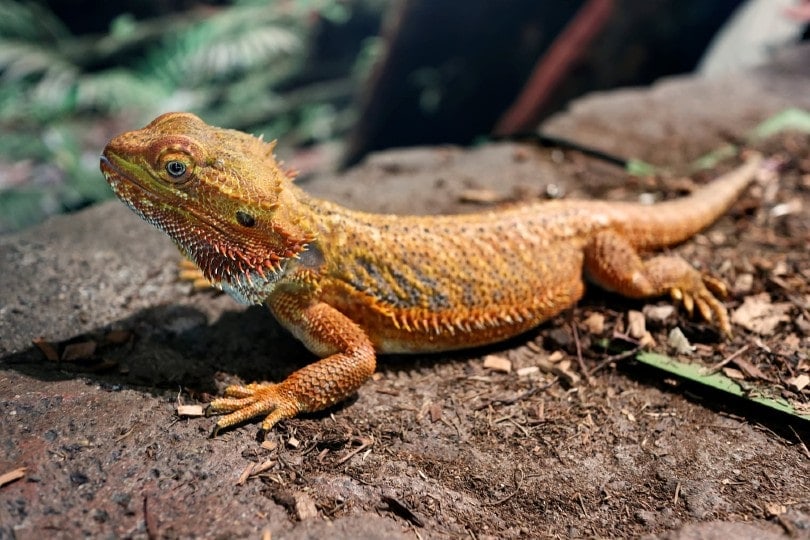
Mature adults tend to have reached their full size between 4 and 7 years of age, measuring around around 18 to 20 inches or 45 to 51 centimeters. There is no further growth and a gradual decrease in reproductive function the older they get.
6. Seniors
Bearded dragons are considered seniors at around 7–8 years of age. They slow down, become increasingly lethargic, and eat less. Depending on the care your beardie has had, this old age stage can start later in life.
How to Tell Your Bearded Dragon’s Age
It’s fairly straightforward to figure out a bearded dragon’s age. The best and easiest way is to contact the breeder from whom you got them. However, if you’ve lost their contact information or didn’t go through a breeder, you’re not out of luck! Up until they are around one year of age, you can measure them to get a rough idea of their age. Hatchlings under a month of age are usually under 4 inches in length. When they measure 4–10 inches, they are normally under 4 months of age. Any species measuring 12 inches or less is usually less than one year of age.
Of course, size isn’t always 100% correct, as it’s very easy to stunt a bearded dragon’s growth. However, if you pay close attention to their behaviors, you can tell whether or not they’re sexually mature, which may help.
Conclusion
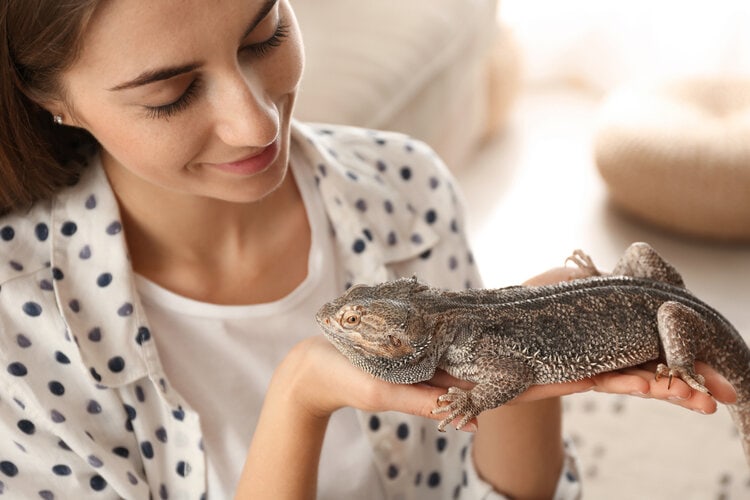
Bearded dragons can live a long time in captivity if cared for correctly. They require very specific conditions in their enclosure and the right diet to thrive and live their full lifespan. Because caring for a bearded dragon is very different from caring for a dog or cat, you must learn how to care for them properly before deciding to adopt one.
While bearded dragons are often not expensive, all the stuff you need to care for one can be. Therefore, you must have the money prepared to purchase the correct enclosure, lighting system, and diet.
Also Read: How to Tell If a Bearded Dragon Is Happy
Sources
Featured Image Credit: Piqsels
Get Hepper In Your Inbox


Pet care tips from our vets and experts, straight to your inbox.
You may opt-out at any time. View our Privacy Policy for more information.
Kristin is passionate about helping pet parents create a fulfilling life with their pets by informing them on the latest scientific research and helping them choose the best products for their pets. She currently resides in Tennessee with four dogs, three cats, two fish, and a lizard, though she has dreams of owning chickens one-day!
Join the conversation
Ask a question, share your story, or send private feedback.