Hepper is reader-supported. When you buy via links on our site, we may earn an affiliate commission at no cost to you. Learn more.
How Many Crickets to Feed a Baby Bearded Dragon: Vet-Reviewed Nutrition & Feeding Guide


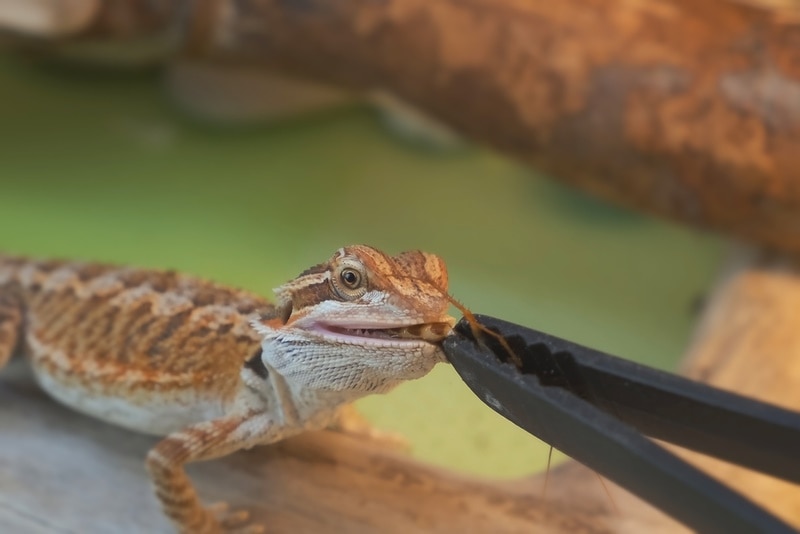
Bearded dragons are omnivores, which means they consume plant- and animal-based foods. However, baby bearded dragons need more animal-based foods because these have the high protein amounts that they need for proper development.
A favorite animal-based food for baby bearded dragons is crickets. They are tasty, full of protein, and easy to get/buy. But how many crickets should you feed a baby dragon?
Most baby bearded dragons consume around 25 crickets a day, though the numbers can vary because not every baby bearded dragon will have the same appetite. Rather than counting crickets, it’s best to allow baby bearded dragons to eat as many crickets as they can within a time period of about 5 minutes, twice a day.
Read on to discover more about the diet of bearded dragons, how many crickets to feed a baby bearded dragon, and how to choose the best crickets.

What a Bearded Dragon Diet Should Look Like
Bearded dragons are omnivorous, meaning their diet consists of a meat- and plant-based products like insects, rodents, berries, fruits, and veggies.1 However, during their baby and juvenile stages, bearded dragons are primarily carnivorous, while they tend to be more herbivorous as they age.
They mainly consume crickets, mealworms, and roaches, though they also like pears, apples, carrots, peas, and other plant-based products.
Depending on your bearded dragon’s age, their diet will likely be biased toward either that of a carnivore (when young) or that of a herbivore (as an adult). Juvenile bearded dragons tend to be the closest approximation of a true omnivore in terms of their diet.
Baby bearded dragons should have one or two meals daily, and their food needs will decrease as they age. Adult bearded dragons need less food and can eat every 24–72 hours, but that can vary based on other factors.
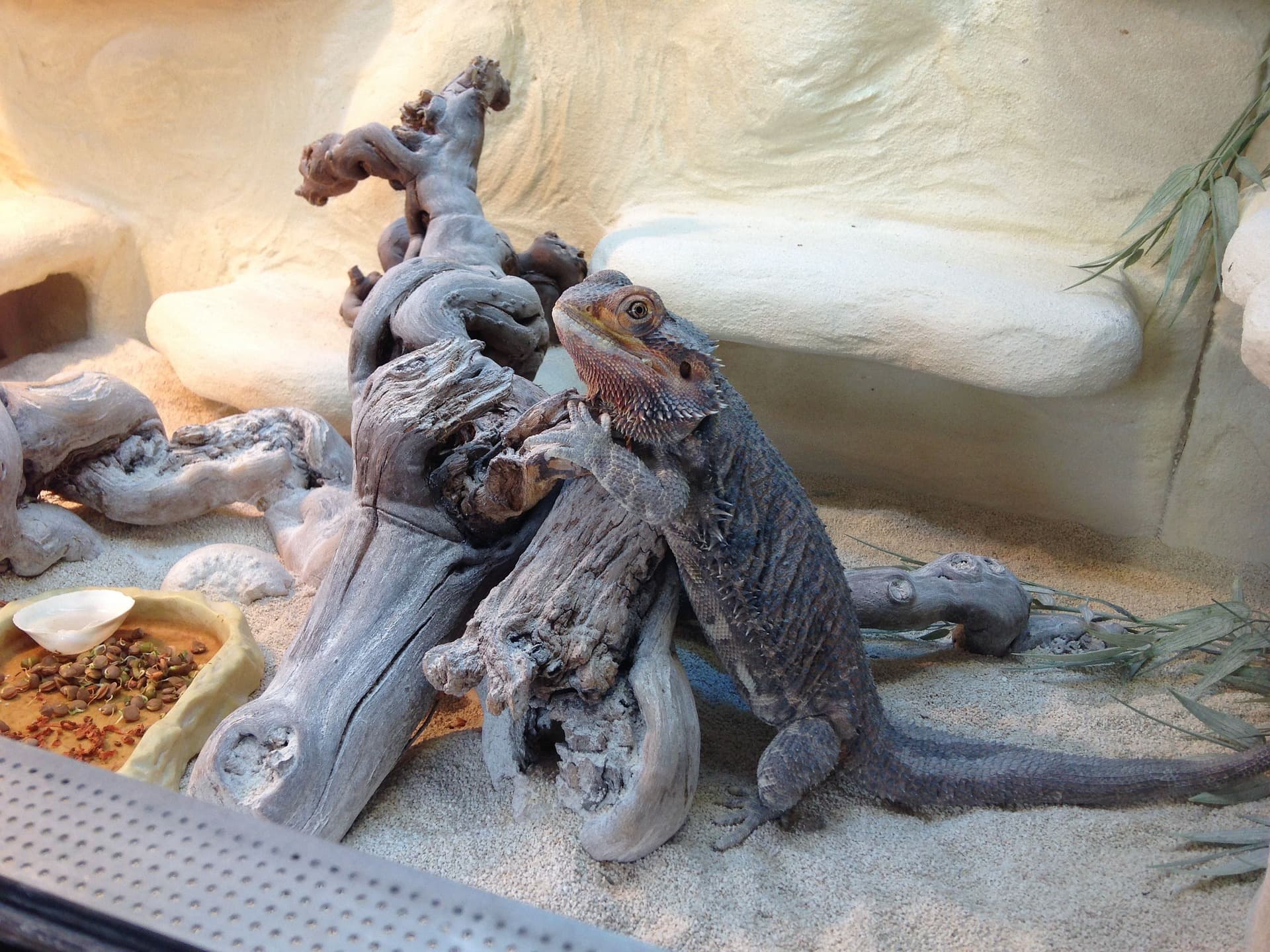
How Many Crickets Should You Feed a Bearded Dragon Through the 3 Life Stages?
Please Note
Crickets are among the favorite insects that bearded dragons like to consume. They represent a great source of protein, and they’ll enable your bearded dragon to grow healthy and strong. The number of crickets that your bearded dragon should eat will vary in their different life stages.
1. Baby Bearded Dragon
Bearded dragons are considered babies until they reach the age of approximately 8 months. They should be offered two meals per day, and they need more animal-based foods than plant-based ones. When feeding crickets to a baby bearded dragon, you should allow them to consume them freely during a feeding session, which typically lasts between 5 and 10 minutes.
During the session, it’s best to provide as many crickets as possible. If the baby bearded dragon is hungry, they will eat; if they’re already feeling full (or unwell), they will reject the food. It’s best to keep a close eye on their appetite, as inappetence in a young bearded dragon warrants veterinary attention.
Most baby bearded dragons consume an average of 25 small/pinhead crickets in a day. However, this is a mere ballpark figure, and you shouldn’t panic if your bearded dragon seems to have a voracious appetite and consumes more.
2. Juvenile Bearded Dragon
Bearded dragons are considered juvenile from the age of approximately 8 months to around 18 months. As they grow older, bearded dragons need fewer feeding sessions, typically around one feeding session of crickets (or other insects) a day.
During this stage, it’s still best to allow your bearded dragon to consume as many crickets as they can in a 5-minute period. This will often amount to 10 or so small crickets on average.

3. Adult Bearded Dragon
Bearded dragons are considered adults once they are older than 18 months. At this stage of their life, their diet changes, and it should be roughly 30% animal-based foods and 70% plant-based foods, though these values may change. It’s best to consult your veterinarian if you aren’t sure about your pet’s nutritional needs.
Adults do best when offered live prey two to three times a week. It’s also recommended to control their portions. Instead of allowing them to eat as much as they’d like in a short time period, it’s best to offer them around 10 large crickets per “carnivore” session. However, they should be given fresh vegetables more regularly.
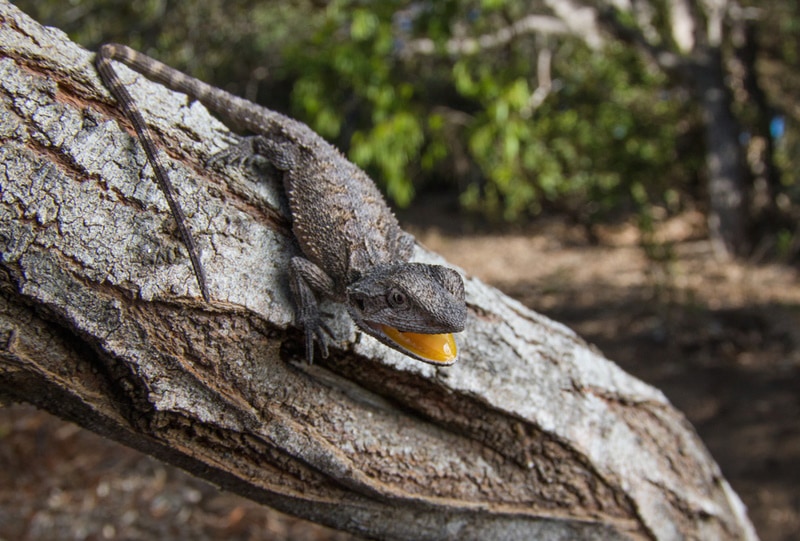
Things You Need to Know When Choosing Crickets to Feed a Baby Bearded Dragon
Before giving crickets to your baby bearded dragon, there are a few things that you should do to ensure that they are safe to consume. Many different cricket species are available, and the most common ones for bearded dragon consumption are:
- House crickets
- Tropical house crickets
- Jamaican crickets
- Two-spotted crickets
Besides considering the species, you should also consider their size, as you will offer them to your baby bearded dragon while they’re alive.
Here’s a list of other things that you should know to select the best crickets for feeding your baby bearded dragon.

Offer Living Crickets
When giving crickets to your baby bearded dragon, ensure that you’re offering living ones. This will enable your baby bearded dragon to familiarize themselves with their hunting instincts and try to catch the cricket as prey. It will be a fun and engaging activity in which your little beardie will have to hunt down the cricket.
Also, consuming decomposing or dead crickets could make your baby bearded dragon sick or ill. These crickets release chemicals and toxins that could lead to various health issues.
The crickets that you serve to your pet should always be gut loaded to ensure that they offer the best nutrition possible. Your veterinarian may also advise you to dust them with a supplement, such as calcium, depending on your pet’s needs.
Consider the Size of the Crickets
Before giving crickets to your baby bearded dragon, you should consider their size. The crickets should be smaller than the space between your bearded dragon’s eyes so they can consume them easily. Consuming larger crickets could potentially harm your beardie, causing digestion, feeding, or impaction problems.
List of typical cricket sizes available in pet stores:
Generally speaking, younger crickets offer higher protein than older crickets do. However, the true nutritional value of these insects will vary depending on their species, diet, and health status.

Buy Crickets From Your Local Pet Store
When getting crickets for your baby bearded dragon, always buy them from reputable places, such as your local pet store, and don’t get wild crickets. The latter may contain pesticides and various deadly parasites. It’s also unethical to capture insects from the wild, as this can disrupt the normal ebb and flow of the ecosystem.
Consider Breeding Your Own Crickets
If you don’t want to spend time and money purchasing crickets for your baby bearded dragon at the local pet store, you can consider breeding your own. This way, you’ll have a constant, fresh supply of insects for your little beardie.
Why Is Eating Crickets Important for Baby Bearded Dragons?
Bearded dragons are natural hunters with the instinct to hunt down and consume their prey, which typically includes all kinds of moving insects. Providing live crickets to baby bearded dragons will enable them to enhance their senses, keep them in good shape, and allow them to have fun.
Crickets are also an excellent source of protein, and they will keep your baby bearded dragon full while promoting proper development.
Final Thoughts
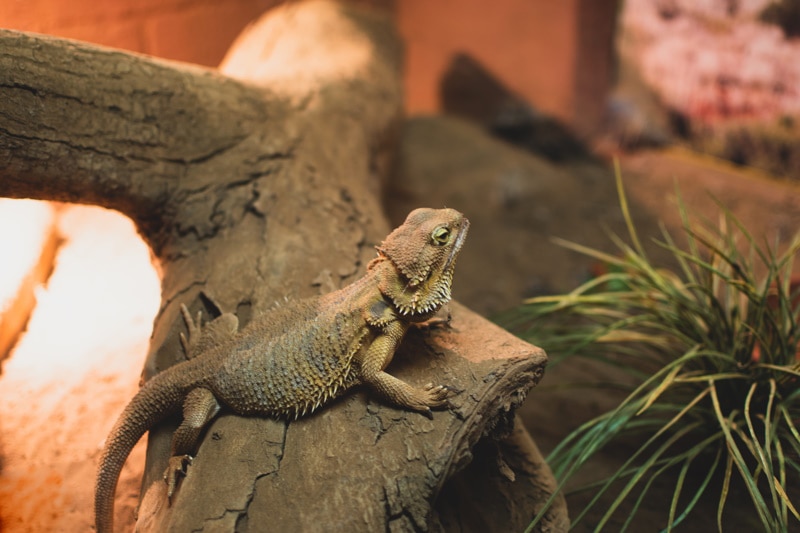
Baby bearded dragons need a high-protein diet, which is why crickets are excellent food options for them. It’s best to offer live crickets to your baby bearded dragon through multiple feeding sessions (often two) throughout the day.
Most baby bearded dragons consume around 25 tiny crickets a day, though this is just a ballpark number. It’s best to offer a baby dragon as many crickets as they can consume in a 5-minute period, twice a day. This is why you should be well-prepared and have enough crickets to provide until your little beardie is full.
Finally, keep in mind that the guidelines provided here are mere estimates. For an accurate meal plan for your pet, it’s best to follow your veterinarian’s lead and recommendations.
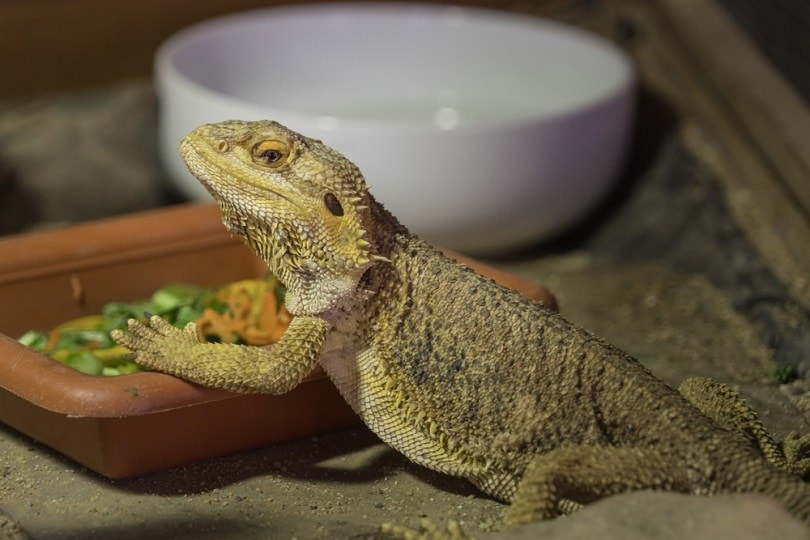
Featured Image Credit: Evgeniia Zakharishcheva, Shutterstock
Get Hepper In Your Inbox


Pet care tips from our vets and experts, straight to your inbox.
You may opt-out at any time. View our Privacy Policy for more information.
Visnja is a content writer that covers various topics such as DIY, pets, home improvement, travel, gardening, and more.
She is a young mom and a college student, who didn’t have enough time to balance her personal and work life, so after multiple years of working a regular 9 to 5 job, she decided to pursue her passion and make a living out of it. She has been writing for a couple of years, helping people find valuable and interesting information online.
Join the conversation
Ask a question, share your story, or send private feedback.