Hepper is reader-supported. When you buy via links on our site, we may earn an affiliate commission at no cost to you. Learn more.
Why Is My Bearded Dragon Not Eating? 8 Vet Reviewed Reasons


In this article
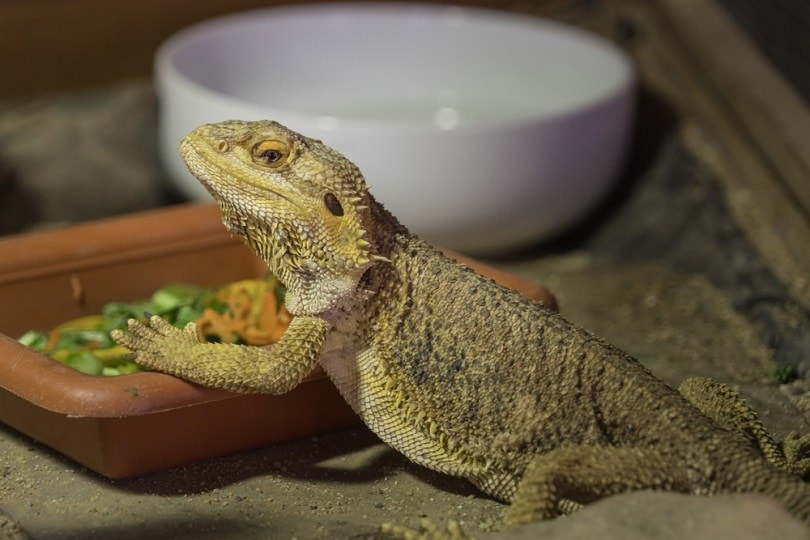
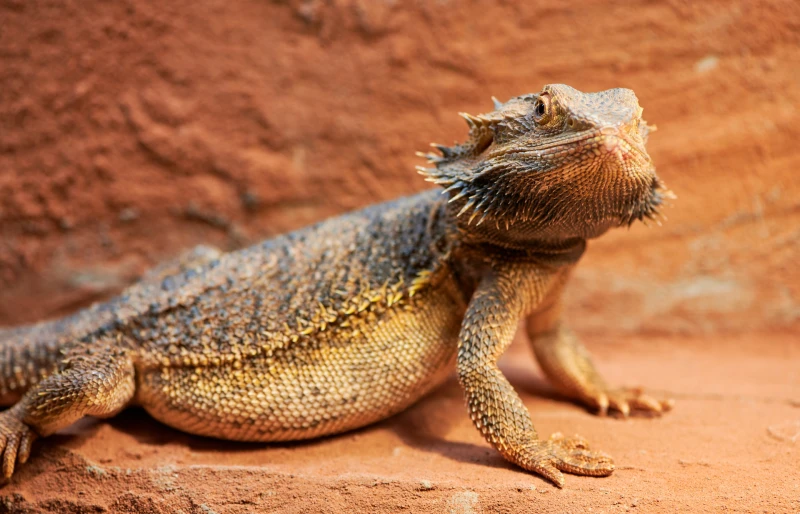
Bearded dragons are typically enthusiastic eaters, chasing after crickets in their enclosures or munching away on their daily greens. So, it can be quite concerning if your beardie turns its nose up at its meals and refuses to eat.
There are many potential causes of your pet’s loss of appetite. Read on to find eight of the most common reasons your beardie isn’t eating and what you need to do when it has a low appetite.

The 8 Vet-Reviewed Reasons Why Your Bearded Dragon Is Not Eating
1. Aging
A bearded dragon’s eating habits sometimes shift as they mature. Baby and juvenile beardies eat a lot and are supposed to eat daily as they need a lot of fuel to grow into healthy and strong adults. But when they hit adulthood, their energy levels wane and their metabolism slows down. As a result of these changes, they don’t need as much food as they did when they were younger. If your beardie is around a year or older and is slowing down with its eating habits, reaching adulthood may be the reason.
2. Shedding
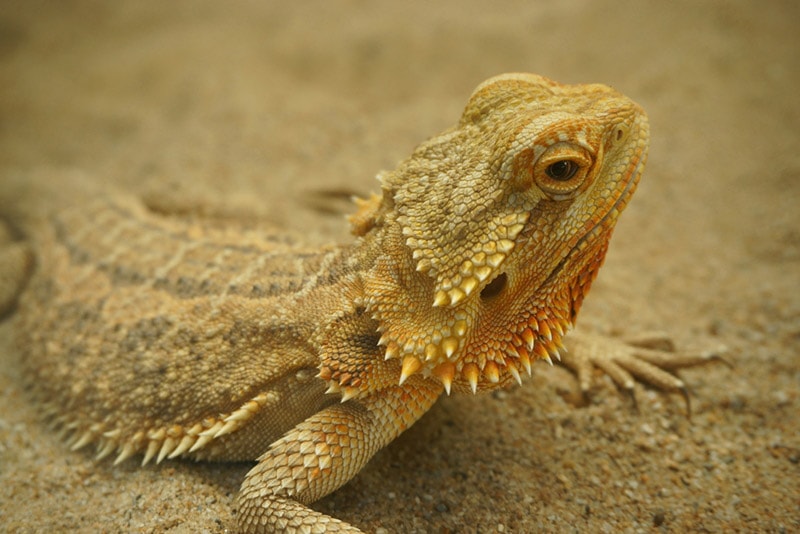
Bearded dragons shed a lot until they reach adulthood, because they outgrow their skin quickly during the first few months of life. Babies can shed weekly in their heavy growing stages. By the time they’re a year old, their shedding patterns slow down to around every other month, and by the time they’re fully grown (approximately 18 months old), they’ll only shed once or twice a year.
The process of shedding appears to be uncomfortable, causing most reptiles to feel itchy and irritable, so one of the tell-tale signs that your beardie is about to go through a shed is appetite loss. It may also refuse to eat just before or after a shed. This is completely normal and nothing to worry about. Beardies don’t eat much during this process as they often eat their own shed skin, which is full of nutrients.
3. Problems With Husbandry
Another common reason your beardie isn’t eating is poor husbandry. It’s essential that the temperature, lighting, and heating aspects of your pet’s tank are just right to provide the most optimal environment for health.
Not Enough UVB Lighting
Wild bearded dragons get vitamin D from exposure to UVB light from the sun. This essential vitamin allows them to absorb the calcium from their food, promoting proper bone development and muscle function. You must mimic this sun exposure for your beardie by providing a full-spectrum UVB light. Please keep track of when you purchased your bulb, as it will need to be replaced every six to 12 months.
Humidity & Heat
Your beardie needs its enclosure to be at an appropriate temperature with the right amount of humidity.
Bearded dragons are ectotherms, meaning their body temperature is controlled by the temperature in their environment. Therefore, to create the most optimal environment, you’ll need a temperature gradient in the enclosure so your beardie can regulate its temperature. The wrong temperature will affect digestion, so it is important to ensure your vivarium has a basking (warm) end of around 100oF (37oC) and a cooler end of around 82oF (28oC).
Your enclosure’s humidity should be between 30–60%. If it’s any higher or lower than that, your beardie may develop respiratory issues or problems with its skin and scales.
4. Poor Diet
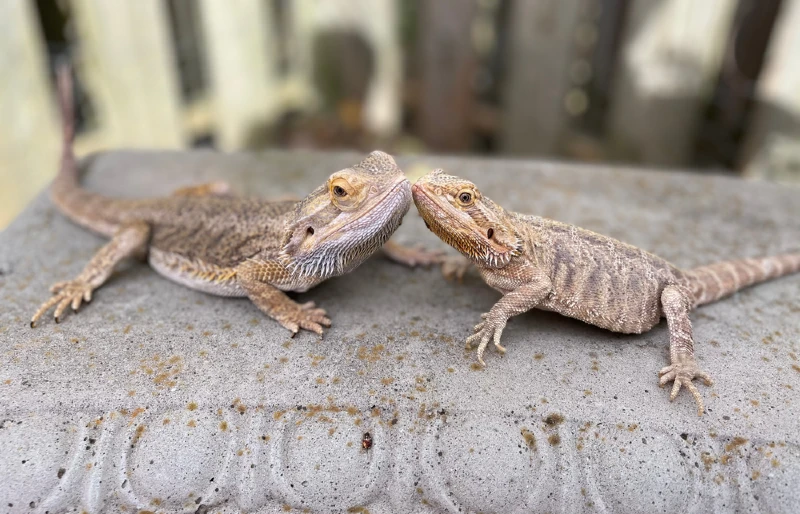
Bearded dragons are omnivores. They must eat plant and animal matter to get the nutrients necessary to thrive. Younger beardies need a more protein-focused diet and will eventually transition to a more plant-centric diet as they age. Giving a baby beardie too few insects or an adult too many can cause nutritional imbalances, which may then lead to inappetence due to illness.
You should also familiarize yourself with toxic foods for bearded dragons to eat. For example, feeding your pet something like onions, chives, garlic, or rhubarb could spell trouble, as these are poisonous to beardies.
5. Vitamin or Mineral Deficiencies
Beardies can’t get all the vitamins and minerals they need from salads and bugs, so they need daily supplementation of certain vitamins like calcium and D3 for proper growth and general health. You can find powders at your local pet store that contain both, so all you need to do is sprinkle a little on your beardie’s salad or insects. These supplements are necessary to prevent metabolic bone disease (MBD), a potentially fatal condition that can cause brittle and soft bones. As the condition progresses, loss of appetite is a common symptom.
6. Illness or Injury
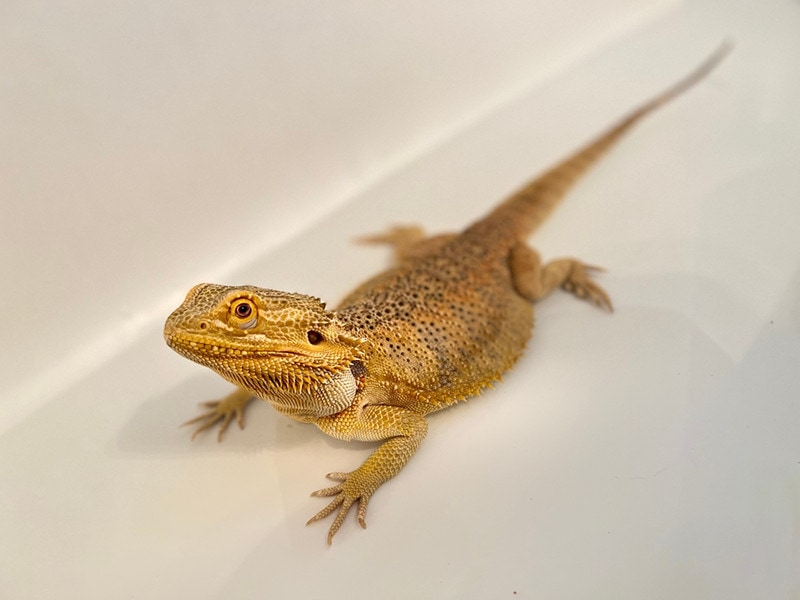
Animals will sometimes lose their appetite if they’re hurt or sick. Beardies may develop conditions like infectious stomatitis (mouth rot), a bacterial gum infection that can make eating painful. They can also develop respiratory infections due to poor husbandry or stress and experience decreased appetite and lethargy as a result.
Though you’ve made its enclosure as safe as possible, your beardie can still injure itself. This is especially true if it has a disease like MBD that can result in broken bones.
Impaction is another health issue that could cause your beardie to stop eating. In addition, you’ll likely notice a change in its poop frequency or consistency.
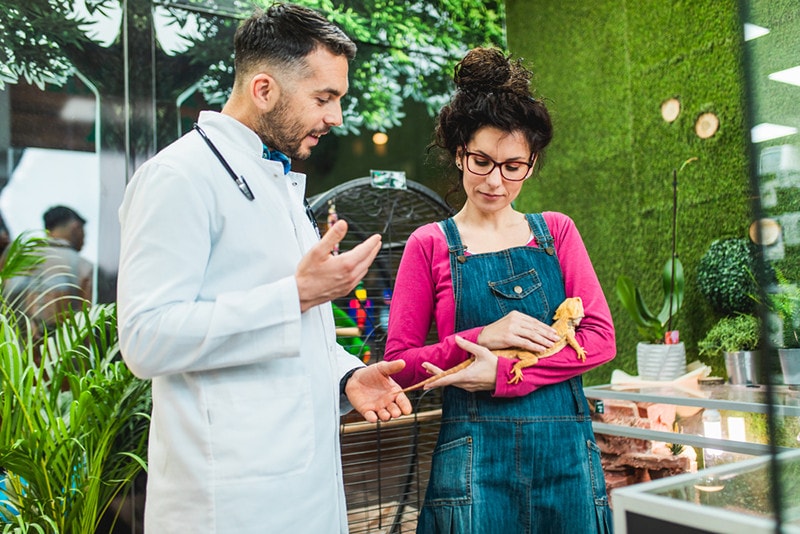
If your beardie is ill or injured, you must take them to the veterinarian as soon as possible to devise a treatment plan.
7. Brumation
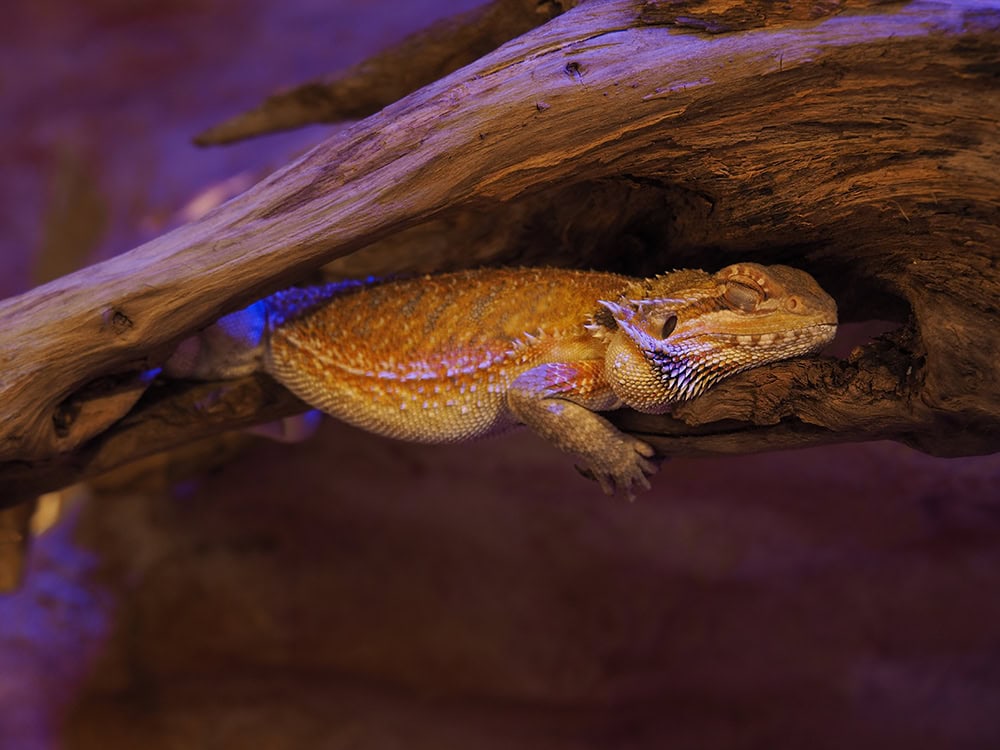
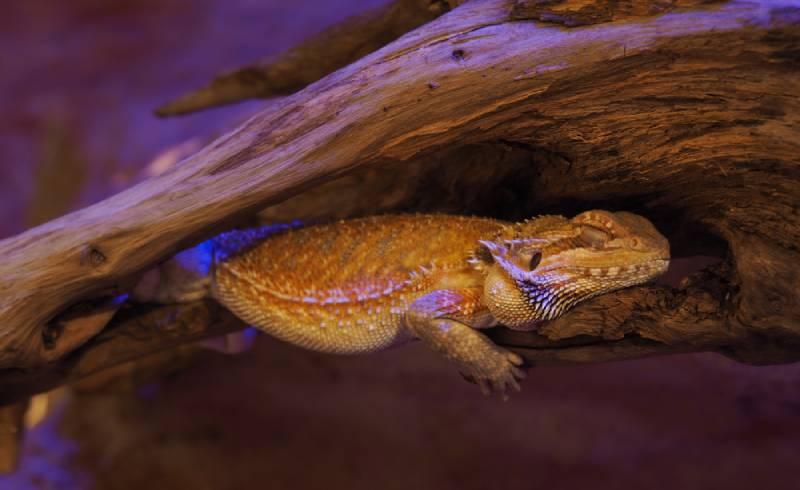
Your beardie may begin eating less if it’s getting ready to brumate, which is basically hibernation for ectotherms, when your lizard will go into a period of dormancy. This often happens in winter when temperatures start cooling off and the daylight hours shorten. Brumation is a natural process that is important for wild bearded dragons. Brumating allows beardies to conserve energy to boost their chances of survival.
Not all pet beardies will brumate because the temperature and light in their enclosures stay consistent throughout the year.
During brumation, your reptile will lose its appetite and try to dig itself into its substrate. This period can last for several weeks or even months. Because brumation slows down the metabolism, your pet can go without a full meal the entire time. However, some will occasionally come out of hiding to snack or drink, so make sure you always have water in the tank.
Related Read: Do Bearded Dragons Brumate With Their Eyes Open?
8. Stress
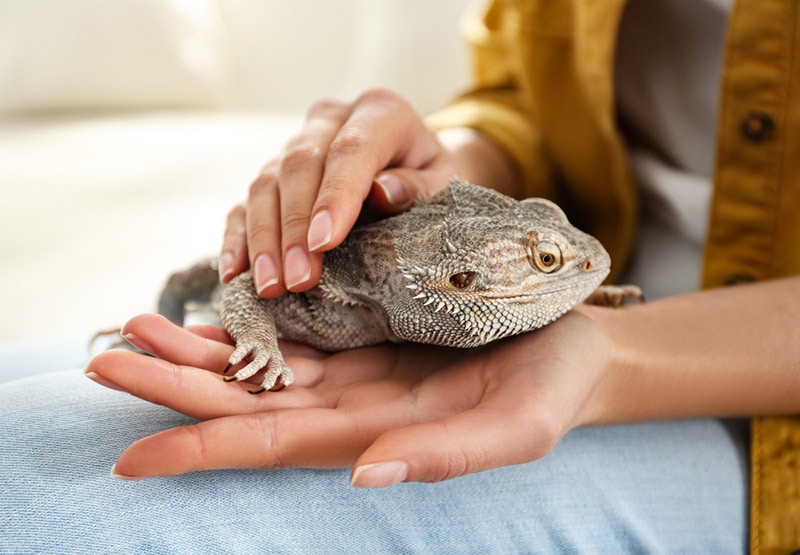
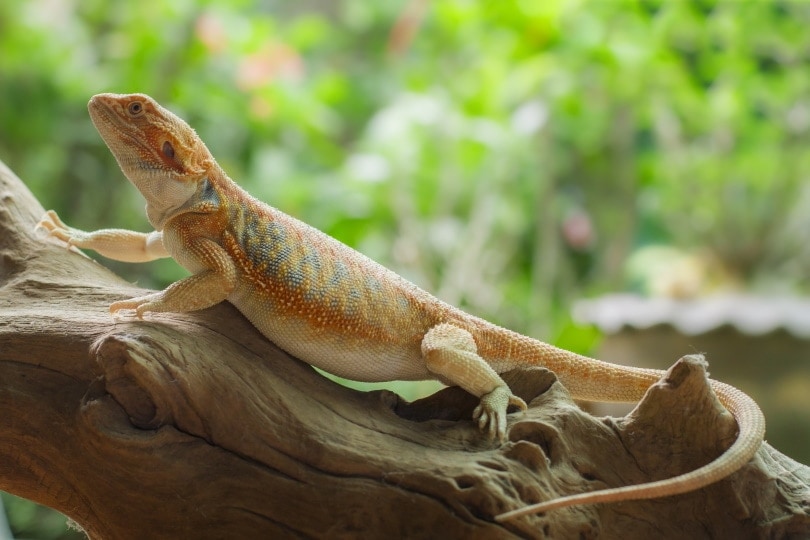
Despite being safe from predators, bearded dragons in captivity can often become stressed. Although pet beardies are often tame, they are not domesticated, so a captive environment will always be unnatural for them Poor husbandry, environmental changes (e.g., a new enclosure), a bad diet, or improper handling can cause stress. One of the main reactions to stress is a loss of appetite.
If your beardie appears to be stressed, check its tank temperature and humidity. You should also determine when you last changed the UVB bulb because that could be a contributing factor.
What Do I Do If My Beardie Isn’t Eating?
First, you’ll need to determine why your beardie is not eating. If it is brumating or recently had an enclosure or environment change, it’s normal for your pet to eat much less than usual. If not, you’ll need to look for other signs. Loss of appetite is just one symptom of countless conditions, injuries, or situations.
Next, check your beardie’s environment. Is the temperature right? How is the humidity? Is its enclosure clean? When was the last time you changed the UVB bulb?
If everything checks out with the environment, give your beardie a day or two to see if its appetite returns. If your beardie still isn’t eating, it’s time to call in an expert. Of course, if you notice other signs of illness, you’ll want to call your veterinarian immediately.
Final Thoughts
There are many reasons your bearded dragon is refusing to eat. Your job is to determine what it is that is causing your beardie’s anorexia. In many cases, poor husbandry is to blame. However, if your beardie’s loss of appetite is accompanied by changes in behavior or other concerning symptoms, it is best to contact your vet for further advice.
You May Also Like:
Sources
Featured Image Credit: C. Nass, Shutterstock
Get Hepper In Your Inbox


Pet care tips from our vets and experts, straight to your inbox.
You may opt-out at any time. View our Privacy Policy for more information.
Chantelle's life revolves around two passions: writing and animals. Raised on the prairies of Canada amidst a menagerie of pets, she now lives with five cats, two guinea pigs, and a bearded dragon. Together with her husband and child, Chantelle delights in being an exemplary animal parent, going as far as installing wall-mounted cat shelves to give their cats an indoor playground. When she's not cozying up with her cats or snapping their amusing antics, she enjoys venturing into the Rocky Mountains, binge-watching her favorite Netflix shows, and indulging in spontaneous reading adventures.
Join the conversation
Ask a question, share your story, or send private feedback.