Hepper blog

Search our database of over 9,984 posts with up-to-date information from our experts and veterinarians.

Hepper is reader-supported. When you buy via links on our site, we may earn an affiliate commission at no cost to you. Learn more.

How Long Can You Leave a Bearded Dragon Alone? Vet-Approved Facts

By Melody Russell · Reviewed & fact-checked by Dr. Chyrle BonkVet Approved
Dr. Chyrle Bonk
Reviewed & Fact-Checked byDr. Chyrle BonkDVM (Veterinarian)
Chyrle Bonk, an Idaho native, who spent four years in Oregon pursuing her veterinary degree before returning to her beloved home state. An outdoor enthusiast, she explores Idaho's expansive landscapes with her husband and two boys whenever possible. Their family includes an assortment of pets and livestock, featuring two dogs, two cats, two horses, a pony, and a seasonal group of cows numbering between 80 and 150.View authorThe information is current and up-to-date in accordance with the latest veterinarian research. Read about our vets
Share
Ask us a question in the comments
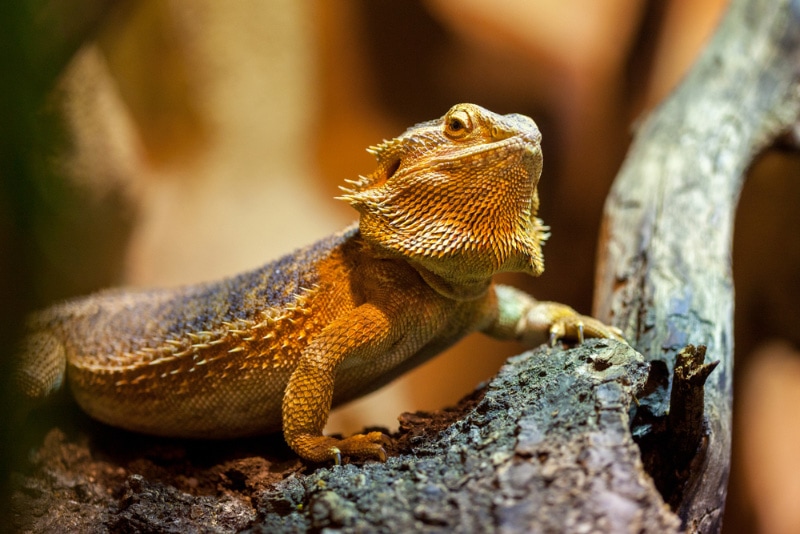
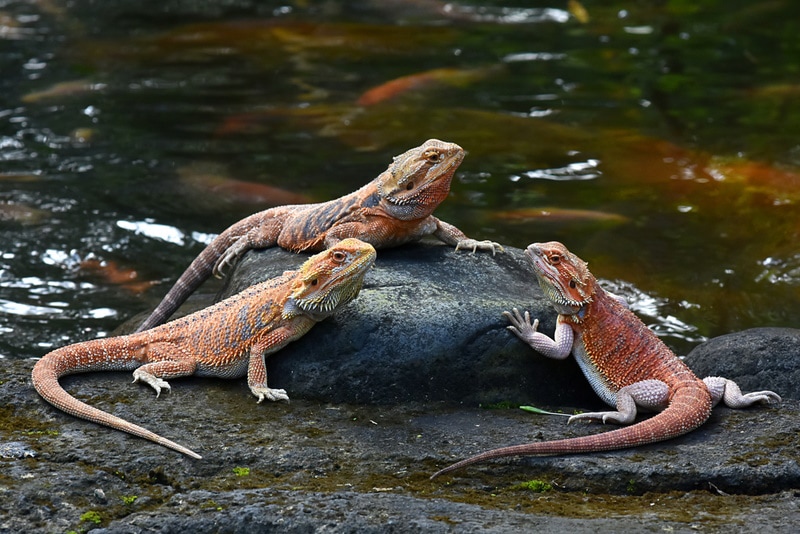
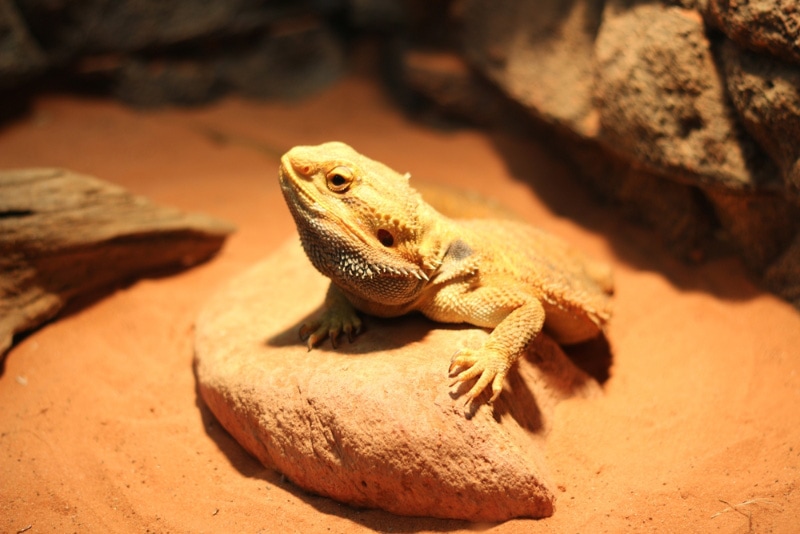
a central bearded dragon on a branch

Bearded dragons, while indigenous to Australia, have become increasingly popular pets in households worldwide. With their calm demeanor and unique appearance, it's not difficult to understand why. However, as with all pets, bearded dragons have specific care requirements that owners should be aware of, especially when considering leaving them unattended. How long exactly can you leave a bearded dragon alone? Generally, if you won't be gone longer than three days, your beardie should be alright. Longer periods demand some arrangements. Keep reading to find out.

Short-Term Leaves:

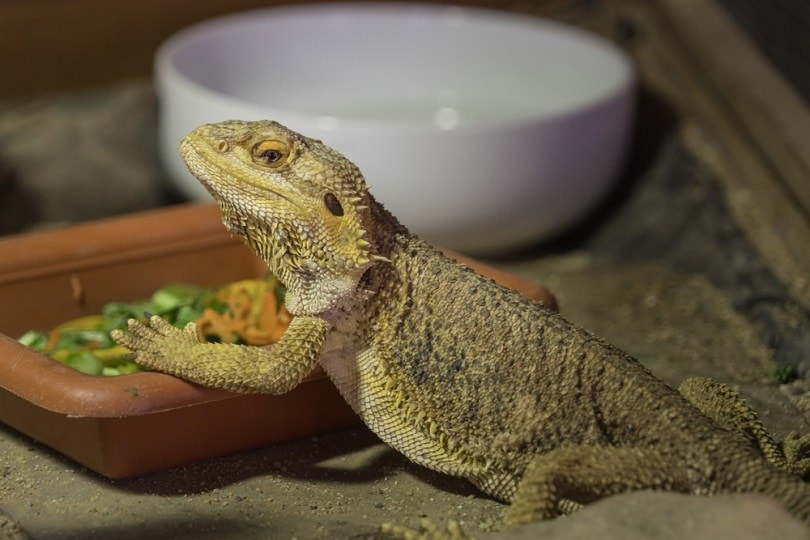
If life's commitments call you away from home for a short span, like several hours or a day, rest easy knowing your bearded dragon can manage on its own. Ensure they have a fresh supply of water and a tidy habitat. These resilient reptiles can cope with brief absences without a hitch.

If your absence is going to be more along the 1-2 days duration, follow the same guidelines. Healthy adults who aren’t overly active typically only eat 2-3 times a week anyway, so leaving them with fresh water and a clean habitat should work just fine. Just be sure to keep your water supply and habitat vegetation well away from your bearded dragon’s heat source as this can create high humidity levels that can cause health issues for your pet.

If you have a juvenile, an overly active adult, or a beardie that’s feeling under the weather, leaving them without food for 2-3 days more than likely won’t do. So, you’ll need to consult your veterinarian and look into a pet sitter or boarding as you would for a long-term absence.

Absences longer than three days necessitate prior arrangements. Without proper care, extended solitude can introduce health issues and undue stress, harmful to their overall wellness.
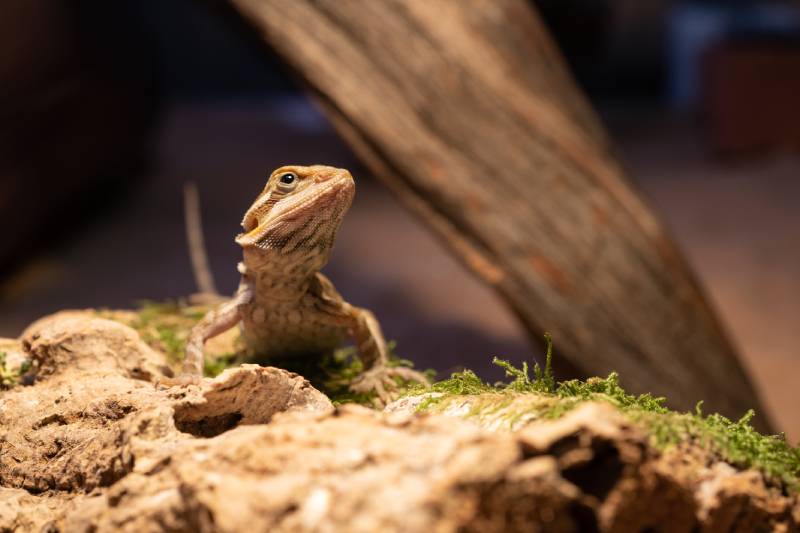
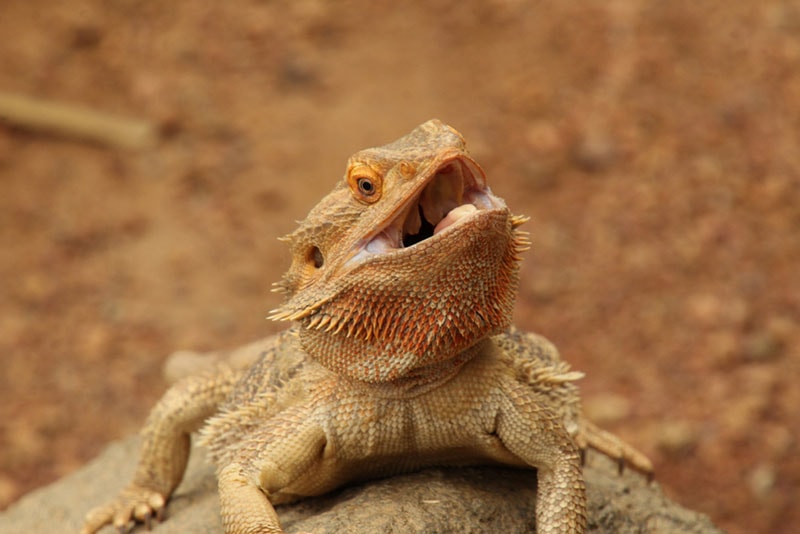
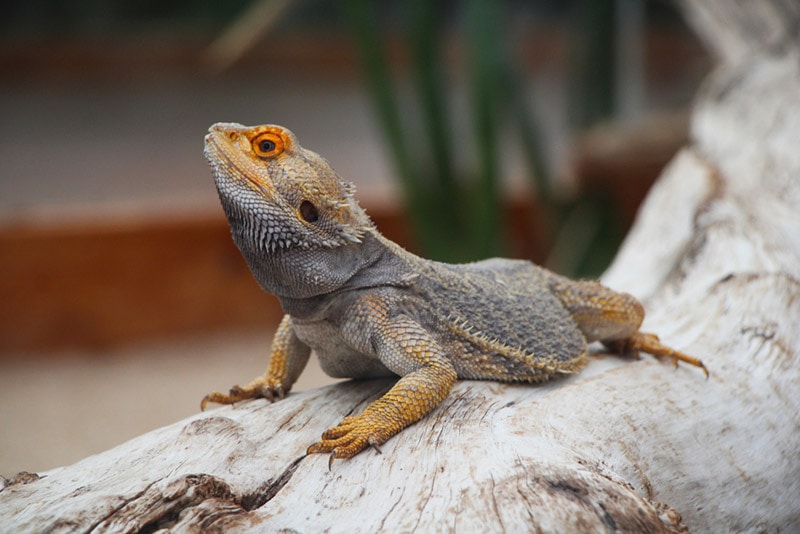
australian bearded dragon lizard
Image Credit by: Tenshi, Shutterstock

Long-Term Leaves:

For extended trips or commitments longer than three days, you might consider hiring a pet sitter. A professional familiar with reptile care can tend to your bearded dragon, ensuring they get the needed food, water, and engagement required.

Alternatively, a reputable pet boarding facility might be the answer. Such facilities, tailored for specific pet needs, offer a safe, comforting environment ensuring your pet is in good hands during your absence. However, depending on where you live, you might not have this option, and leaving their regular home may be stressful for some beardies.

The Risks of Leaving Your Bearded Dragon Alone for Extended Periods

While these creatures are resilient, leaving them alone for this long can lead to severe implications.

Potential Risks:

  • Dehydration: Without a consistent supply of fresh water, your bearded dragon might become dehydrated, which can quickly turn life-threatening.
  • Malnutrition: Even if you leave enough food, it's not guaranteed it will last or remain fresh. Crickets, for instance, can die off, and vegetables can rot, leaving your pet without a viable food source.
  • Unmaintained Environment: Heat lamps can burn out or malfunction, and without proper temperature regulation, your bearded dragon could suffer from cold or heat stress. Moreover, if they defecate in their tank and it's left uncleaned, it can lead to bacterial infections.
  • Emotional Stress: Bearded dragons, contrary to what some might think, can experience severe stress, especially when left in isolation for extended periods.

Signs to Look For Upon Your Return

Upon your return, if you've unfortunately had to leave your bearded dragon alone for an extended period, it's essential to assess their condition promptly. Look for signs like lethargy, sunken eyes (a sign of dehydration), drastic weight loss, or an unclean habitat.

Should You Visit the Vet?

If you notice any unusual behavior or physical signs of distress in your bearded dragon after your return, it's always a good idea to consult with a veterinarian, especially one specializing in reptiles. They can conduct a thorough examination and guide any necessary treatments or interventions.
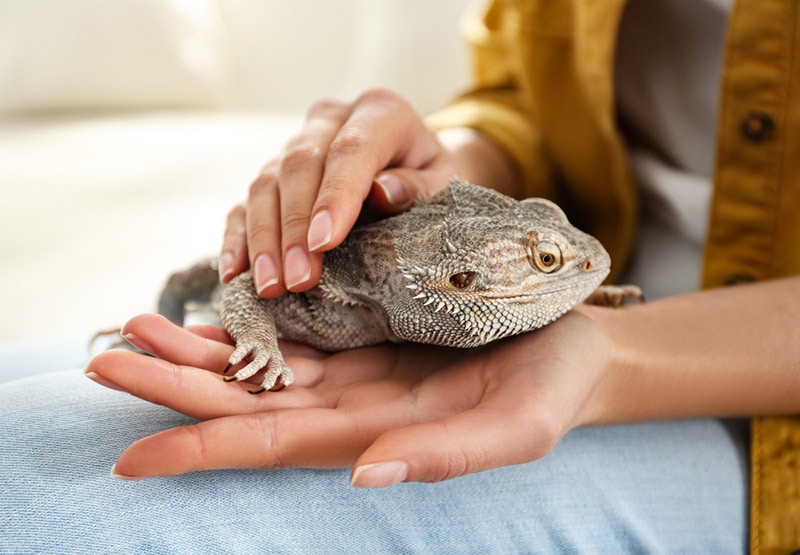
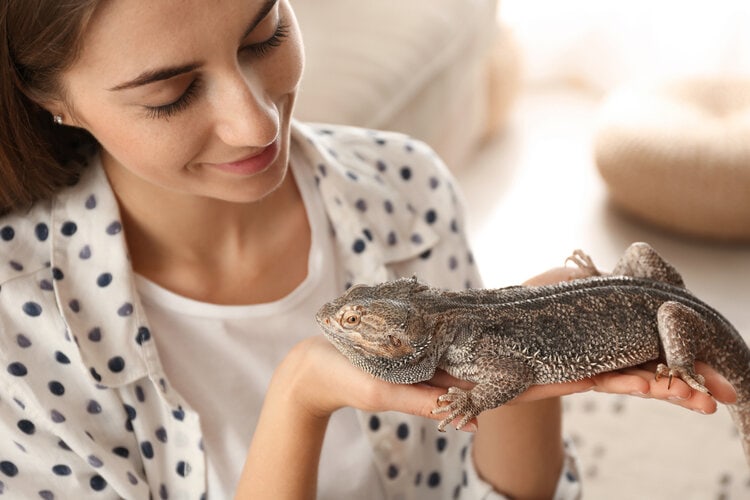
woman handling her bearded dragon
Image Credit: New Africa, Shutterstock

Conclusion

To sum it up, while bearded dragons make delightful pets and are considered lower maintenance, they still demand care and attention. While brief departures pose minimal issues, preparations for longer absences are crucial. Whether you choose a pet sitter or a boarding facility, ensuring your pet’s welfare is essential. A nourishing diet, a clean habitat, and regular engagement are pivotal for their health. Adhering to these measures guarantees a joyful, flourishing life for your pet.

Sources

Featured Image Credit: Filmbildfabrik, Shutterstock

Get Hepper In Your Inbox

Pet care tips from our vets and experts, straight to your inbox.

List

Select all that apply.

You may opt-out at any time. View our Privacy Policy for more information.

Melody Russell
Authored by

Melody Russell

Join the conversation

Ask a question, share your story, or send private feedback.
Rate this post
Required to post. Only our editors see your rating.
Who should see this?

A human reviews every comment before it appears. Your email is never published.

Picked to go with this article

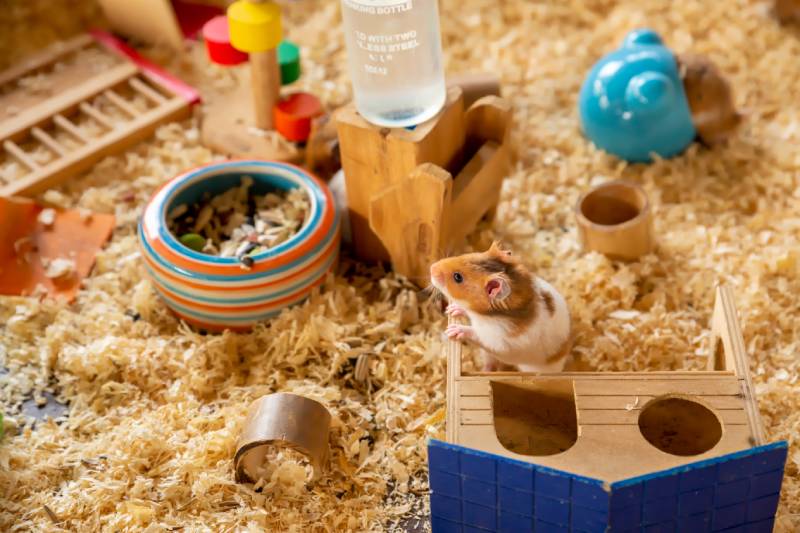
How Long Can You Leave a Hamster Alone? Vet-Verified Care Tips

How Long Can You Leave a Hamster Alone? Vet-Verified Care Tips

Just because you have a hamster at home doesn’t mean you can’t get away from time to time. But before you take your next trip, you need to know exactly how lon…

Adam Mann
By Adam Mann ·
Do Bearded Dragons Get Lonely? Vet-Reviewed Reptile Social Habits

Do Bearded Dragons Get Lonely? Vet-Reviewed Reptile Social Habits

If you're thinking of introducing another bearded dragon into the same enclosure, tread carefully. These creatures have a territorial side. When two of them ar…

Melody Russell
By Melody Russell ·
How Long Can a Bearded Dragon Go Without Eating? Vet-Reviewed Facts

How Long Can a Bearded Dragon Go Without Eating? Vet-Reviewed Facts

Bearded Dragons don’t need to eat all the time like mammals. Instead, they can go 1–2 weeks without eating, especially adults. Because adults aren’t growing, t…

Kristin Hitchcock
By Kristin Hitchcock ·
Bearded Dragon Brumation: What Is It & What To Do (Vet Approved)

Bearded Dragon Brumation: What Is It & What To Do (Vet Approved)

Bearded Dragons are one of the most popular pet lizard species. They are considered good first-time pets and are especially good for first-time lizard owners.…

Nicole Cosgrove
By Nicole Cosgrove ·

Keep reading

More stories you might like

Are Bearded Dragons Good Pets? Vet Reviewed Pros & Cons

Bearded dragons are extremely popular lizards among reptile enthusiasts. They're attractive small- to medium-sized lizards with huge personalities and friendly…

Chantelle Fowler
By Chantelle Fowler ·
Are Bearded Dragons Good Pets? Vet Reviewed Pros & Cons

How to Take Care of a Bearded Dragon: Vet Approved Tips

Bearded dragons make fantastic pets as they are very docile and are considered relatively easy to care for among reptiles. But they’re only easy to care for on…

Chantelle Fowler
By Chantelle Fowler ·
How to Take Care of a Bearded Dragon: Vet Approved Tips

Can Bearded Dragons Eat Oranges? Vet-Approved Diet, Risks & FAQ

Ever pondered about the similarities you might share with your Bearded Dragon? Consider this: If you've ever looked at a juicy orange and thought, "That seems…

Melody Russell
By Melody Russell ·
Can Bearded Dragons Eat Oranges? Vet-Approved Diet, Risks & FAQ

Do Bearded Dragons Drink Water? Vet Approved Tips to Make Them Consume Fluid

Like every other animal in the world, bearded dragons need water to survive. They get their hydration in two ways: eating foods high in moisture, or drinking w…

Visnja Radosavljevic
By Visnja Radosavljevic ·
Do Bearded Dragons Drink Water? Vet Approved Tips to Make Them Consume Fluid

Why Is My Bearded Dragon Lethargic? 6 Vet-Reviewed Reasons

When most of us think about pet reptiles, we think about bearded dragons because they're among the friendliest and most intelligent reptilian pets. Although th…

Jana Blagojevic
By Jana Blagojevic ·
Why Is My Bearded Dragon Lethargic? 6 Vet-Reviewed Reasons

Does a Bearded Dragon Need Heat at Night? Vet-Reviewed Facts and FAQs

Heat is incredibly important for this popular desert-dwelling reptile. Bearded Dragons rely on heat to survive, and although they should be getting most of the…

Sarah Psaradelis
By Sarah Psaradelis ·
Does a Bearded Dragon Need Heat at Night? Vet-Reviewed Facts and FAQs

Are Bearded Dragons Nocturnal? Sleep Cycles, Habits & Care Tips (Vet Reviewed)

Bearded dragons, often affectionately known as “beardies,” have gained immense popularity as pet over the years. Among the many curiosities that surround these…

Nicole Cosgrove
By Nicole Cosgrove ·
Are Bearded Dragons Nocturnal? Sleep Cycles, Habits & Care Tips (Vet Reviewed)

Do Bearded Dragons Brumate With Their Eyes Open? Vet Reviewed Preparation, Care, & FAQ

Bearded dragons, known scientifically as Pogona spp., are a group of lizards with distinctive “bearded” scales around their throat. We’re not saying they’re th…

Nicole Cosgrove
By Nicole Cosgrove ·
Do Bearded Dragons Brumate With Their Eyes Open? Vet Reviewed Preparation, Care, & FAQ