Hepper is reader-supported. When you buy via links on our site, we may earn an affiliate commission at no cost to you. Learn more.
Why Is My Bearded Dragon Lethargic? 6 Vet-Reviewed Reasons


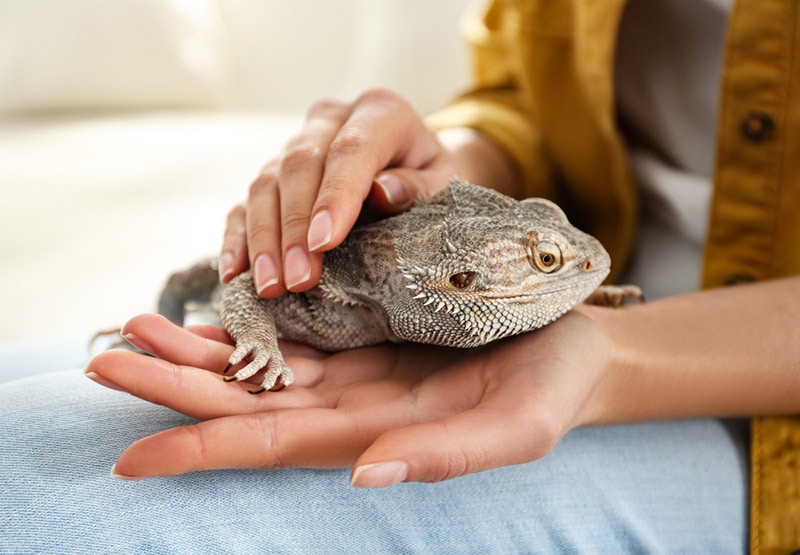
When most of us think about pet reptiles, we think about bearded dragons because they're among the friendliest and most intelligent reptilian pets. Although they are naturally healthy and active, sometimes they can display behavior that can worry a lot of bearded dragon owners, such as sudden lethargy.
Many different factors can cause lethargic behavior in bearded dragons, and the reasons can vary from dehydration to insufficient lighting. Before you start worrying, read our article to find more information about why that is happening.

The 6 Causes of Lethargy In Bearded Dragons
1. Brumation
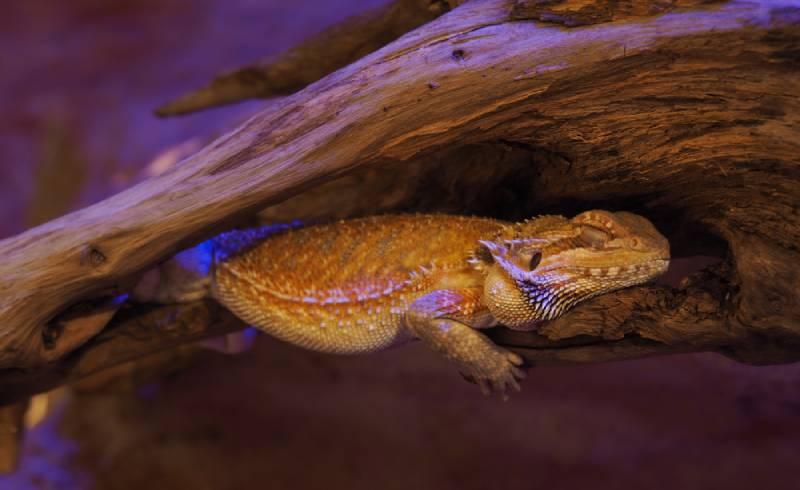
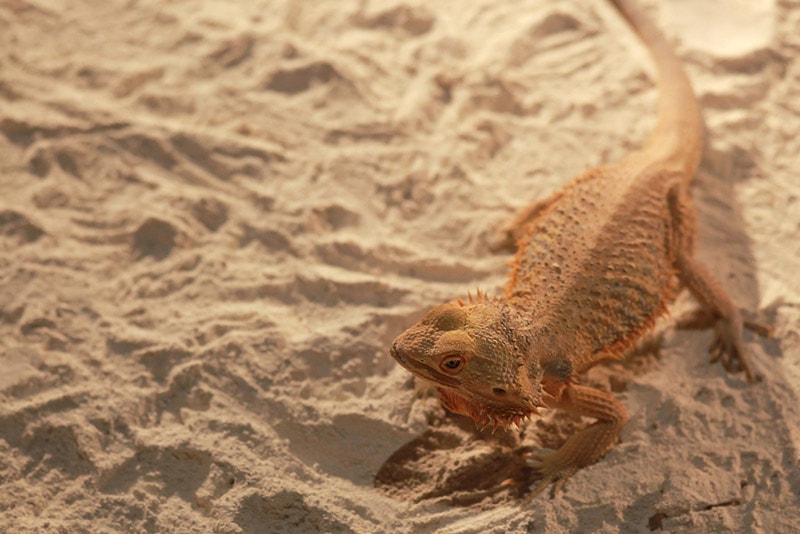
Brumation is a hibernation-like state that happens with all cold-blooded animals. As in the wild, bearded dragons that live in captivity often display a lot of instinctual behavior that they would use to survive in the wild. Brumation is an example of a survival mechanism that they developed to cope with the colder weather in their environments. It is a state in which reptiles lower their body temperature, heart rate, and breathing. In the wild, they may dig a hole in the ground or find a spot in rocks where they are safe and away from predators. They would stay there for most of the winter and only come out if the sun is up to bask.
Depending on the weather, this behavior can happen at any time of the year but most commonly occurs in winter. It can last from a few weeks to a few months if it's a long winter.
During this time, bearded dragons often display symptoms of lethargy, but don't worry—this is totally normal behavior.
2. Insufficient Lighting
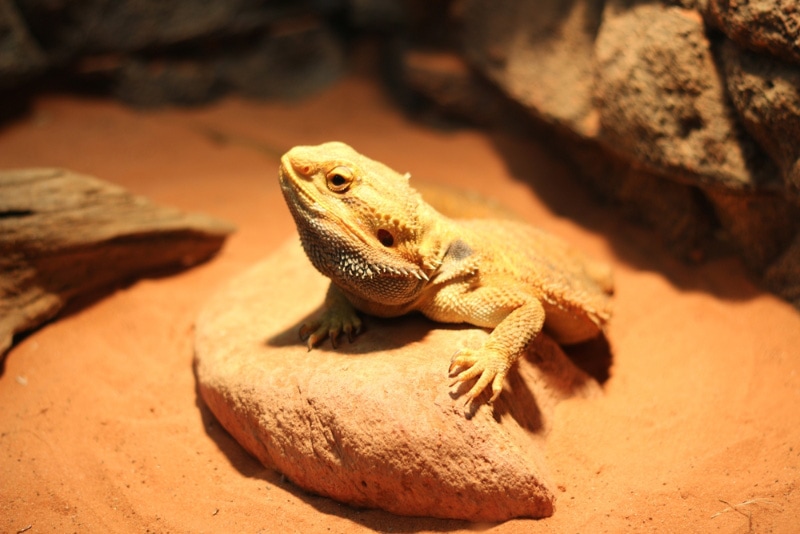
Lighting is a crucial part of keeping your bearded dragon happy and healthy. With bad lighting, your bearded dragon can easily get lethargic and sick. Your beardie needs a UVB light that mimics the UVB/UVA radiation they get by basking in the sun. This type of lighting is essential for reptiles that live in deserts, like bearded dragons, because their metabolic system is made to function with the large amount of sunlight they would get by living there. A proper UVB light helps your bearded dragon metabolize vitamin D3 and calcium, which is very important, especially for young beardies still developing their bone structure. Also, it helps with the digestion of the food that they eat.
3. Low Temperatures
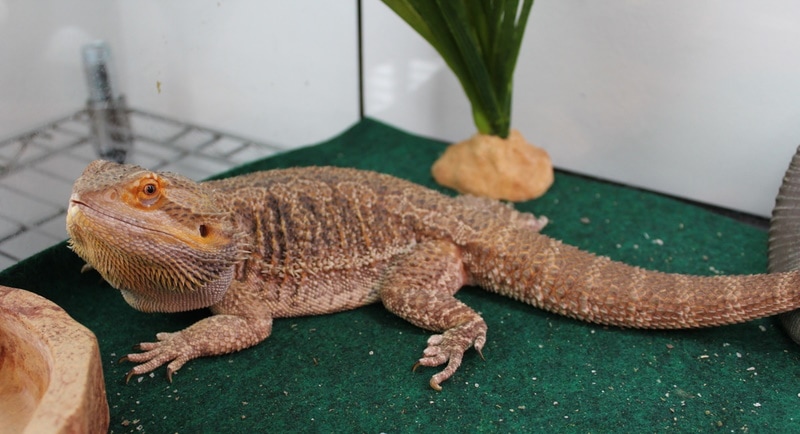
A similar thing goes for the heat level of your bearded dragon's enclosure. They live in warmer areas in the wild, so they need their tank to resemble their natural environment. Low heat can affect your beardie's health because of its impact on their metabolism and digestion. Bearded dragons require an environment with multiple temperatures. Their moderate ambient temperature is 77–89.6°F (25–32°C), but they also need a hot basking area with a higher temperature of 95–100.4°F (35–38°C) and a cool nighttime area with a temperature range of 71.6–77°F (22–25°C).
It would be best if you got a basking bulb for the heating source that should also be available at your local pet store. You should avoid using rocks or other terrarium accessories with their own heat source because your beardie can hurt or burn themself. Ensure you always have a small thermometer to monitor the temperature in your bearded dragon's enclosure.
4. Diet and Hydration
Good diet and hydration are crucial for your bearded dragon's health, so a lack of these can also cause lethargy. Bearded dragons are omnivores, meaning they eat meat and also plants. Their diet should be based on the following:
- Insects (Crickets, dubia roaches, and different types of worms)
- Vegetables (Cabbage, cucumber, carrots)
- Non-citrus fruit (Apples, bananas, peaches)
There are differences in feeding adult bearded dragons and young beardies who are still developing. For example, with the young ones, most of their diet should consist of eating insects because of their high protein level, which is vital for growth. With adults, you should have a mixed diet.
Be careful to never overfeed your beardie because they can easily get overweight, and our suggestion is to monitor the time of eating for 15 minutes. After the time passes, take the food insects out of the enclosure.
Remember to supplement your insects before giving them to your bearded dragon because of their high need for vitamins and minerals, especially vitamin D3 and calcium. It's best to find supplements that have all the vitamins and minerals mixed, and before feeding, dust the insect with the powder.
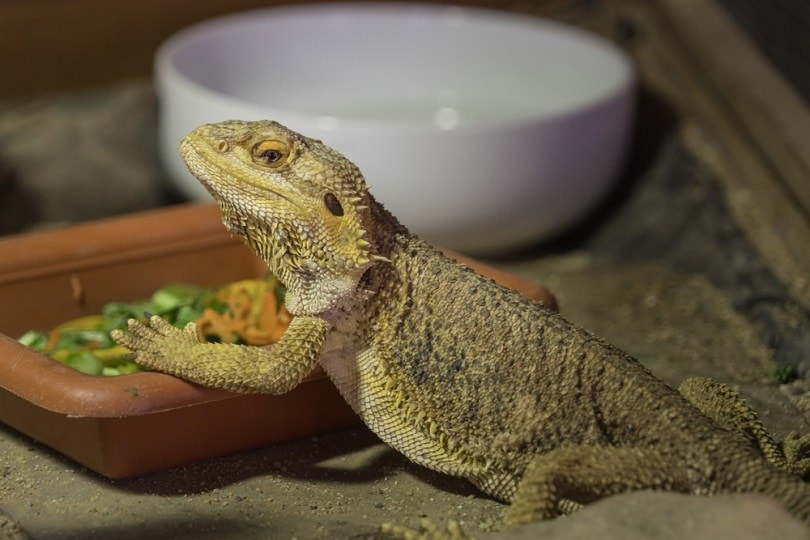
Lastly, they must always have a bowl of clean water in the enclosure.
5. Potential Illness
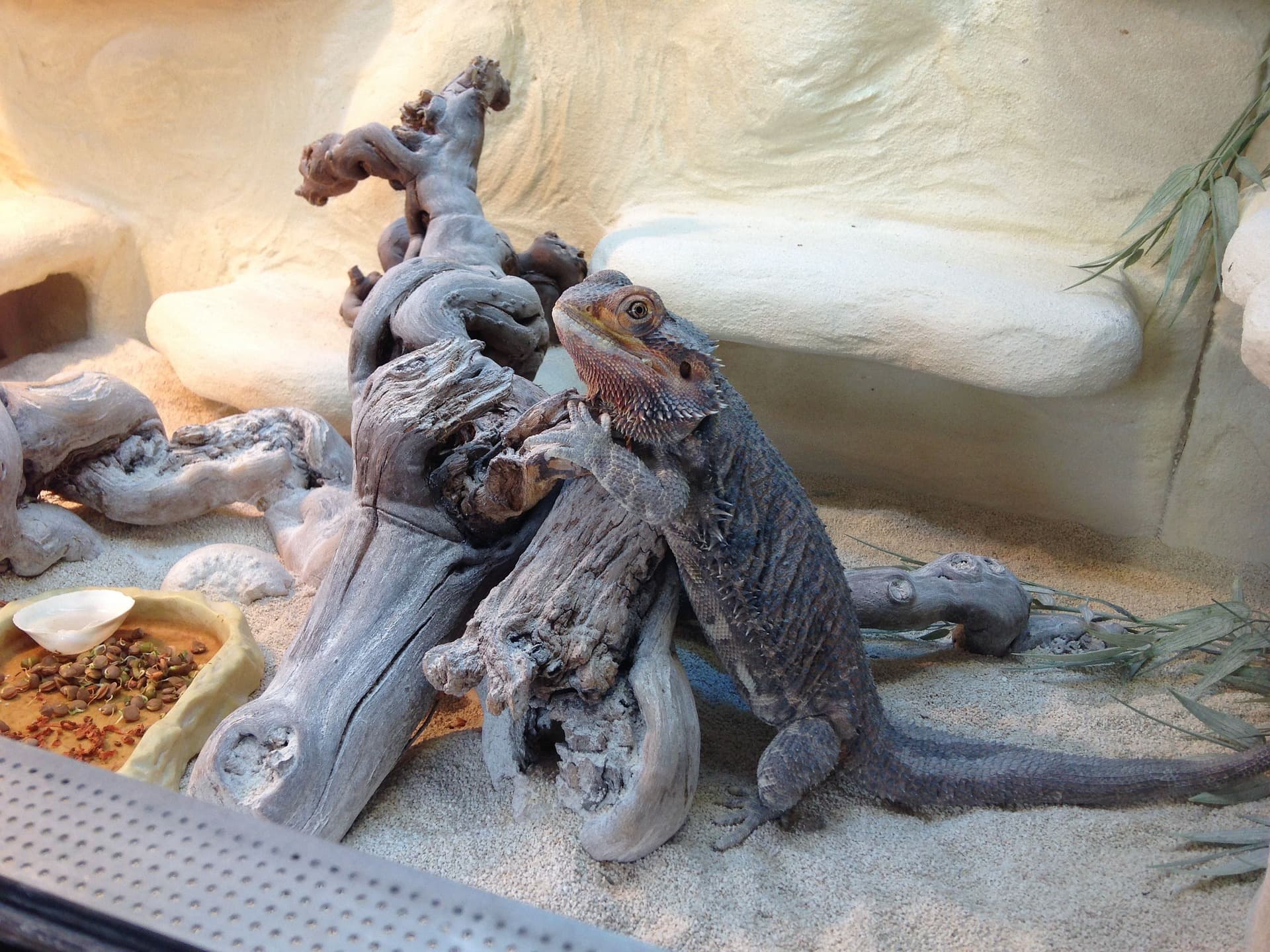
When discussing illnesses, the most common one is metabolic bone disease. It's a known cause of the lethargy in bearded dragons. The causes of this disease are nutritional deficiencies, mostly a lack of calcium and vitamin D3. Signs of this disease are:
- Lethargy
- Bad posture
- Swelling of the face
- Deformities
- Trembling limbs
This disease can have a fatal ending, so you should contact your veterinarian immediately if you see these signs in your bearded dragon.
Lethargy is also commonly caused by parasites, especially in bearded dragons bought from pet stores, where a lot of them are housed together. We suggest getting your beardie from a reputable breeder. Also, the cause of parasites can be a dirty environment, so remember to clean their enclosure regularly.

6. Stress
When you get your bearded dragon and move them into their new home, they may display lethargic behavior, and that's likely due to stress. Moving can be very stressful for your bearded dragon. Usually, after a week or so, they get used to their new environment and start acting normally again.
Final Thoughts
You want your beardie to live their happiest and healthiest life, and keeping their environment clean is an essential step in maintaining their health. With the proper lighting and temperature combined with a good diet, there is only a small chance of your bearded dragon getting sick. But if after reading our article you still have concerns, you should take your bearded dragon to the vet to see if everything is in order.
Featured Image Credit: New Africa, Shutterstock
Get Hepper In Your Inbox


Pet care tips from our vets and experts, straight to your inbox.
You may opt-out at any time. View our Privacy Policy for more information.
I am a freelance writer with a restless and adventurous spirit. After graduating from the College of Fine Arts, I began searching for a medium to express my imagination. Content writing is a passion that took me by storm. When I am away from my peaceful writing nook, I work as a sculptor, painter, and woodworker in my workshop. I plan to continue nurturing my passion for writing and use it as a vessel for my neverending creativity.
Join the conversation
Ask a question, share your story, or send private feedback.