Hepper is reader-supported. When you buy via links on our site, we may earn an affiliate commission at no cost to you. Learn more.
Do Bearded Dragons Drink Water? Vet Approved Tips to Make Them Consume Fluid


In this article
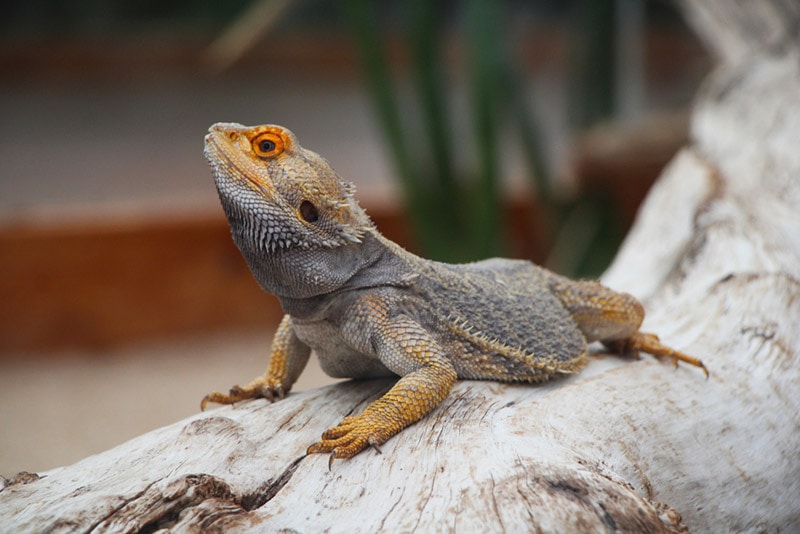
Like every other animal in the world, bearded dragons need water to survive. They get their hydration in two ways: eating foods high in moisture, or drinking water.
However, at times, your pet beardies may stop drinking their water, which is why it’s our responsibility as pet owners to ensure that they’re staying hydrated. If your beardie is not consuming fluids, you should have them examined by your veterinarian. In addition, you may need to help them out by misting them, offering foods high in moisture, or giving your bearded dragon a bath!
Read on to learn more about bearded dragons' water requirements, how to recognize dehydration in your beardie, and how to help them consume fluids.

Do Bearded Dragons Drink Water?
Any type of reptile, including bearded dragons, needs a source of fresh drinking water. In the wild, bearded dragons get their hydration mostly from the food they eat, because they live in dry, arid regions. However, it's best to always provide a source of clean drinking water that your bearded dragon can freely drink from whenever necessary.
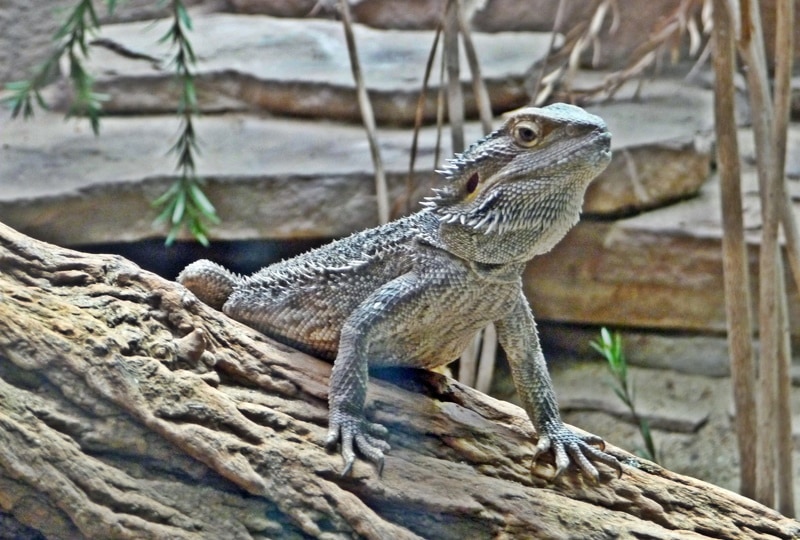
Why Do Bearded Dragons Need Water?
Like all living things, bearded dragons need water in order to survive. Though several metabolic processes in the body do produce water, the overall metabolic processes of bearded dragons that are not in brumation results in a net loss of water, meaning they need to acquire water from their diet to ensure they do not end up dehydrated. In addition, many metabolic processes cannot occur normally in the absence of water. Therefore, despite originating from an arid environment, your bearded dragon does indeed need water for survival.
Here’s a list of some of the reasons that bearded dragons need water:
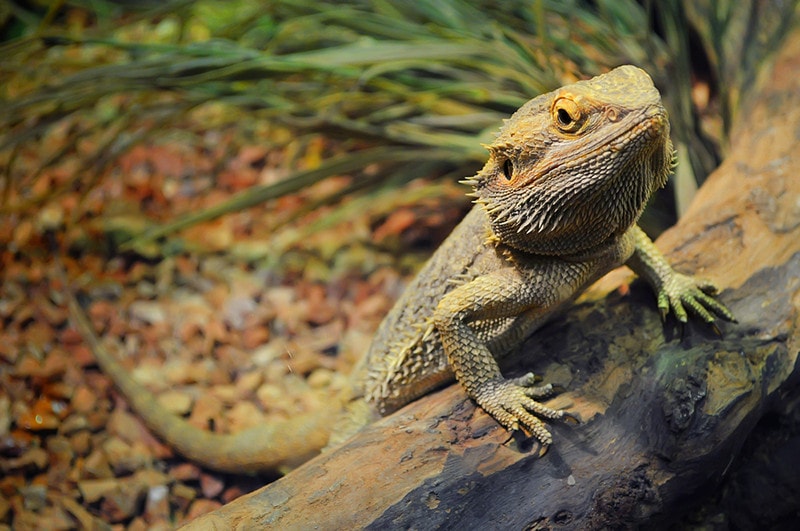
Is My Bearded Dragon Drinking Enough Water?
Your bearded dragon needs to consume enough water to remain healthy and hydrated.
If you notice that your bearded dragon hasn’t been drinking from their water bowl in a while, it could mean they’re not consuming enough water. With insufficient water, your beardie could easily become dehydrated and potentially develop various health problems.
That’s why you should learn to recognize dehydration in bearded dragons and help your beardie start drinking water again.
Dehydration in Bearded Dragons
If your bearded dragon isn’t consuming enough water, they will likely experience dehydration. Most of the time, dehydrated bearded dragons appear lethargic and weak and become easily irritable.
Here’s a list of other common dehydration signs in bearded dragons:
- Sleepy, sunken eyes
- Tiredness
- Lethargy
- Wrinkles on the body
- Lack of appetite
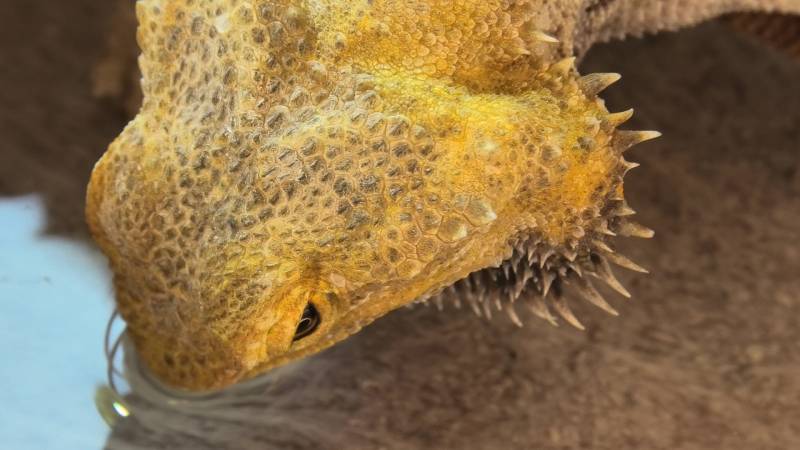
- Slime threads coming from their mouth
- A darker beard (more noticeable in males), indicative of stress
- Behavioral changes
Any of these signs in your beardie indicate that you need to seek veterinary care for your pet. In addition, you will need to increase their water intake and provide more water and watery foods that your beardie can consume.
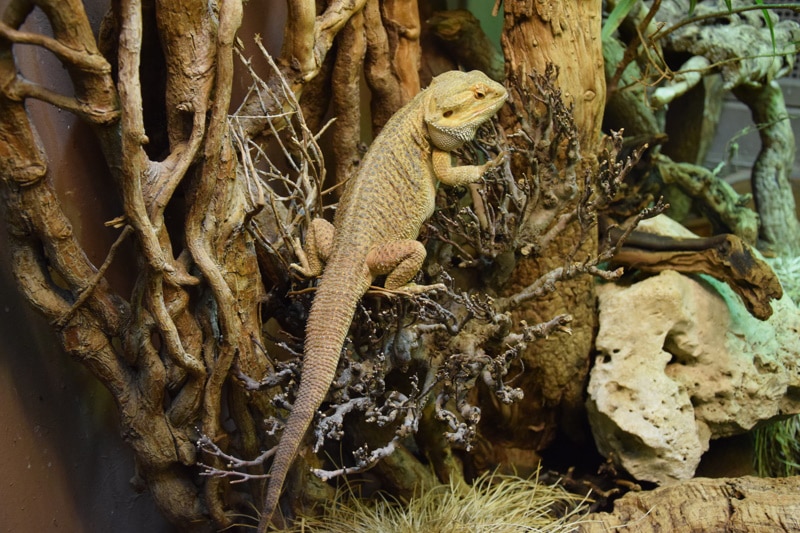
How to Make Your Bearded Dragon Consume Fluids
If your beardie is showing signs of dehydration, it’s essential to help them rehydrate. But how can you make your bearded dragon consume fluids?
There are several ways to hydrate your beardie; the most common ones are water misting and giving them a bath. In cases where the beardies just won’t drink, it is advised to seek veterinary advice promptly.
Water Misting
In the wild, bearded dragons mainly drink water during rain, which is why you can try water misting your beardie to help them activate their drinking instinct. You can use a spray bottle to lightly spray your bearded dragon’s enclosure walls to promote drinking; the sight of trickling water often encourages many bearded dragons to drink.
This action may help your bearded dragon realize that the water bowl is there, and therefore, promote more frequent drinking. Remember to spray the area only lightly to avoid increasing the humidity inside the vivarium/terrarium too much.
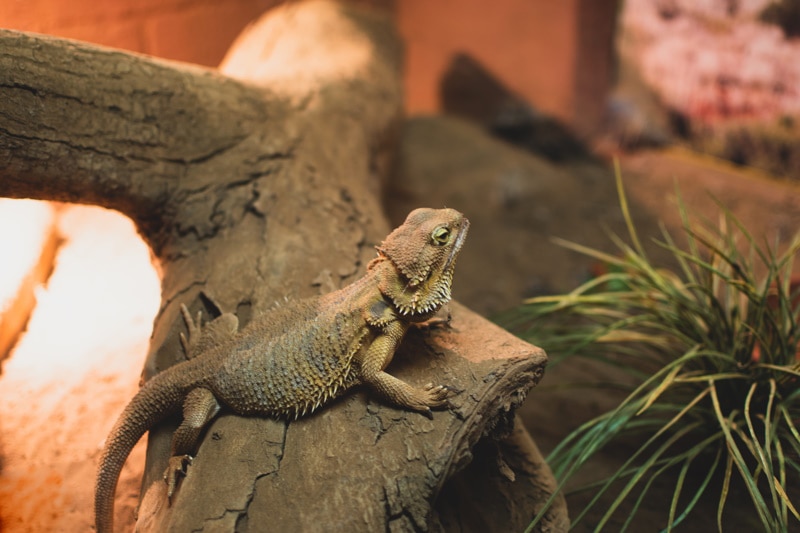
Offer Foods High in Moisture
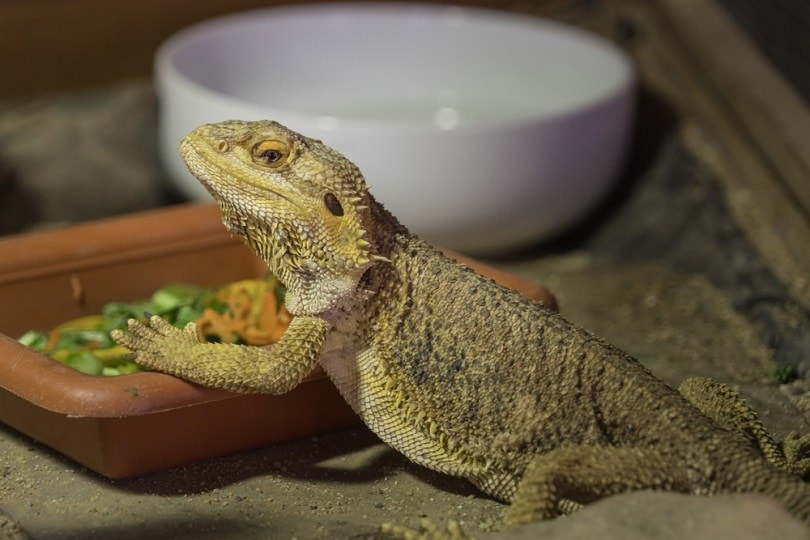
Your beardie might benefit from some foods that are high in moisture. These include the following:
- Cucumbers
- Celery
- Watermelon
- Grapes
Though these foods are high in water content, you should still only offer them in moderation to assist with hydration. Excess consumption of these foods may lead to digestive distress. These foods should only comprise about 5-10% of your dragon's diet and should only be offered on days when you suspect they need additional hydration.
Soaking Your Beardie
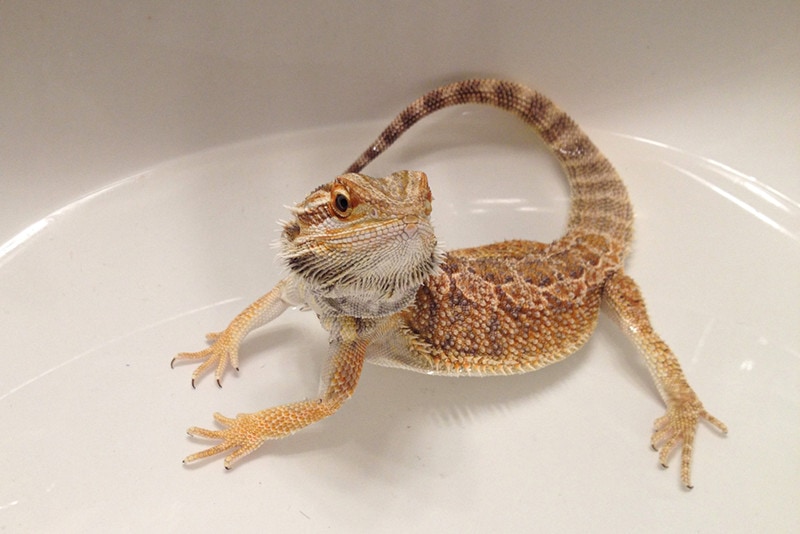
Some bearded dragons may drink water when they're given a bath. Many pet bearded dragons often enjoy drinking their water this way. It is important to note that giving your bearded dragon a bath isn't a guarantee that they'll receive hydration.
Baths offer hydration only when they encourage your pet to drink water during the process itself. Though bearded dragons can absorb some water through their skin while they are in a water bath, it is not enough to offer adequate hydration and not a substitute for water consumption.
Soak Insects In Water
Your Bearded Dragon can be offered additional hydration if you drop their insects into their water bowl during feeding time. Your pet will inadvertently drink as they eat the insects.
Use a Dropper or Syringe
If you know how to use a dropper or medical syringe, you can feed your bearded dragon water directly. This should only be done if you're comfortable doing so and if you're confident in handling your pet dragon. If you're not confident with this method, you may ask your veterinarian for a demonstration.

Final Thoughts
Bearded dragons need to drink water and receive their hydration by either drinking water or getting hydration from their food.
If your bearded dragon isn't consuming enough water, it is advised to seek veterinary attention promptly. In addition, you may also use the tips we've listed to increase their water intake.
See also:
Featured Image Credit: Agung bayu, Shutterstock
Get Hepper In Your Inbox


Pet care tips from our vets and experts, straight to your inbox.
You may opt-out at any time. View our Privacy Policy for more information.
Visnja is a content writer that covers various topics such as DIY, pets, home improvement, travel, gardening, and more.
She is a young mom and a college student, who didn’t have enough time to balance her personal and work life, so after multiple years of working a regular 9 to 5 job, she decided to pursue her passion and make a living out of it. She has been writing for a couple of years, helping people find valuable and interesting information online.
Join the conversation
Ask a question, share your story, or send private feedback.