Hepper is reader-supported. When you buy via links on our site, we may earn an affiliate commission at no cost to you. Learn more.
Do Bearded Dragons Brumate With Their Eyes Open? Vet Reviewed Preparation, Care, & FAQ


In this article
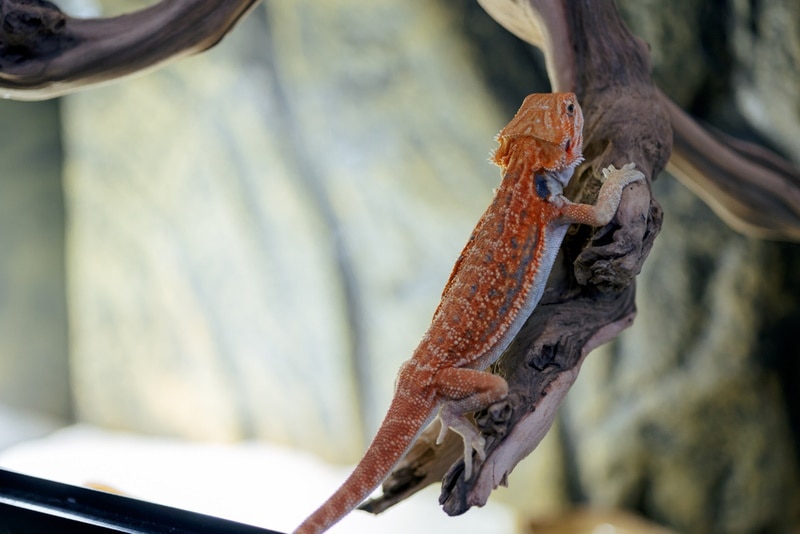
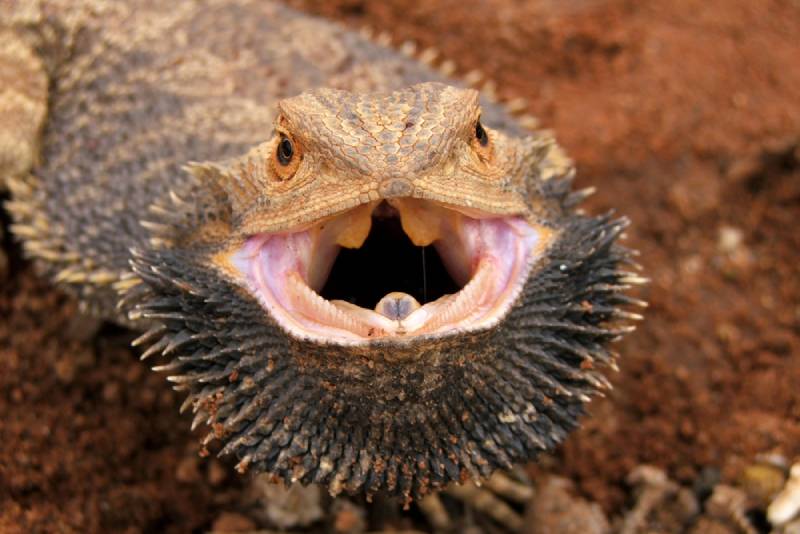
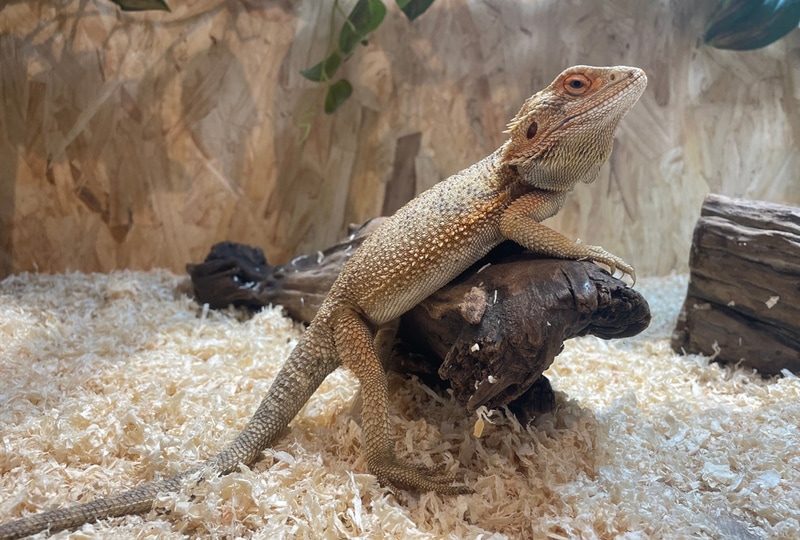
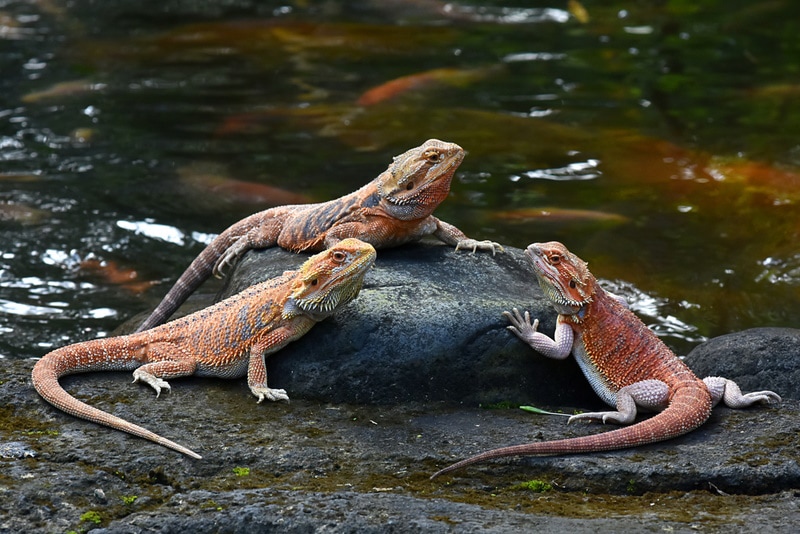
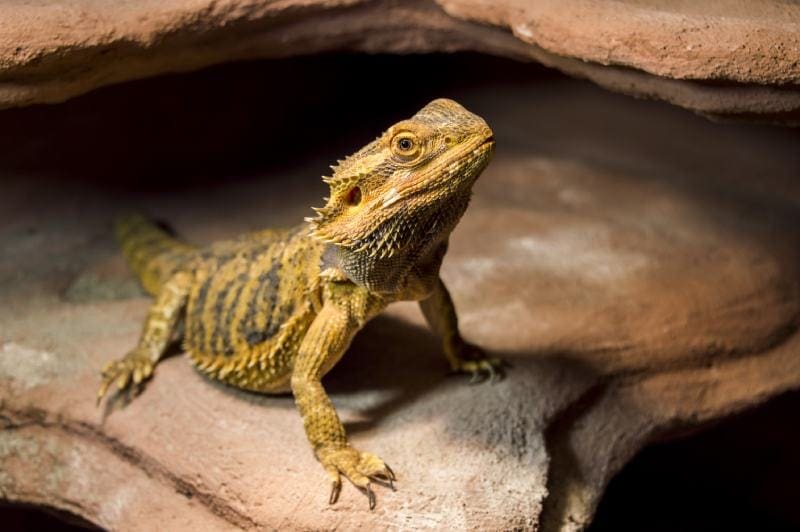
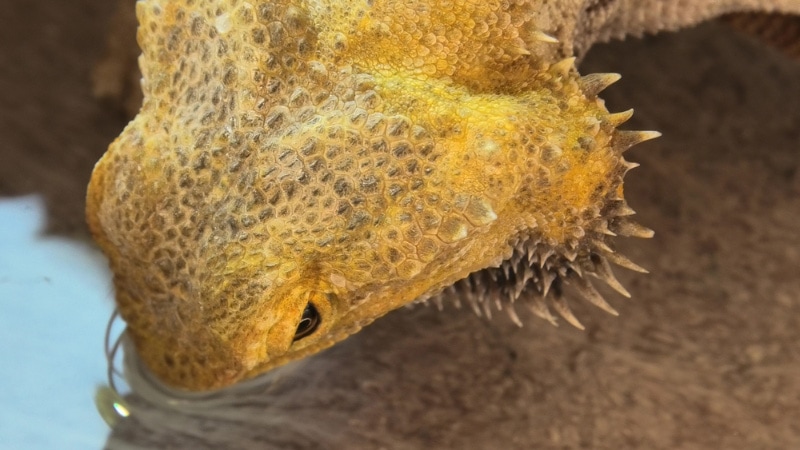
Bearded dragons, known scientifically as Pogona spp., are a group of lizards with distinctive “bearded” scales around their throat. We’re not saying they’re the Santa Claus of the lizard world, but they do have pretty amazing scale beards.
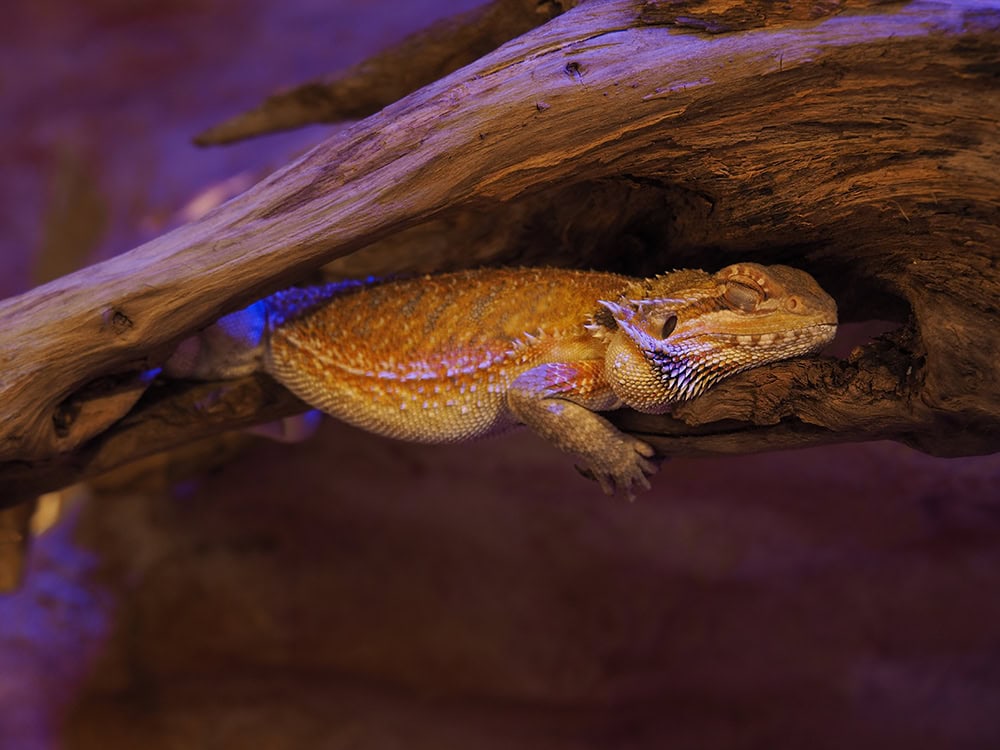
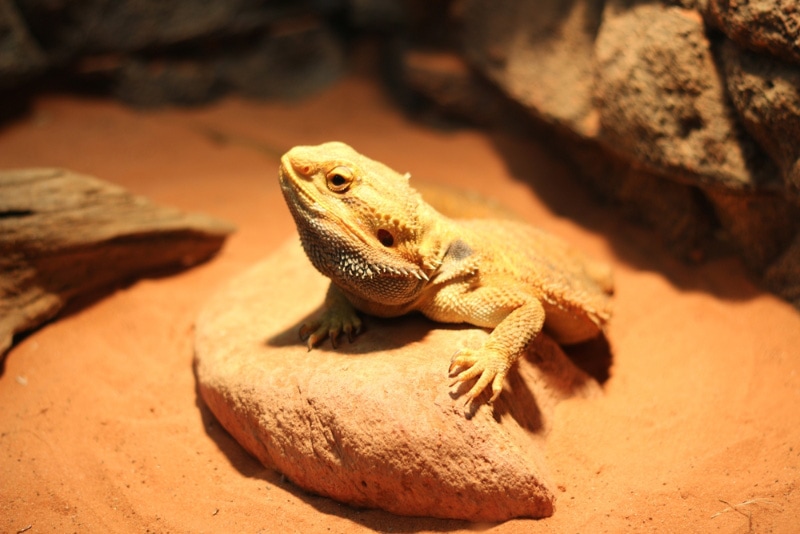
That’s not the only strange but cool behavior they exhibit. They also experience brumation, which is a form of seasonal dormancy commonly seen in reptiles and some amphibians. The big question on many pet owners’ minds is whether bearded dragons brumate with their eyes open or not. The answer is sometimes, bearded dragons may indeed brumate with their eyes partially open. However, it’s not as straightforward as it sounds. Let’s delve into the world of bearded dragons and uncover why this happens.

What Is Brumation?
Brumation is a physiological state in reptiles that is similar to hibernation in mammals. It’s a period of reduced metabolic activity and behavioral dormancy during cooler months. Several factors trigger brumation in bearded dragons, but the most common include a decrease in temperature and daylight hours. This is an instinctual response to winter conditions in their native Australian habitats.
The duration of brumation varies among individual bearded dragons. It can last from a few weeks to several months, depending on environmental conditions, husbandry factors, and the health of the dragon.
Do Bearded Dragons Brumate With Their Eyes Open?
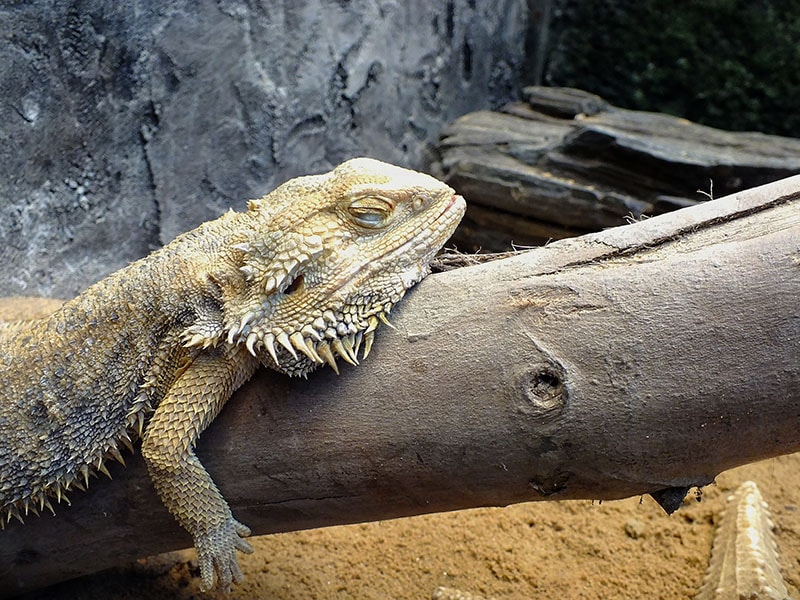
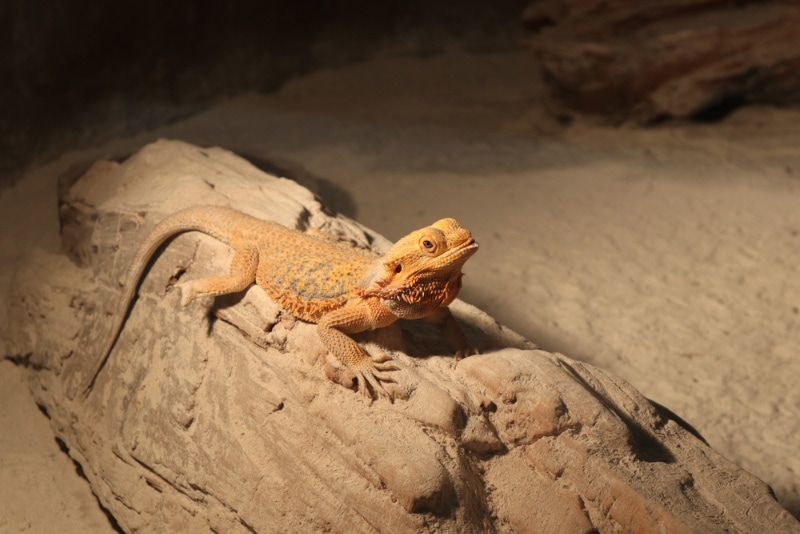
When brumating, bearded dragons may keep their eyes open or closed. It’s a little different for each individual. In both scenarios – eyes open or closed – it’s essential to remember that each bearded dragon is unique. Their behaviors can vary based on their individual physiology, health, and prior environmental exposure. As pet owners, the best we can do is observe, learn, and provide them with the care they need during this period.
Eyes Open During Brumation
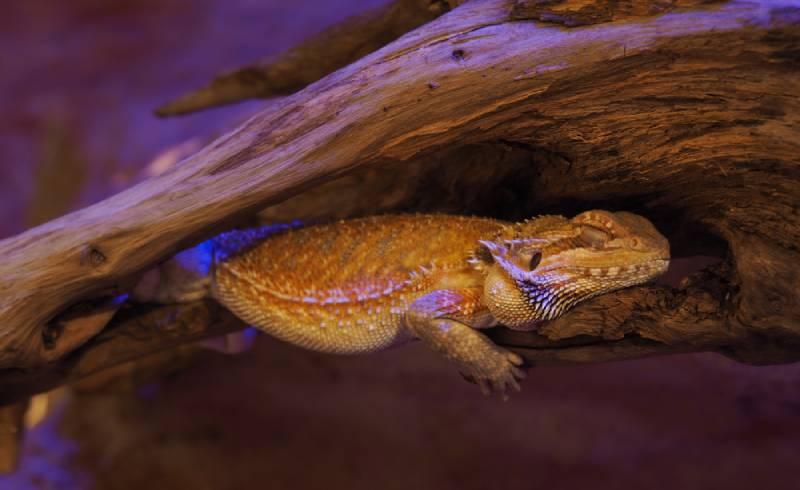
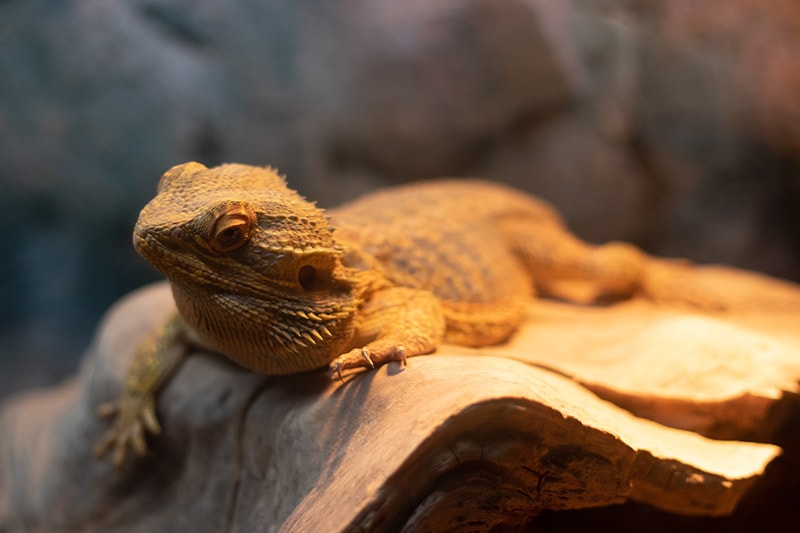
It’s fascinating to observe that some bearded dragons will brumate with their eyes open. This behavior is not fully understood, but it’s believed to be linked to a protective reflex. Even in a state of dormancy, these creatures retain partial sensory awareness of their environment.
Being cold-blooded creatures, bearded dragons rely heavily on external factors for their body processes. When in brumation, their metabolic rate significantly slows down, but this doesn’t mean they’re entirely unconscious or unresponsive. Having their eyes open could serve as a protective measure, allowing them to respond to significant disturbances if needed.
This eye-open brumation can happen intermittently. The dragon might close its eyes at times and open them at others. It's also important to note that an "eye-open" brumating dragon won't be as responsive or active as they are in their normal state. They might seem awake, but they're still in a state of decreased physiological activity.
Eyes Closed During Brumation
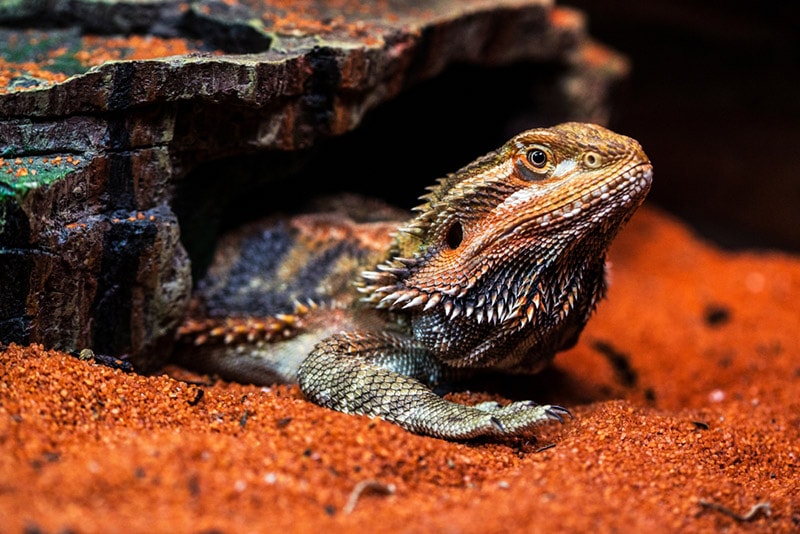
On the other hand, it's more common to see bearded dragons brumate with their eyes closed. When they choose to do this, it's often accompanied by burrowing or hiding themselves away in a secluded spot in their enclosure. This behavior is akin to the way many animals hibernate, seeking shelter from the harsh conditions of winter.
Closing their eyes while brumating allows bearded dragons to reduce visual stimulation and enter a deeper state of metabolic suppression. This helps them conserve energy and support the internal physiological processes occurring during brumation.
The cozy hiding spot they seek is often dark and quiet, mimicking the burrows they would typically use in the wild. This provides them with an extra layer of protection and helps them feel more secure during this vulnerable period.
Preparing Your Bearded Dragon for Brumation
Not all bearded dragons will brumate, particularly those kept as pets with artificially regulated environments. However, bearded dragons are more likely to brumate than other pet reptiles. Brumation is a natural process for bearded dragons, but as pet owners, there are steps you can take to ensure they go through this period safely and comfortably.
Health Check-Up
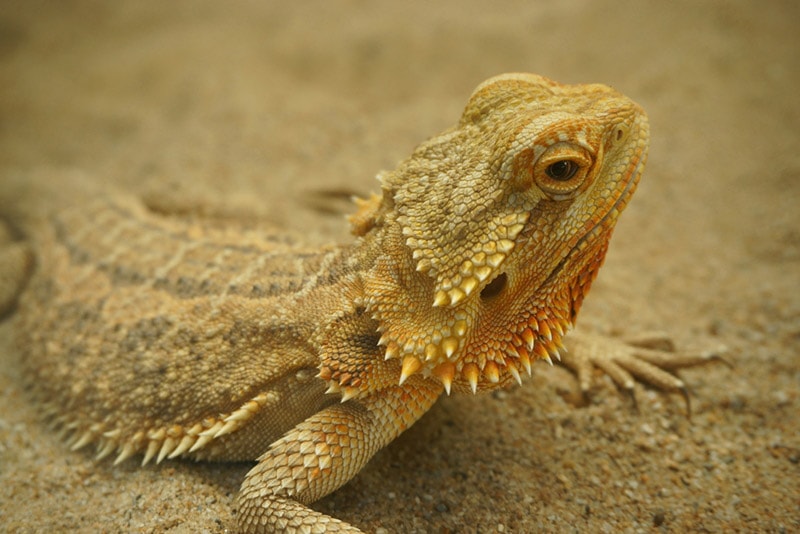
Before your bearded dragon enters brumation, it’s vital to schedule a health check-up with a vet who is experienced in reptile care. This examination should include a thorough physical assessment and ideally a fecal test to check for parasites.
The vet will look for any signs of illness or stress that might make brumation risky. If your bearded dragon is not in good health, brumation could exacerbate their condition. It’s particularly important to ensure that your dragon isn’t carrying a high parasite load, as the decreased metabolic rate during brumation can allow parasites to persist and cause clinical disease.
Create a Comfortable Environment
Setting up a comfortable and safe environment is crucial for successful brumation. This involves several key considerations:
- Hiding Spot: Bearded dragons often like to brumate in hidden spots. Provide caves, boxes, or burrowing substrate to give them a choice of where to settle down.
- Temperature: While it's okay for the temperature to drop slightly during brumation, it's essential to avoid extreme cold. Maintain a temperature gradient in the enclosure, with a cooler end for brumation and a warmer end if they choose to come out of brumation temporarily. A temperature of 65–75°F (18–24°C) is generally recommended during brumation.
- Humidity: Bearded dragons come from arid environments, so it's important not to let the humidity get too high in their enclosure, even during brumation. Excess humidity can lead to respiratory or dermatologic issues.
What to Expect During Brumation
Brumation in bearded dragons can be a somewhat concerning time for owners, especially those experiencing it for the first time. However, understanding what to expect can help ease these concerns.
- Change in Activity Levels: Bearded dragons will become significantly less active during brumation. They might sleep more, move less, and generally seem less responsive.
- Reduced Appetite: You'll likely notice your beardie eating less or even refusing food entirely. This is normal as their metabolism slows down during this period.
- Hiding or Burrowing: Bearded dragons often seek secluded spots in their enclosure to brumate. They may burrow into substrate or hide in caves or other provided shelters.
- Length of Brumation: The length of brumation varies greatly from one individual to another. Some dragons might brumate for a few weeks, while others could brumate for several months.
- Health During Brumation: Your bearded dragon should still appear healthy during brumation. While they'll be less active and eat less, they shouldn't lose significant weight, and their body condition should remain good.
- Temperature and Light: Even though your bearded dragon is brumating, it’s still important to maintain proper temperature gradients while often reducing photoperiod and light intensity. This helps ensure they can properly regulate their body processes, even in a dormant state.
Post-Brumation Care
Coming out of brumation is a gradual process, and your bearded dragon will need time to adjust back to their normal routine.
Gradually Increase Light and Heat
As your bearded dragon starts to show signs of emerging from brumation (becoming more active, showing interest in food), you should gradually increase the light and heat in their enclosure over several days to weeks. This mimics the natural progression of seasons and helps to safely support metabolic recovery.
Monitor Eating Habits
After brumation, it’s normal for bearded dragons to have a reduced appetite. However, they should start showing interest in food within a week or two. Start with easily digestible foods, like leafy greens, before gradually reintroducing insects.
Monitor their eating habits closely. If they don’t start eating again, appear lethargic, or show signs of continued weight loss, it’s crucial to consult a vet, as these could be signs of an underlying health issue.
Other FAQs About Bearded Dragon Brumation
Can I prevent my bearded dragon from brumating?
It’s not recommended as brumation is a natural process. Interfering with or attempting to suppress brumation could cause stress or health issues. It’s also best to avoid disturbing your bearded dragon during brumation unless medically necessary.
Can a bearded dragon die during brumation?
While rare, health issues or improper husbandry can lead to death during brumation, which is why a vet check-up pre-brumation is crucial.
Will my bearded dragon drink during brumation?
Yes, they might wake up intermittently to hydrate, but this varies by individual and environmental conditions. This is often influenced by temperature, light levels, humidity, and how stable the enclosure environment remains during brumation.
Conclusion
Understanding and caring for a brumating bearded dragon can be a challenging task. However, armed with the right knowledge, we can ensure that our scaly friends navigate this period safely. Observing them brumate with their eyes open is just one of the fascinating aspects of some of these wonderful creatures that make them such unique pets.
Featured Image Credit: gitzz, Shutterstock
Get Hepper In Your Inbox


Pet care tips from our vets and experts, straight to your inbox.
You may opt-out at any time. View our Privacy Policy for more information.
Nicole is a lover of animals of all sizes but is especially fascinated with the feline variety. She’s the proud mom of Baby, a Burmese, and works every day so he can relax in the sunshine or by the fire. She’s always had a cat in her home and has spent countless days with others, observing behaviors and softening up even the grouchiest of the lot. Nicole wants to share her kitty expertise with you so you and your cat can live happy, healthy, and care-free.
Join the conversation
Ask a question, share your story, or send private feedback.