Hepper is reader-supported. When you buy via links on our site, we may earn an affiliate commission at no cost to you. Learn more.
How Much Exercise Does a Bichon Frise Need? Vet Reviewed Facts & Safety Tips


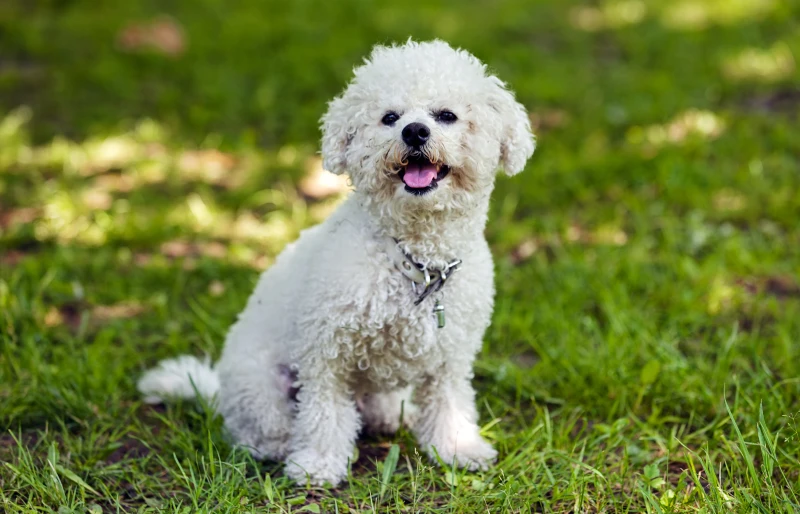
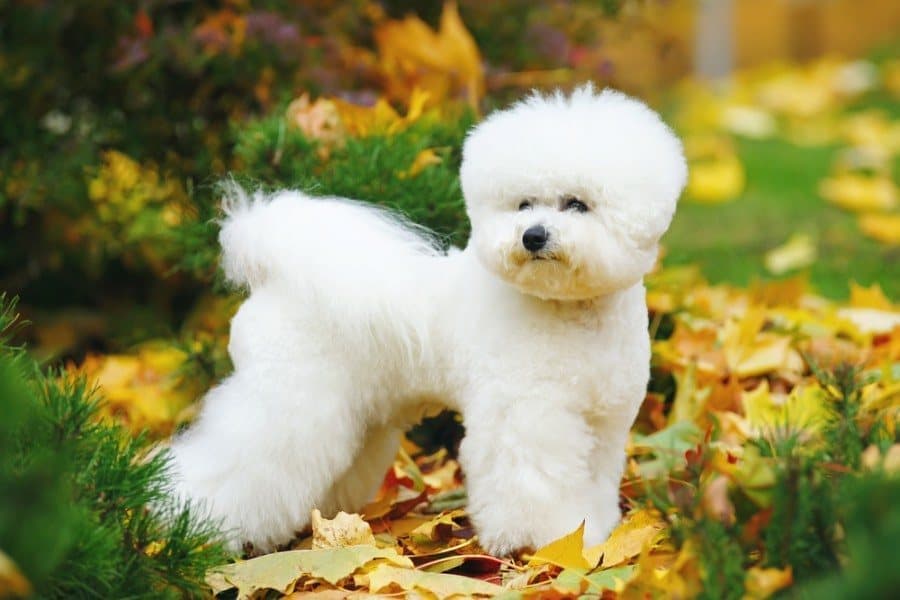
The Bichon Frise is happy, social, and typically more allergy-friendly than many breeds. They are popular pets, easily adapting to various living situations. If you’re considering adding a Bichon to your home, you’re probably wondering what their care requirements are, including how much exercise a Bichon Frise needs. Although they’re playful little dogs, the Bichon Frise only needs 30–60 minutes of moderate daily exercise.
Keep reading to learn what to expect when exercising your Bichon Frise, including some suggestions for activities they may enjoy. We’ll also discuss some inherited health issues that could impact a Bichon’s ability to exercise and safety tips to follow.

Are Bichon Frise Energetic Dogs?
Typically, a Bichon Frise can be energetic but usually in small doses. They are always playful but don’t have the endless energy of other breeds. Their energy level, combined with their small size, keeps their exercise needs relatively low.
Remember that energy levels can vary at certain ages and between individual dogs. Not every Bichon Frise will stick to the script, but overall, the breed is moderately energetic.
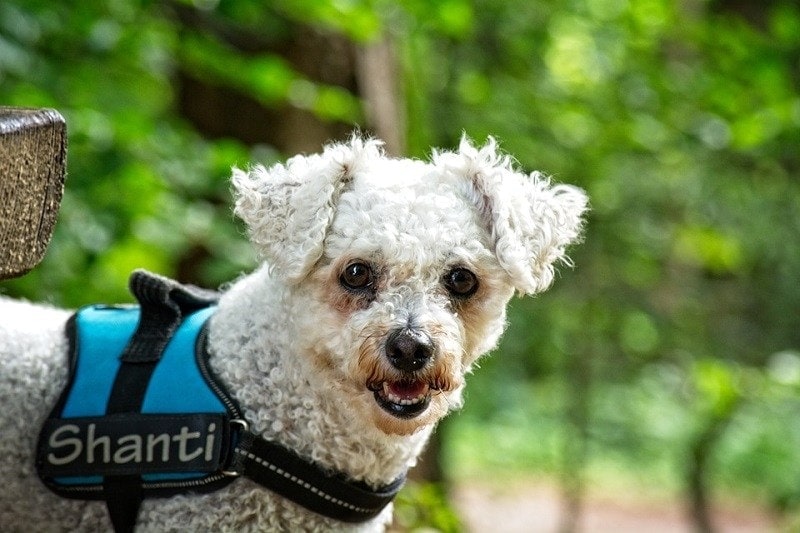
Exercising Your Bichon Frise
As we mentioned, 30-60 minutes of exercise per day is generally enough to keep a Bichon Frise fit and happy. It doesn’t have to be intense exercise either. Walks, running off-leash in a safely fenced area, or indoor games of fetch are all good options for exercising your Bichon Frise.
Because the Bichon Frise is an intelligent breed, they need daily mental, as well as physical, stimulation. Training them to perform tricks or tasks is an excellent way to fulfill both of these needs. Bichon Frise may also enjoy dog sports like agility or obedience competitions.
Safety Tips When Exercising Your Bichon Frise
The Bichon Frise generally tolerates warm and cold temperatures well. However, you should protect your dog from weather extremes during outdoor exercise.
Avoid exercising your dog during the hottest part of the day and protect their feet from scorching asphalt. Snow and ice can also injure a Bichon’s paws, so consider fitting them in booties before walks in cold weather. A coat or sweater can help keep your dog comfortable in rainy, windy, or chilly conditions.
Always keep your Bichon Frise on a leash outside a fenced area. These little dogs are surprisingly speedy, and even the most well-trained dog can get too distracted to respond to a recall command.
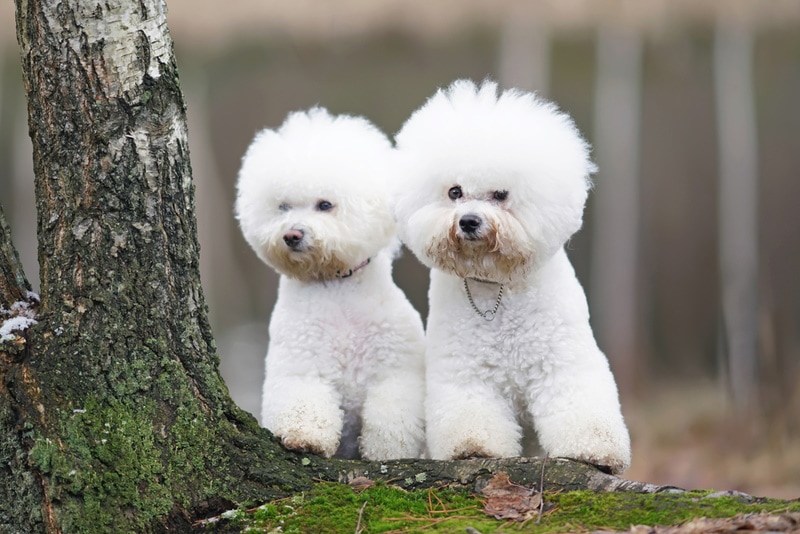
Generally, the Bichon Frise gets along well with other dogs, so puppy play dates may be a good way to exercise them. All dogs are individual though so use caution, especially if your Bichon interacts with larger dogs in a chaotic environment like an off-leash park. When possible, it is usually safer for dogs of a similar size to play together.

Health Issues That May Slow Down Your Bichon Frise
As your Bichon Frise gets older, they may not be able to tolerate as much exercise. Even dogs with joint problems can benefit from regular movement, so talk to your vet about ways to keep your aging Bichon Frise active.
Like many small dogs, the Bichon Frise is prone to an inherited health condition called luxating patella. Dogs with this condition have loose kneecaps prone to sliding out of place. When this happens, dogs will hold up the affected leg and hop/skip until the kneecap moves back into place. The affected dog may also limp or show other signs of pain.
Luxating patella varies in severity, but if your Bichon has this condition, you may notice them limping or having trouble walking. It may impact their ability to play and exercise. Talk to your vet about options to manage luxating patella, including surgery.
Conclusion
The Bichon Frise is suitable for practically any family for many reasons, but their exercise requirements are certainly one of them. If your dog has been inactive for any reason, but you want to start exercising them, check with your vet first to ensure they are healthy. Dogs can suffer exercise-related injuries just like people, so start slowly and help your Bichon get into shape!
Sources
Featured Image Credit By: Vladimir Nenezic, Shutterstock
Get Hepper In Your Inbox


Pet care tips from our vets and experts, straight to your inbox.
You may opt-out at any time. View our Privacy Policy for more information.
A lifelong lover of all creatures great and small, Elizabeth got her first cat at 5 years old and at 14, she started working for her local veterinarian. After spending more than 20 years working as a veterinary nurse, Elizabeth decided to step away to become a stay-at-home parent to her daughter. Now, she is excited to share her knowledge with our pet parents. Elizabeth lives in Iowa with her family, including her two fur kids, Linnard, a husky mix and Algernon, the worldʻs most patient cat. When not writing, she enjoys reading, watching soccer, and spending time outdoors with her family.
Join the conversation
Ask a question, share your story, or send private feedback.