Hepper is reader-supported. When you buy via links on our site, we may earn an affiliate commission at no cost to you. Learn more.
Do Ferrets Shed? Vet-Reviewed Science & Important Care Tips


In this article
Yes, ferrets do shed, just like cats and dogs. They shed heavily about twice a year, usually in the spring and fall. How much light a ferret is exposed to will affect their shedding cycle.
Ferrets kept closer to the equator will shed at different times than those kept further north. Therefore, we can't provide a for-sure answer on when your ferret will shed. However, in most cases, ferrets do shed in the spring and fall.
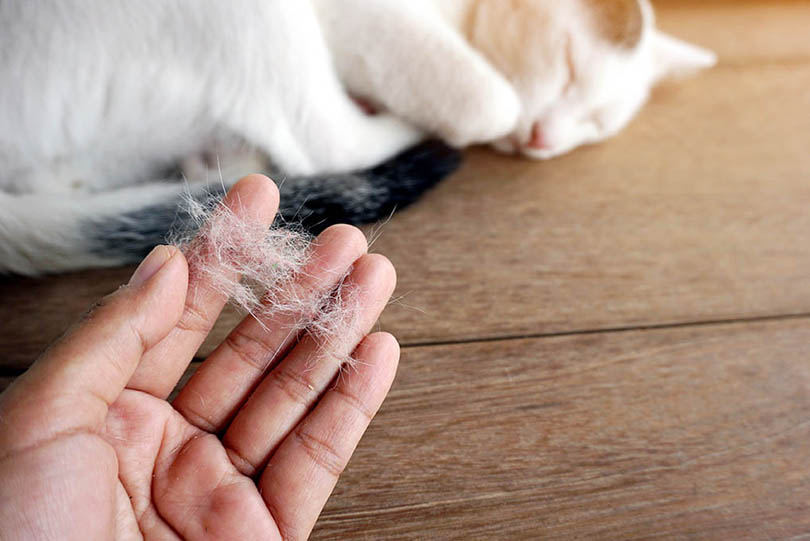
During this time, you may want to groom your ferret more often than you might otherwise. Brushing your ferret helps ensure that your ferret gets rid of their loose fur faster, and it prevents the fur from ending up all over your house.

Do Ferrets Shed a Lot?
Ferrets typically shed a moderate amount. Because they're smaller and have less fur overall, they do not cause quite the mess that larger dogs (or even cats) do. Therefore, they often do well for owners who don't want tons of fur around their house. Nonetheless, their size can be deceptive, as they can produce surprisingly large amounts of fur.
Of course, how much a ferret sheds can vary from animal to animal. There are many factors that go into this, including hormones, genetics, health status, and even diet. How much your ferret sheds may change year to year, too. In some cases, you can do a few things to adjust the amount of shedding. For instance, if your ferret is on a low-quality diet, it may make them shed excessively, and adjusting their diet can help. Similarly, if your ferret has a health condition that is causing excessive shedding, getting it treated can lessen how much they shed.
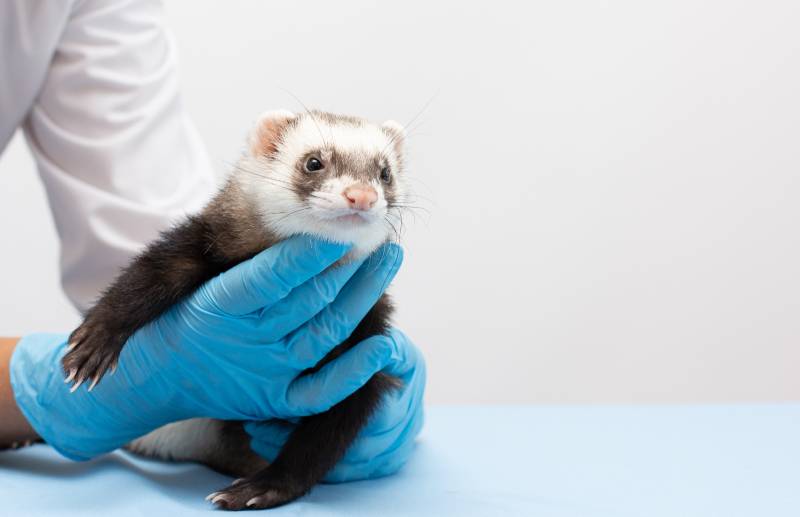
There are several health conditions that can make a ferret shed too much. If your ferret suddenly starts shedding more than usual, you may want to make an appointment with their veterinarian.
Why Is My Ferret Shedding So Badly?
Shedding is natural and helps them stay clean and healthy. Otherwise, their fur would become old and damaged, preventing them from properly insulating and keeping themselves dry.
However, some ferrets can shed excessively. There are several reasons why your ferret may suddenly start shedding more.
- Seasonal Shedding: Ferrets typically shed more during the spring and fall as they transition between their winter and summer coats. This is a natural process and should be expected each year.
- Diet: Ensure your ferret is on a balanced and high-quality diet. Poor nutrition can contribute to excessive shedding. You must ensure that your ferret gets all the nutrients they need to thrive.
- Stress: Sometimes, excessive stress can cause increased shedding. Make sure your ferret is in a comfortable, safe environment and has a quiet place to retreat to when they get stressed. Just like us, ferrets just need a break sometime.
- Health Issues: As we've stated, some health issues can lead to excessive shedding. Anything that messes with a ferret's hormones can also cause increased shedding.
- Grooming: If you don't groom your ferret enough, they may develop coat issues, which in turn can lead to increased shedding. Brushing is important to keep your ferret's coat in tip-top condition.
- Hydration: Hydration is required for skin health, which directly affects coat health. Your ferret needs to have access to fresh water at all times to thrive.
If your ferret suddenly begins shedding excessively, consider if it is spring or fall, when they may shed more naturally. In this case, you must wait the season out and increase the amount of grooming you do. Take note that no matter the time of year, your ferret should never be shedding to the point where you begin to notice patches of missing fur on their body. This is also referred to as alopecia and warrants prompt attention from a veterinarian.
As a general rule, if your ferret begins shedding heavily, you should consider a visit to your vet. It's important to rule out underlying health problems, as these can have effects beyond just shedding. Once your ferret has been given a clean bill of health, you can move on to other causes, like a poor diet or unmet grooming needs.
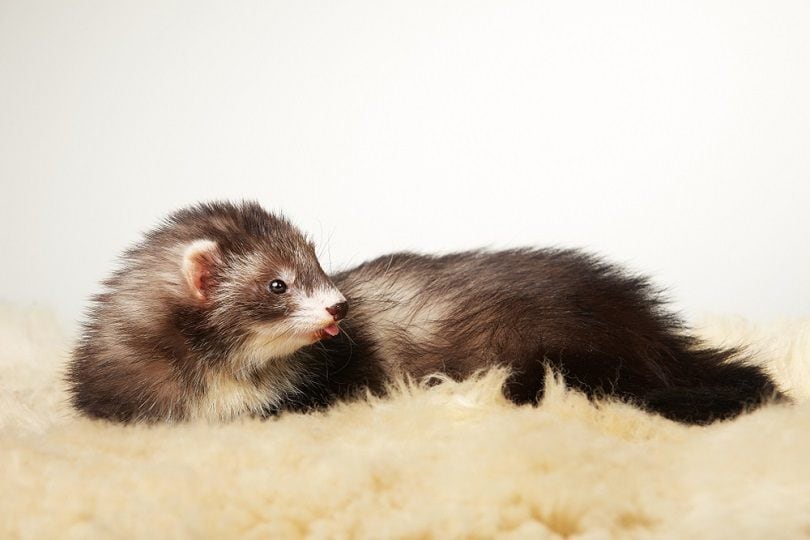
How to Handle a Ferret's Shedding?
If you have a ferret, you'll probably want to take a few steps to control their shedding. Otherwise, they can leave quite a bit of fur around your house, and may even be a bit uncomfortable.
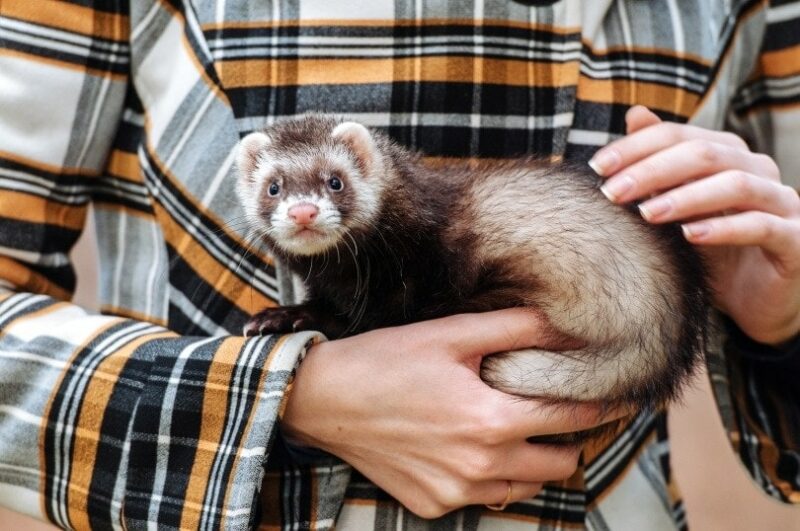
- Grooming. All ferrets must be brushed regularly. Brushing is the best way to control shedding, as it directly removes the fur from your ferret's coat. Use a soft brush or grooming glove to remove as much fur as possible without irritating your ferret's skin.
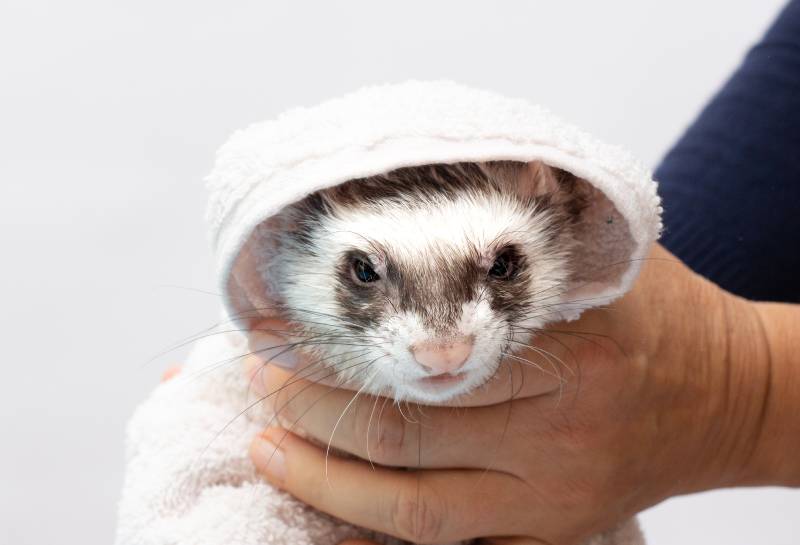
- You can also bathe your ferret occasionally to reduce shedding. However, too much bathing can cause skin irritation and increase shedding. Therefore, only bathe your ferret once every few months.
- Proper Nutrition. Good nutrition is needed to support your ferret's skin and coat. Ensure your ferret is fed a high-quality diet to prevent nutritional deficiencies that can lead to excess shedding.
- You should provide your ferret with a constant source of water. Dehydration can cause skin problems, which leads to excessive shedding.
- Reduce Stress. If your ferret is stressed, consider taking measures to reduce their stress. For instance, you can try providing them with a quiet place to escape from or training them not to be fearful of the other animals in your house. Try not to disturb your pet as they sleep throughout the day, as this can stress their bodies.
- Flea and Parasite Control. Fleas and other skin parasites can cause excessive shedding. Therefore, it's important to treat these parasites as soon as you notice them.
- Check for Health Issues. As we've stated, health issues of all sorts can cause excessive shedding. Therefore, we highly recommend getting your ferret to the vet at least once a year.
- Shedding is a natural process that will be more intense on some occasions than others. It's important to remember that you can't stop the shedding completely. You can only reduce it.
Final Thoughts
All ferrets shed at least a little bit. This natural process helps remove the dead, damaged hair to allow for new fur to grow. Therefore, it is a completely natural process for all ferrets. You should expect all ferrets to shed at least somewhat.
However, excessive shedding can be a sign of an underlying problem. Therefore, it's important that you get your ferret checked out by a vet if they begin shedding heavily outside of the spring or fall.
See Also:
Featured Image Credit: Sergei Avdeev, Shutterstock
Get Hepper In Your Inbox


Pet care tips from our vets and experts, straight to your inbox.
You may opt-out at any time. View our Privacy Policy for more information.
Kristin is passionate about helping pet parents create a fulfilling life with their pets by informing them on the latest scientific research and helping them choose the best products for their pets. She currently resides in Tennessee with four dogs, three cats, two fish, and a lizard, though she has dreams of owning chickens one-day!
Join the conversation
Ask a question, share your story, or send private feedback.