Hepper is reader-supported. When you buy via links on our site, we may earn an affiliate commission at no cost to you. Learn more.
How Often Should I Feed My Cat? Vet-Approved Facts

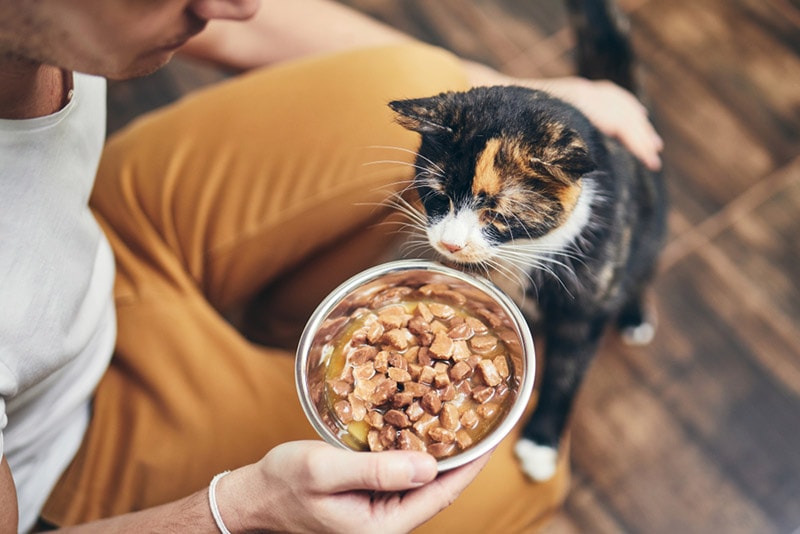
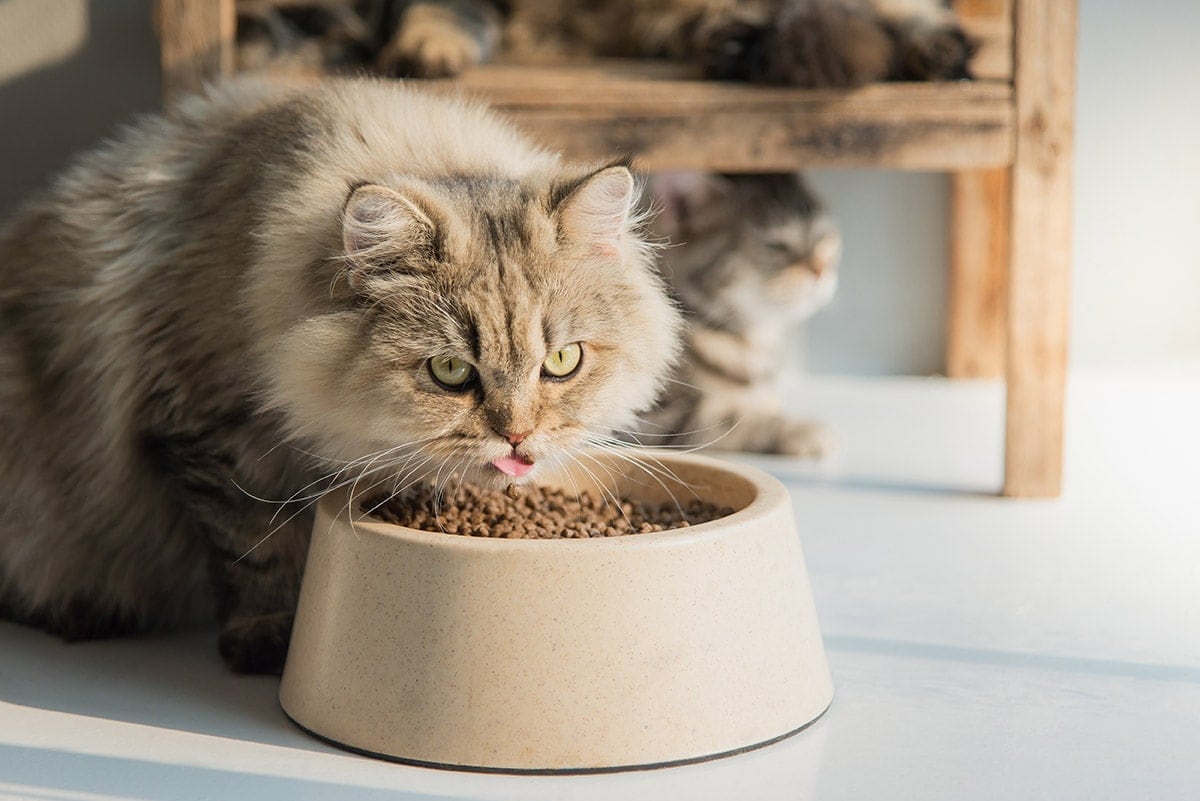
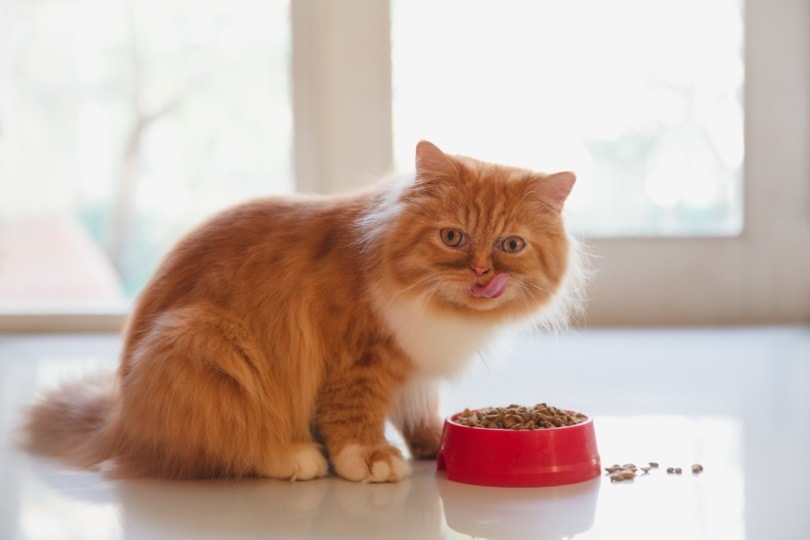
Feeding schedules can be confusing for cat owners. And there is no doubt that there are many factors to consider when feeding a cat. Each cat is an individual. The best schedule for feeding a cat can depend on the particular pet's metabolism and activity level. Are they sedentary and overweight? Or sleek and speedy? A feeding schedule should be tailored to each kitty's specific requirements rather than following a strict rule. For example, some cats may require less frequent meals than others, while others may do well with three meals per day. Some even free feed.
However, some general guidelines can help simplify the decision-making process. You want information, and that is what we are here for! In general, adult cats should be fed two to three times a day, while kittens and senior cats may require more frequent feedings.

Age Matters
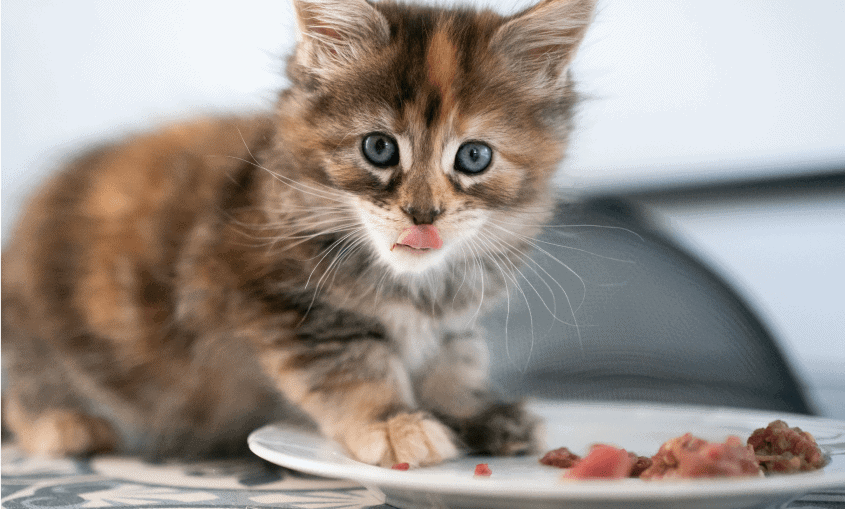
To support their growth, kittens require more nutrition (per pound) than adult cats, so they should be fed more often. This is a time of rapid biological change. They are laying the foundation for their future lives, so four or five meals a day may be necessary for kittens up to 6 months old. In the next 6 months of a cat's life, they will do well if they are fed twice a day. This is still a time of accelerated physical changes. For example, your cat will reach sexual maturity during this phase.
Cats should be fed once or twice a day once they become adults, at around 1 year. Their growth spurt is over, and their metabolism has settled down. In adulthood, this may be an ongoing process of adjustment. You will need to monitor their behavior, weight, and health to work out what works best for you and your kitty. The same feeding regimen of one to two meals a day should be followed by adult cats who are 7 years and older. You may need to adjust quantities at various points in your cat’s life.
It's fine to feed cats once a day once they reach adulthood as long as they're healthy and there are no disease problems that require different feeding habits.

Health Makes a Difference
If your cat has a health issue, this may impact their appetite, making them eat less—or more. If you observe a big change in your cat’s appetite—or if your cat eats a lot more or less than they should for their weight and age: speak to your vet. They may recommend a specific diet and feeding schedule.
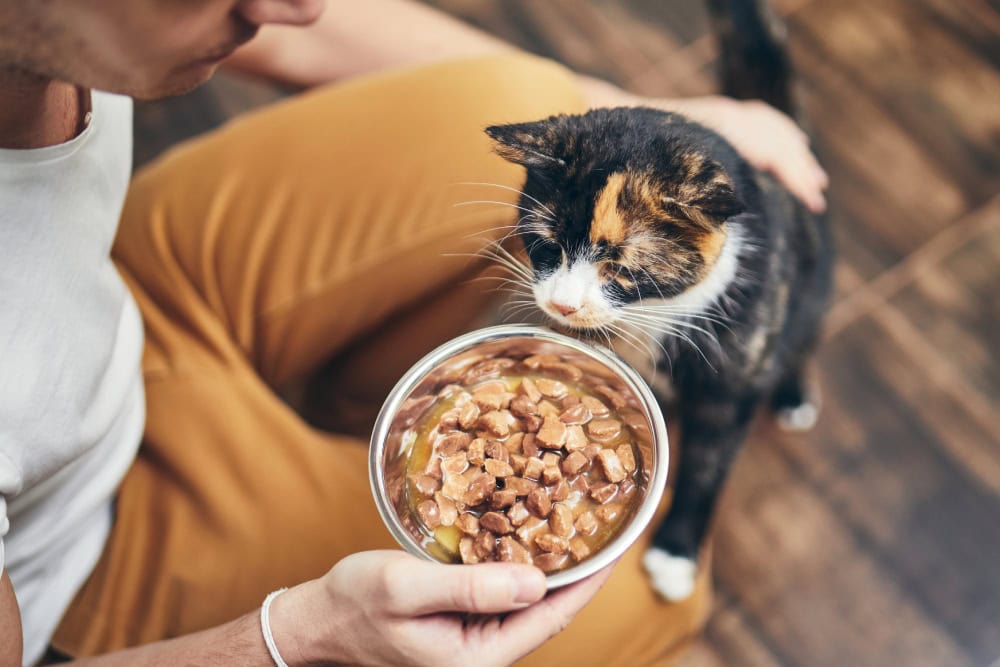
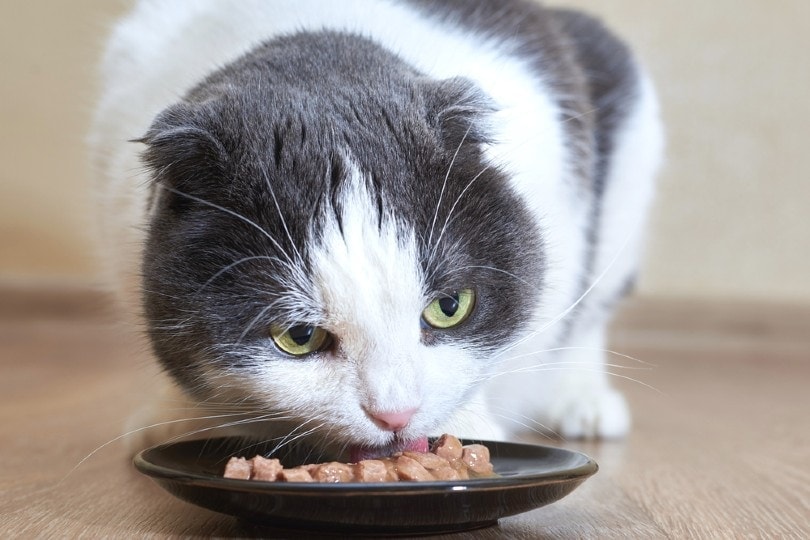
Once the problem is treated, feed your cat normally. Cats with diabetes may need their food adjusted depending on when they are given insulin, depending on the type—check with your vet. Aging takes its toll also—it may become very difficult for a cat to chew dry food as it ages due to decaying teeth or gum disease. You can offer canned food or dry food in a smaller nugget size if they get to that point. Make it easier to chew by mashing it up and mixing it with water.
Our Favorite Product Right Now
No matter what your cat is eating, make sure they are being fed in style with our Hepper NomNom Bowl

- NO MESS - The 360° tray on this cat food and water bowl set has a raised design to catch and contain stray crumbs and drips. Protect your indoors and floors from wet and messy meals!
- WHISKER FRIENDLY - Shallow and wide metal containers with flat bottoms ensure your kitty can enjoy mealtime free from whisker fatigue!
- CHEW-SAFE MATERIALS - Kittens and cats love chewing on silicone and soft rubber - but it's a choking hazard. Our cat feeding station materials are anti-chew for a 100% safe feeding frenzy!
Timing is Everything
You may also have to consider your schedule when it comes to feeding your cat. You may have a frantic morning getting out the door. Feeding your cat in the evening may be easier since it is quieter and less busy. Keep a consistent schedule for you and your cat. Some cats may not automatically come when called for dinner in a multi-cat household, making food difficult to access unless it is left out constantly. When food's always available, some cats will eat too much, though. That said, they can be fed separately or in different rooms. The key is to come up with a strategy that addresses your cat’s unique issues.

Conclusion
In conclusion, feeding your cat is an enjoyable and exciting part of your lives together. Cats love to eat, and while feeding them is part of the bonding process, it is important to get it right. Obesity is one of the leading health problems for cats. Always be sure to keep an eye on your cat's weight and appetite and adjust their diet accordingly.
Veterinarians typically recommend feeding your cat once or twice daily, but this is only a guideline. You may need to switch it up throughout your cat’s life. Depending on their age, activity level, and health, some cats may need more food than others. And it's ok if this happens—keep your vet informed.
Featured Image Credit: Jaromir Chalabala, Shutterstock
Get Hepper In Your Inbox


Pet care tips from our vets and experts, straight to your inbox.
You may opt-out at any time. View our Privacy Policy for more information.
Nicole is a lover of animals of all sizes but is especially fascinated with the feline variety. She’s the proud mom of Baby, a Burmese, and works every day so he can relax in the sunshine or by the fire. She’s always had a cat in her home and has spent countless days with others, observing behaviors and softening up even the grouchiest of the lot. Nicole wants to share her kitty expertise with you so you and your cat can live happy, healthy, and care-free.
Join the conversation
Ask a question, share your story, or send private feedback.