Hepper is reader-supported. When you buy via links on our site, we may earn an affiliate commission at no cost to you. Learn more.
How to Calm an Aggressive Dog: 7 Proven Ways
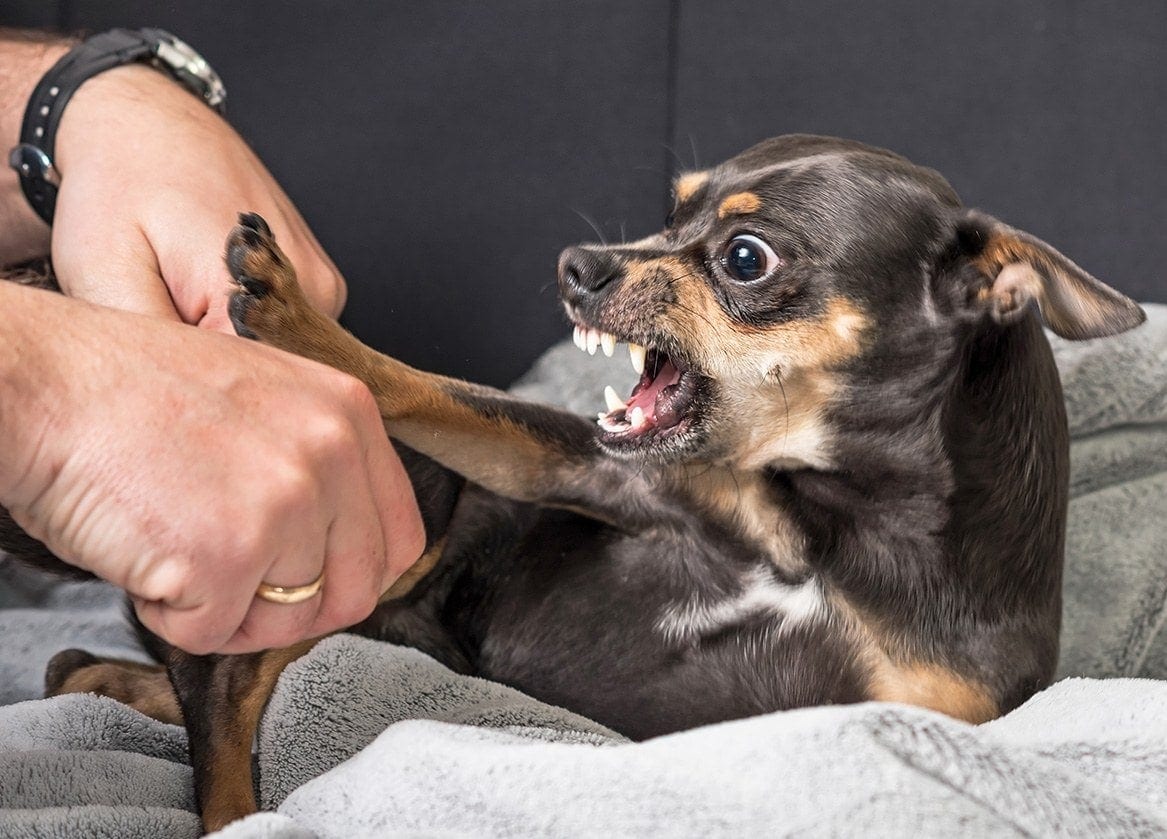
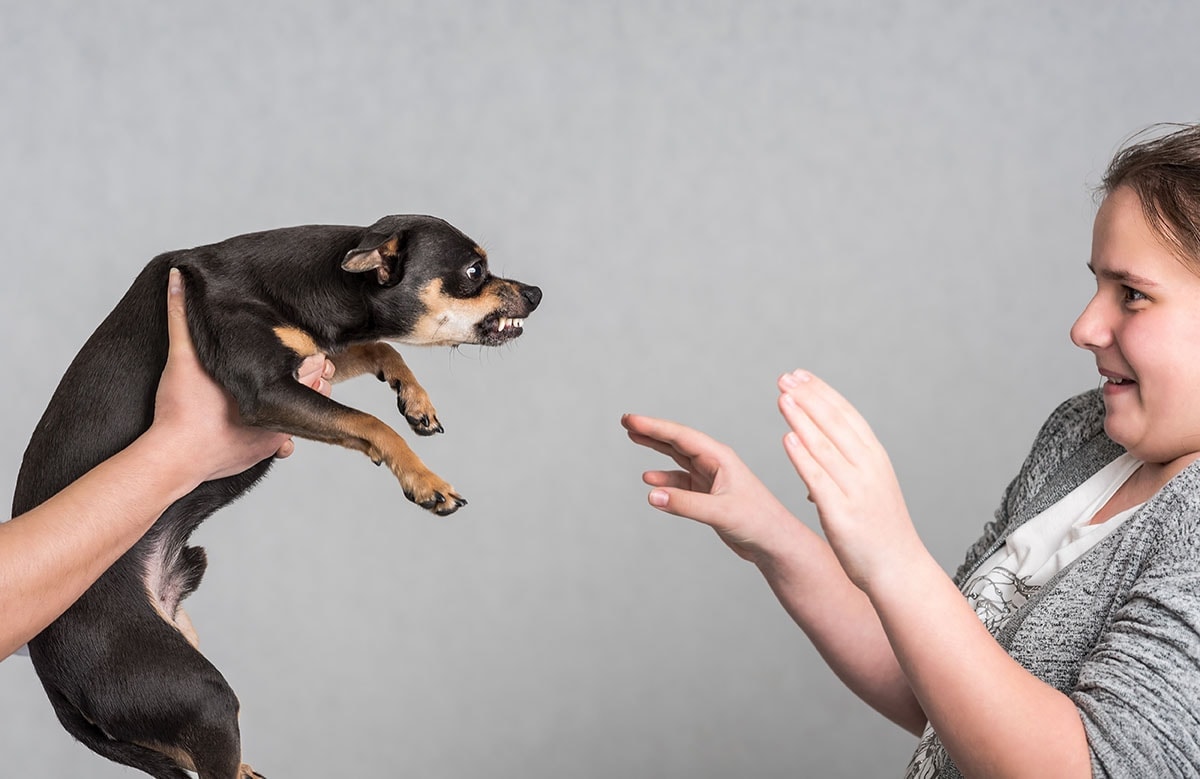
Our canines are beloved members of our families and important members of the household. We love them deeply, so it can be quite concerning when their behavior doesn’t work with our lives. When a dog starts to display aggressive behaviors, it’s an issue that needs to be rectified immediately to prevent any worse situations from arising in the future.
So, what should you do when your dog starts behaving aggressively? We’ve discovered seven proven methods of how to calm an aggressive dog. Each of these will work, but which one you choose depends on the situation you’re facing.

The 7 Ways How to Calm an Aggressive Dog
1. Keep Calm
The most important thing to remember is to keep calm. If your dog is acting aggressively and you react with anger, tenseness, a loud voice, or anything else that could also be perceived as aggression, then you’re just exacerbating the problem.
Here’s a simple way to remember it. Aggression + Aggression = More Aggression.
Our goal is to reduce aggression. So, you’re going to need to keep calm and steady. Don’t raise your voice or yell and don’t tense up. If you hold your dog’s leash tight once they start being aggressive, they could interpret this as a sign that they should continue to be aggressive. Use a calm, quiet, but firm voice to command your dog when they’re being aggressive. Keep your body language relaxed so it doesn’t come off as threatening.
Once you show your dog that you’re calm and in control of the situation, they’re much more likely to calm down and follow suit.
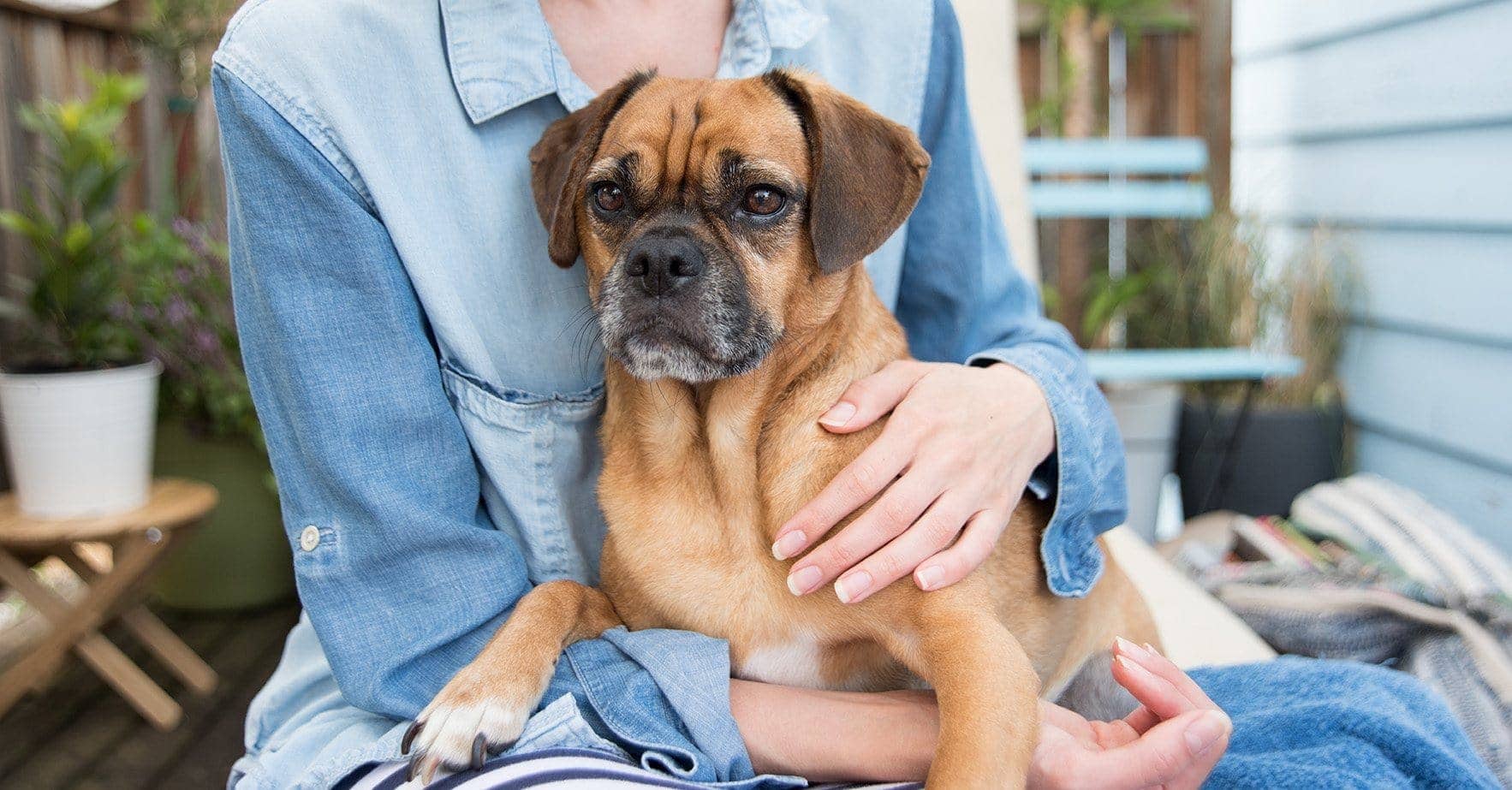
Dogs are very in-tune with our emotions and feelings. If you’re afraid, your dog will sense it and will be afraid as well. Likewise, if you show your dog that you’re confident and unafraid, then they will also be less fearful and are less likely to display aggression.
2. Use a Calming Supplement
Here’s an easy-to-implement solution for any time your dog starts acting aggressively. You can simply give them a calming treat, such as the PetHonesty Hemp Calming Soft Chews. Just give your dog one of these treats and in 20–30 minutes they should be much calmer and easier to control.
Of course, you want to be careful that your dog doesn’t associate their aggressive behavior with a reward. Instead, try giving your dog one of these calming treats before a situation arises.
To do this, you’ll need to learn your dog’s triggers and preemptively prepare by administering a calming treat before exposing your dog to situations that cause them to react aggressively.
We reviewed the best dog-calming treats - Check out our top picks here!
3. Avoid Triggering Situations
As we just mentioned, triggering situations can cause your dog to react aggressively. This could be strangers in the house, being taken to a new place, loud noises, or crowded scary places like the bus, subway, or beach.
It’s important that you know and understand what triggers your dog’s aggressive behaviors. Once you identify these triggers, you can take steps to avoid them. If you can prevent your dog from being triggered, you’ll be able to stop their aggressive behavior.
Of course, there are times when those triggering situations are unavoidable. When that’s the case, you’ll want to try suggestions number one and two. Try giving your dog a calming supplement before introducing them to a triggering situation. Once in the situation, remain completely calm with relaxed body language and a firm yet quiet and calm voice to let your dog know that everything is ok and you have the situation under control.
4. Behavioral Training
If your dog continues to display aggressive behavior and despite your best efforts, you’re unable to prevent it, then you might do well by enrolling your dog in a behavioral course.
These courses are led by qualified instructors who will help you and your dog become closer through training. Your dog will learn to be more obedient and follow directions while becoming more trusting in your leadership. By improving the bond and trust between you, your dog will have more confidence and will be less afraid in many situations. This will result in them displaying less aggression and resorting to aggression less frequently as a response to fear.
Moreover, your dog will learn to obey your commands. This will make them much easier to control in the future if aggressive tendencies should display themselves again.
5. Make Your Dog Feel Safe
One of the main reasons that dogs act aggressively is out of fear. If your dog is afraid, aggression is just a natural reaction to try to keep whatever they’re afraid of at bay. If you can show your dog that there’s no reason to be afraid, then the aggression will dissipate on its own.
You’ll need to show your dog that you’re in control of the situation. If you can tell what is causing your dog’s reaction, put yourself between your dog and the source of their fear. For instance, if your dog is reacting aggressively to a person, stand between your dog and that person. Speak to your dog calmly and firmly while maintaining relaxed but confident body language.
Your dog will quickly pick up on all of this and realize that there is no reason to be scared because you have everything under control. In the end, you just have to make your dog feel like they’re safe.
6. Socialize Your Dog
Dogs often become aggressive when new people, animals, places, or situations are presented. But if your dog is used to the unknown variables, then it won’t be as unnerving. As mentioned, fear is often the biggest reason for dogs to display aggression, so if you can make your dog more comfortable with these unknown situations, then they’ll be less likely to react with aggression.
To do this, you’ll want to introduce your dog to as many people, animals, and places as possible. Take your dog to your friends’ houses and let your friends bring their pets to your home. Bring your dog to the dog park where they can meet loads of people and pets.
The more often you introduce your dog to new situations, the more comfortable they’ll be in new places with new people. Once your dog is confident with meeting new people and seeing new places, you probably won’t see them reacting aggressively again. Socialization also works best when implemented early. If you can start introducing your dog to new situations at a young age, then they’ll adapt quickly and won’t ever develop the fear of new people and places that many dogs do.
7. Discuss Medication with your Veterinarian
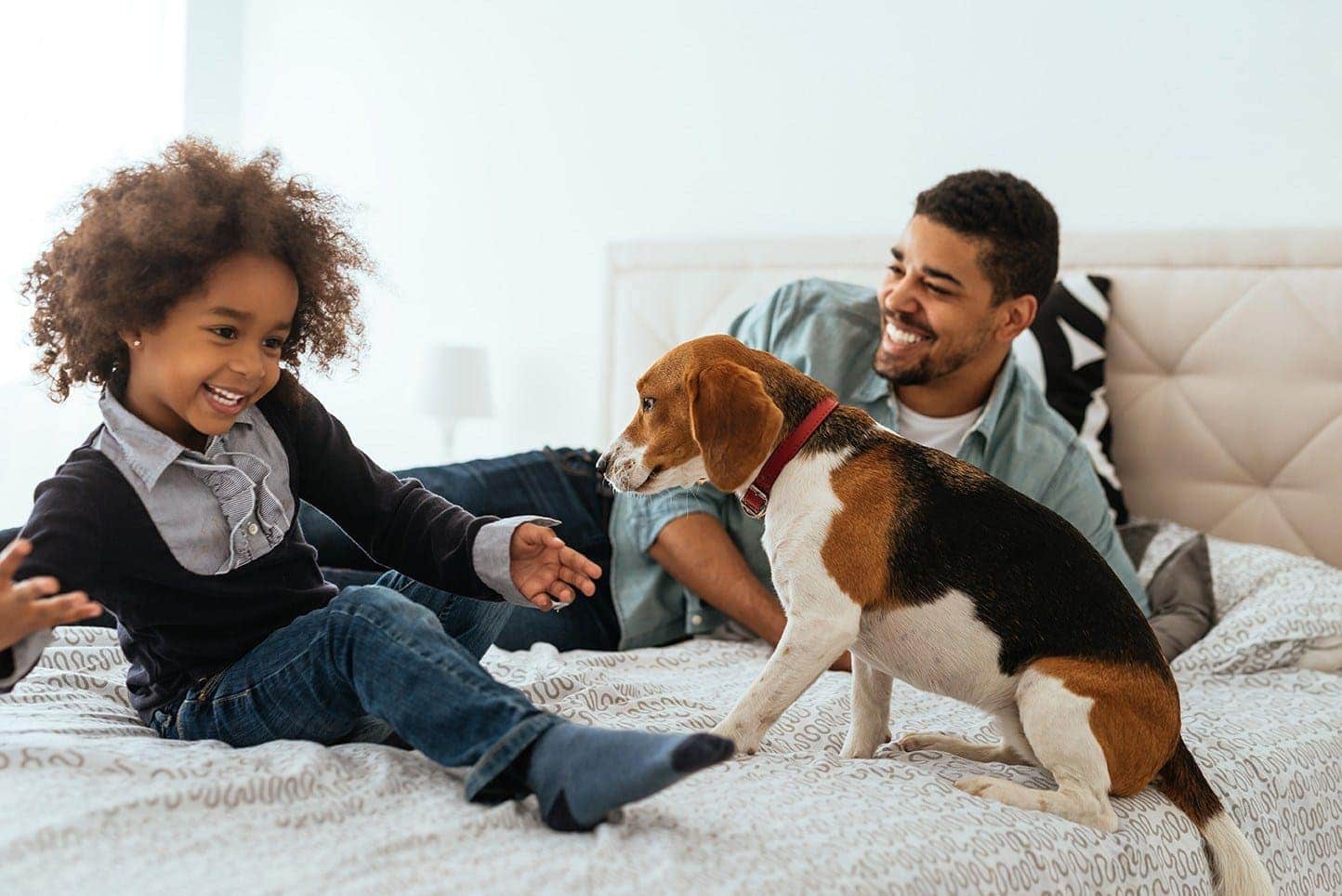
There are times when these simple steps aren’t going to be enough. In these cases, you’ll want to discuss medication with your vet. If your dog has an underlying issue that’s causing their aggression, then medication might be the best route.
Remember, you’ll need a professional to diagnose and treat any underlying medical conditions. Don’t attempt to do this yourself and start prescribing your pup medications of your choice.

Final Thoughts
It can be terrifying when our dogs are reacting aggressively and we don’t know why. But if you try these eight tips on how to calm down an aggressive dog, you should be able to fix the issue and bring your pooch back to a healthy mental state.
Aggression in dogs can become dangerous. Don’t take chances with your loved ones. If you try these methods and your dog is still aggressive and out of your control, then you need to seek professional help. And in some cases, it’s best for everyone involved if the dog goes to a home with the necessary skills and tools to keep them safe and happy.
Related Reads:
Featured Image Credit: Piotr Wawrzyniuk, Shutterstock
Get Hepper In Your Inbox


Pet care tips from our vets and experts, straight to your inbox.
You may opt-out at any time. View our Privacy Policy for more information.

Nicole is a lover of animals of all sizes but is especially fascinated with the feline variety. She’s the proud mom of Baby, a Burmese, and works every day so he can relax in the sunshine or by the fire. She’s always had a cat in her home and has spent countless days with others, observing behaviors and softening up even the grouchiest of the lot. Nicole wants to share her kitty expertise with you so you and your cat can live happy, healthy, and care-free.
Join the conversation
Ask a question, share your story, or send private feedback.