Hepper is reader-supported. When you buy via links on our site, we may earn an affiliate commission at no cost to you. Learn more.
How to Get an Abused Dog to Trust You: 10 Tips & Tricks


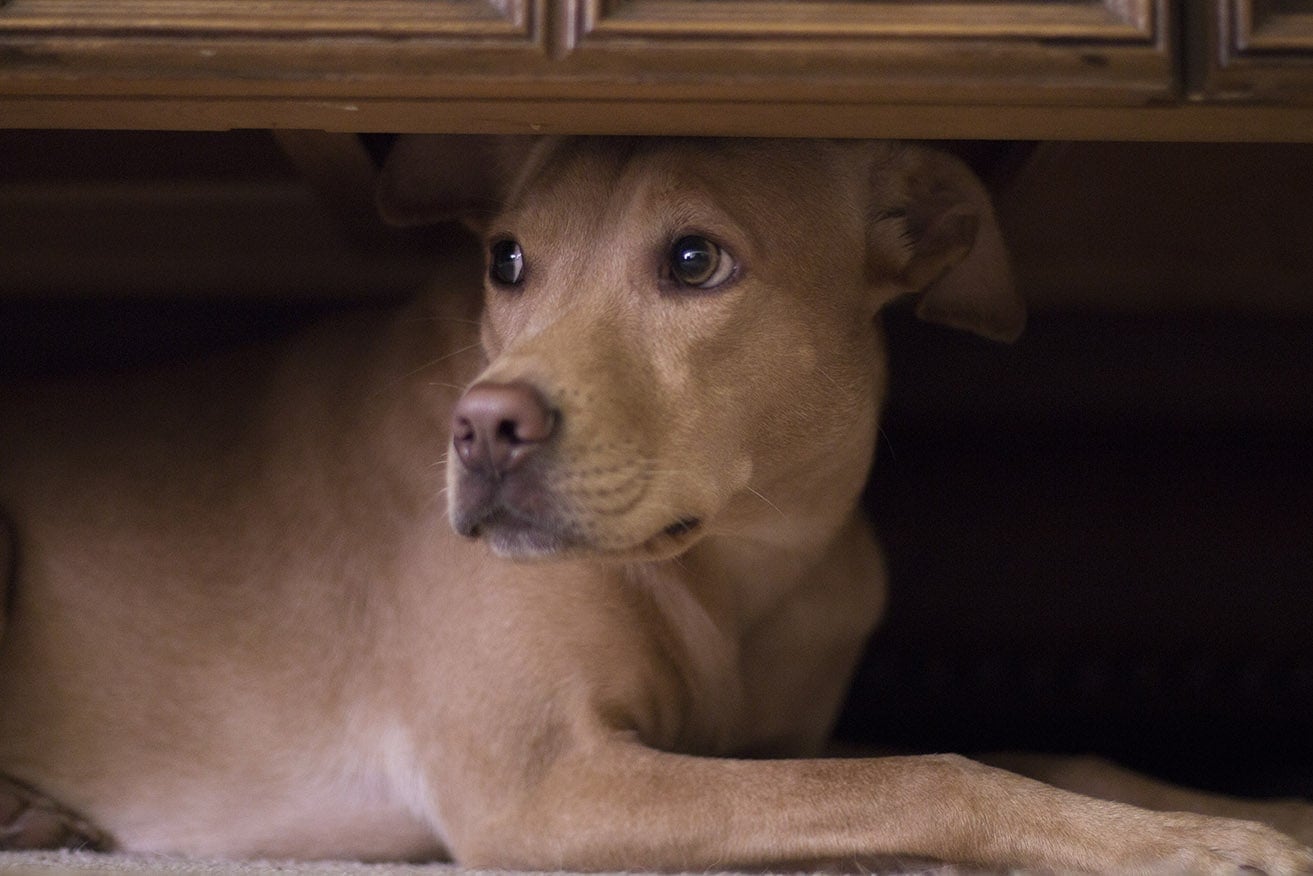
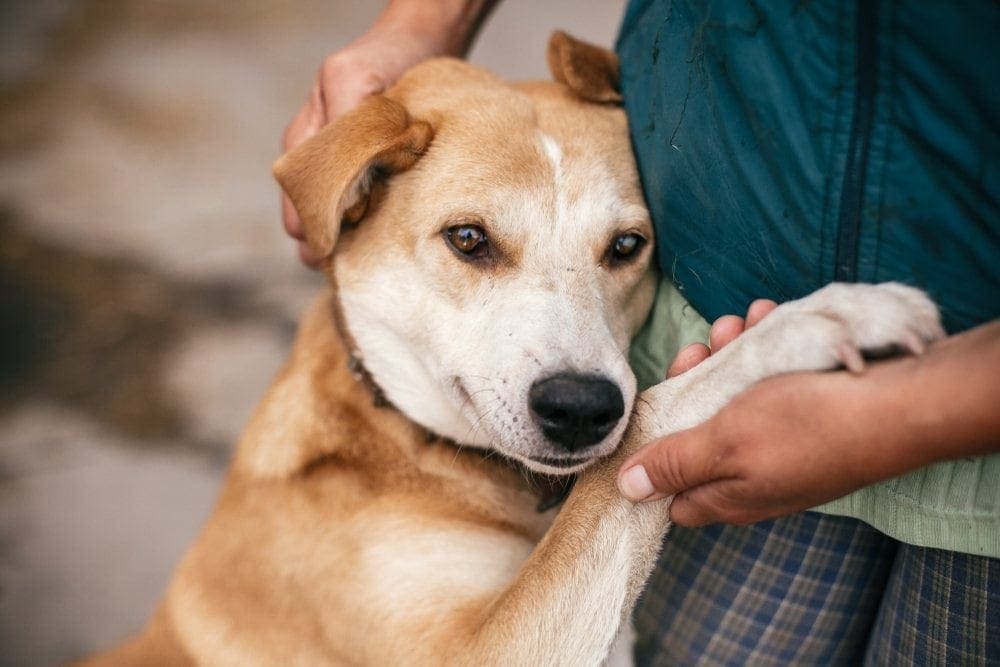
Animal shelters, rescues and fosters are overflowing with dogs that need a home. Many of them have come from families who neglected to spend time with them or to get them appropriate veterinary care. Other dogs may have come from an abusive situation—whether physical, verbal, or both.
You may have recently taken on the task of either fostering or adopting a dog that was previously in an abusive home. Gaining trust with the new dog is imperative for their physical, mental, and emotional health. Keep reading for tips on how to get an abused dog to trust you.

The 10 Tips and Tricks on How to Get an Abused Dog to Trust You
1. Be Calm and Use a Quiet Voice
Without knowing exactly what your dog went through, one can assume that an abused dog was likely yelled at and potentially physically abused. When trying to gain the trust of your new dog, raising your voice, either to them or in their presence, may cause them great stress.
When you are trying to gain trust with your new dog, always be mindful of the tone and volume of your voice. Try to stay calm in both your demeanor and your voice as you speak to your new dog. Also, be mindful of how you speak with others in the house around the dog. Even if you aren’t yelling directly at them, any loud or distressed voices in the house may cause further trauma.
Training may take more time with an abused dog, so practicing patience and remaining quiet and calm are beneficial.
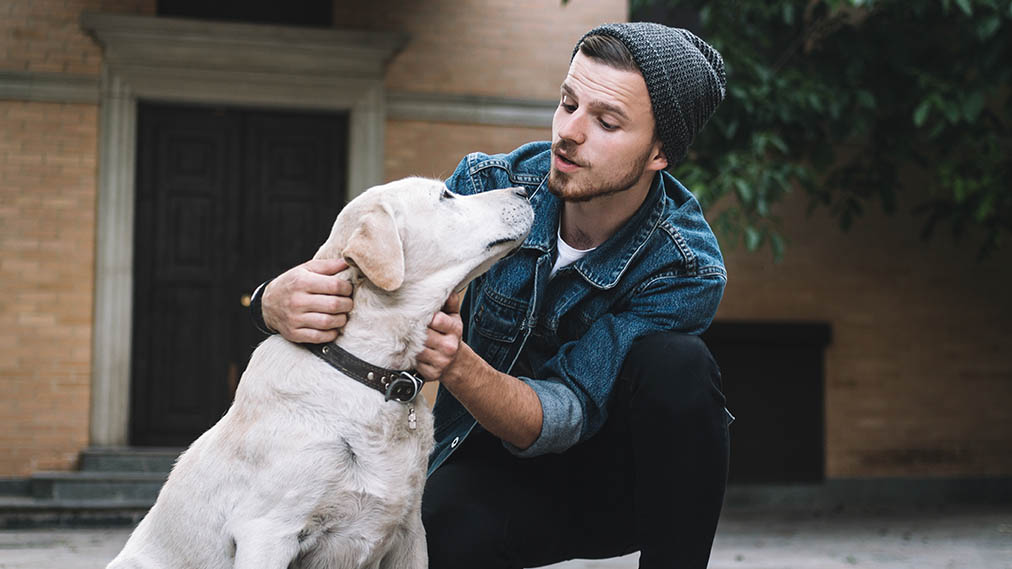
2. Move Slowly
Your new dog may easily become startled by loud noises, fast movements, and unpredictable behavior. Moving quickly in the presence of your new dog may make them on edge. They won’t know what you are doing, and they might be reactive.
When any dog reacts, they may show fear by urinating, retreating, or biting. Although the bite may not be meant to attack you, a fear bite is a bite nonetheless. Move slowly, and remember to use a calm voice until your new pup trusts you.
3. Give Your Dog a Safe Space
An abused dog needs somewhere they can sleep, hide, calm down, and feel safe. This may be a kennel in a quiet space or a room of their own. It is extremely important that once your new dog’s safe space is set up, everyone in the house respects it. That means if there are new family members, friends, or kids over who don’t live with your dog, they should respect the safe space as well.
If your dog puts themselves in their safe space or if you put them there to keep them calm, no one is allowed to bother them—period. No matter how much the kids want to “play with the new dog,” they need to respect your dog’s space. Remember, this is their safe space, and invading that area will break trust.

4. Allow Your Dog Time to Heal and Trust
Trauma is, well, traumatizing. Whether your dog suffered from physical abuse, verbal abuse, neglect, or all of the above, they'll need time to trust again. Some dogs will immediately trust their new owner but may be nervous of new surroundings. Other times, abused dogs will not trust people and will only feel calm in their safe space.
Whatever the case, be patient! People don’t heal immediately from abuse and traumatic events, and you shouldn’t expect your dog to either.
5. Don’t Make Direct Eye Contact
Some nervous and abused dogs will take direct eye contact as a challenge. As people, we are taught to make eye contact when speaking to people to gain trust and show confidence. However with animals, it may be taken as a challenge. Don’t make direct eye contact, especially in moments when you may be frustrated with your dog.
As a trusting relationship is built, your dog will learn to make eye contact to communicate with you, but for now, it is best to avoid it.

6. Offer Your Side
Approaching your dog straight on may be seen as a challenge. Your new dog may think they are in danger and may immediately be put on guard. As previously stated, reactivity may take many forms, including submissively urinating, hiding, running away, or attacking.
While you may not have meant anything harmful by approaching your dog this way, previous experience with an abusive person may have taught your dog not to trust this action. Go slow, try to approach your dog from the side, and offer your own side for them to approach you.
7. Don’t Reach Out to the Head and Face Right Away
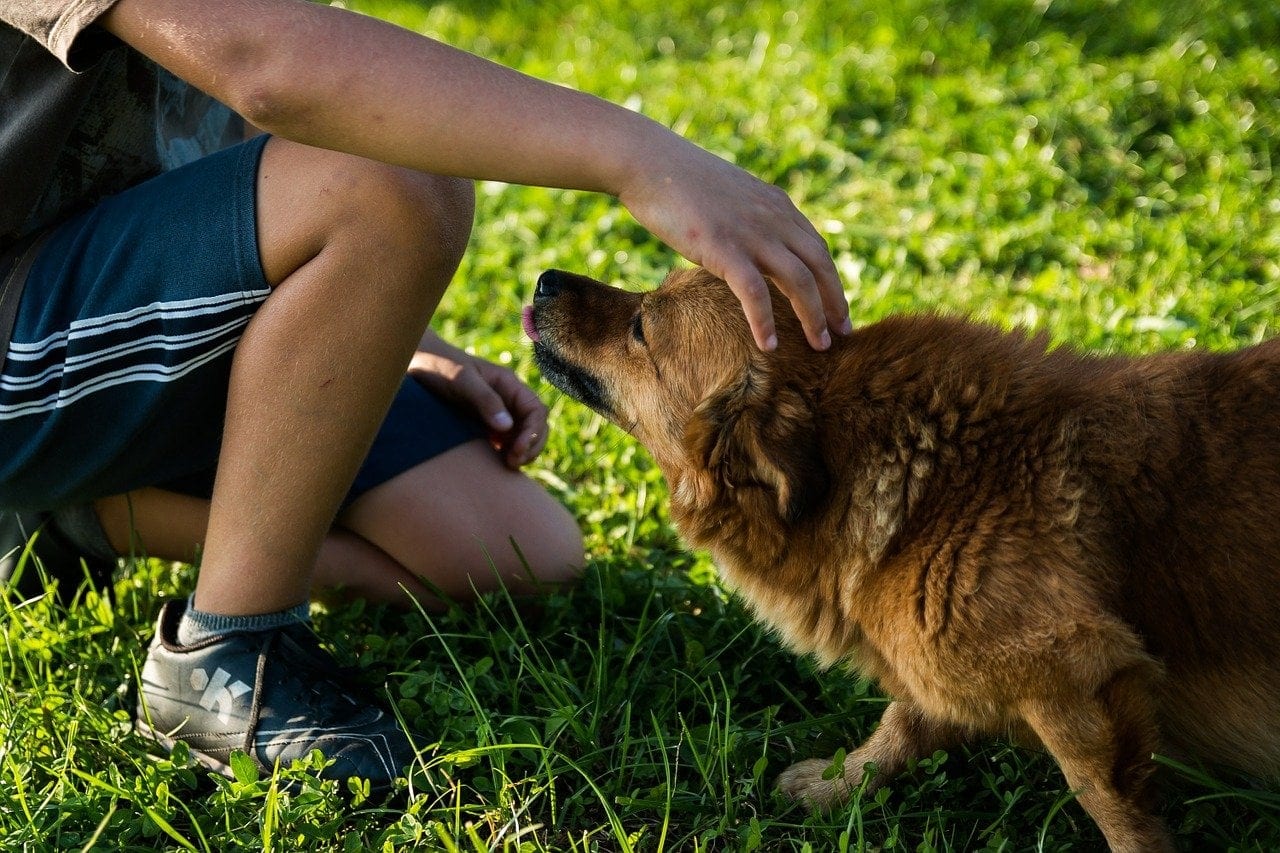
This goes hand in hand with number six. Approaching your dog straight on, either walking or reaching toward them, may trigger protective and reactive behavior. Unless your dog is in immediate danger and you need to act quickly, do not reach straight out for their head, ears, or neck. These are often areas of the body that are struck, pulled, twisted, and manipulated to cause pain in cases of abuse. Your dog may be very protective of their face and head.
Go slowly, and try to start by scratching the sides of the neck, the shoulders, and the ears while offering your dog your side. If they lean into you and seem to like the action, slowly work around to the front of the face over time.

8. Use Positive Reinforcement
Reward and encourage your new dog with positive reinforcement! This may take the form of tasty treats, toys, or attention. Each dog will gravitate toward what they like best.
Some dogs may not want any of it at first, being completely shut down and nervous about everything. Once you give them time, they'll likely respond positively to either one or multiple forms of positive reinforcement. When offering a treat or toy, always put it on the ground or offer it with an open palm. Some abused dogs may be very food or possession aggressive, so always go slow and use caution.
Remember to reward not only the behavior you are training (sit, stay, come, etc.) but also behaviors like going into their safe space, resting quietly, or even approaching you on their own. Every little step out of their abused shell toward a more social and confident attitude should be rewarded.
9. Let Them Approach You
This goes hand in hand with everything we have discussed so far. Being loud, moving quickly or aggressively, losing patience, not respecting their safe space, and using negative reinforcement will not help you gain trust with your abused pup. Giving your dog time, space, and a quiet positive environment to come to you will help you both build trust that much quicker.

10. Seek Professional Help
Your new dog may have previous physical, emotional, or mental wounds so severe that professional help is needed. Please contact your veterinarian to make sure that your new dog is physically healthy and comfortable. Pain may add to their already stressed and nervous demeanor, so always make sure your dog is physically healthy.
Veterinary behaviorists ¹ should also be considered in cases of severe abuse, anxiety, destruction, and/or violence. These professionals specialize in these cases and have gone through rigorous training and education to offer proper help. Please be aware of trainers, breeders, or others who claim to be experts in dog behavior. Often, these people have no medical background and may cause more harm than good.

Final Thoughts
Earning an abused dog's trust takes time. Remember that any type of trauma is traumatic, and healing takes time and space. Using a quiet voice, moving slowly, not rushing at your dog, offering them positive reinforcement, and giving them a safe space will all help them to trust you as their new owner.
Consider getting professional help from an experienced veterinary behaviorist ¹ if your pet is a severe case or if none of these tips seem to help. Use caution when using trainers, breeders, or other individuals who claim to be experts in behavior but have no formal training.
Related Reads:
Sources
Featured Image Credit: Patrick H, Shutterstock
Get Hepper In Your Inbox


Pet care tips from our vets and experts, straight to your inbox.
You may opt-out at any time. View our Privacy Policy for more information.
Nicole is a lover of animals of all sizes but is especially fascinated with the feline variety. She’s the proud mom of Baby, a Burmese, and works every day so he can relax in the sunshine or by the fire. She’s always had a cat in her home and has spent countless days with others, observing behaviors and softening up even the grouchiest of the lot. Nicole wants to share her kitty expertise with you so you and your cat can live happy, healthy, and care-free.
Join the conversation
Ask a question, share your story, or send private feedback.