Hepper is reader-supported. When you buy via links on our site, we may earn an affiliate commission at no cost to you. Learn more.
How to Make Pitbulls Big: Everything You Need to Know!
In this article
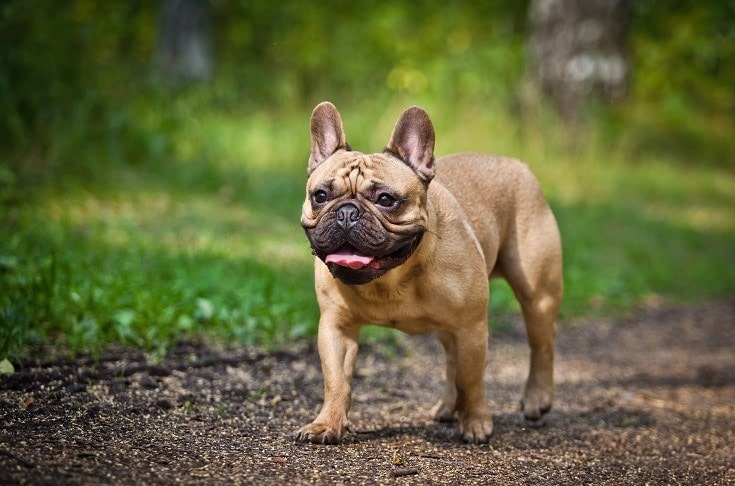
Pitbulls often get a bad rap. That’s due in part to their collective history as fighting dogs. Yet, despite their past, these breeds are some of the most popular ones, according to the American Kennel Club (AKC). For example, the French Bulldog ranks second based on ownership statistics, followed at number five by the Bulldogs.
How to make a pitbull big begins with what breed you mean. That makes the question a more complicated one. We’ll discuss what the dog is to put the answer in context. Then, we’ll follow with information and advice about how to go about this task, with a cautionary tale about what to avoid.

What Is a Pitbull?
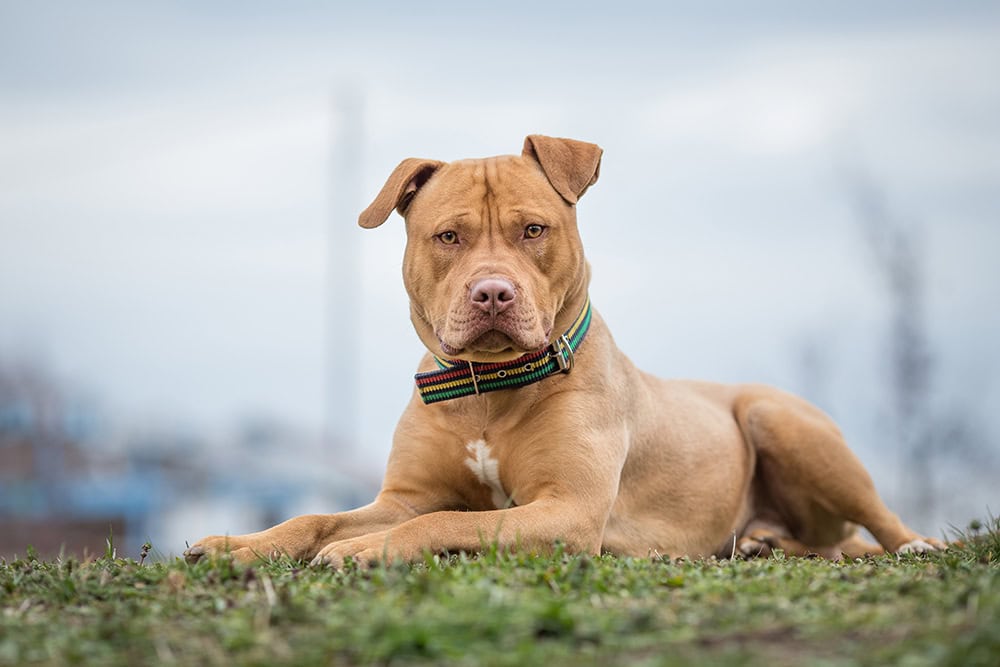
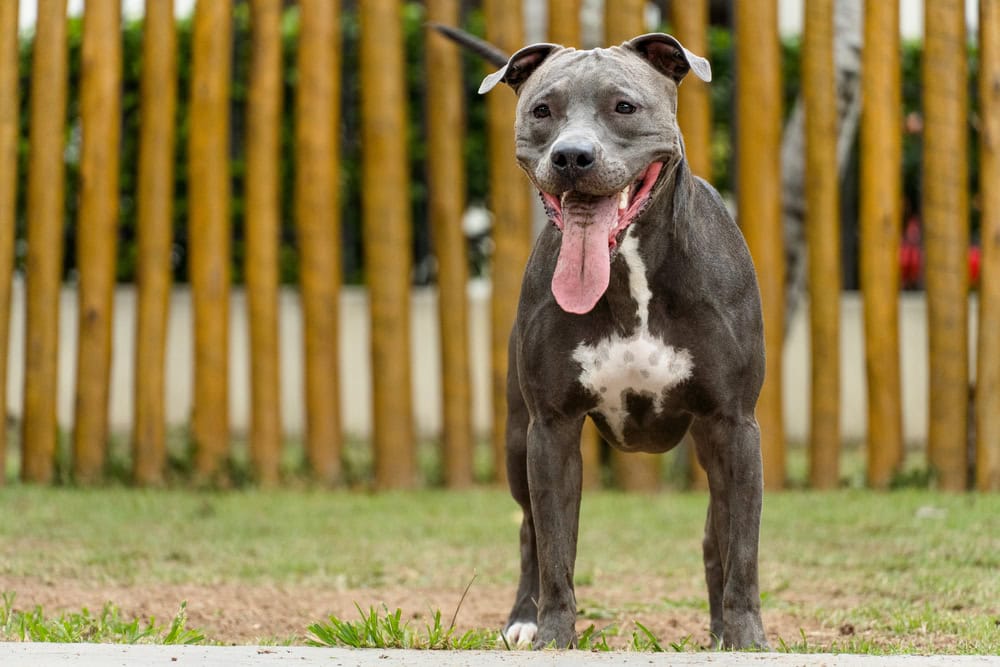
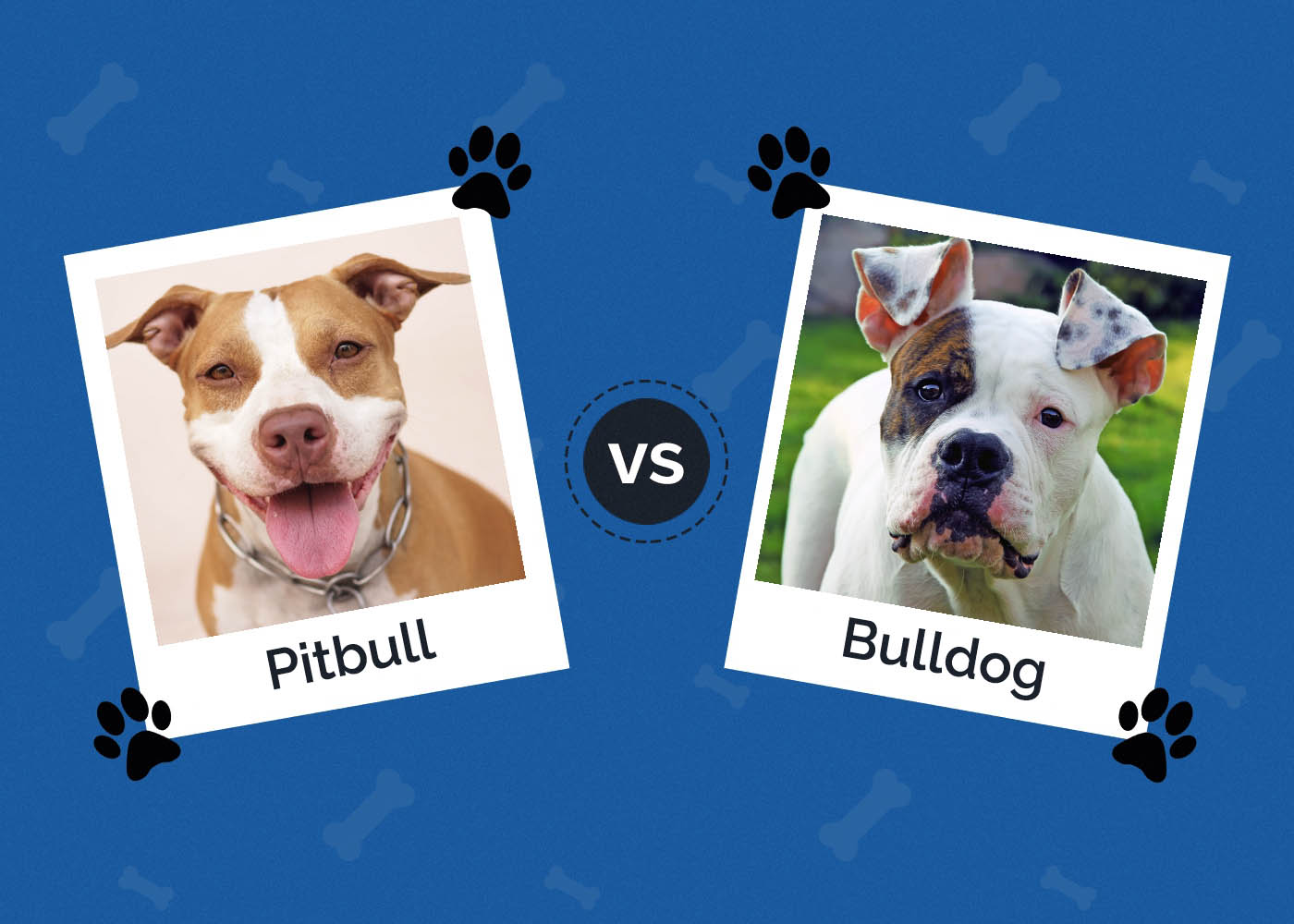
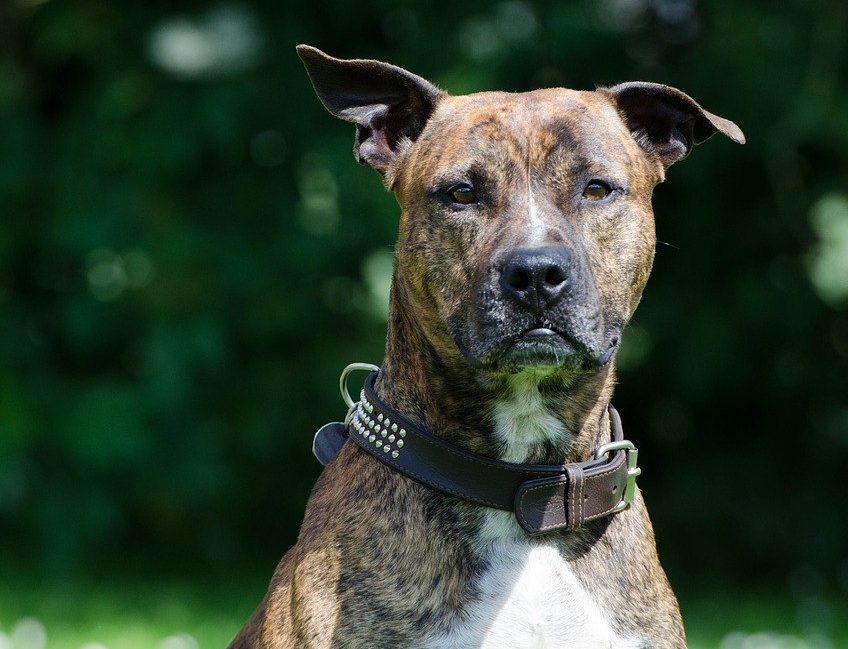
Merriam-Webster defines the Pitbull as “a muscular, short-haired, stocky dog…of any of several breeds or a hybrid with one or more of these breeds.” The term is relatively new to the English language, with a first recorded usage in 1927. It’s worth noting that the dictionary site spells the breed type as two words. The other relevant point is that it is not just one breed.
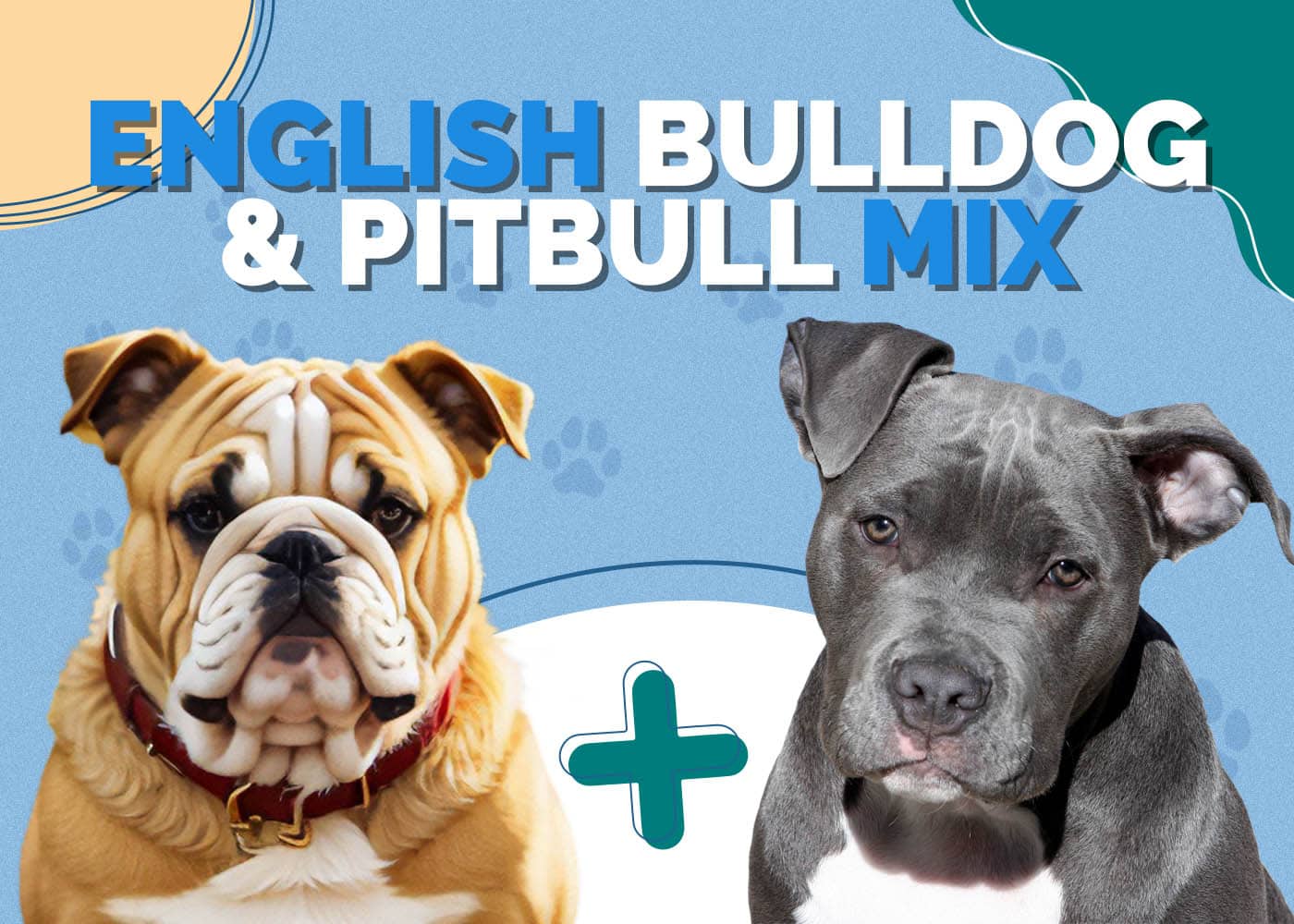
People often group several different dogs under this term, including the English Bulldog and the American Staffordshire Terrier. Going by the animal’s appearance alone is unreliable, too. It even is confusing for canine adoption agencies to identify them correctly. That makes answering the question of making Pitbulls big more difficult because of the size range of the various breeds.
Ideal Sizes and Weights for Pitbulls
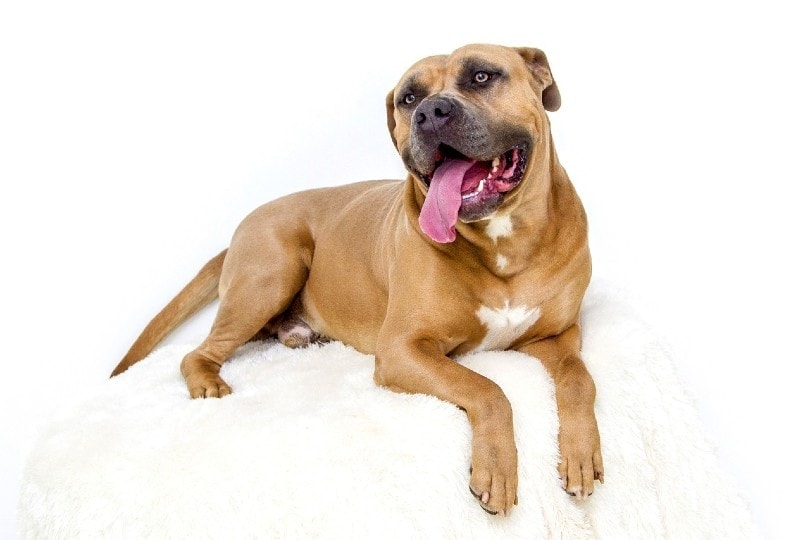
It helps to have a baseline when beginning a task like this one. That starts with knowing the size ranges of the dogs, as shown in the following table.
| Pitbull Breed | Height—Male | Height—Female | Weight—Male | Weight—Female |
| American Bulldog | 22”–25” | 20”–23” | 75–100 lbs | 60–80 lbs |
| American Staffordshire Terrier | 18”–19” | 17”–18” | 55–70 lbs | 40–55 lbs |
| Bulldog | 14”–15” | 14”–15” | 50 lbs | 40 lbs |
| French Bulldog | 11”–13” | 11”–13” | Under 28 lbs | Under 28 lbs |
| American Bully | 17”–20” | 16”–19” | Balanced and correct proportions | Balanced and correct proportions |
| American Pit Bull Terrier | 18”–21” | 17”–20” | 35–60 lbs | 30–50 lbs |
| English Bulldog | n/a | n/a | 50–55 lbs | 45–50 lbs |
| Strattfordshire Bull Terrier | 14”–16” | 14”–16” | 28–38 lbs | 24–34 lbs |
Source: AKC.org and UKCDogs.com
The first four lines of dimensions apply to the breed recognized by the AKC. The last four are for the United Kennel Club (UKC). It’s worth pointing out that the UKC standards for these pit-bull type dogs specifically state that overweight dogs or those exceeding the weight ranges are disqualifications in the show ring.
Canine Nutrition Basics
Your plan for getting your Pitbull larger begins with proper nutrition. That will give your pup the nutrients it needs that will act as building blocks to build healthy bones and muscles. There is no shortcut to this principle. The minimum requirements for adult dogs are 18% protein and 5.0% fat. The Association of American Feed Control Officers (AAFCO) does not specify a figure for carbohydrates.
Nevertheless, several other nutrients are part of the AAFCO’s nutrient profile for canines. They include vitamins and minerals, such as magnesium, calcium, potassium, vitamin A, biotin, and niacin. You probably recognize these names from your diet planning. All of the recommended nutrients will provide a healthy baseline for putting weight on your dog.
Calories are another story. Dietary needs vary, depending on the dog’s lifestyle, breed, and even the time of year. An active, outdoor pet needs more than a couch potato. Likewise, Great Danes require more calories than Newfoundland. Animals in outdoor kennels must have more calories to stay warm when temperatures drop.
If you find that your Pitbull isn’t getting bigger, these factors offer excellent starting points for tweaking your pet’s diet and caloric intake.
Pitbull Lifestyle Changes
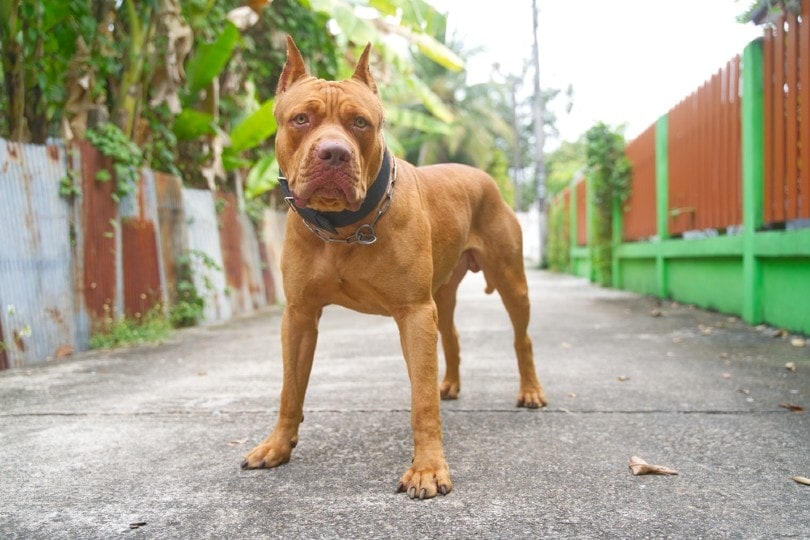
Of course, a canine’s dietary needs vary at different life stages. For example, puppies need large amounts to support growth and development. Their requirements are 22% protein and 8.0% fat. These figures also apply to pregnant females. Likewise, older and sedentary pets have reduced calorie needs. The same advice applies to neutered or spayed pets, which often get heavier after the surgery.
Feeding your puppy the right amount and type of food is critical for building a healthy foundation for your pit bull to get big. We cannot overemphasize the importance of this stage of rapid growth during this formative time.
What to Feed Your Pitbull
We recommend feeding your Pitbull a high-quality, commercial pet food formulated for your dog’s size based on its breed. These products vary. For example, smaller dogs develop faster, whereas large ones mature slower. That’s reflected in the calories and serving size.
Also, make sure to get the proper diet for your pup’s life stage. Puppy formulas have more calories than adult dog foods because of their varying dietary needs. You can feed young Pitbulls two to four times a day to ensure that it has enough energy when it’s active. You can cut it down to twice when your pet reaches adulthood.
We suggest staying on the schedule instead of opting for once a day. Keeping your Pitbull full and happy will help keep your pet active to build strong bones and muscles. We also recommend limiting treats to no more than 10% of your pup’s daily caloric intake. These foods won’t provide the balanced diet that your pooch needs to put on weight safely.
Support a Healthy Lifestyle
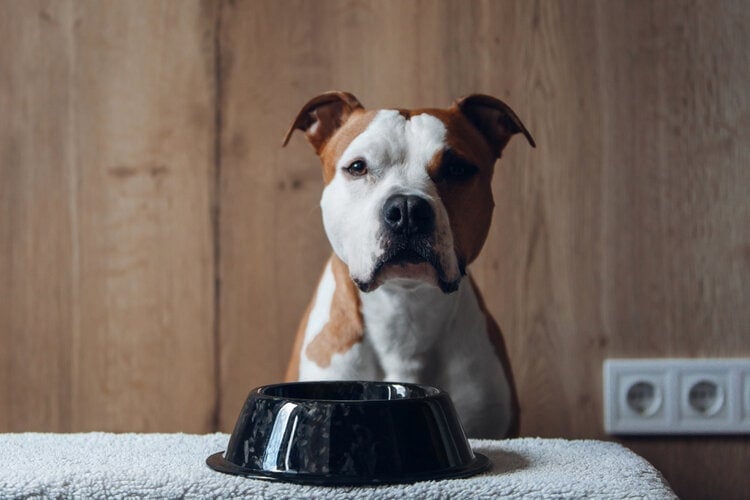
Some Pitbull-type breeds are less active than others. However, that doesn’t mean that you shouldn’t exercise them regularly. Remember that it’s just as vital for your pet’s mental well-being as it is for its physical health. Besides, dogs that get more exercise and exposure to other people and pets are less likely to develop behavioral problems.
A Mission Gone Too Far
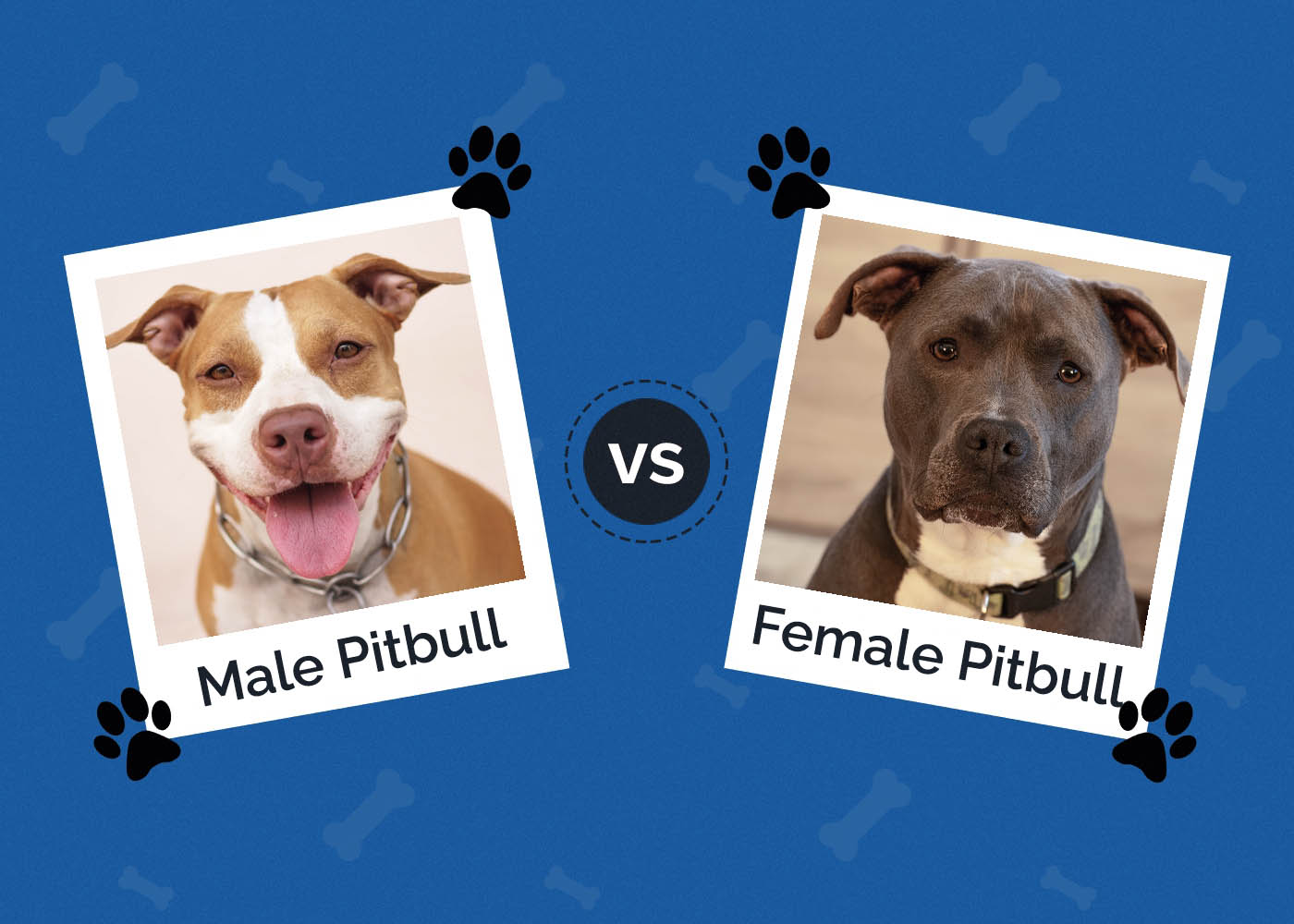
There’s a fine line between getting your pit bull big and letting your pet get overweight. Brachycephalic dogs with short muzzles, such as French Bulldogs, have enough health problems not to add any more with obesity. We strongly urge you to keep to the weight ranges, noting that males are often much larger than females.
The best way to monitor your pet’s weight is to observe its body condition by looking down at it from overhead. A well-defined waist is ideal. If your pup is under or overweight, adjust its diet accordingly. However, do not give your Pitbull people food. Begging at the table is a difficult habit to break. Also, many things we eat are toxic to dogs.

Final Thoughts
Proper nutrition is the primary way to ensure that your Pitbull reaches its full adult size. It will provide your pet with the vitamins and minerals it needs to stay healthy. After all, that is your obligation as a pet owner, no matter what breed your pup is. It’s also the best way to ensure a good quality of life for your canine companion.
Featured Image Credit: Katrin B., Pixabay
Get Hepper In Your Inbox


Pet care tips from our vets and experts, straight to your inbox.
You may opt-out at any time. View our Privacy Policy for more information.

Nicole is a lover of animals of all sizes but is especially fascinated with the feline variety. She’s the proud mom of Baby, a Burmese, and works every day so he can relax in the sunshine or by the fire. She’s always had a cat in her home and has spent countless days with others, observing behaviors and softening up even the grouchiest of the lot. Nicole wants to share her kitty expertise with you so you and your cat can live happy, healthy, and care-free.
Join the conversation
Ask a question, share your story, or send private feedback.