





Click to Skip Ahead
Hamsters are adorable pets that bring joy to countless households worldwide. While they’re known for being easy to maintain, there are a few things that you are responsible for, including potty training. You can train hamsters to use a designated spot for urinating, but unlike dogs or cats, they cannot reliably learn to defecate only in one place. Potty training your hamster keeps their living area cleaner and promotes their well-being. If you need help training your new pet, keep reading for a step-by-step guide.

Before You Begin
Here are a few things that you’ll need before getting started.
Hamster Cage
A clean and spacious cage is essential for your hamster’s well-being. The larger the better, so get what you can afford.
Litter Box
Choose a small, shallow container that is easy for your hamster to access as a litter box.
Hamster Litter
Choose safe, absorbent litter designed for hamsters and avoid clumping or dusty products.
Treats
Use small, healthy treats as rewards for successful potty training. Many commercial brands are available, and you can also use fresh fruits and vegetables, like cucumbers, apples, and pears, in very small hamster-paw-sized amounts.
Patience
Potty training takes time and patience, so be prepared for gradual progress, and don’t get discouraged if it’s taking longer than you expect.

How to Potty Train a Hamster in 9 Simple Steps
1. Choose the Right Location
Select a specific corner of your hamster’s cage as the designated potty area. Hamsters tend to urinate in one corner for their bathroom needs, so observe their behavior for a few days beforehand to identify the preferred spot.
2. Introduce the Litter Box
Place the litter box in the chosen corner of the cage. Ensure that it’s securely anchored to prevent tipping while your pet uses it, and fill it with hamster litter to a depth of about 1/2 an inch.
3. Add Scent Cues to the Litter Box
Place a small amount of your hamster’s soiled bedding from their usual urination corner into the litter box. Hamsters rely heavily on scent, and this familiar odor helps them understand that the box is meant to be their new toilet area. Refresh the scent cue anytime you do a full bedding change to help maintain the habit.

4. Let Them Explore the Box Naturally
Allow your hamster time to investigate the litter box on their own. Hamsters are naturally curious, and once the box contains their familiar scent, most will begin using it without needing to be placed inside. Avoid repeatedly picking them up and setting them in the box, as this can cause stress.
5. Use Positive Reinforcement
As soon as your hamster uses the litter box successfully, offer them a small treat as a reward. Positive reinforcement encourages them to use the designated spot consistently, and they will look forward to the next time.
6. Be Consistent
Consistency is crucial for potty training success. Keep the litter box in the corner your hamster naturally chooses for urination, and place a small amount of their soiled bedding from that spot into the box so the familiar scent guides them to use it. Refresh that scent cue as needed, and reward them whenever you see them use the box.
7. Do Regular Maintenance
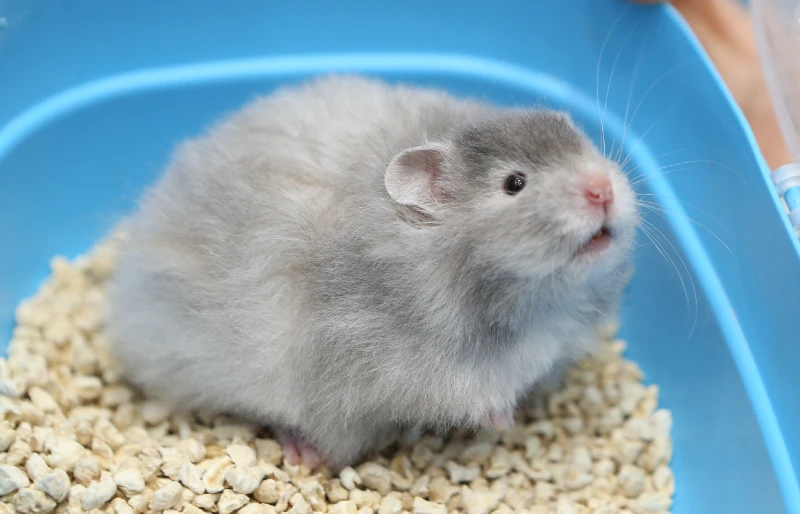
Spot-clean the litter box daily by removing only the wet or heavily soiled litter, but keep some of the existing bedding so the familiar scent remains. Wash the box every 1–2 weeks, and always place a small amount of the old soiled litter back in afterward to help your hamster recognize it as their toilet area.
8. Be Patient
Accidents are normal, especially in the beginning. Never scold or punish your hamster, as this creates stress and can damage trust. Most hamsters will begin using the litter box on their own once the scent cues are established, so focus on keeping the setup.
9. Set Realistic Expectations
As your hamster becomes more consistent with using the litter box for urination, you’ll notice their cage stays cleaner. Keep in mind that hamsters cannot be trained to poop in one spot—dropping small, dry pellets while they move around is a natural behavior. These pellets are part of their normal digestive process and aren’t associated with the same scent-marking that guides their urination habits. Because of this, even a well “potty-trained” hamster will still leave fecal pellets throughout the cage, and this is completely normal.
Troubleshooting Tips
Accidents
Review your training routine if your hamster continues to have accidents outside the litter box. Ensure that you’re placing them in the box at the right time and offering rewards for success.
Relocation
If you notice your hamster using a different corner of the cage for their bathroom needs, move the litter box to that location. It could be your pet was still determining what corner is best while you were watching them, and it could also change on occasion.
Why Is Potty Training Important?
Hygiene and Cleanliness
Potty training your hamster helps maintain a clean and odor-free environment in their cage, which is crucial for your pet’s health and comfort.
Reduced Stress
Hamsters are naturally clean animals and may become stressed if forced to live in a dirty environment, leading to health problems and behavioral issues.
Improved Health
A clean environment reduces the risk of infections and illnesses, helping your hamster live a happy and healthy life.


Frequently Asked Questions
What Should I Do If My Hamster Relocates Their Potty Spot?
Move the litter box to the new location where your hamster chooses to go to the bathroom.
Is Potty Training Necessary for All Hamsters?
While not all hamster owners may choose to potty train, it is beneficial for maintaining a clean and healthy environment for your pet.
What Type of Cage Is Best for a Hamster?
Hamsters are happiest in a well-ventilated, secure cage with plenty of space to explore. A continuous-floor habitat of at least 450–600 square inches is recommended, and wire floors should be avoided to prevent foot injuries. Large glass or plastic tanks with a secure mesh lid, or appropriately sized bar cages with solid bases, are popular choices.
How Do I Handle My Hamster Without Stressing Them Out?
Approach your hamster slowly and let them come to you. Use gentle desensitization and handling techniques, and be patient, as it may take time for your hamster to become comfortable with being held.

Conclusion
Training a hamster to use a litter box for urination is not difficult and only requires patience and consistency to be successful. For the best results observe which corner your hamster naturally chooses for urinating and place the litter box there with a small amount of their soiled bedding. Most hamsters will begin using it on their own, and rewarding them when you see them use the box can help reinforce the habit. Clean it with gentle spot-cleaning while preserving some scent cues, and expect that they may have an accident or decide not to use it occasionally. Remember that hamsters cannot be trained to defecate in one spot, as they drop fecal pellets while moving, and it’s normal for them to choose a different corner for urination from time to time.
Featured Image Credit: Pantherius, Shutterstock