Hepper is reader-supported. When you buy via links on our site, we may earn an affiliate commission at no cost to you. Learn more.
How to Safely Get Poison Ivy off Your Cat: 6 Vet Approved Steps


In this article
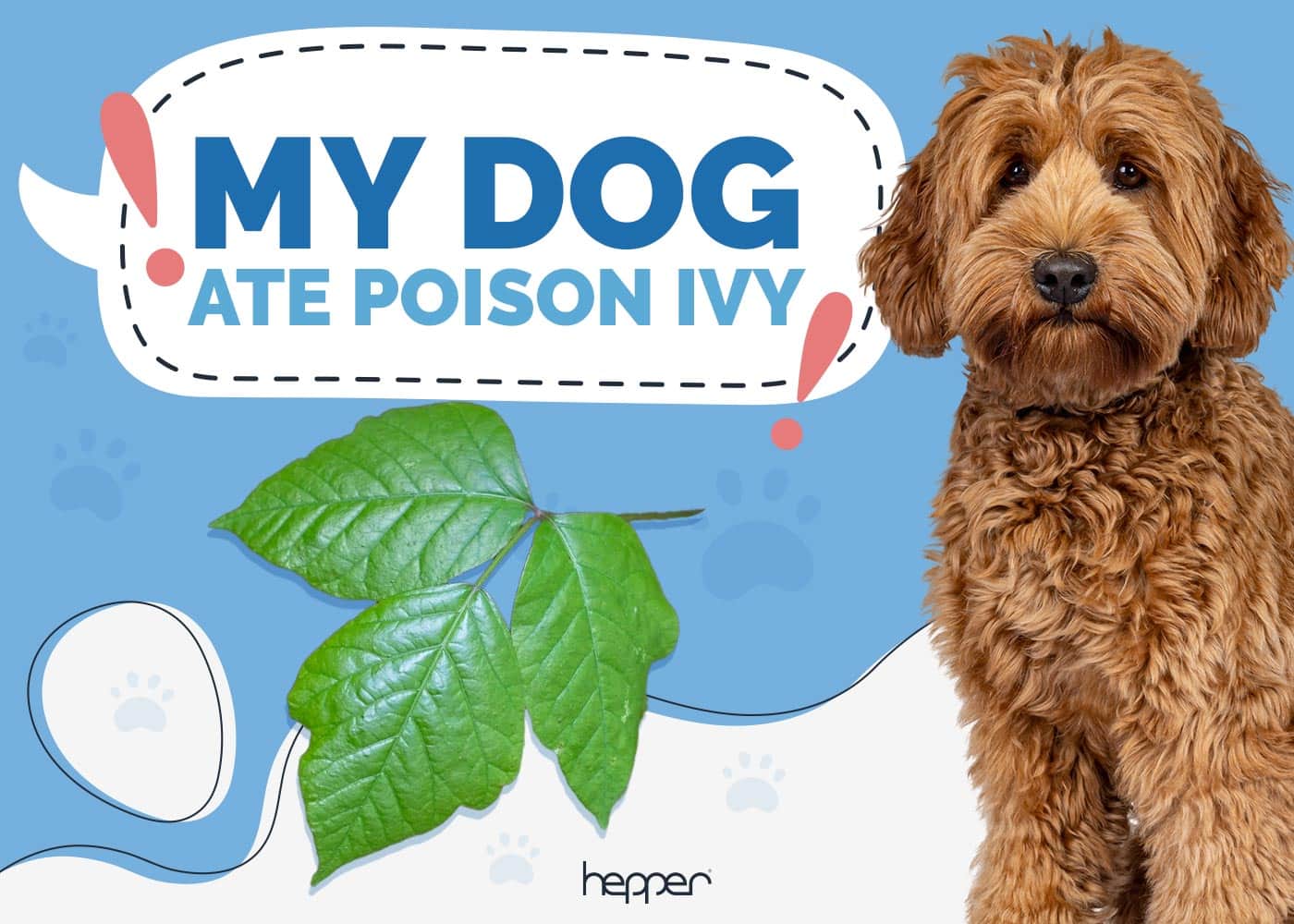
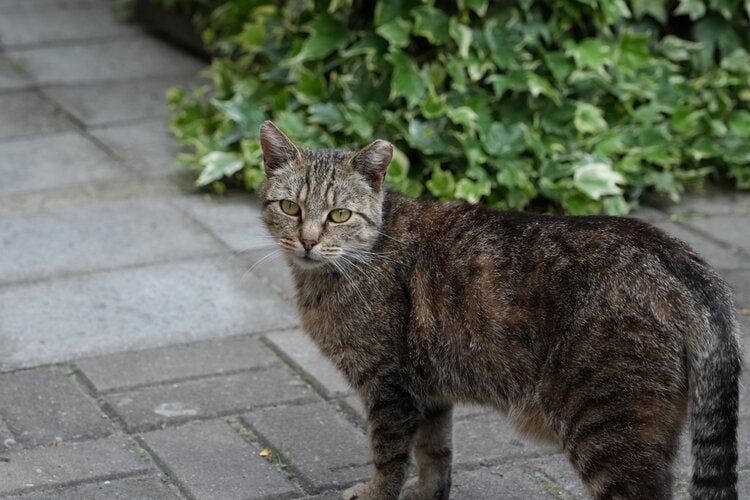
Poison ivy causes irritating rashes, and we do our best to avoid it. If poison ivy grows somewhere in your yard or around your home, you might be worried about your cat being exposed.
The good news is that cats are unlikely to get a rash if they come into contact with the plant, as their fur largely protects them from harm. However, if you have a cat with large bald spots or no hair (such as Sphynx), it may develop the itchy, irritating rash humans associate with it.
However, your cat can transfer the oils to you. Bedding, clothes, furnishings, and direct contact by stroking and petting can pass poison ivy onto people, so it's important to know how to get it off your cat safely. Read on to learn how to do just that!

Before You Start: What You'll Need
It's important to ensure you and your cat are safe when ridding them of poison ivy. You should ensure you're properly protected from getting the oils on your skin when cleaning them off your cat, so being prepared and ready before you start is important.
First, gather all the items you'll need and take them into the bathroom since you'll need to bath your kitty. Keep your cat in one room while this happens if you can, as you want to try and avoid letting them spread the poison ivy oils around your home.
You'll need the following items to get poison ivy off of your cat safely:
Having these to hand when you start will make the whole process less stressful for your cat. Cats generally don't like water and can become very agitated when put in the bath. Keep the area calm and the water warm (but never hot). A non-slip mat or towel is essential to help your cat feel more secure, so they're not slipping and losing their footing in the bath.
Once you have everything you'll need, get your cat to follow you into the bathroom, but don't pick them up without gloves on first.
The 6 Steps for Removing Poison Ivy off Your Cat
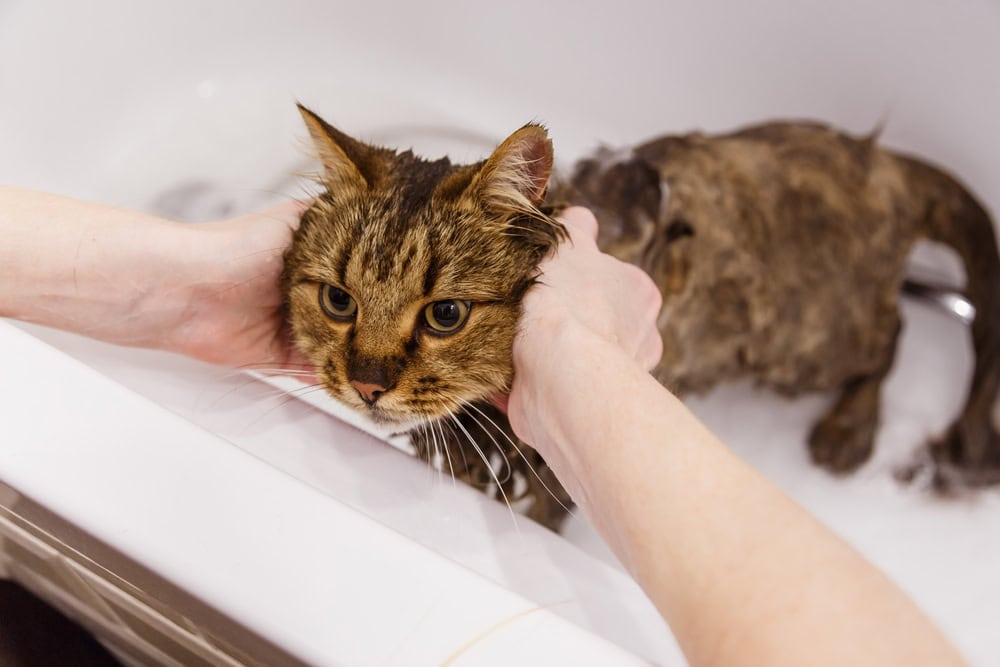
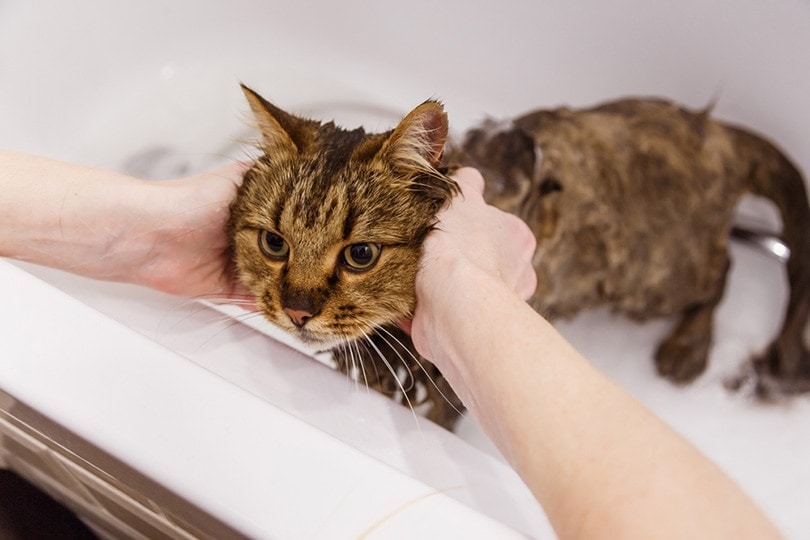
1. Place Your Cat in the Tub
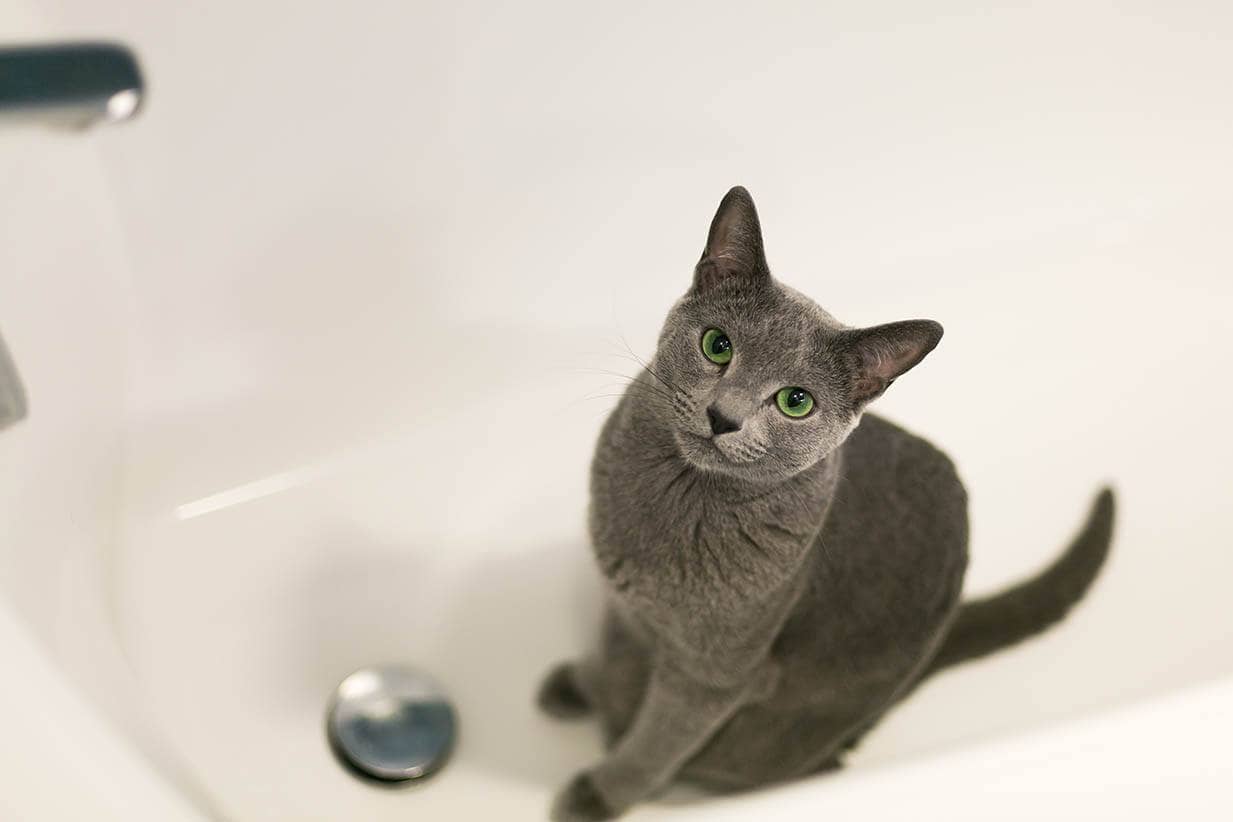
It's best to work quickly, as most cats dislike water and will likely be stressed. Stay calm and give them gentle, reassuring praise while they're in the bath. Try to hold them still while you work; a second pair of (gloved) hands can come in handy if you think you'll have trouble keeping your cat calm.
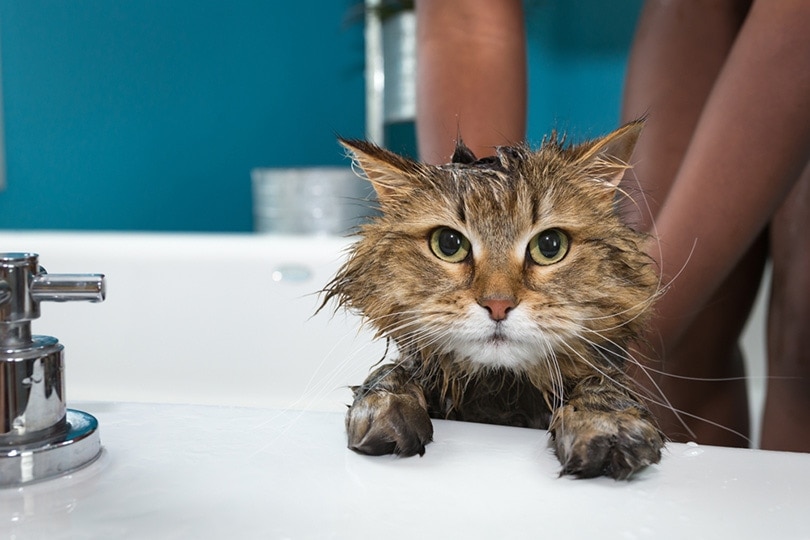
2. Wet Their Fur
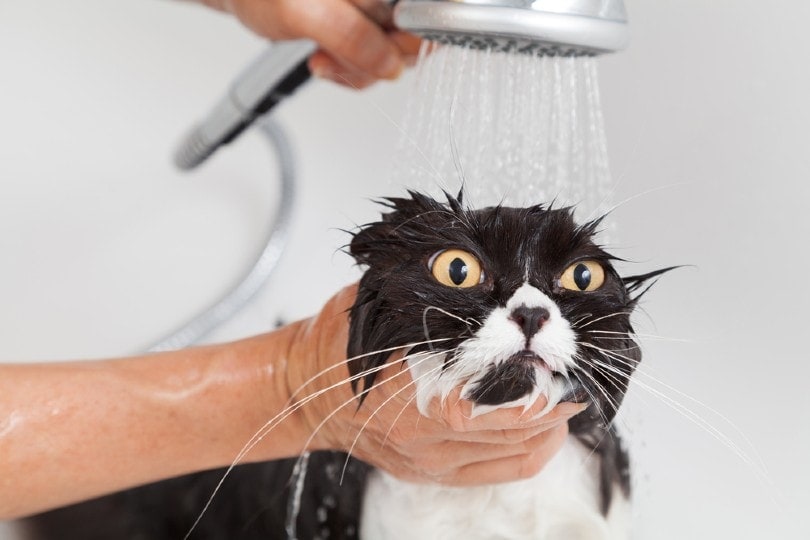
Remove your cat's collar and wet your cat's fur down with water from the faucet using the jug. Make sure this is warm water, and test it on your elbow before you use it on your cat. You'll want to ensure your cat is suitably wet, but try not to get water in their eyes or ears, and don't rinse their face. Most cats won't like this, so again, work quickly!
3. Use a Small Amount of Shampoo
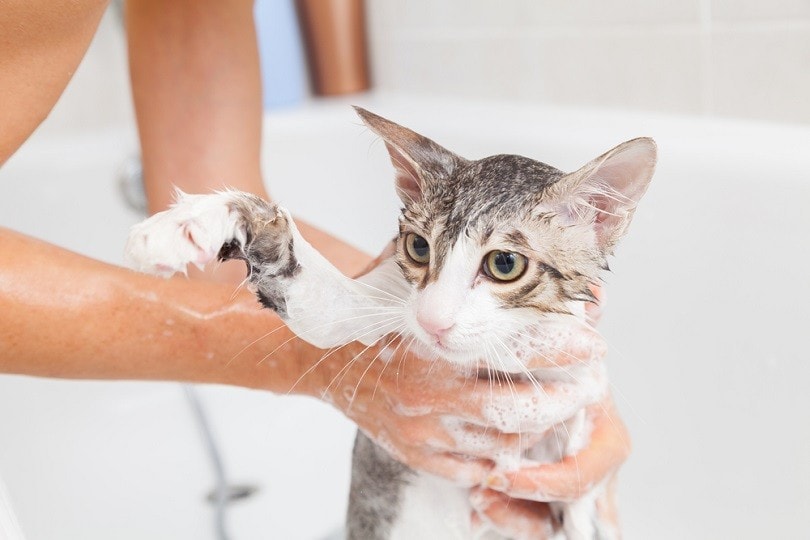
Once your cat is rinsed with water, use a small amount of shampoo (spread on your gloves) to lather onto your cat's fur. Be sure not to get shampoo in your cat’s eyes or mouth. You'll want to be very gentle but thorough, as the de-greasing properties need gentle motion to be effective.
This will help to pull all the urushiol from your cat's fur, and the gentle massage can calm them. Start at their neck and go down the body towards their tail, as this is likely where most poison ivy oil will be.
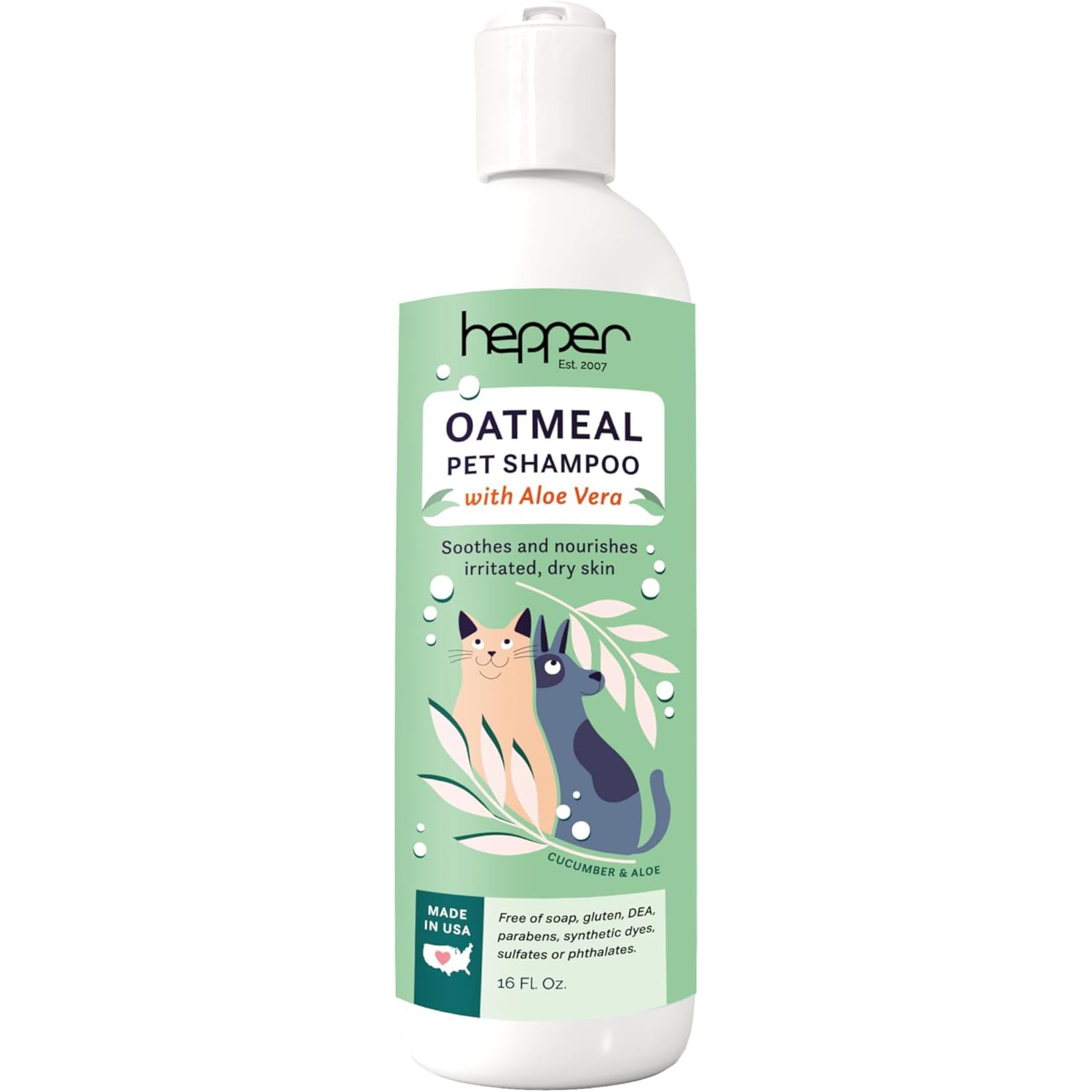
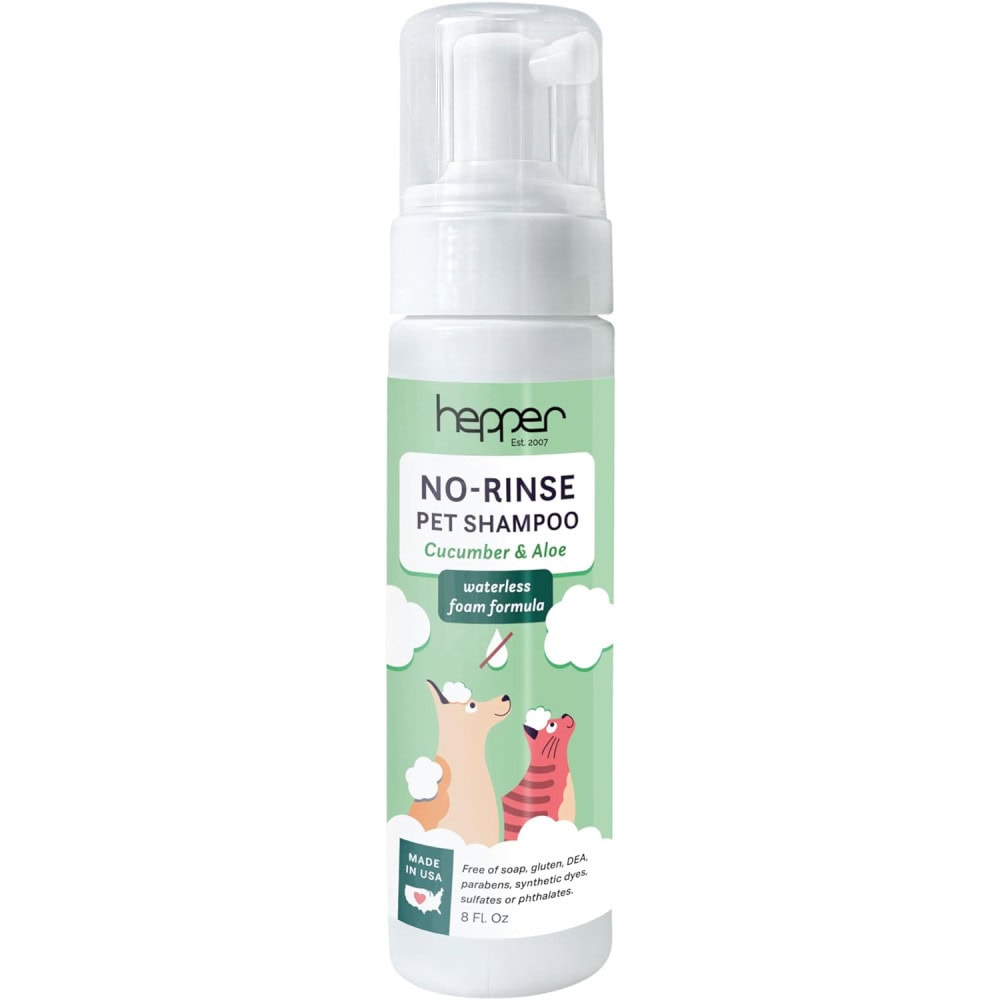
There are a lot of pet shampoos on the market, but not all of them will keep your pet's skin and coat happy and healthy. The Hepper Pet Shampoo products are pH balanced and made with natural, safe ingredients like soothing oatmeal and aloe vera. Our shampoos will keep your pet clean, smelling fresh, and fully moisturized! The hardest part is deciding whether to get to traditional shampoo or the rinse-free version! Here’s a quick guide to help you choose the right option for your pet’s next bath!
| Image | Product | Details | |
|---|---|---|---|
|
Hepper Colloidal Oatmeal Pet Shampoo |
|
Check Price |
|
Hepper Waterless No Rinse Pet Shampoo |
|
Check Price |
4. Rinse Well
When you're confident you've gathered every part of their body (apart from their face), you can begin to rinse them off with lukewarm water. It's best to do this from the faucet, as any water and shampoo run-off in the tub could contain urushiol and soap suds. Make sure you rinse your cat very thoroughly.
Any remaining shampoo can irritate your cat's skin, cause dryness, or can be ingested by your cat when they groom themselves. Plus, you want to make sure all the urushiol is rinsed out! To wash their face, use a clean, fresh washcloth dampened with lukewarm water.
Wipe it over your cat's face gently, but avoid the eyes and ears as these are extra sensitive. Rinse the washcloth and wipe their face again, removing any traces of oil.
5. Dry Thoroughly
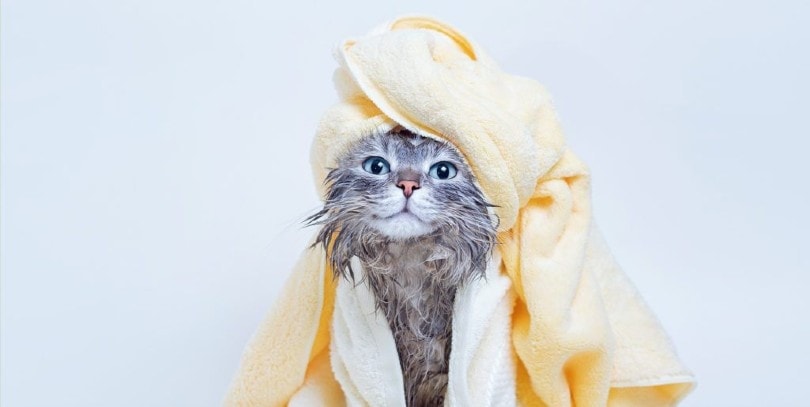
Once your cat is thoroughly rinsed, you can take your gloves off, get them out of the tub, and dry them off. Drying them quickly is important as cats can get cold easily. Dry them in a warm room and keep them inside until they dry. If they let you, you can even use a hairdryer on the lowest heat setting. If your cat has long hair, brush them as they dry to prevent tangles.
6. Treats!
After you've dried your cat, treats are definitely in order! Ensure your gloves are safely placed into a bag for disposal before treating your cat. It's important to reward your cat for good behavior!

Do I Need to Wash My Cat’s Collar?
If your cat was wearing anything when it came into contact with poison ivy, it could have the irritating urushiol oil on it. You should remove the collar before washing your cat and wash it to eliminate any oil contamination.
What Do I Do if My Cat Has a Rash From Poison Ivy?
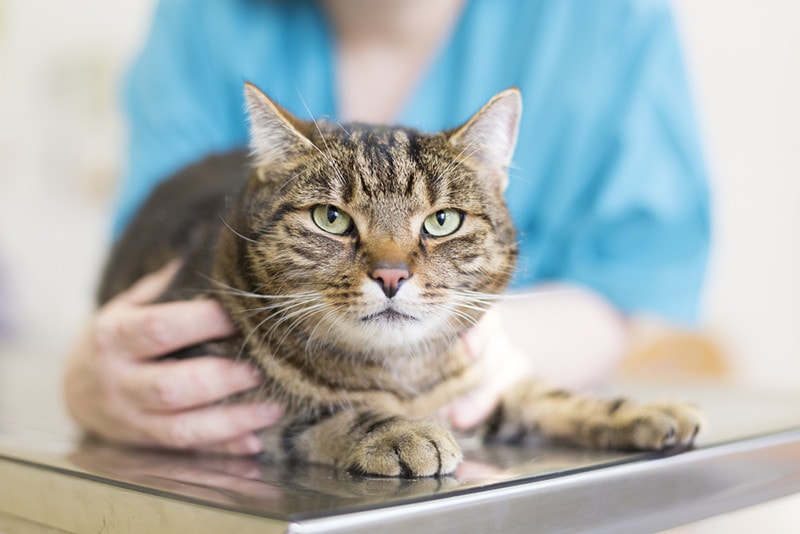
If you notice your cat has a rash when you think they've been around poison ivy, take them to the vet. It's unlikely that your cat will get any adverse reaction from poison ivy; it's non-toxic to cats if eaten, and their fur largely blocks the urushiol oil from reaching their skin. However, if you see a red and bumpy rash or blistering on your cat's skin, or if they seem very itchy and uncomfortable, it's a good idea to take them to the vet for treatment.
Can I Get Poison Ivy From My Cat?
While the irritating urushiol oil released from poison ivy plants might not be able to reach your cat's skin, we absolutely can pick it up from their fur! Cats can transfer the oil to our skin if we stroke them, causing redness, itching, swelling, and blistering.
Cats can also unwittingly transfer it to soft furnishings around the home, including our beds, if they decide to sleep on them! Urushiol is an allergen that nearly everyone is reactive to; only 15% to 20% of the population doesn't react to it.
How Do I Stop My Cat From Getting Poison Ivy?
It can be difficult to control where your cat goes outdoors or in the yard unless their area is restricted, such as by using a catio. However, there are some steps you can take to try and prevent your cat from being exposed to poison ivy in the future, the main one being ensuring it's not in the yard in the first place!
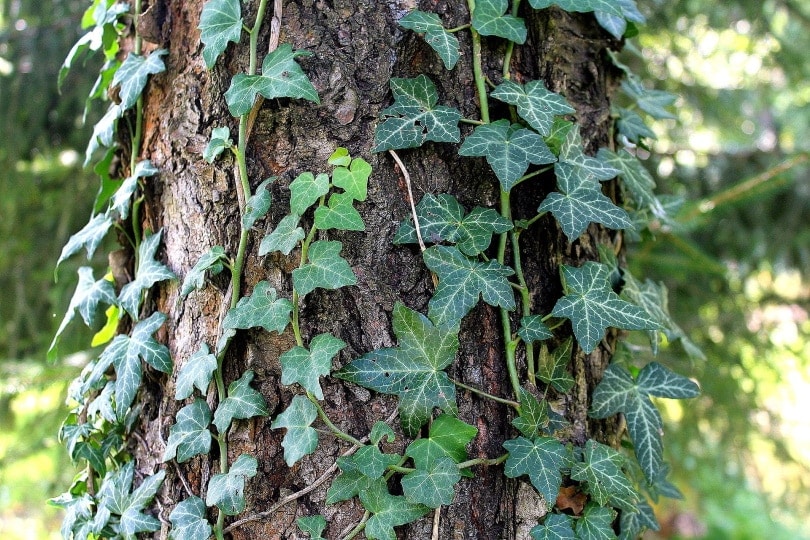
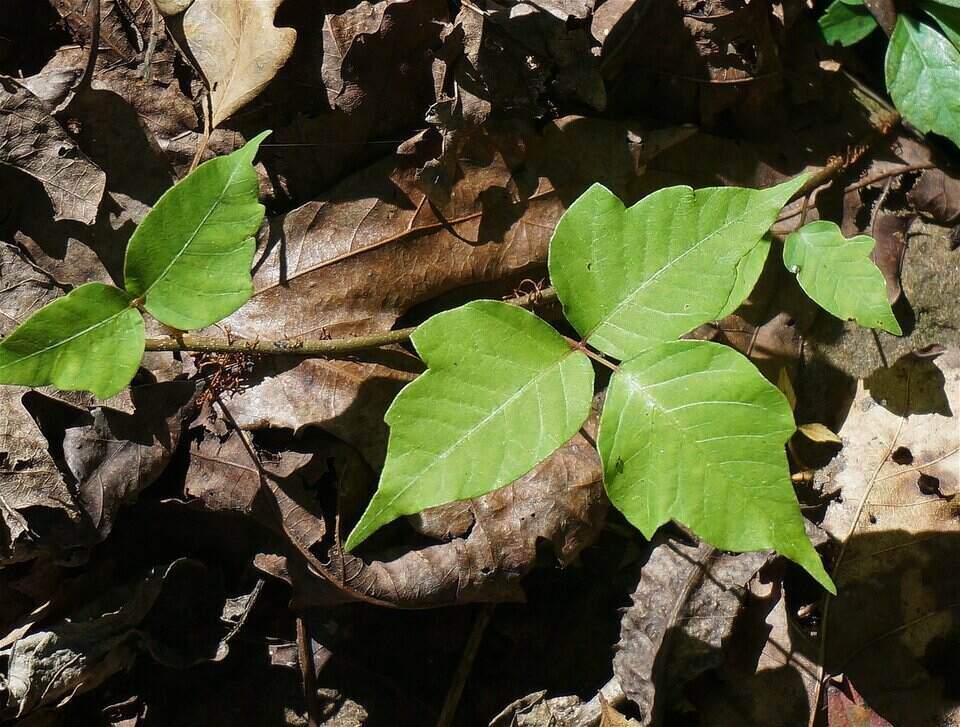
Recognizing the poison ivy plant is an important step in preventing exposure, and as the saying goes, "leaves of three, let it be." Poison ivy leaves come in clusters of three and commonly grow among weeds. Removing any poison ivy from your yard can prevent exposure. Using a catio is another way to restrict your cat's movement while keeping them entertained outdoors.
Final Thoughts
Poison ivy causes allergic skin reactions in people and cats. Cats are usually fine when they brush up against it, as their fur prevents the urushiol oil from reaching their skin. Unfortunately, this irritating oil causes a skin reaction and can be transferred to our hands when we pet our cats.
Washing your cat in a gentle, pet-safe degreasing shampoo is the best way to remove poison ivy. If your cat has an itchy rash you think might be from contact poison ivy, take them to the veterinarian for a check-up.
Sources
Featured Image Credit: Aleksandra Budnik, Shutterstock
Get Hepper In Your Inbox


Pet care tips from our vets and experts, straight to your inbox.
You may opt-out at any time. View our Privacy Policy for more information.
Beth is a mom to two babies: one with four legs, and one with two. Beth has years of practical experience as a veterinary care assistant, working in both the operating room and in consult, expanding her knowledge to gain certification in her favorite subject: feline behavior and well-being! When she's not writing about her favorite topics (cats, dogs, and creature comforts), she's looking after her two-year-old daughter and her energetic eight-year-old Nebelung, Kiba. When she gets a moment's respite, Beth loves to read fiction books. Horror is her number one genre, with fantasy and rich history being her second option.
Join the conversation
Ask a question, share your story, or send private feedback.