Hepper is reader-supported. When you buy via links on our site, we may earn an affiliate commission at no cost to you. Learn more.
How to Set Up a Rabbits Cage: Expert Tips & Tricks
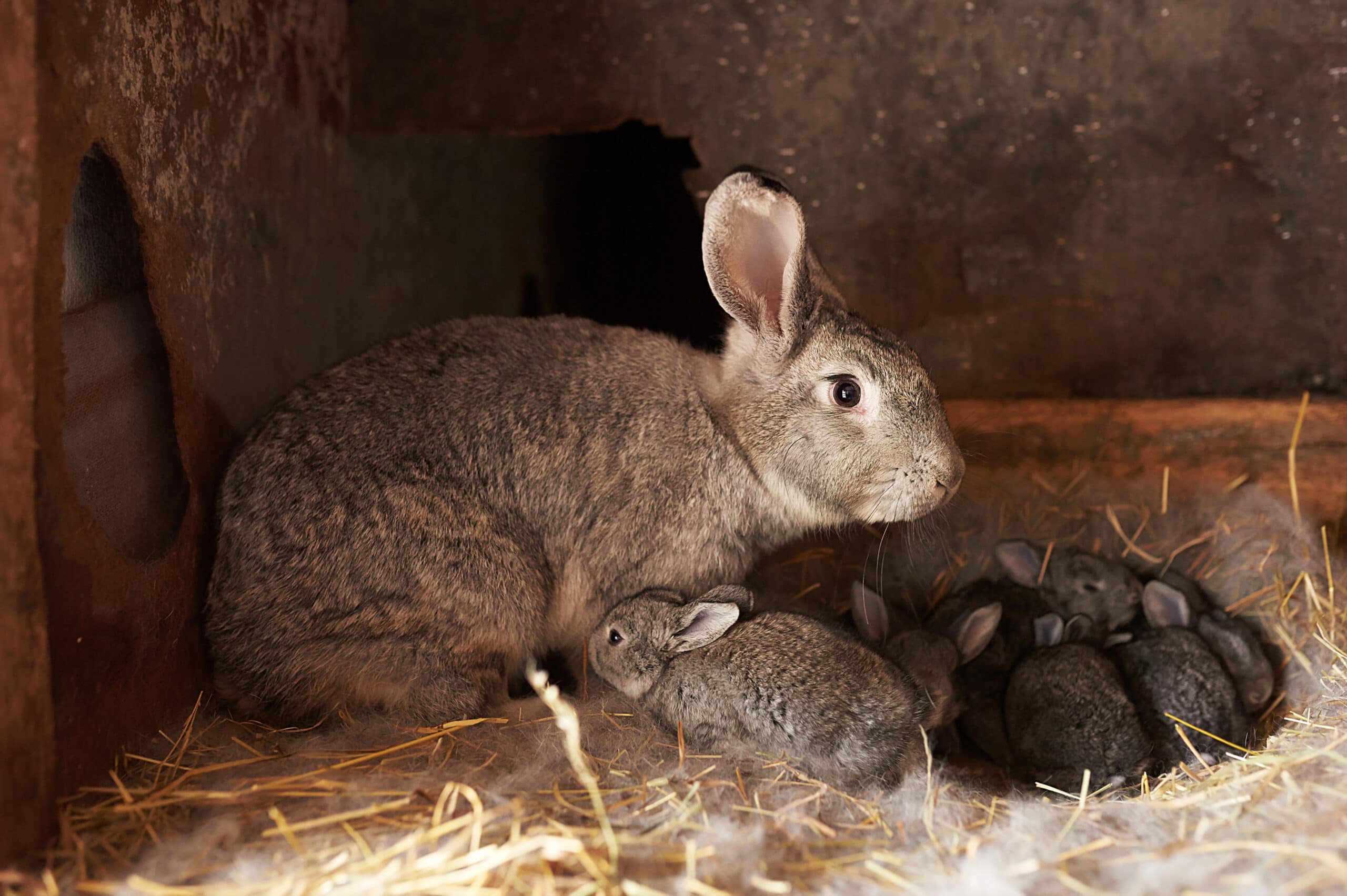
Congratulations on your new rabbit! Owning a pet is a responsibility that begins with suitable living quarters. Unlike dogs and cats, you should keep your bunny in some type of confinement, whether it’s a pen or a cage. Lagomorphs instinctively chew stuff to keep their ever-growing teeth in check. Unfortunately, they don’t know the difference between an electrical cord and a chew toy.
We recommend housing your pet indoors. Outdoor hutches require heating if you live in a northern climate. There is always the risk of a coyote or fox stumbling upon your rabbit’s cage. Thoughtful planning will make routine maintenance easier and provide a comfortable home for your rabbit.

The 15 Tips for Choosing a Rabbit Cage
1. Get a Cage Big Enough for an Adult Rabbit
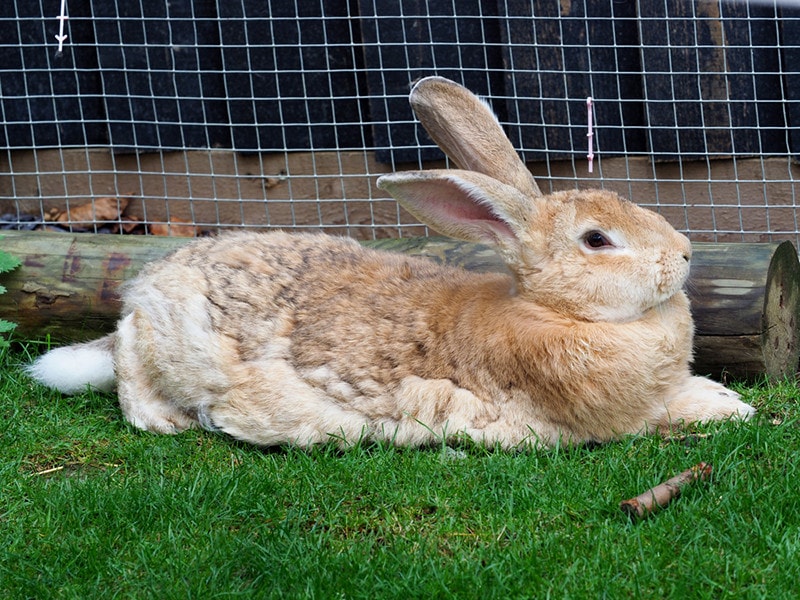
You can think of your pet’s cage as its home base. Even if it’s not going to spend a lot of time inside, you should still ensure it’s big enough for it to move around and stretch out without feeling cramped. We suggest getting one that is at least 4–6 times its adult size. Of course, that figure will vary widely depending on whether you have a Netherland Dwarf or Flemish Giant.
2. A Wire Cage Is Your Best Choice
Wood is an unsuitable choice for a cage. It’s next to impossible to sanitize thoroughly. It can also deteriorate and rot when you use cleaning products on it. Besides, your rabbit will likely chew it. A wire cage offers a better choice because it’s ventilated and easy to clean. You’ll also find that they are affordably priced, making them a budget-friendly option.
3. A Solid Floor Makes Clean Up a Breeze
You should get a cage with a removable solid floor or add one if it’s a plain wire cage. It will help contain the hay and bedding materials while providing a more comfortable surface on which your pet can lay. A wire floor can increase the risk of pressure sores on your rabbit. This tip applies even if you choose an outdoor hutch.
4. Get a Cage With a Large Door
Usually, cages come with a proportionally sized door. We suggest checking it before you buy one, though. Take into account how big your rabbit will get as an adult. It’ll make cleaning a lot easier if it isn’t a chore to get your pet in and out of its cage. Also, make sure it has a secure latch to prevent your bunny from escaping.
5. Don't Set Up the Cage in a Drafty Basement or Garage
One of the reasons we stress indoor enclosures is better climate control. Rabbits can come down with respiratory conditions, which a drafty room or hutch could worsen. Avoid putting the cage near windows, doorways, or registers. The optimal temperature for a bunny is what’s comfortable for you. Keeping the cage in the main part of your home will ensure it gets enough attention as well.
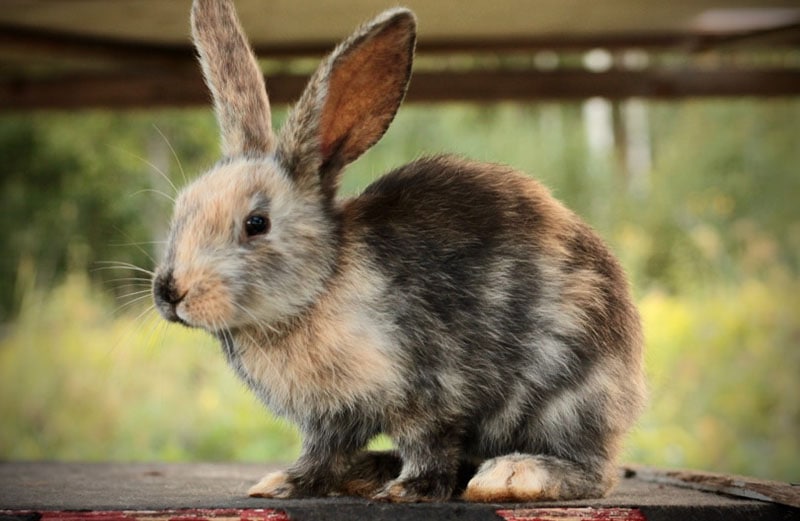
6. Add a Litter Box to Train Your Rabbit
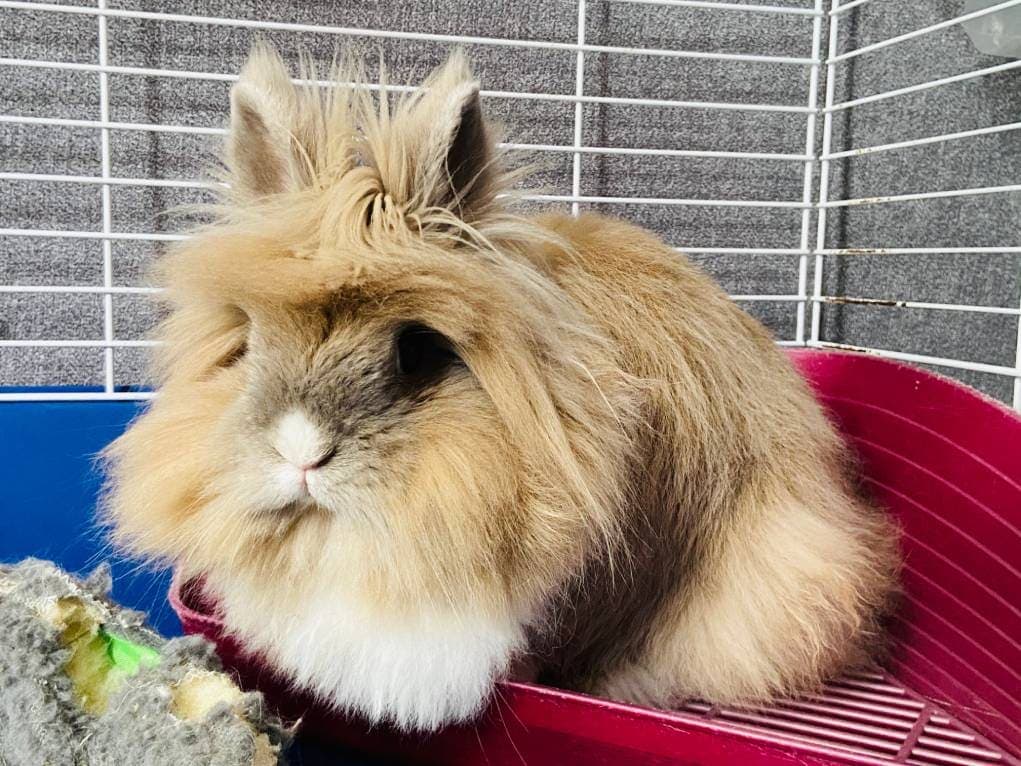
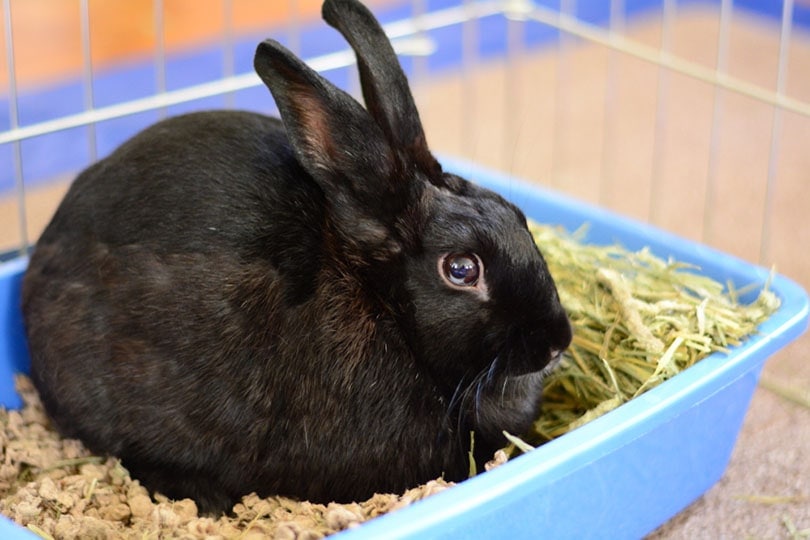
You can teach your bunny to use a litter box, not unlike a cat. Rabbits prefer clean living quarters and will use only a few areas of their cage. Put the box in a corner away from its food, water, and bed. You’ll make clean-up infinitely easier and save money on bedding when your rabbit figures out how to use the litter box.
7. Be Sure to Get a Non-Chewable Water Bottle
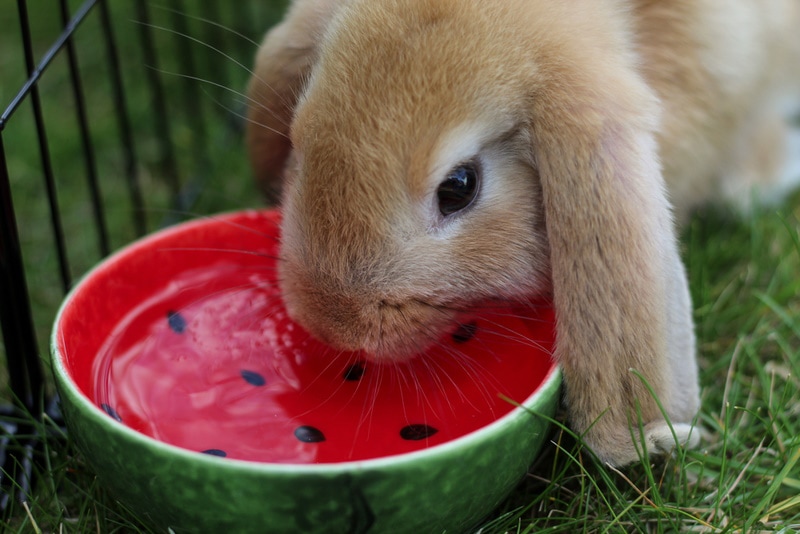
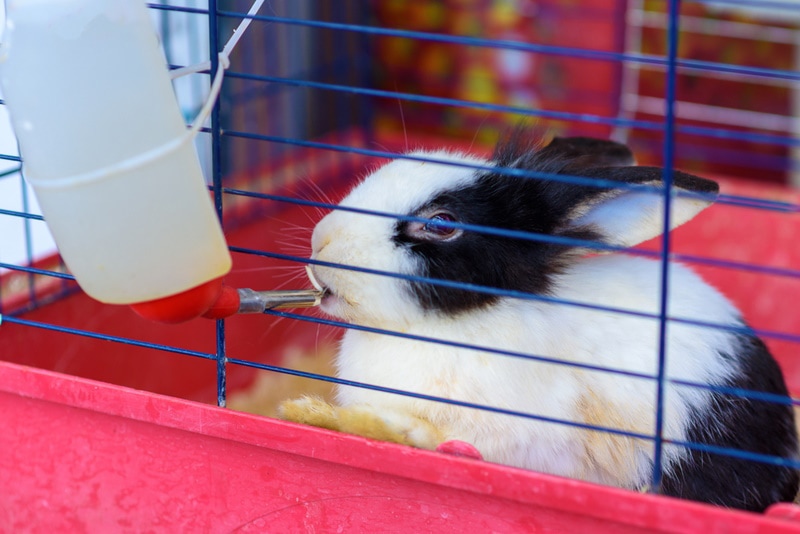
It’s common sense that you should always make fresh water available to your rabbit. A bowl isn’t practical since it will inevitably get tipped over. A bottle is an obvious alternative. However, you should get a glass or other durable bottle material for the same reason you would forego a bowl. Although its food provides some moisture, your bunny needs about 120 mL/kg per day.
8. Include Some Chew Toys for Mental Stimulation
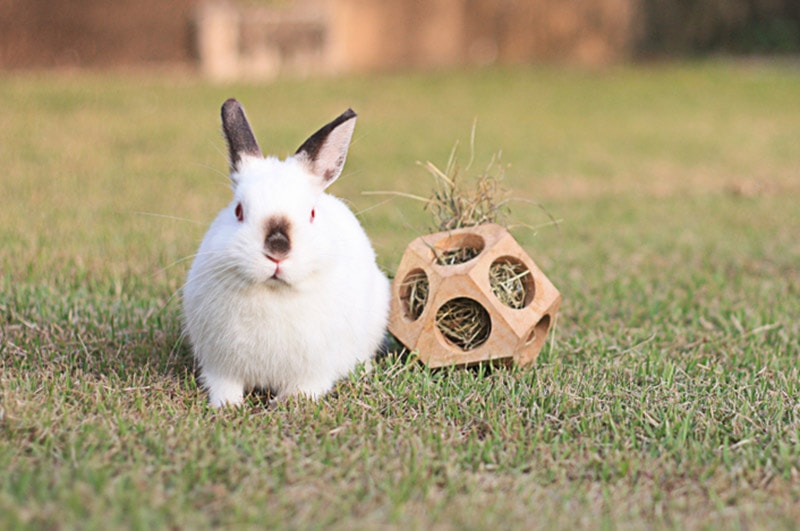
Rabbits are active animals, exploring their world while looking for food. A cage isn’t going to provide the same mental stimulation no matter how active your household is. That’s where toys enter the picture. They’ll provide things to keep your pet occupied when you’re not handling it during playtime. They’ll also give it something appropriate to chew.
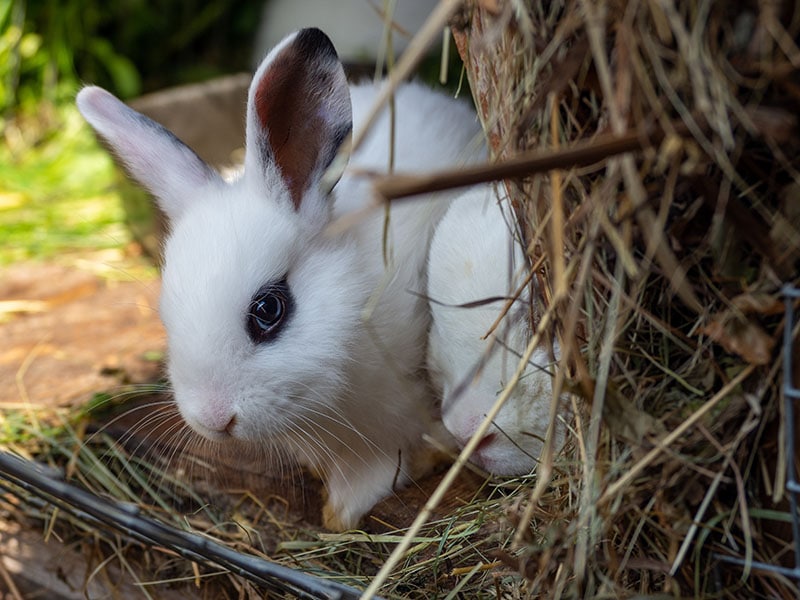
9. Add a Hiding Place So Your Pet Will Feel Secure
Rabbits are prey animals in the wild. Consequently, they’ll feel more secure in your home if you provide your bunny with a hiding place. Having walls around them will allow your pet to let down its guard. Instinct keeps them alert, a holdover that even domesticated animals experience. It’ll allow your bunny to rest more comfortably during downtime.
10. Always Keep Fresh Hay in the Cage
Fresh hay will provide the bulk of your bunny’s diet. That’s why it’s a smart idea to keep it available always. Your pet won’t eat the soiled roughage. However, swap it out with a new supply as your rabbit consumes it. Make sure to stick with timothy hay as its primary hay source. It provides excellent nutritional support and another way to keep your bunny’s teeth trim.
11. Pelleted Litter Is an Excellent Choice for Bedding Material
You’ll find many bedding choices available, often marketed for other small animals, too. We prefer pellet litter because of its absorbency. It can help ensure your pet’s cage stays dry. After all, damp bedding can harbor harmful bacteria that can cause respiratory issues. These products also provide a soft base for your bunny.
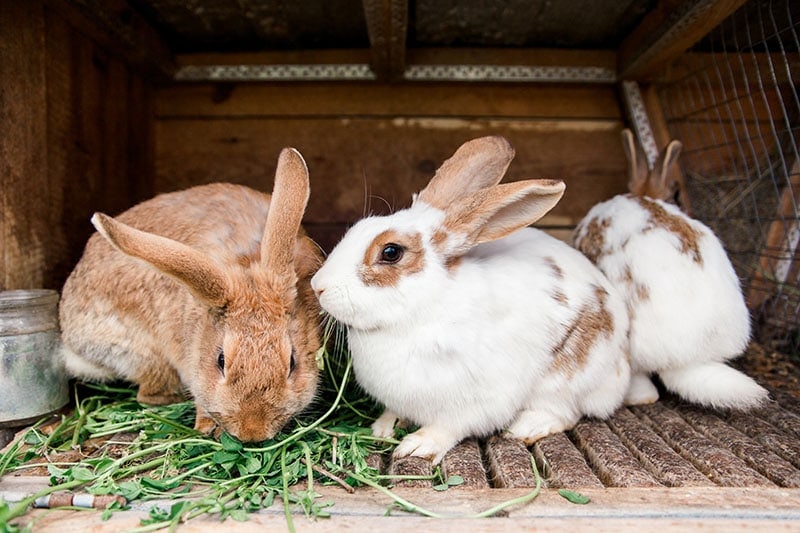
12. Always Keep at Least 2–3 Inches of Bedding in Your Pet's Cage
We recommend maintaining a 2–3-inch layer of bedding in your rabbit’s cage. That will ensure it stays dry and comfortable. Invariably, your bunny will kick some out when moving around inside it. The thick layer can prevent uncovered areas that probably aren’t as pleasant to lie on as the softer bedding can provide.
13. Set Up a Bunny-Proof Room
It’s essential to allow your rabbit outside of its change regularly. It probably won’t have enough space to exercise properly if it’s confined within its walls all the time. However, it’s equally important not to give your pet free reign of your home. Remember that these animals will chew whatever they find. An excellent solution is a bunny-proof space where cords and other hazards aren’t available or accessible.
14. Alternatively, Get a Pen for Playtime
If bunny-proofing a room isn’t practical, you can opt for the next best thing with a pen. Playtime offers mental stimulation and a way to work off energy to prevent obesity. Sadly, it’s an issue with rabbits, as it is with many other pets. A large play area will allow your bunny to run and burn off unwanted calories in a safe environment.
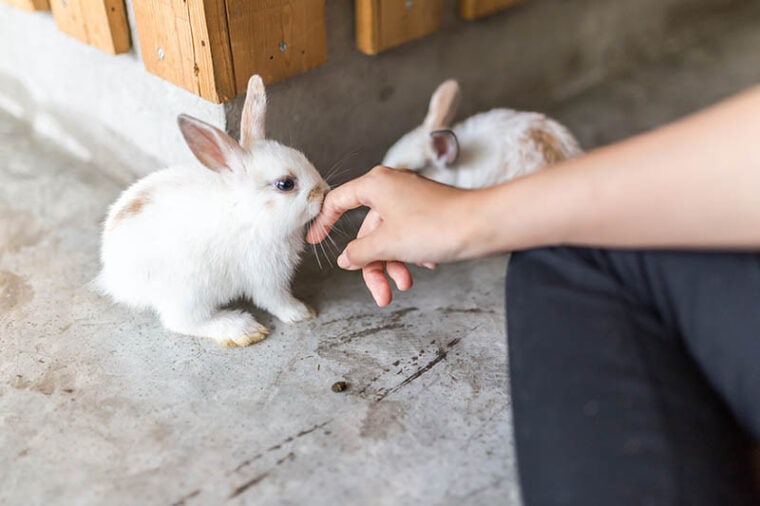
15. Thoroughly Clean Your Pet's Cage Weekly
No matter what the setup, you should thoroughly clean and disinfect your rabbit’s cage at least once a week. A mild bleach solution will take care of most disease-causing microbes. It’s also an excellent opportunity to wash your pet’s bowl and water bottle. You can make this task less stressful for your bunny by offering it a treat for putting up with the change in its routine.

Conclusion
Rabbits make excellent pets for children and provide a way to teach them the responsibility it entails. Setting up a bunny’s cage is a vital part of keeping it healthy both mentally and physically. We suggest keeping cleaning in mind when choosing a cage and its accessories. Make it easy for you or your kids to keep it a safe place for housing your long-eared friend.
Featured Image Credit By: Taras Atamaniv, Shutterstock
Get Hepper In Your Inbox


Pet care tips from our vets and experts, straight to your inbox.
You may opt-out at any time. View our Privacy Policy for more information.

Chris is an experienced pet writer specializing in science topics, with a particular passion for health and the environment. She has been a writer for over 15 years and lives with her husband and three cats in Michigan.
Beyond writing about cats and dogs, Chris loves to learn about wine. She has WSET 1 and 2 certifications and is currently pursuing her Certified Wine Specialist Award (CSW).
Join the conversation
Ask a question, share your story, or send private feedback.