Hepper is reader-supported. When you buy via links on our site, we may earn an affiliate commission at no cost to you. Learn more.
How Long Can You Leave a Rabbit Alone? 7 Vet Approved Tips


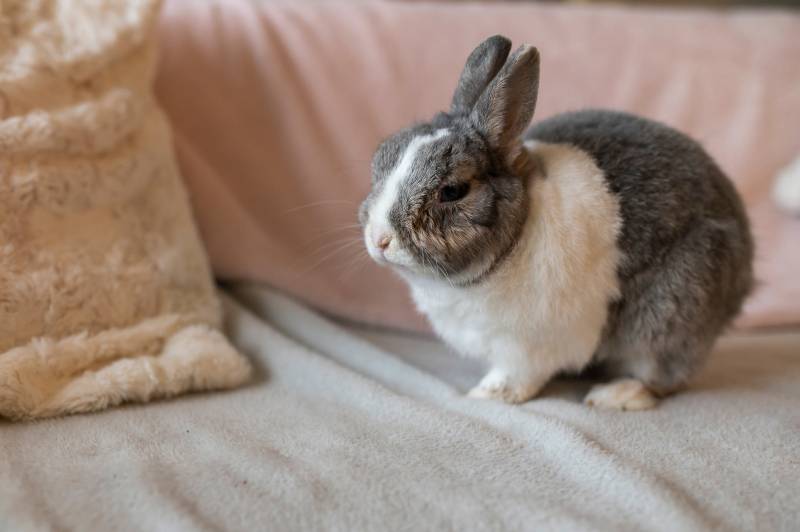
Rabbits, as with any pets you may have will, need to be left alone from time to time. We all lead busy lives with work or school commitments, vacations, appointments to attend, and unexpected events cropping up, meaning leaving your bunny alone for a period of time will be inevitable.
This may be something you are concerned about doing, and you might be wondering, rightly so, how long you can leave a rabbit alone for. The answer is relatively straightforward: generally, you can safely leave your rabbit alone for 8-12 hours. Read on for seven great tips on how to make their alone time the least stressful for them and for you.

How Long Can Rabbits Be Left Alone?
Anything longer than 24 hours is too long. Indeed, it's considered by many professionals and rabbit owners that even 24 hours is too long to be left alone, and 8–12 hours is preferred. Rabbits are not as low-maintenance pets as they often are claimed to be, and they are very sociable creatures. Therefore, those rabbits who are housed alone are more needy or require more attention and care should not really be left any longer than 3–6 hours.
Always remember too that you as their pet parent know your bunny best, and if you feel they can only manage 2 hours or so alone, then follow your instincts on this.
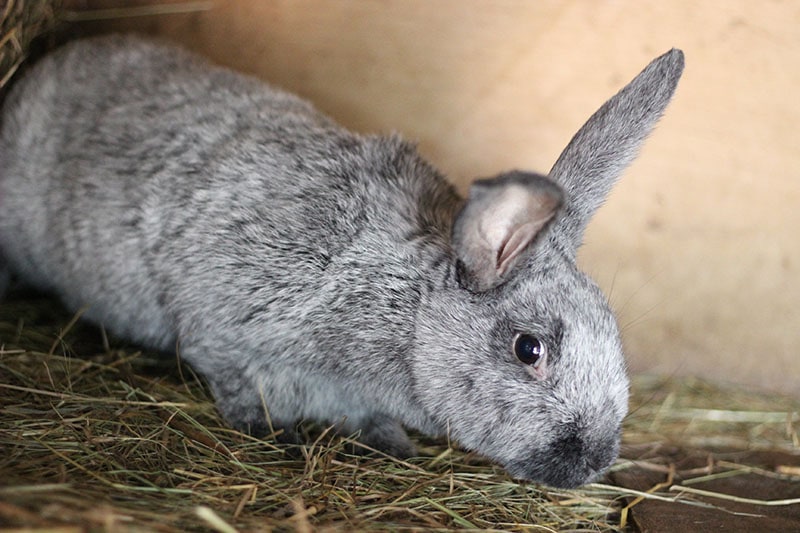
Reasons why your bunny can’t be left longer than the times indicated include:
The 7 Tips for Leaving Your Rabbit Alone
Below are seven tips to assist you in successfully leaving your rabbit alone. You can always consult your veterinarian for advice and concur on a plan that works specifically for you, your lifestyle, and your rabbit.
1. Wait Until They Are Old Enough
This is a rough estimate, which may vary from rabbit to rabbit, but around 4 months old is considered old enough to leave them alone. By this age they have matured more, feel more secure, and their health and immune systems have developed better.
2. Have a Companion for Them
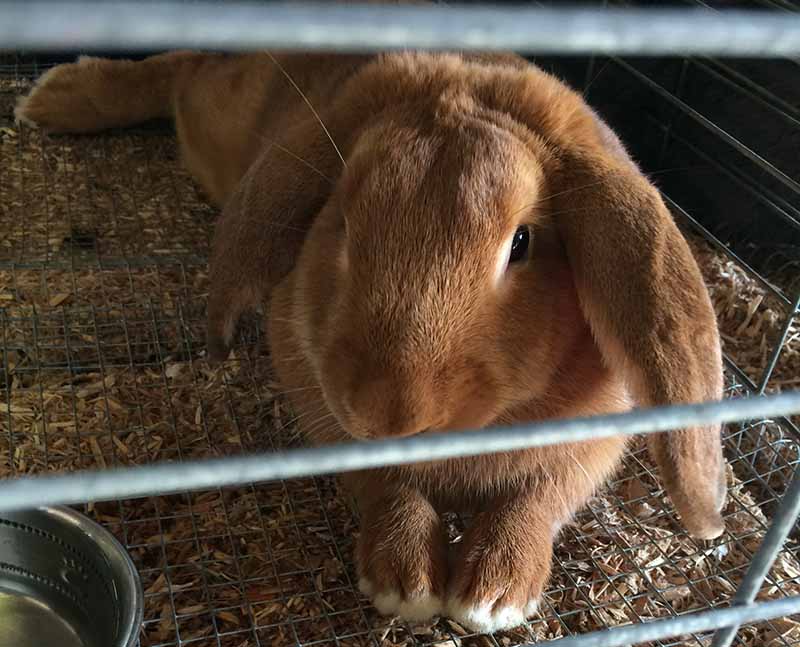
If possible, get your single rabbit a friend. Rabbits are much happier when in pairs or groups. They dislike solitude, and being alone deeply affects them mentally and physically. If they have at least one buddy, not only are they happier but it's also believed to assist them in living longer, and who doesn’t want that?
If you are nervous or concerned about introducing a new rabbit into the fold, your veterinarian can walk you through this. They will also be able to advise you on neutering your rabbit or rabbits to prevent unwanted pregnancies and behavioral or hormonal conditions.
3. Give Your Rabbit Space
I’m sure you’ll agree that having more space and freedom around you feels much better than the alternative, and rabbits are no different. Unfortunately, rabbits are often housed in too small of hutches and environments, with little space to exercise. This makes leaving them alone a bigger and more stressful problem.
Make sure they have enough room to move, exercise, and hop about, ideally in an outdoor pen or run that is safe and accessible. Indoor versions of these pens and runs are also available. Lack of exercise or movement for rabbits leads to conditions like obesity and weight problems, as well as mobility and joint issues.
4. Keep Their Space Clean
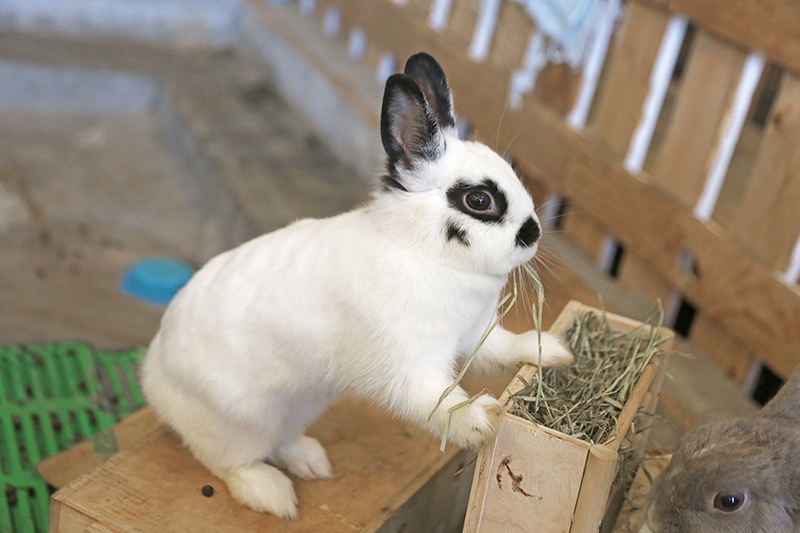
Rabbits love a clean space. They also have high personal hygiene standards. Bunnies often self-groom or groom each other, but occasionally, you may need to step in with a brush and regularly check delicate areas to ensure everything is clean and tidy to prevent unwanted problems in the future, like flystrike.
Keep their hutch, living quarters, and any areas they use clean. Replace any litter trays or dirty bedding, shavings, or sawdust. Give blankets a good shake too, as it makes them feel fresh.
5. Consider a Pet Sitter
If you are going to be away longer than 24 hours (or the correct timing for your rabbit), a pet sitter is an ideal solution. This may be a friend, a neighbor, or a relative you can trust.
Professional pet sitters are in plentiful supply, but do your due diligence in research to ensure you are happy with their experience and trustworthiness and that you feel comfortable with them. Ensure they know your rabbit's routines, feeding schedule, food type, allergies, health conditions, and other information. Leave your veterinarian’s contact details, as well as details as to where you can be reached. It's helpful to invite them over prior to your leaving so all parties can become familiar with each other.
Pet sitters are generally a good option since they come to your home, which is much preferred to carting your bunny off to someone else’s place. This type of situation can be far too stressful for rabbits. The other answer to consider in these scenarios is a boarding facility, which is handy for longer stints away from home.
6. Rabbit Proof Your Home
If you are bringing your rabbit indoors or they are already an indoor or house rabbit, proofing your home is absolutely necessary, especially if they are to be left alone. It's better, perhaps, to take advice from your veterinarian or rabbit expert for the best approaches in these cases, so nothing gets missed. In short, proofing your home includes:
- Covering, removing, or protecting anything they can chew or gnaw on, such as wires, chargers, furniture, wall edges, and personal items, such as books, magazines, and newspapers.
- Remove any and all toxic plants and materials from their reach.
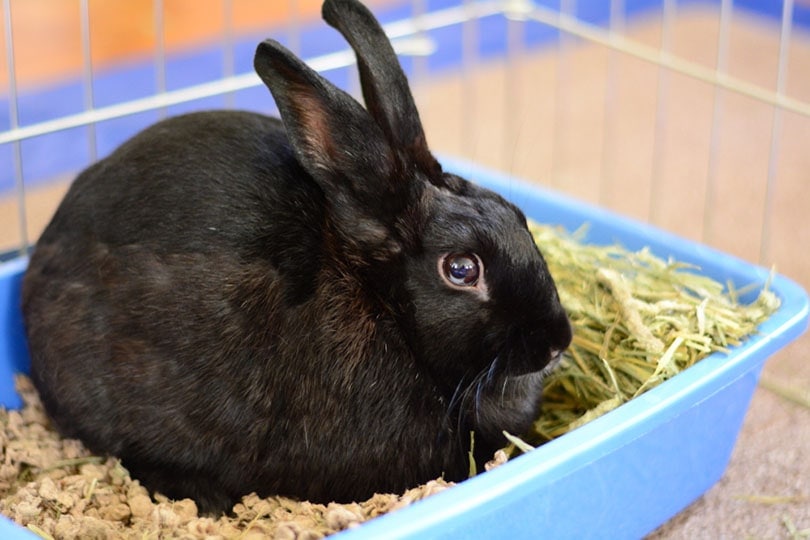
- Provide a litter box for them.
- Provide a rabbit-safe indoor playpen or run.
7. Be Organized!
This is a simple tip but still worth mentioning, particularly if enlisting the help of a sitter or multiple carers for your rabbit. Write down the dietary requirements of what they eat, the amounts, and when, along with a schedule for hutch cleaning and bedding changes. It makes such a difference to all involved in their care!


Conclusion
It can be daunting leaving your rabbit alone, wondering if they will be okay. And while it isn't something you want to do for long hours, with the correct approaches and care put in place, it can be done successfully. Be sure to spend time with your rabbit friend once you arrive back home. They will have missed you and want some extra attention and time with you!
Sources
Featured Image Credit: Garcia Celine, Shutterstock
Get Hepper In Your Inbox


Pet care tips from our vets and experts, straight to your inbox.
You may opt-out at any time. View our Privacy Policy for more information.
Annaliese began her career as a veterinary nurse in Edinburgh, later advancing her qualifications with a diploma in advanced veterinary nursing in surgery from London. Her work in small and mixed veterinary practices led her to become a head nurse, where she trained other veterinary nurses, managed the nursing department, conducted nurse clinics, and developed new patient care protocols.
Throughout her career, Annaliese has cared for thousands of patients and their owners, setting higher standards in nursing regimes with a focus on surgery and anesthesia. She co-authored multiple veterinary nursing textbooks and contributed to various mainstream publications in the UK and USA. After more than twenty years in the veterinary and pet care professions, she retired from clinical practice to pursue full-time writing. Having cared for thousands of patients and owners, Annaliese specialized in surgery and anesthesia. She was asked to co-author several veterinary nursing textbooks and contributed to a number of other publications in the UK and USA. After more than two decades in the veterinary and pet care industries, she retired her scrub suit and now works as a full-time writer.
Annaliese Morgan has been a dedicated veterinary nurse for over two decades, having completed a diploma in advanced veterinary nursing in surgery from London and qualifying from Edinburgh. Her professional experience includes managing a nursing department, training other veterinary nurses, providing patient care, and running nurse clinics in both small and mixed veterinary practices.
As an expert in surgery and anesthesia, Annaliese has treated thousands of patients and owners. In addition to being asked to co-author multiple veterinary nursing textbooks, she has written for a variety of publications in the UK and USA. After a long and successful career in the veterinary and pet care professions, Annaliese now dedicates her time to writing full-time. You can find out more about her work at www.annaliesemorgan.com.
Join the conversation
Ask a question, share your story, or send private feedback.