Hepper is reader-supported. When you buy via links on our site, we may earn an affiliate commission at no cost to you. Learn more.
How to Get a Rabbit to Drink Water: 8 Simple Tips


In this article
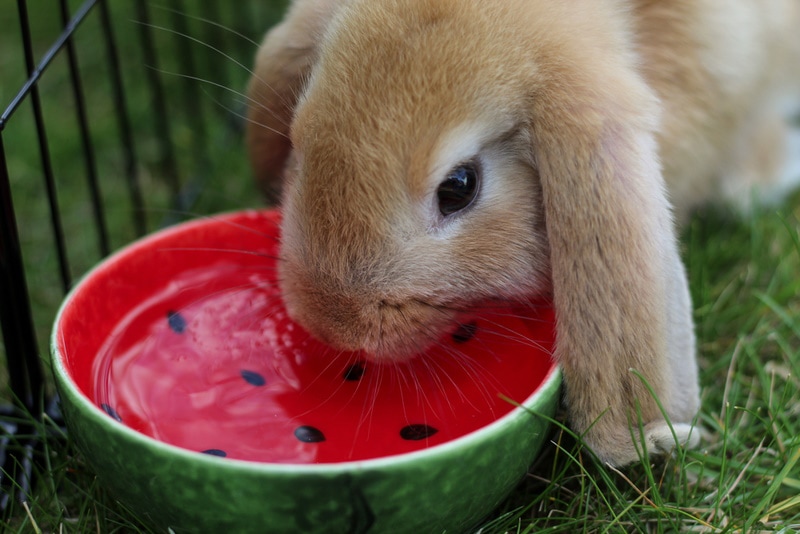
Water is as vital to rabbits as it is to other mammals. Rabbits actually have a relatively high water intake compared to some other animals, partly based on the foods they consume and their digestive system. While rabbits will get some of their daily water requirement from fresh veggies, it's essential that they have easy access to a fresh supply of drinking water.
Most rabbits will naturally drink the water their body needs, but some may be a little picky about their water source. You may also want to encourage them to drink more on a hot and dry day.
Fortunately, there are some steps and tips that you can use to help encourage even the most difficult of rabbits to drink more.

The 8 Simple Tips to Get a Rabbit to Drink Water
Here are some tips to encourage your rabbit to drink more water:
1. Offer a Choice
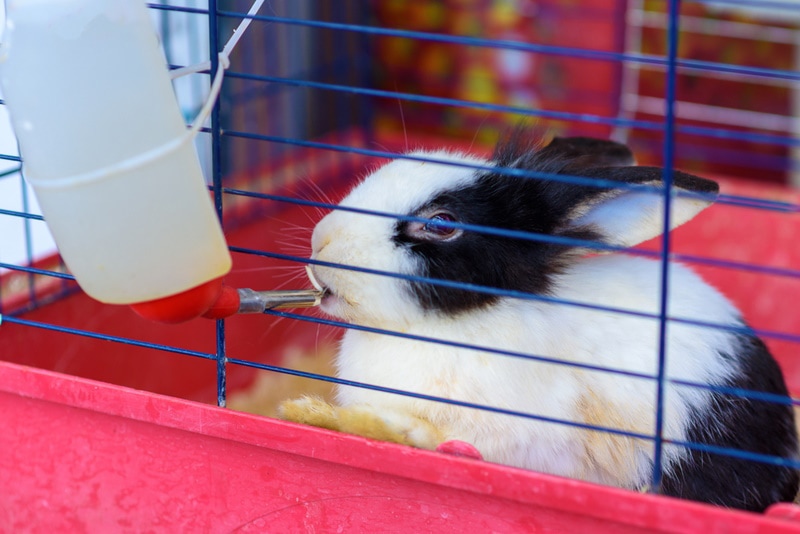
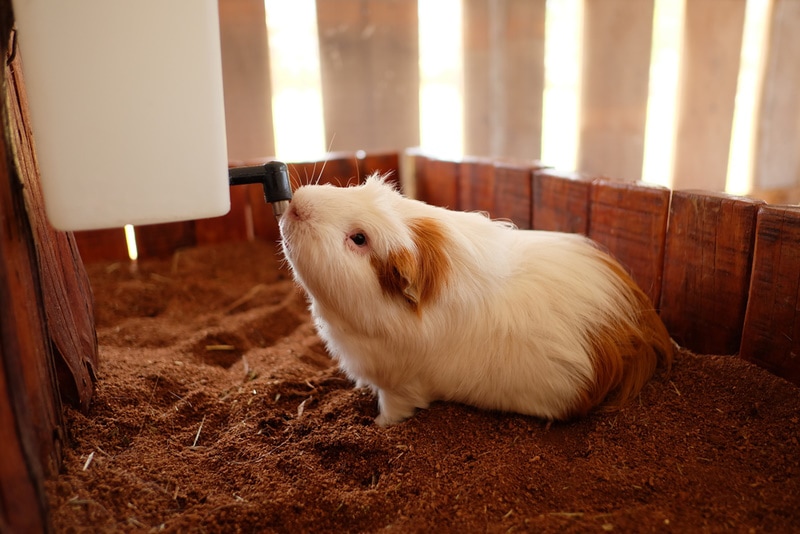
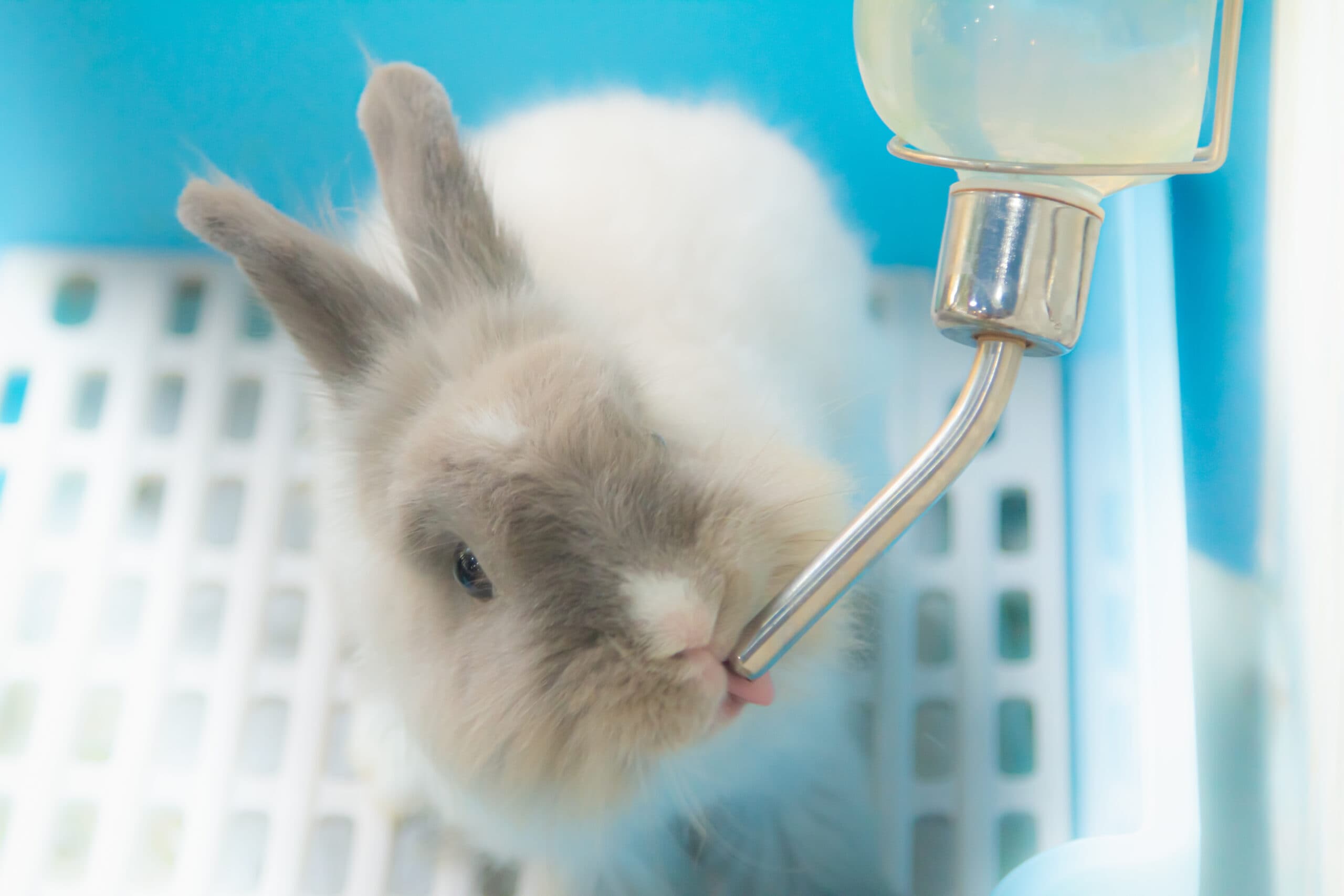
Many rabbit owners offer a water bottle that attaches to the cage, and many rabbits will drink from the bottle quite readily. However, bottles are not a natural source of water for pets, and it may be that your rabbit simply doesn’t understand how to get water from a hanging bottle.
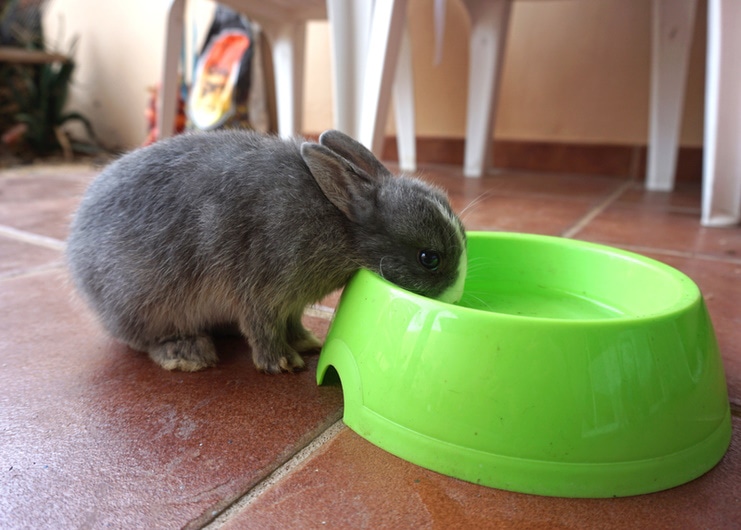
Alternatively, if you have adopted or taken on an older rabbit, it may not be used to drinking from a bowl and may have only ever been provided with a water bottle. Offer a bowl of water as well as a bottle. You can monitor the water level over time to determine which is your rabbit’s preferred receptacle and get rid of one, but it is usually best to offer a choice.
Remember bowls can get knocked over and the spout of bottles can easily get blocked so both must be regularly checked.
2. Water Their Greens
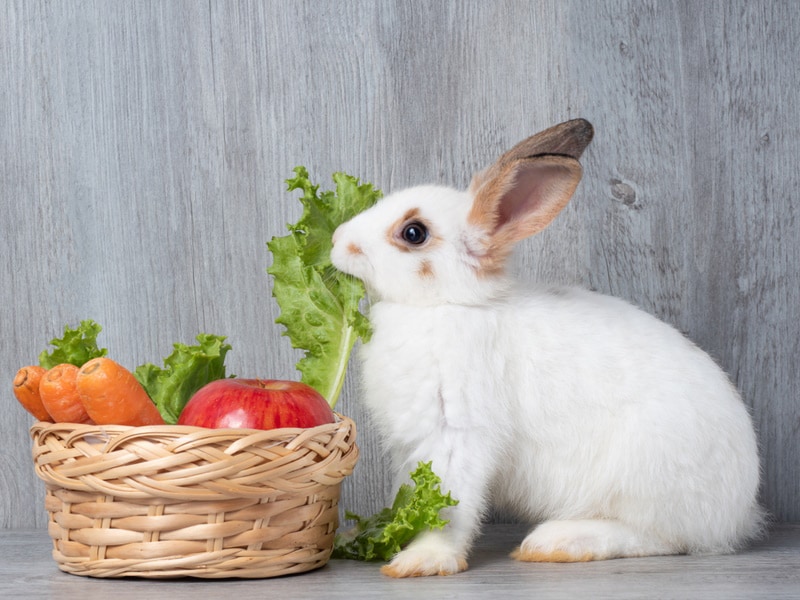
Offering vegetables with a higher water content such as bell peppers and cucumber or sprinkling some water on their leafy greens can help increase their water intake. This can be helpful on a hot day when a rabbit's water intake will need to be higher. Always discuss any dietary additions with your vet and introduce any new foods gradually.
3. Add Herbs
Another way to make water more appealing is by adding some aromatic, fresh herbs. Basil, mint, and rosemary all have a strong aroma and are safe for rabbits to eat. Try adding a few leaves to your rabbit’s water bowl and see if this encourages them to drink water more freely.
4. Make Sure the Temperature Is Right
Generally, rabbits prefer water that is at room temperature. Make sure the water you provide isn’t too warm, or too cold, because too extreme a temperature might be what is putting your furry friend off. Rabbits are usually okay with cold water but tend to dislike water that is too warm. Be mindful in winter that water bottles and bowls can freeze making it impossible for your rabbit to drink.
5. Try Different Water
Generally water sources that are safe for us to drink are ok for your rabbit. However, different water sources have different flavors, and if your rabbit isn’t enjoying the flavor of tap water, you may have to consider moving to filtered water. Water filter jugs are relatively inexpensive and they do filter out some of the impurities and minerals in tap water. This may get rid of any flavor that your rabbit doesn’t like and encourage them to drink again.
6. Make Sure the Water’s Fresh
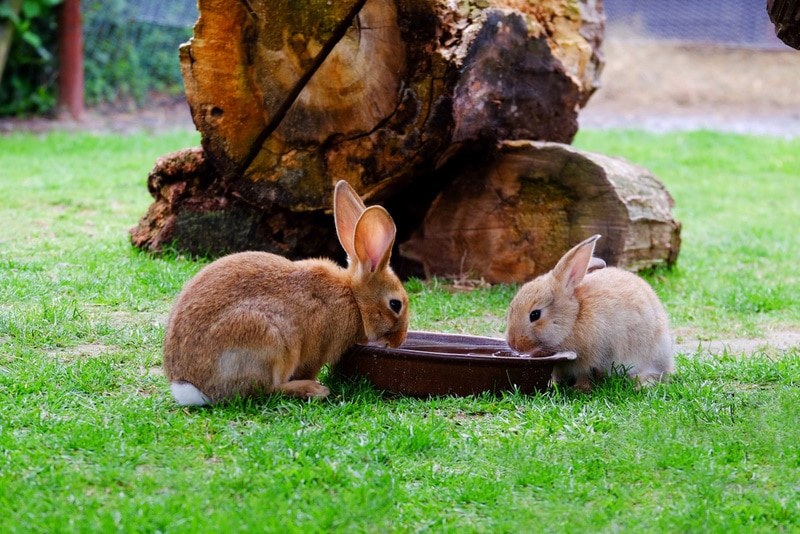
Rabbits need fresh water and not water that has been sitting for several days and is slimy. If you have an especially large bottle or bowl, it might be tempting to fill it to the brim so you don’t have to change the water as often, but the reason your rabbit might be leaving its water could be that it has gotten warm and may have bits floating in it. This can mean that your rabbit doesn’t trust the water source and may view it as a potential threat. Change the water daily to ensure that it is always clean.
7. Clean the Bowls and Bottles
Similarly, if the bowl or bottle has got dirty, this dirt can transfer to the water, so even if you are changing the water out every day, it may not eliminate the problem. Give the bowl and bottle a good clean, and ensure you clean them every time you clean out the hutch or cage.
8. Speak to Your Vet
Your vet is your best source of advice on your rabbit’s drinking habits, dietary requirements and health. If you are concerned that your rabbit is not drinking enough or they are showing any signs of illness then you should take them to your vet for a checkover straight away.
Why Is Water Important?
Water makes up approximately two thirds of your rabbit’s body. It is vital for all basic bodily functions, including the circulatory system, digestion and waste removal. It is also essential for body temperature regulation. A lack of water can quickly be fatal so it’s extremely important that we make sure our rabbits have ready access to fresh water and are drinking enough.
How Do I Know If My Rabbit Is Dehydrated?
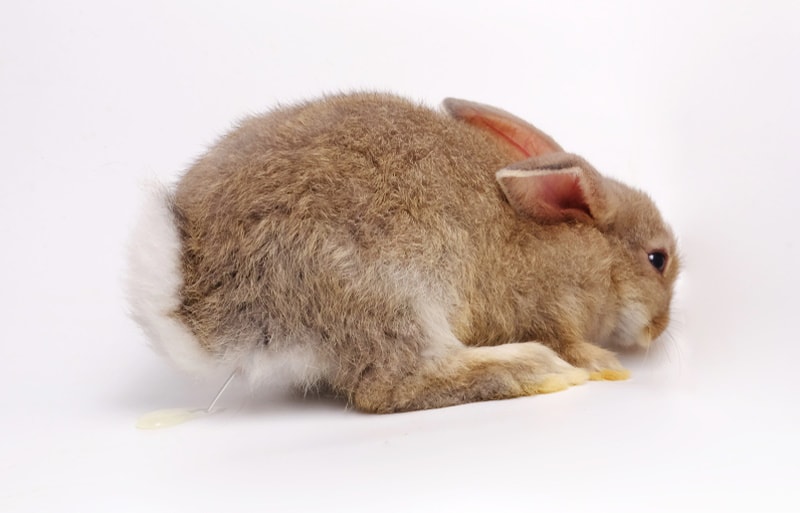
Signs of dehydration include poop that is smaller and darker than usual as well as thick, dark urine. Your rabbit will likely be more lethargic and less energetic than normal and they may have a reduced appetite.
Rabbits are prey species and are wired to mask any signs of illness or injury until they are critically unwell so as not to show signs of weakness to predators. Therefore if you notice any concerning changes in your rabbits behavior such as a reduced water intake, appetite or activity, consult with your veterinarian straight away.
Do Rabbits Prefer a Bottle or Bowl of Water?
Although most rabbits can be trained or persuaded to use a water bottle, most prefer a bowl because this is more natural than a bottle. If your rabbit is refusing to drink water from either form of container, try adding the other. And always ensure that the bowl and bottle is clean, and the water is changed regularly.

Conclusion
Water is crucial to the survival of all animals and rabbits actually need more water than most comparable species. While they do get some of the water they need from fresh greens and other food, the majority of their water intake will come from a direct water source, typically provided from a bottle or bowl, or both. The amount of water they need to drink will depend on the weather, how active your bunny is, and the water content of their food.
Try the tips above to encourage your rabbit to drink more water. If these fail, or your rabbit is showing any signs of illness then consult with your vet straight away to ensure that your rabbit does not become dehydrated, which can cause serious illness and major problems.
Featured Image Credit: Marie Yang, Shutterstock
Get Hepper In Your Inbox


Pet care tips from our vets and experts, straight to your inbox.
You may opt-out at any time. View our Privacy Policy for more information.
Nicole is a lover of animals of all sizes but is especially fascinated with the feline variety. She’s the proud mom of Baby, a Burmese, and works every day so he can relax in the sunshine or by the fire. She’s always had a cat in her home and has spent countless days with others, observing behaviors and softening up even the grouchiest of the lot. Nicole wants to share her kitty expertise with you so you and your cat can live happy, healthy, and care-free.
Join the conversation
Ask a question, share your story, or send private feedback.