Hepper is reader-supported. When you buy via links on our site, we may earn an affiliate commission at no cost to you. Learn more.
Dog Losing Hair Around Their Eyes? 9 Vet-Reviewed Reasons Why, and What to Do


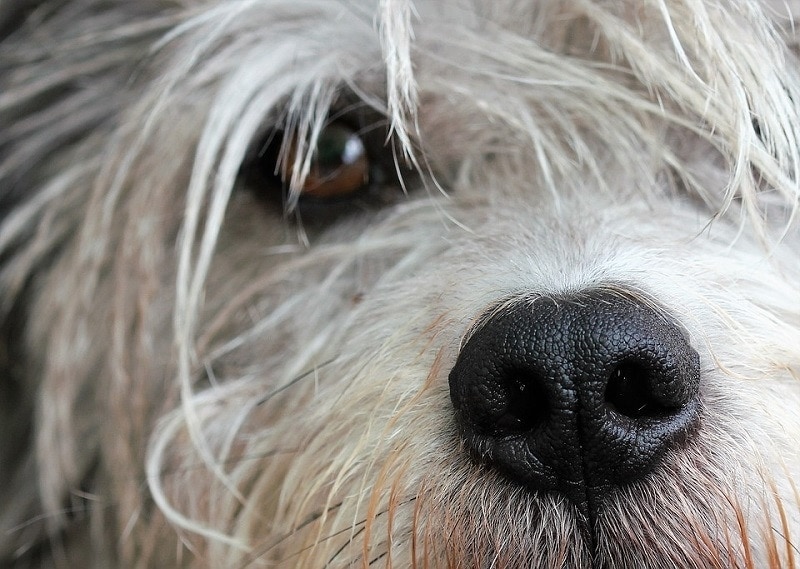
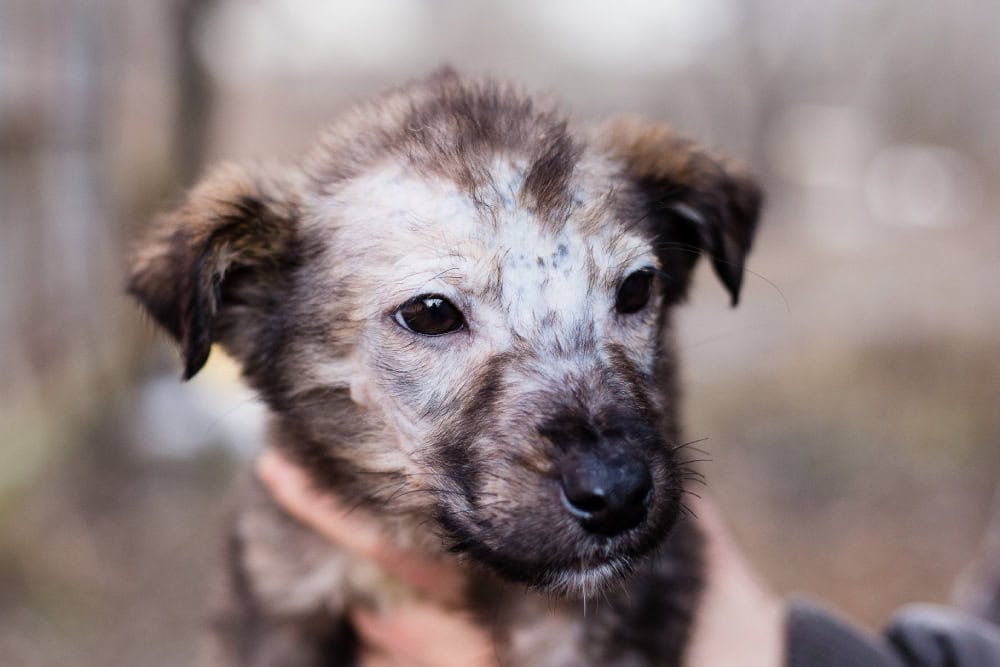
If you’ve noticed that your poor pup seems to be losing hair from around their eyes, you are probably wondering if it’s something you should worry about. There are a number of conditions behind this problem, and while some may initially seem less serious than others, all of these should be checked by your vet.
Read on below to find out more.

Why Is My Dog Losing Hair Around His Eyes?
Most of the problems might be based on conditions such as allergies or fleas, but they might also stem from a skin infection or an issue with the eye itself. No matter what you suspect the issue may be, take your dog to your vet as soon as possible.
These are some of the possible reasons why your dog might be losing hair from around their eyes and how you should handle it:
1. Allergies
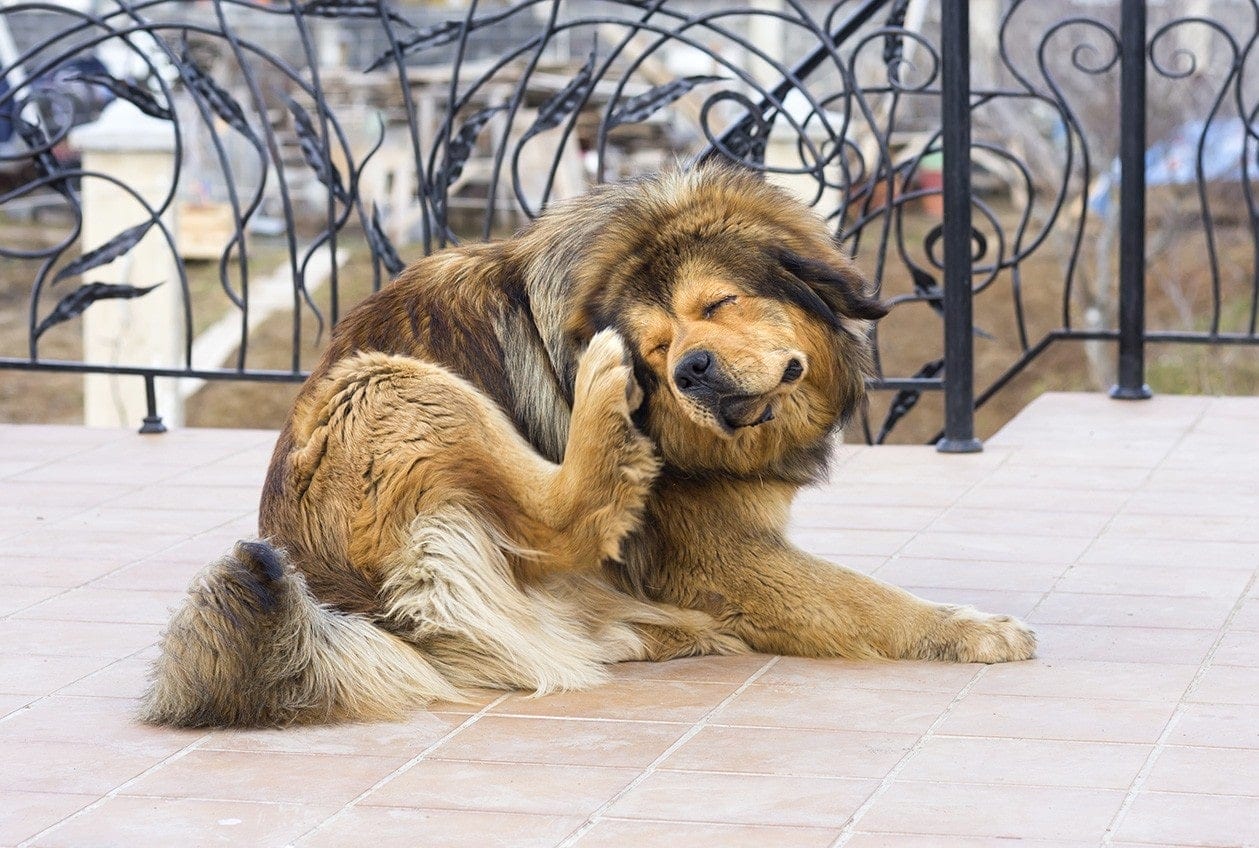
There are a number of allergies that can affect dogs and cause itchy and irritated skin. Dogs can be allergic to various food proteins, such as dairy, beef, chicken, and lamb; flea saliva or they may suffer from atopic dermatitis, caused by various tree pollen allergens (cedar, ash, oak), grass pollens, weed pollens, molds, mildew, and house dust mites.1 The most common signs of allergies in dogs are excessive scratching and licking, and frequent skin and ear infections, while digestive signs may also occur in some dogs. If your dog is rubbing their eyes on the carpet or using the paws, this can cause hair loss around the eyes.
What to Do
Start by speaking to your vet so they can help you determine what is causing your dog’s allergies. When you discover what the problem is, you can avoid the allergen as best as possible and treat the signs. If it’s a food allergy, the process of elimination is how you can figure out which food protein exactly is causing the problem.
If it’s environmental, you can do your best to remove the offender from your home and wash everything thoroughly. If it’s from outside, such as pollen, you can consider using hypoallergenic wipes, or give your dog a bath using a dog shampoo and just wipe them or brush them after a walk, as well as using specific anti-itch and anti-inflammatory medication from your veterinarian. There is also an option of hyposensitization or desensitization therapy, depending on the allergen in question.
2. Atopic Dermatitis
Atopic dermatitis commonly occurs with environmental allergies and has the following signs:
It may affect certain areas of the body more, such as the skin around the eyes, ears, belly, paws, base of the tail, groin, armpits, and muzzle.
What to Do
Your vet should be your first and best option for treatment.
The following are some of the courses of treatment your vet may prescribe:
- Anti-inflammatory medications: This kind of medication will reduce the itchiness caused by atopic dermatitis.
- Hyposensitization: When your vet can determine the cause of your dog’s allergies, small doses of the allergens can be regularly administered via an injection, and they may build up a tolerance to the allergens.
- Antibacterial and antifungal medications: Another issue with atopic dermatitis is bacterial and yeast infections that might also crop up. Your vet may prescribe antibacterial or antifungal medications that you would apply topically or systemically depending on the severity.
- Shampoo: There are many kinds of medicated shampoos available that are designed to relieve your dog’s itchy skin and reduce bacterial and fungal presence.
3. Conjunctivitis

If your dog contracts conjunctivitis, or pink eye, it is quite possible they will rub some of the hair away from around the eyes with their paws, due to the discomfort and pain associated with the condition.
What to Do
The treatment will depend on the underlying cause of the conjunctivitis. If it is a bacterial infection, treatment will usually be an antibiotic ointment, and your vet will prescribe medication to treat the inflammation and infection. Allergies can also lead to conjunctivitis, in which case the treatment will focus on managing the allergies as well as treating the conjunctivitis.
4. Demodicosis
All dogs have a few tiny mites that permanently live on their skin, but if the number of mites increases due to a weakened immune system, it can cause hair loss, skin sores, and secondary infections. Demodectic mange can be localized and affect only certain areas of the body, often starting on the face and around the eyes, or it can spread causing generalized disease.
What to Do
There are antiparasitic medications that can be prescribed by your vet, as well as special shampoos in addition to using flea and tick medication (which will also require a prescription).
5. Fleas
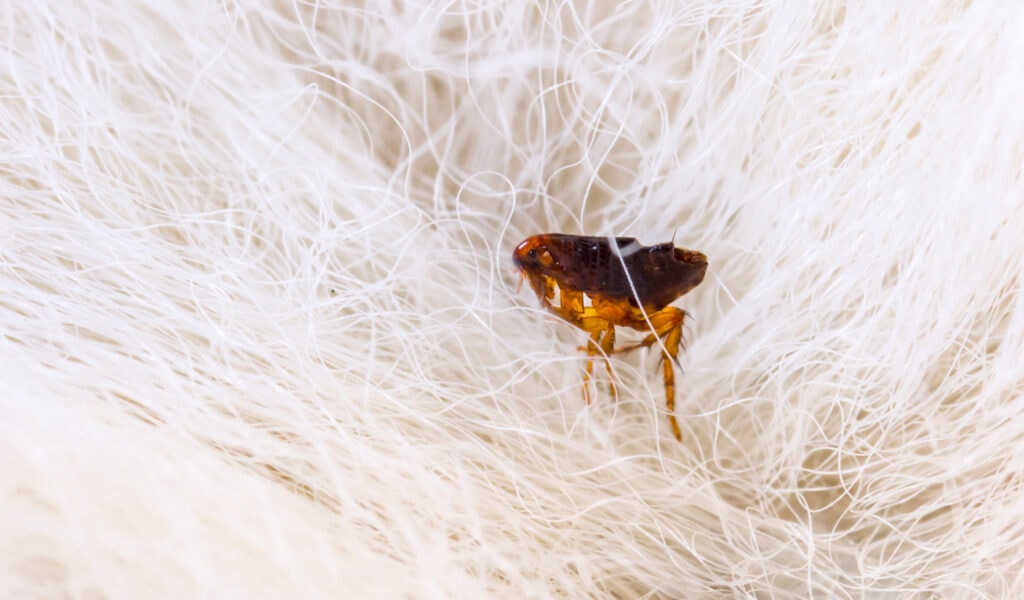
Fleas are tiny brown parasites that can create irritation or even allergic reactions through their bites and saliva. They are usually more commonly located at the base of your dog’s tail but can be found almost anywhere on your dog. You can generally tell if your dog is suffering from fleas with their excessive scratching, and if you look through their fur, you’ll see them moving. You can also look for tiny black pepper-like bits, which are flea droppings, also referred to as flea dirt.
What to Do
You can usually fix the flea problem using regular pills, chewables, or spot treatments, as well as flea shampoos, prescribed by your vet. If the flea infestation is severe, you may need to treat your home as well, as flea eggs may be in the environment. You will also need to clean everything your dog has been lying on as fleas and flea eggs could still be present.
6. Ringworm
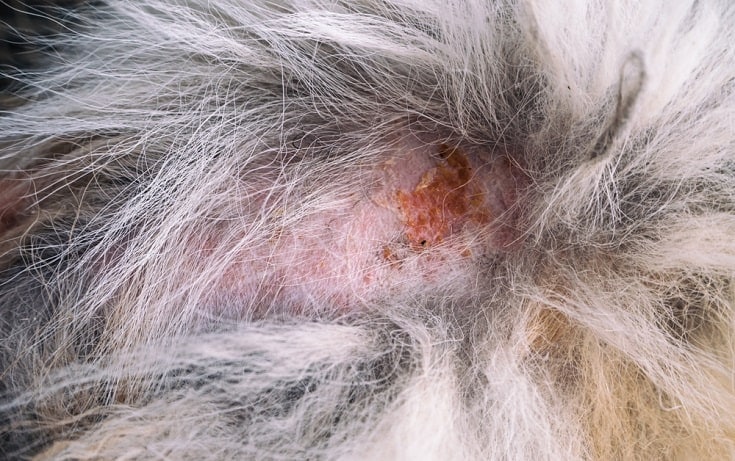
Ringworm does not involve a worm, thank goodness, but it is a fungal infection that is highly contagious to animals and humans.
Some of the signs may include:
What to Do
If your dog does have ringworm, they should be treated by your vet immediately because it can be easily spread. Try to separate your dog from other pets to minimize the spread, and clean the house thoroughly. Your vet will usually prescribe an antifungal medication, as well as special shampoos and topical treatments in the form of ointments and creams.
7. Infections

There are a number of skin infections caused by bacteria or fungus and these can be located on the face and around the eyes, especially in breeds with excess skin and facial skin folds. The infected area is often sore and itchy which can be exacerbated by your dog rubbing the skin against the floor or using their paws. There are also infections of the hair follicles such as vesiculopustular dermatoses.
What to Do
Your vet will examine the area and establish the most likely cause, before prescribing topical treatment. In some cases, they may also need to prescribe a special shampoo and antibiotics.
8. Injury to the Eye
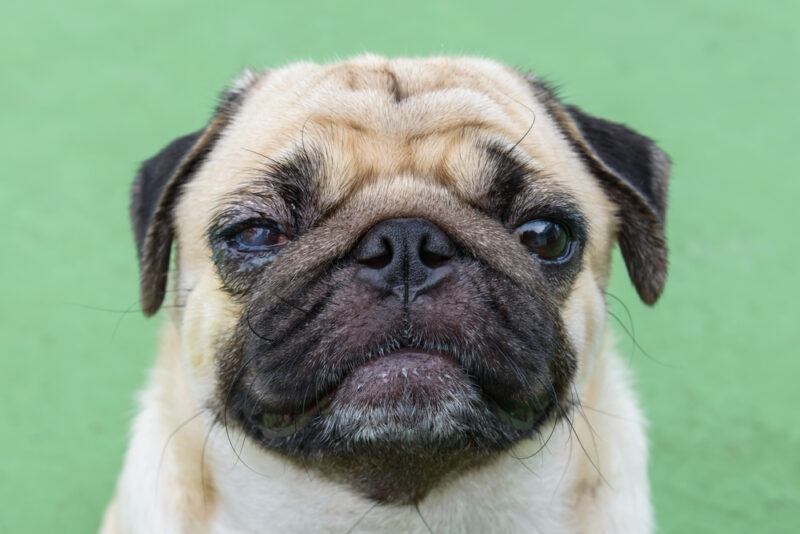
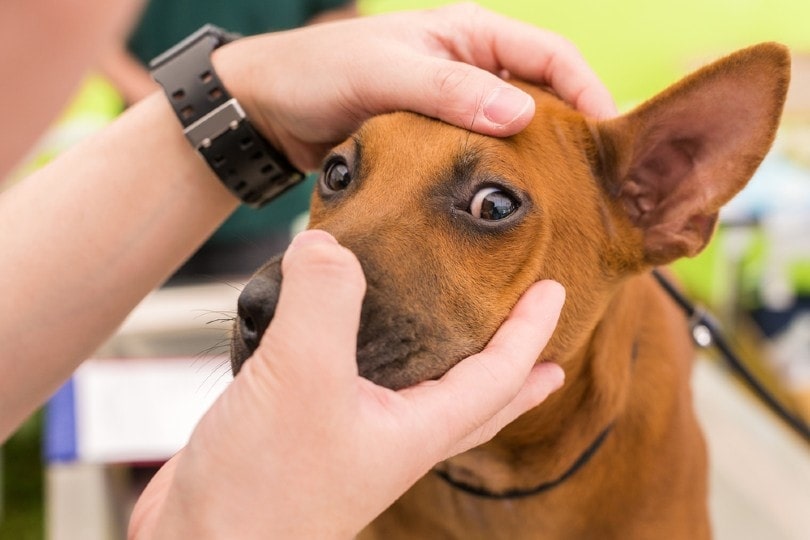
There is always the possibility that a foreign body might be caught in your dog’s eye or that there is a corneal ulcer, and their rubbing and pawing in this area is in response to discomfort or pain. This can create bald spots around the eye but could also further damage it. If you suspect there’s an injury to the eye, take your dog to the vet immediately.
What to Do
You could use a saline eye rinse as first aid and stop your dog from rubbing the eye, while making your way to see the vet. If it’s an injury, your vet may give your dog an Elizabethan collar to stop your dog from scratching as well as an antibiotic. In case of a foreign body, your dog may require sedation in order to remove the object from the eye.
9. Glaucoma
Glaucoma is a very serious condition that, if left untreated, can cause blindness. It is a condition caused by improper drainage of the fluids in the eye. In some cases, the dog may rub at their eye since the condition is very painful, which could lead to hair loss in that area.
Some of the more common signs of glaucoma include:
What to Do
Visit the vet immediately if you suspect your dog may have glaucoma or another type of eye issue. Your vet will give your dog a number of medications that will help lower the pressure in the eye, as well as establish the cause of the glaucoma so that it can be treated. The use of cyclo cryotherapy (which uses a cold temperature to destroy the cells that produce the fluids in the eye) may stop or slow down the condition. Other surgical options might be in order if the glaucoma is too far gone and, in some cases, the eye may need to be removed.
Conclusion: Dog Losing Hair Around Eyes
If your dog has been losing hair around the eyes, it often indicates an underlying health condition of various severity, and taking them to your vet is the best course of action. Once they’ve treated the underlying health issue, the hair should grow back, and your pup will be as adorable and, most importantly, as healthy as ever.
See Also:
Featured Image Credit: martaposemuckel, Pixabay
Get Hepper In Your Inbox


Pet care tips from our vets and experts, straight to your inbox.
You may opt-out at any time. View our Privacy Policy for more information.
Nicole is a lover of animals of all sizes but is especially fascinated with the feline variety. She’s the proud mom of Baby, a Burmese, and works every day so he can relax in the sunshine or by the fire. She’s always had a cat in her home and has spent countless days with others, observing behaviors and softening up even the grouchiest of the lot. Nicole wants to share her kitty expertise with you so you and your cat can live happy, healthy, and care-free.
Join the conversation
Ask a question, share your story, or send private feedback.