Hepper is reader-supported. When you buy via links on our site, we may earn an affiliate commission at no cost to you. Learn more.
How to Stop Your Dog’s Nails From Bleeding: 10 Vet-Approved Tips & Ticks


In this article
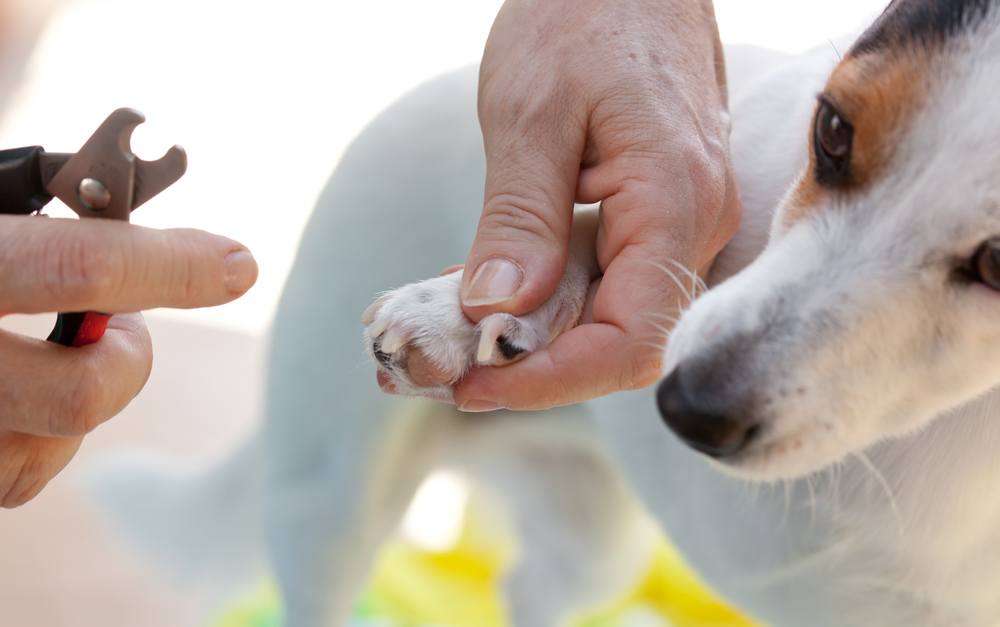
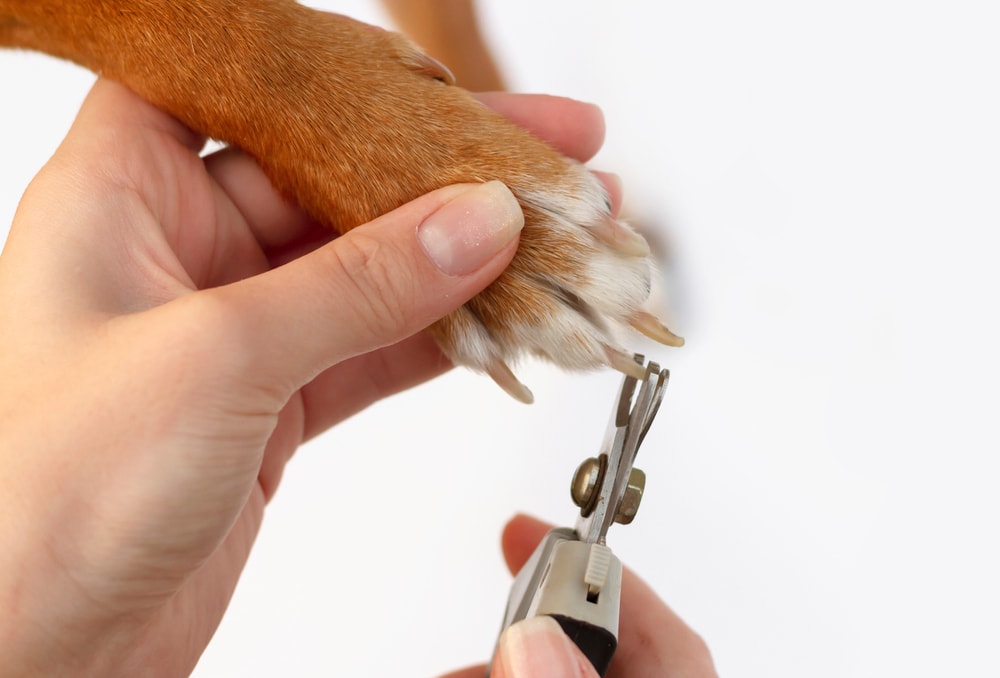
Trimming your dog’s nails is an important part of canine grooming. If you let their nails get too long, it can be uncomfortable for your dog and also for you. They may even become reluctant to go for a walk if the nails are causing discomfort or pain. As important a process as it is, though, clipping a dog’s nails is one task that many owners and dogs shy away from.
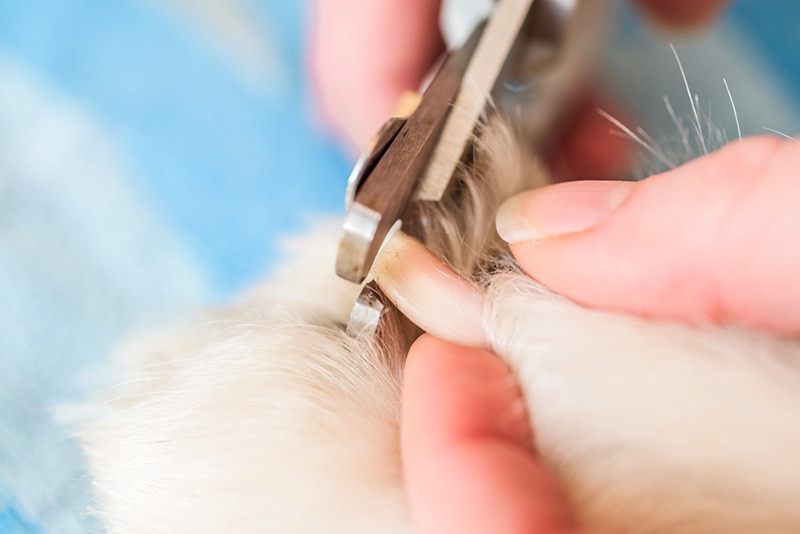
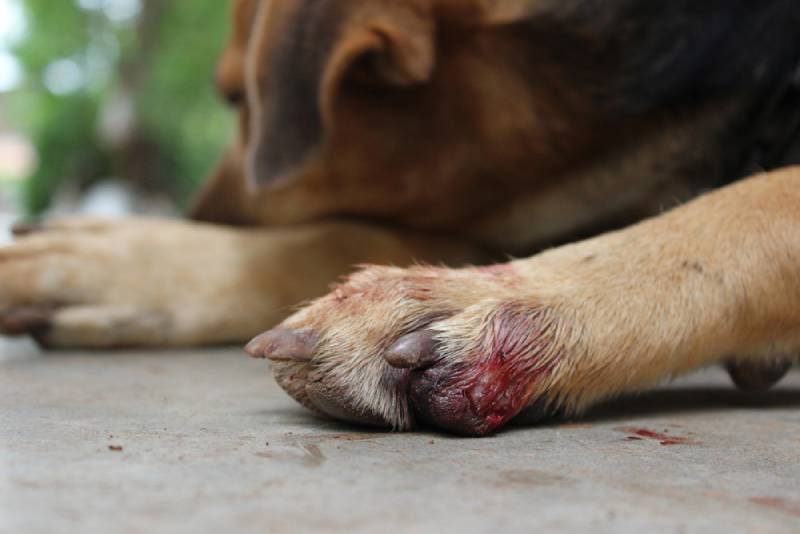
It can be a challenge to get your dog to stay calm, especially if you are both new to nail clipping, and if you cut just a little bit too far, it can cut the quick and cause bleeding. If you do cut too far and your dog’s nails bleed, try the following steps to remedy the situation.

How to Stop Dog Nail Bleeding
1. Don’t Panic
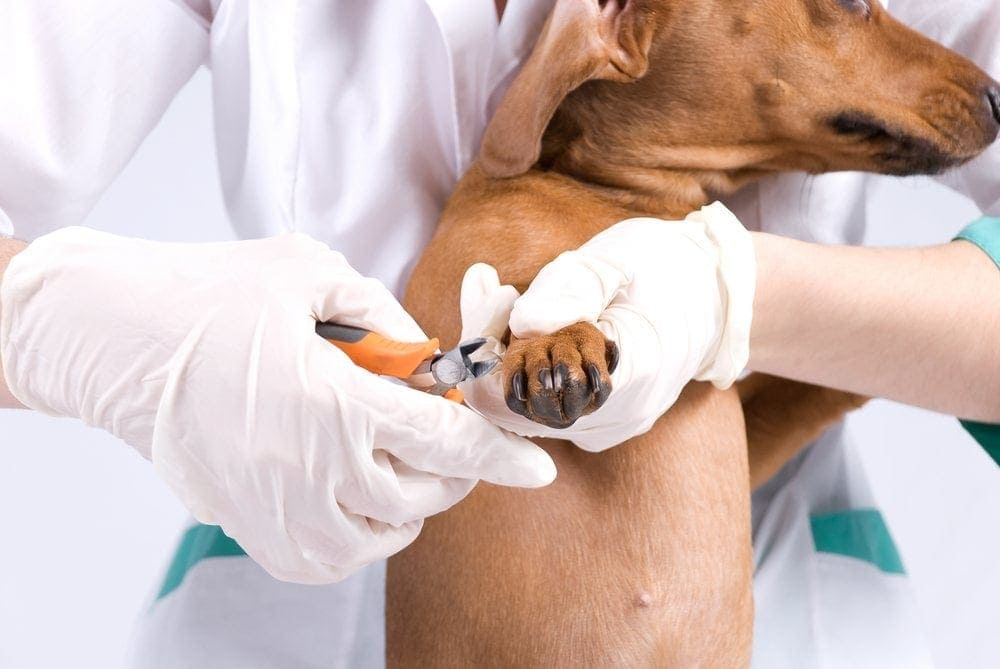
The first step is to remain calm and not panic. Even a small nick can cause a lot of bleeding around this area, and your dog is likely to let out a yelp if you do cut too far. You aren’t a neglectful owner; you haven’t scarred your dog for life. They will be able to walk again soon and will learn to trust you again.
If you panic, your dog will sense the emotion in you, and this will heighten their own sense of fear. Plenty of owners have cut the quick before, and plenty more will do the same in the future.
Related Read: 7 Best Dog Nail Clippers With a Sensor
2. Apply Styptic Powder
Styptic powder is designed for this very purpose. It contains antihemorrhagic agents, which cause the blood to clot and can stop the bleeding in next to no time. It works on minor cuts in less than a minute. Certain brands contain benzocaine, which eases the pain and can reduce distress in your dog.
Your veterinarian uses it, and if you have a professional groomer, they likely have some on hand when clipping their clients’ nails. It is inexpensive and effective.
Ideally, use a Q-tip to apply the powder directly to the affected area. Alternatively, you can pour some out of the jar and into another container and then dip your dog’s claws and paw into the powder to apply it. Keep pressure on the area for 30 seconds. If there is still bleeding, apply another layer and put pressure on again.
3. Use a Styptic Pencil
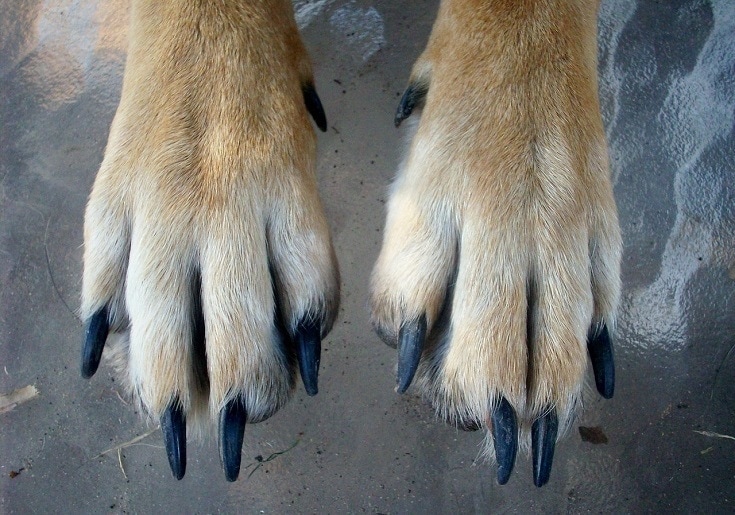
Styptic pencils are so commonly used, they can even be found in the supermarket. They are usually next to the shaving equipment because they can be used to stop shaving nicks from bleeding. The pencil is just a small plastic container. Rather than containing powder, a styptic pencil has a liquid solution that contains the same ingredients as the powder but is easier to apply and more convenient to store. A drop of the sealer forms a translucent barrier that stops bleeding and also acts as a barrier to prevent the cut site from becoming infected.
4. Apply Flour
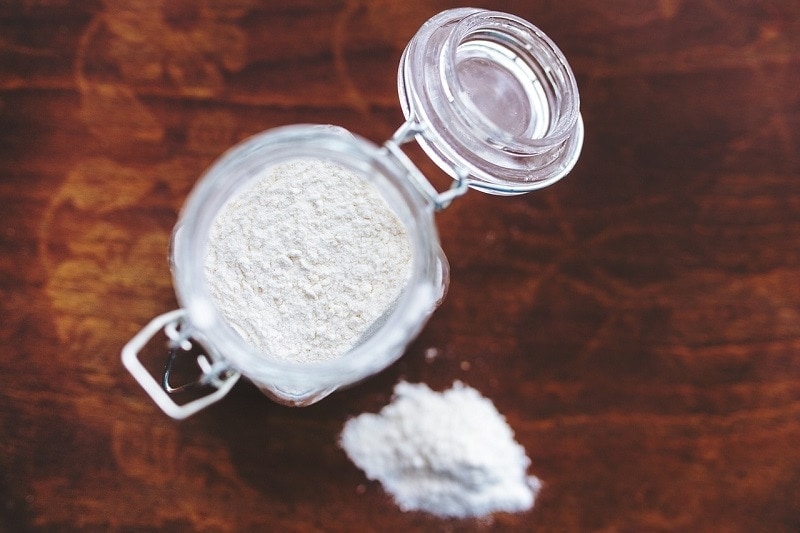
Styptic powder and pencils are highly effective. However, unless you’re a dog groomer or you were prepared for this very eventuality, it is unlikely that you have either of these things lying around the house. Fortunately, there are some household items that you may have to hand and that can do almost as effective a job as styptic products.
For example, flour can help stop this type of bleeding, as it works similarly to styptic powder. You need to be generous in its application, so coat your dog’s paw in the powdery substance. You will also need to apply a decent amount of pressure for a few minutes after you’ve applied the flour. This gives the flour a chance to mix with the blood and form a barrier at the injury site.
5. Try Cornstarch
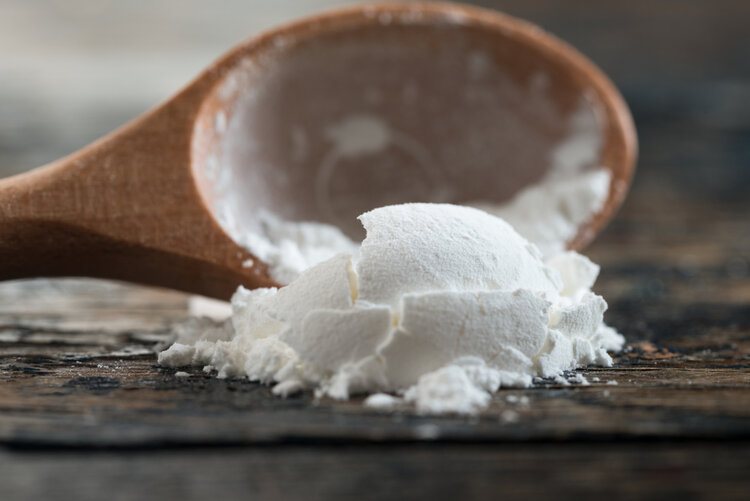
One reason these methods of using household items commonly fail is that the owner does not apply enough pressure. Use a towel, and wrap it around the area before squeezing it quite tight. Cornstarch works in the same way as flour, and both of these substances take longer than styptic powder, so expect to maintain pressure for around 5 minutes.
6. Add Baking Soda
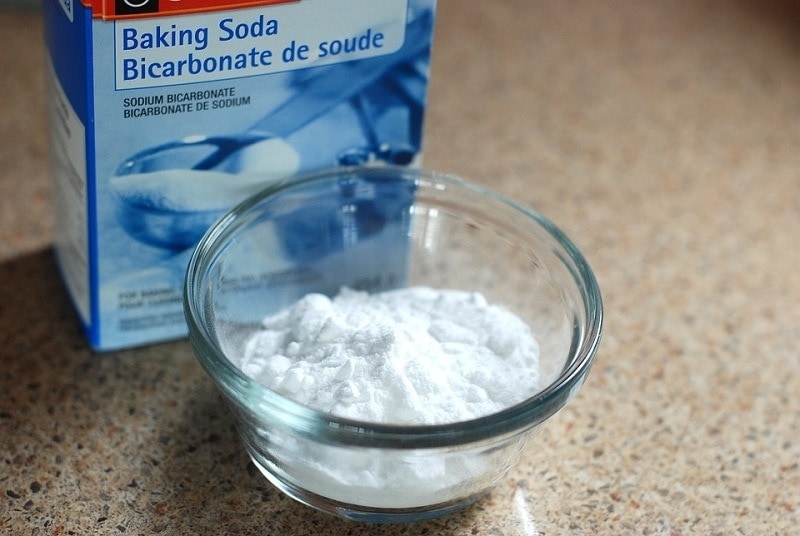
Baking soda works in the same way as flour and cornstarch. If the bleeding doesn’t stop after the first application, apply more, but do not wipe away the initial baking soda. It will continue to help hold the blood flow and form the clot. Wiping the substance away can also cause further irritation of the cut, leading to more bleeding.
7. Grab the Soap
You can use a bar of soap to thicken the blood and prevent the cut from bleeding further. Dampen the bar until it goes slightly mushy. You can either push your dog’s paw into the soap bar directly or break a piece of the mushy soap off and apply it to the cut area. Either method should work; it is a question of whether you want your dog’s bloody paw prints in the soap bar.
Once you have applied soap to the area, cover it with a damp towel, and apply pressure for 3 minutes. After this time, have a quick look to determine whether the bleeding has stopped. You may need to apply pressure for longer or add more soap.
8. Use Bandages or a Dog Boot
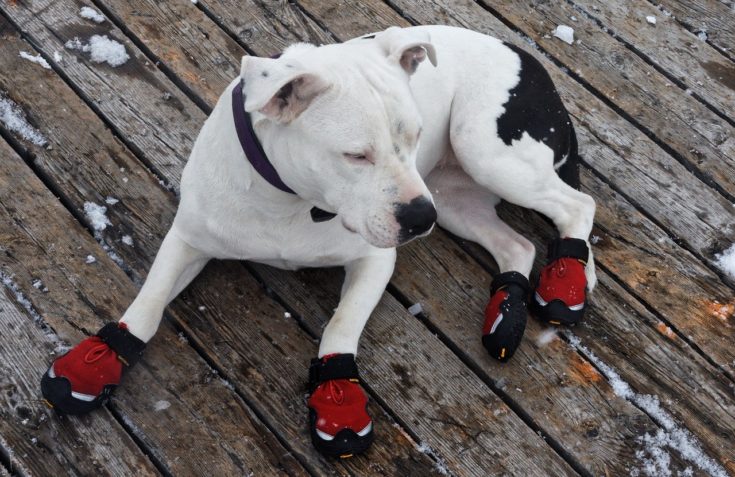
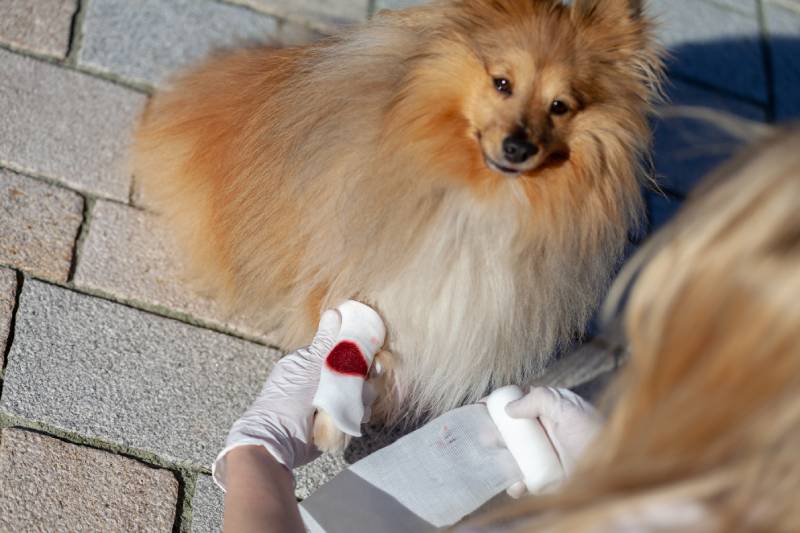
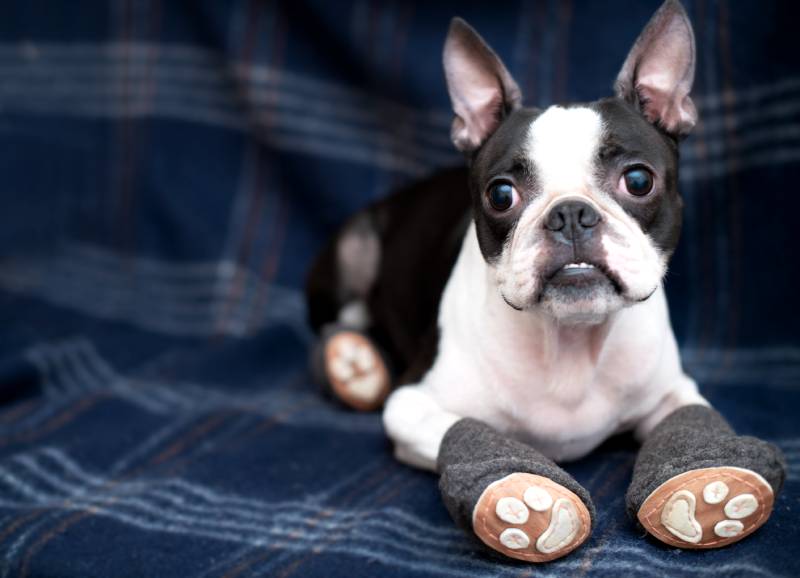
If you have tried all these methods and can’t stop the bleeding, you can apply a bandage or a bandage boot. This will allow the blood time to clot and works in the same way as putting a bandage on a child’s cut, except your dog is likely to be much more resistant.
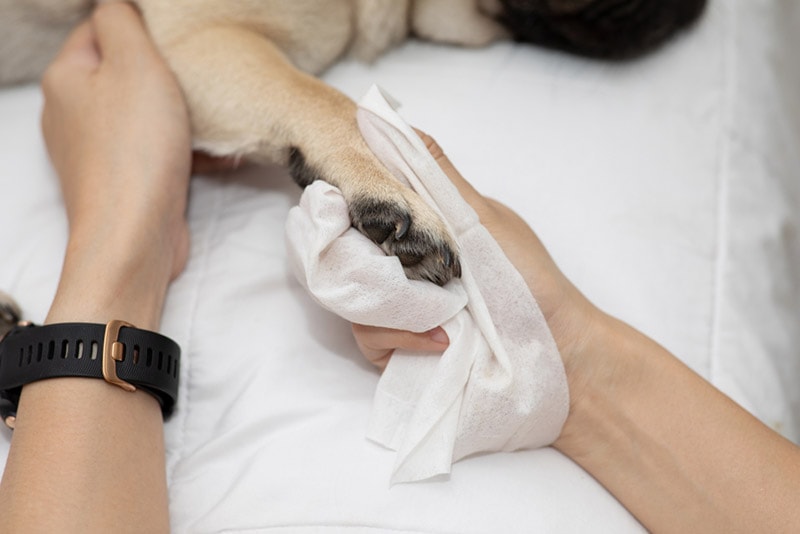
If you have any dog booties left from a previous surgical treatment or another veterinarian treatment, add new gauze inside, and put the bootie on. Alternatively, wrap a bandage around the cut foot after washing it to remove dirt and debris.
If you do not have these things available, you can use a sock to protect your dog’s nail and your home. You can add tape to tighten it slightly and ensure that the sock stays put, but you should make sure it is not too tight. It should be just enough to keep the sock on without compromising your dog's movement or blood circulation.
9. Let (Make) Them Rest
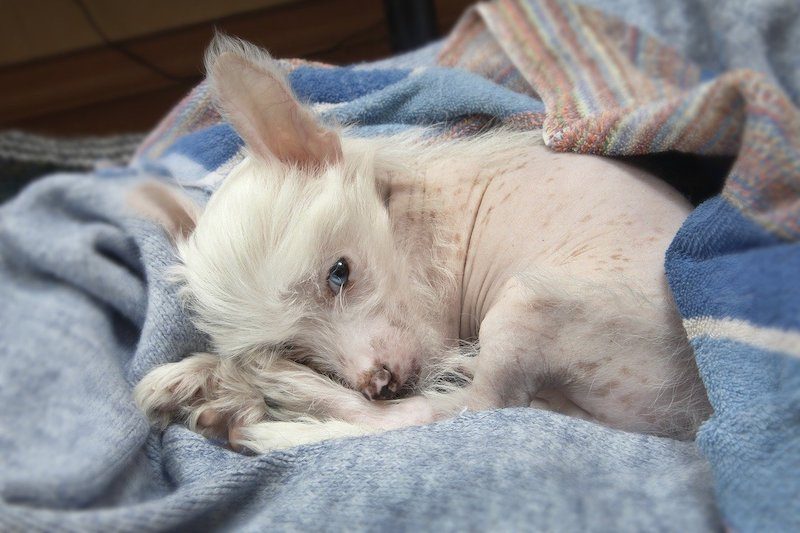
Whatever method you use to stop the bleeding, you will need to encourage your dog to keep off their foot for at least 30 minutes. If they’re feeling sorry for themselves, there’s a good chance they will want to lie down for a while, anyway. Don’t call them over to check that their foot is all right, and if going over to pet them will encourage them to get up, avoid the temptation, and leave them be for a while.
10. If All Else Fails, Call the Veterinarian
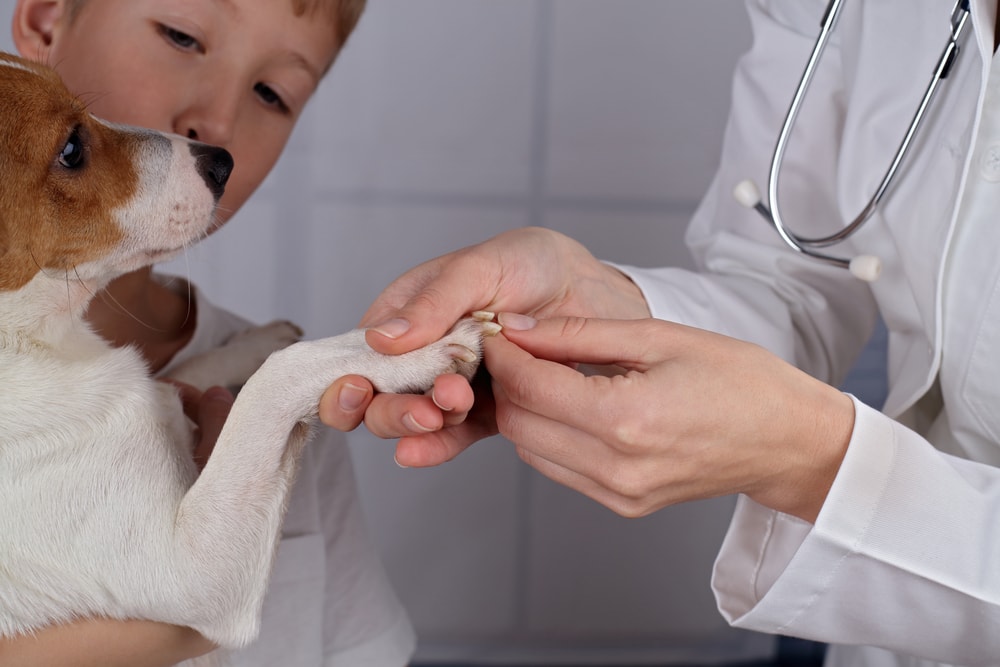
If the bleeding continues for 20–30 minutes or more after applying any of these treatments, it may be time to call for veterinarian help. In the vast majority of cases, you should be able to stop the bleeding yourself but don’t be afraid to call your veterinarian's office and ask for guidance. Tell them how long it has been bleeding. The nurse may be able to advise further action or ask you to bring your dog in for treatment.
Final Thoughts: Making Dog Nail Bleeding Stop
When trimming your dog’s nails, you should be confident and relatively quick. The longer you hold your dog’s paw, the more likely they are to wriggle and try to break free. Avoid the quick by cutting at the section where the claw curves toward the floor in a definite direction. Also, remember that the longer your dog’s nails have grown, the longer the quick will have become.
Related Reads:
How to Treat your Dog’s Bleeding in an Emergency (Dog First Aid)
Cut Your Dog's Nail Too Short? Vet-Approved Tips & Next Steps
Featured Image Credit: Marina.Martinez, Shutterstock
Get Hepper In Your Inbox


Pet care tips from our vets and experts, straight to your inbox.
You may opt-out at any time. View our Privacy Policy for more information.
Nicole is a lover of animals of all sizes but is especially fascinated with the feline variety. She’s the proud mom of Baby, a Burmese, and works every day so he can relax in the sunshine or by the fire. She’s always had a cat in her home and has spent countless days with others, observing behaviors and softening up even the grouchiest of the lot. Nicole wants to share her kitty expertise with you so you and your cat can live happy, healthy, and care-free.
Join the conversation
Ask a question, share your story, or send private feedback.