Hepper is reader-supported. When you buy via links on our site, we may earn an affiliate commission at no cost to you. Learn more.
My Dog Barks When I Leave: Reasons & How to Stop It

In this article
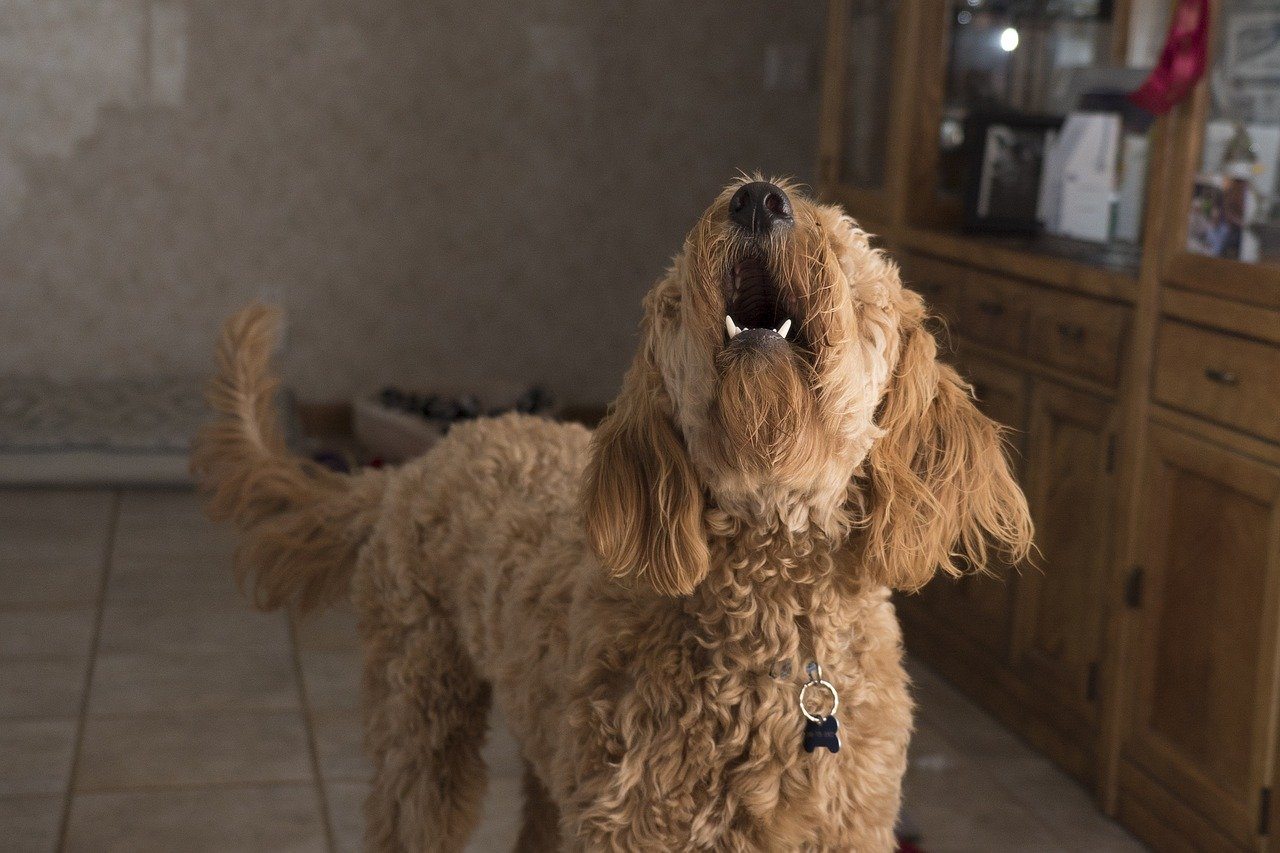
Excessive barking can be a common challenge for dog owners. The incessant barking can not only disrupt the peace of your household but also put you at loggerheads with your neighbors.
If your dog won’t stop barking when you leave, there's a chance that it has some underlying issues that need to be looked into. Usually, dogs may bark when their owners leave due to separation anxiety, fear or insecurity, boredom, or lack of stimulation.
Understanding why your dog barks will help you find effective solutions and create a better environment for both you and your canine friend. This article will explore the reasons why your dog barks when you leave and provide practical tips to help you curb this behavior.
If you need help with training your dog, we suggest speaking with a vet online.

Why Does My Dog Bark When I Leave?
Several factors can lead to your dog barking every time you leave. The trick to finally getting them to stop is to understand why they do it.
Separation Anxiety
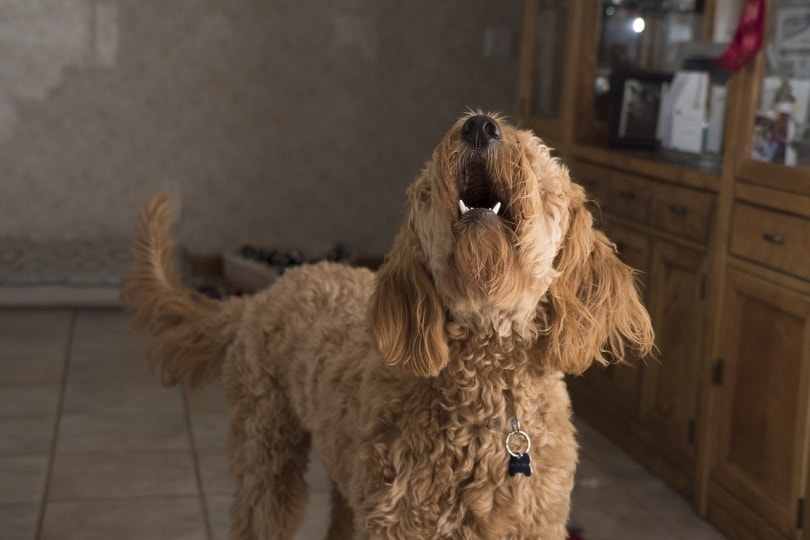
Separation anxiety is a major problem with dogs overly attached to their owners. Dogs with separation anxiety experience extreme distress and fear, which they express through excessive barking. The dog perceives the departure as a threat and resorts to vocalization to cope with the distress.
Fear or Insecurity
Fear and insecurity are other factors that lead to excessive barking in dogs. If your dog is not confident and relies on its human companions to feel secure, you are bound to see some barking when left alone.
Boredom or Lack of Stimulation
Dogs are intelligent and social animals that require mental and physical stimulation. Unlike humans, who usually come up with something interesting to do when bored, dogs tend to become restless and frustrated. Many times, they express their discomfort through barking. It is, therefore, imperative to ensure that your dog receives enough mental and physical exercises.
Territorial Behavior
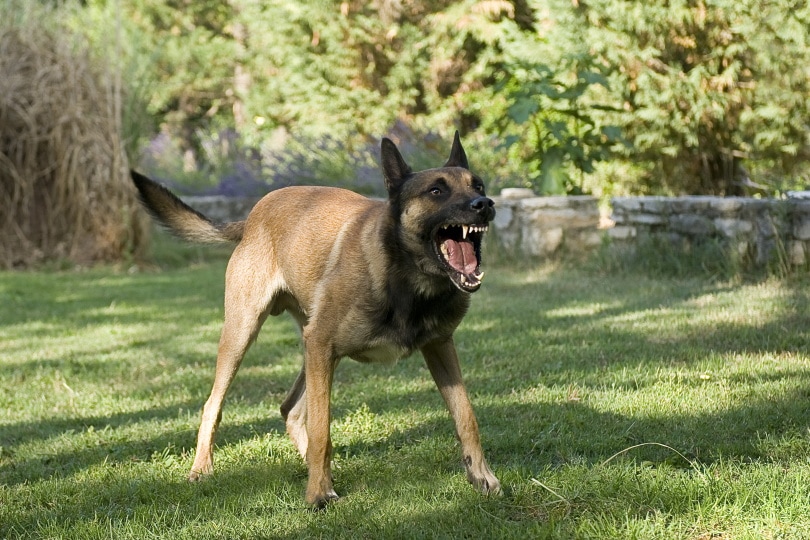
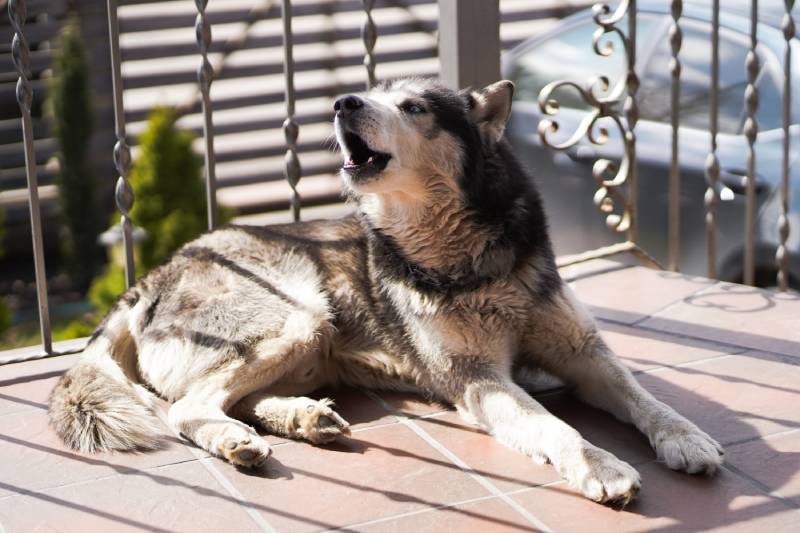
Dogs also bark as a way of protecting their territory. Remember, dogs are territorial animals, so they naturally tend to protect spaces and belongings they consider their own. Therefore, when you leave your dog alone, it may perceive any intrusions or changes in its environment as a threat, triggering a response in the form of barking.
The 9 Tips to Stop Your Dog From Barking When You Leave
No one wants a dog that barks excessively every time they leave the house. Here are some tips to help your animal remain calm.
1. Provide Mental and Physical Stimulation
Keeping your pet mentally and physically stimulated is a great way of stopping them from barking when you leave. For example, walking your dog shortly before leaving can tire them out and make them less likely to bark or engage in destructive behavior.
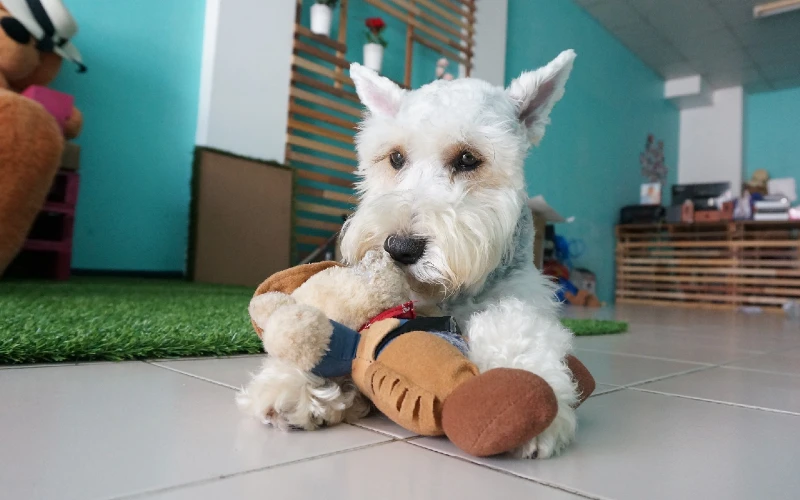
Leaving your dog with a toy can also reduce the chances of them getting frustrated or bored.
2. Address Separation Anxiety
If your dog barks because it suffers from separation anxiety, dealing with the anxiety is one way of making it stop.
Start by leaving it alone for short periods and gradually increase the duration over time. Pair departures with positive experiences, such as giving a special treat or engaging them with an exciting toy.
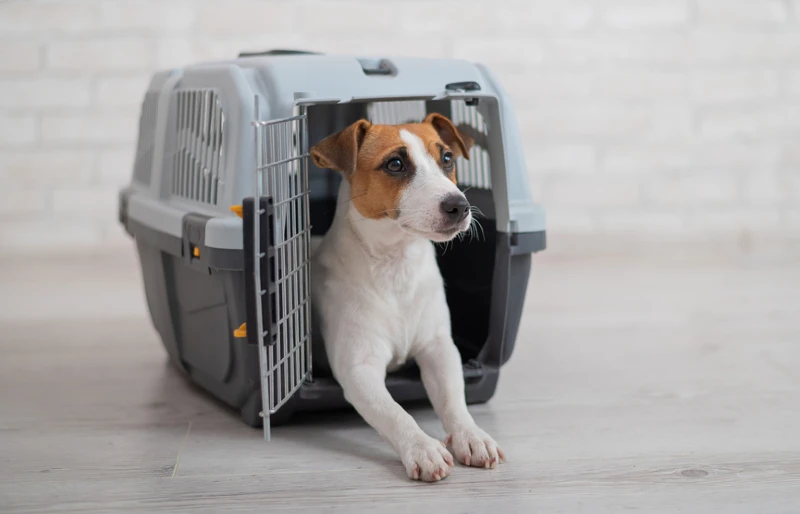
It’s also essential to ensure your dog has a safe and comfortable place, such as a cozy den, to spend time on. If you don’t mind, leave a cloth behind to provide a familiar scent and reassure your dog.
3. Building Confidence
Building your dog’s confidence involves putting them in a situation where they can handle being by themselves. You can do this through regular exercise and socialization to promote overall confidence and well-being. Steer clear of negative reinforcement during training and reward good behavior.

4. Counterconditioning
Counterconditioning involves changing your dog’s emotional response to your departure cues. For example, if your dog notices that you pick up your keys before leaving, try picking up the keys and not leaving.
Pair these cues with positive experiences, such as treats or playtime, to create a positive association. With time, your dog will learn that these cues and actions don’t necessarily mean that you are leaving, and they will be less anxious.
5. Gradual Desensitization
Gradual desensitization involves conditioning your dog to be alone by exposing it to your absence in a gradual and controlled manner. To do this, start by leaving for short periods, say stepping outside the door for a few moments, and then gradually increasing this duration with time. You could use treats to reward your dog whenever they positively handle your departure.
Gradual desensitization allows your dog to build confidence. They also learn that your leaving is only temporary and you will return.

6. Use Familiar Sounds
Familiar sounds can help your dog stay calm in your absence because they mimic the typical sounds when you are in the house. For example, if you listen to the radio or watch the TV at home, leave it on because your dog is probably used to the noise.
7. Get Professional Help
If you're facing challenges in managing your dog's barking when you leave, try speaking to a certified dog trainer or behaviorist. Trained professionals can quickly identify the root cause of the barking and address it by creating a tailor-made training plan for your dog.
8. Use Citronella Collars
Citronella collars are also a valid option in dealing with a dog that barks excessively when you leave. The collars emit a citronella scent every time the dog barks, which they find unpleasant. This interrupts and could reduce barking in dogs.
Make sure to also use these collars responsibly and consult a professional when needed.
Conclusion
Excessive barking when you leave can be a distressing behavior for both you and your dog. Whether it is separation anxiety, fear or insecurity, boredom, and territorial instincts, understanding the reasons behind this behavior and implementing appropriate solutions will help you alleviate your furry friend's anxiety and create a more peaceful environment.
Remember, consistency, patience, and positive reinforcement are key when working with your dog to reduce excessive barking. Each dog is unique, so it may take time to find the most effective strategies for your companion.
Related Reads:
How to Stop Your Neighbor’s Dog from Barking: 5 Effective Ways
Best Apps to Stop a Dog from Barking – Reviews and Top Picks
Sources
Featured Image Credit: atiger, Shutterstock
Get Hepper In Your Inbox


Pet care tips from our vets and experts, straight to your inbox.
You may opt-out at any time. View our Privacy Policy for more information.

Nicole is a lover of animals of all sizes but is especially fascinated with the feline variety. She’s the proud mom of Baby, a Burmese, and works every day so he can relax in the sunshine or by the fire. She’s always had a cat in her home and has spent countless days with others, observing behaviors and softening up even the grouchiest of the lot. Nicole wants to share her kitty expertise with you so you and your cat can live happy, healthy, and care-free.
Join the conversation
Ask a question, share your story, or send private feedback.