Hepper is reader-supported. When you buy via links on our site, we may earn an affiliate commission at no cost to you. Learn more.
How to Tell If a Dog Is Blind: Vet-Verified Visual Tests & Advice


Dogs are relatively adaptable animals. It can be surprisingly tricky to determine if they are blind, especially if they have been visually impaired for a longer time. If a dog is slowly losing their vision, you may not notice a sudden change in their ability to get around.
Though we may overlook their struggles right away, your canine can struggle with visual impairment just like people. Some causes of impaired vision may be treatable or slowed down, while others are not and will progress to blindness. Either way, it’s important to notice any changes in your dog’s eyes and vision as early as possible and to get them checked by your vet.
In case of complete or partial vision loss, there are ways for your dog's life to be made a bit easier by some changes to aid in their new impairment. However, first, you have to realize that they're blind to begin with!
In this article, we'll give you a few tips on determining your dog's visual abilities. If you're reading this article, you likely already expect that your dog may be blind.

The 3 Ways You Can Tell If a Dog Is Blind
1. Visual Appearance of the Eyes
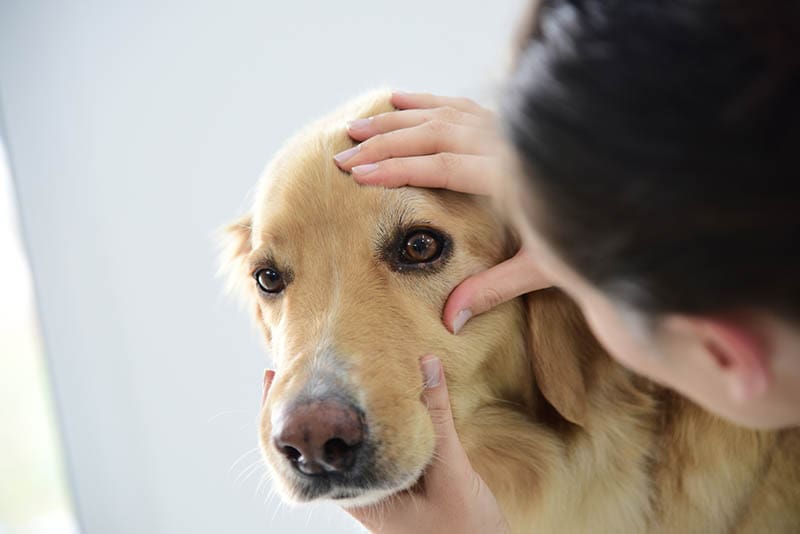
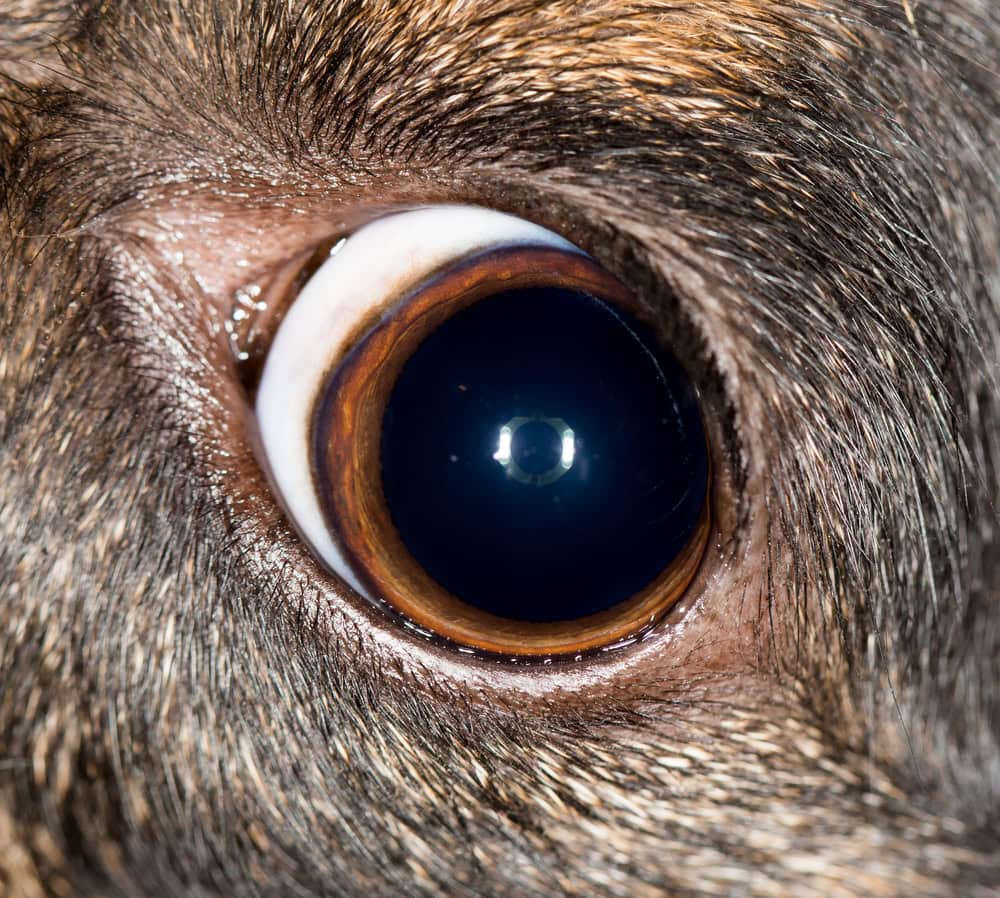
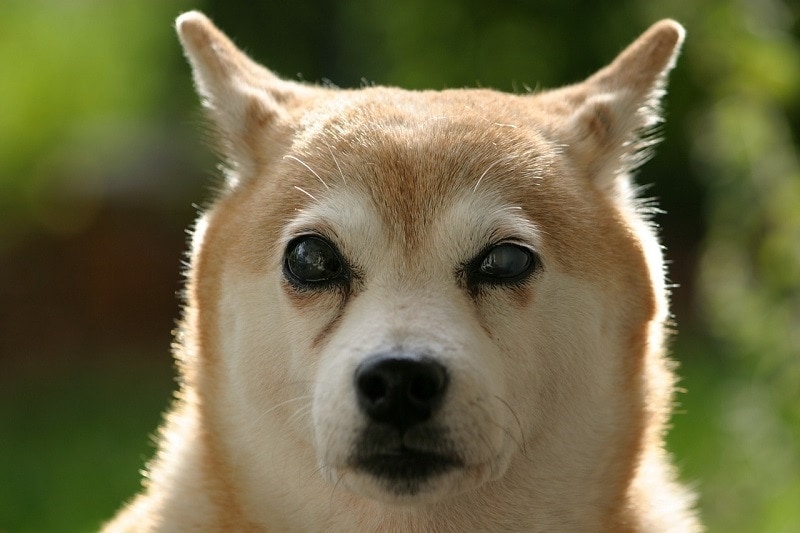
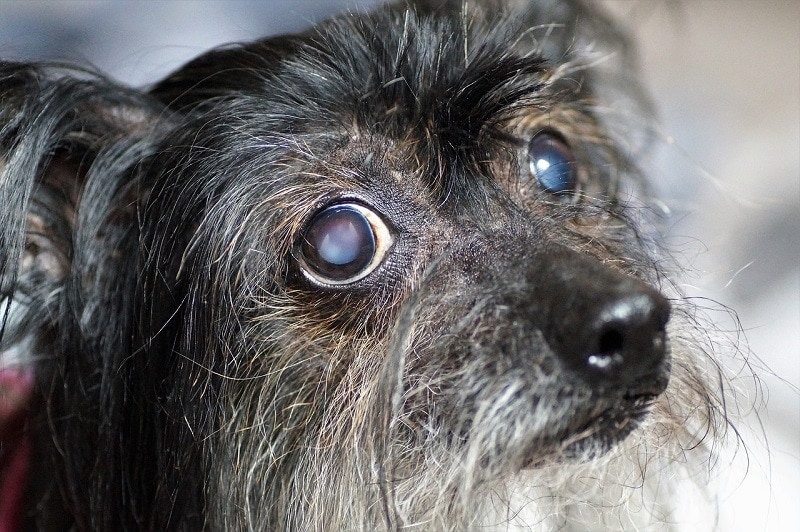
Sometimes, it just takes a quick look at your canine's eyes to notice that they are not quite right. There are many conditions that may progress to blindness and, if left untreated, leave visual marks on the eyes, such as cataracts, glaucoma, corneal ulcers, neoplasia, and uveitis, among others.
In a well-lit room, you may be able to notice changes in the eye, such as sensitivity to light and squinting, scratches and small craters in the surface of the cornea, presence of discharge, change in pupil size, presence of blood, or a sudden cloudiness.
Some of these problems may occur slowly, but it really depends on their underlying cause. Dry eyes in dogs may cause a slow but gradual decline in vision due to formation of eye ulcers or increased corneal pigmentation. A trauma or an injury on the other hand may lead to severe and sudden damage to the eye structures that, in turn, may have caused an ulcer or even a rupture of the eye, causing sudden blindness.
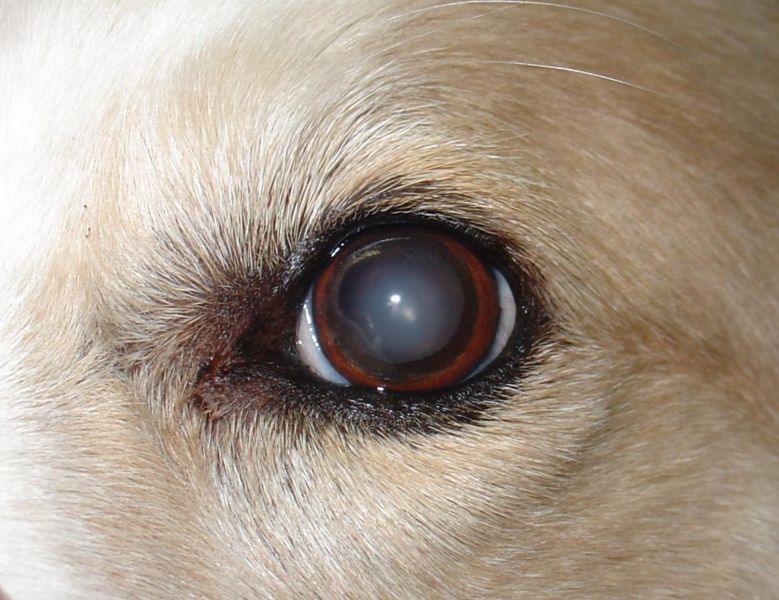
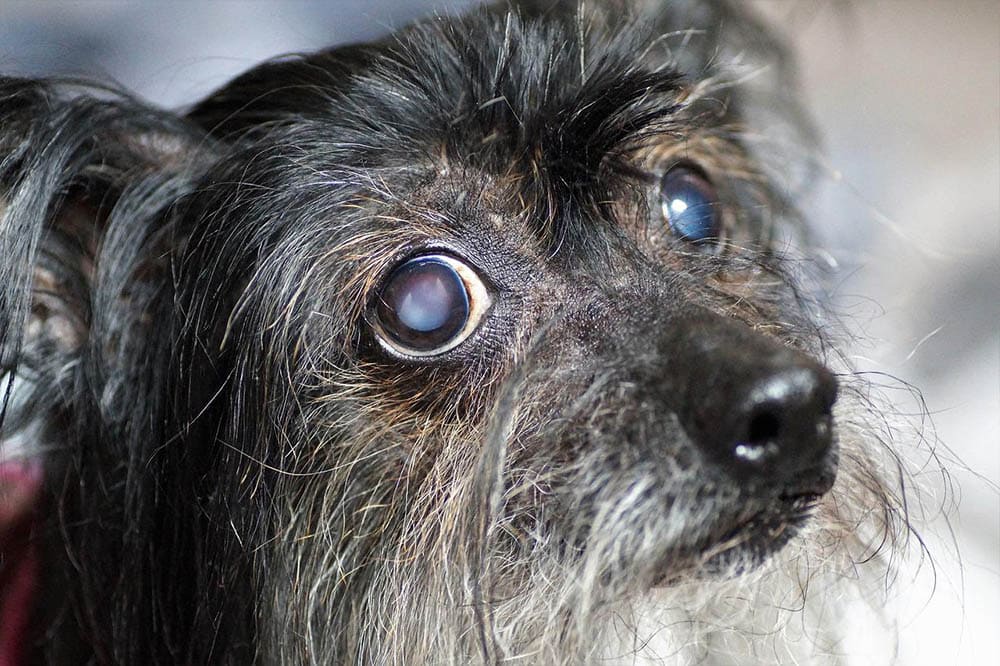
Many eye conditions may exhibit cloudiness or fuzzy spots in the eyes, and a veterinarian or a veterinary ophthalmologist will be able to differentiate them and identify the exact cause, as treatment options may be very different. Cloudiness of the lens is seen with cataracts and may be common in older dogs and diabetics. Some developmental problems in puppies and young dogs may also lead to loss of vision, and it’s important to speak to your vet about the most common eye issues in your breed of dog. If any physical injuries have caused blindness, you may be able to notice those as well.
Discharge and crusty buildup can be a sign of an infection or even dry eye, which can affect your dog's vision as well. There are also other medical conditions that will not affect the eyes directly but will lead to blindness, such as central nervous system disorders.
Of course, you will always need to visit your vet for confirmation as well. You shouldn't try to diagnose your dog based on your observations alone. However, noticing any of these is an obvious sign that you need to make an appointment with your vet as soon as possible.
2. Performing a Few Tests
When determining a person's sight, a few tests are often performed. There are several similar tests for dogs performed by your veterinarian or a veterinary ophthalmologist. You may attempt some of these at home, but it’s crucial to understand that only your vet can diagnose ocular issues. These may not pinpoint just how visually impaired your canine is, but you may be able to determine if your canine is experiencing some problems seeing. The extent of the problem will need to be determined by your vet.
Pupillary Light Reflex
You may think that the most common visual test is shining a gentle light across your pet's eyes. This is called pupillary light reflex. Your dog’s pupils should dilate in the same way that occurs in a human’s eyes. However, this test is actually used for evaluation of the integrity of the retina and optic tracts, not of vision. Even blind animals may have a normal pupillary light reflex, while visual animals may have it absent. In combination with other tests, this test will help your vet determine the localisation of the lesion.
Menace Response Test
The menace response test is one of the standard visual tests. You start by holding your open hand about a foot away from your dog's face. Then, make a sudden threatening gesture with your hand towards your dog’s eye, one side at a time. You don't want to touch your canine or move your hand so fast that you cause an air current. You want the visual of your hand to be the only sign that you're getting close to your canine.
If your dog blinks or turns their head, then they can see your hand. If they can't, then they'll likely sit there wholly unaware. This test may be unable to detect slight vision problems. Your dog may be able to detect the general shape of your hand coming towards them, which may cause them to blink or flinch even though they can't see it very well.
Cotton Ball Test
Another commonly used visual test is often called the cotton ball test. It involves holding something in front of your dog’s face and getting them to follow it. The object should be noiseless and scentless, that is why a cotton ball is often used. When the object enters your dog's field of vision, they should follow it with their eyes. If they don't, it may be because they can't see it.
Obstacle Course/Maze Test
Lastly, an obstacle course or maze test can also be performed. To do this, you can place some objects on the floor such as a chair, a waste bin, or a stool, and place the dog at the opposite end of the maze from you. By calling your dog and observing how they manage to get around the maze or if they bump into any object, you can assess their vision.
Usually, multiple tests will be performed to determine if your dog is blind or experiencing some level of visual impairment. One test won't be enough to rule one way or another. However, several failed tests are a sure sign that your canine is blind.
If you perform these tests at home and your dog doesn't respond appropriately, or your dog is showing signs of ocular changes or bumping into things, you should speak to your vet immediately. They will likely perform the tests as well plus examine your dog’s eyes with their special equipment.
3. Changes in the Dog’s Behavior
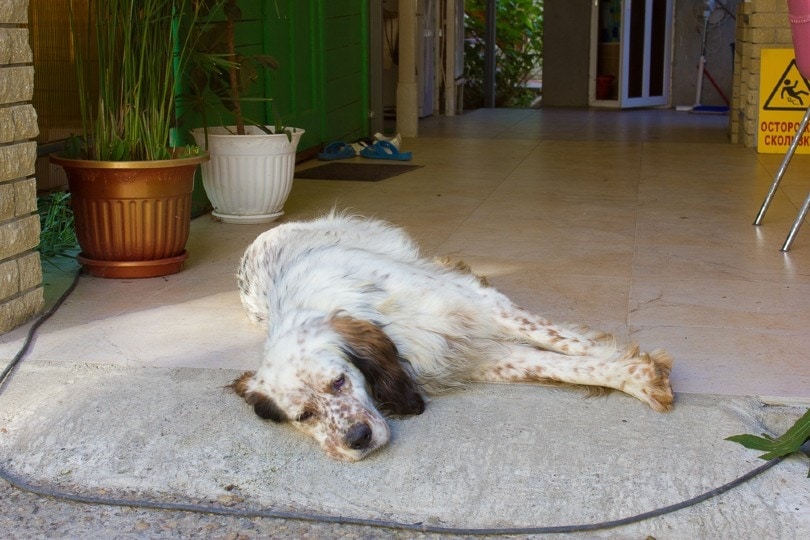
Sometimes, you may not need to perform any tests. Your dog's blindness may be evident by how they move around in their environment and interact with their world. If your dog is bumping into newly moved objects, it may be an obvious sign that your dog doesn't see well.
Anxiety and hesitation when in a new place are another sign. When your dog can't see, they may get upset when they're in a place they don't know. Increased aggression may also occur. Blind dogs may not always know what something is, which can cause fear or aggression. They may struggle to find food or toys, or become more reluctant to go out at night and start walking cautiously. cautiously. Night blindness can be the first sign of progressive retinal atrophy (PRA), a hereditary retinal disease common in certain dog breeds.
Scary, loud things may be terrifying to blind dogs.
Your dog may suddenly be unwilling to do everyday activities, like jumping up on furniture or going up or downstairs. They may be unable to see the steps or have a hard time judging their jumps, making them avoid the activities altogether or seem very clumsy. They may get lost outside or during walks, particularly in new and unfamiliar places.
Their inability to judge depth or distance may be the first sign that your dog's vision fails. However, being clumsy and uncoordinated or bumping into things may also be a sign of other health and balance problems and neurological issues, and this should be checked out by your vet urgently.


Conclusion
If you believe that your pet may have vision problems, you should speak to your vet urgently – even if they pass all the tests we discussed. Some problems may seem like blindness but are caused by something else. For instance, ear infections and vestibular syndrome can throw off your dog's balance, which may cause them to bump into things or fall off furniture. They may pass all the visual tests but still need to go to the vet.
If your dog does turn out to be losing their sight, time is of the essence for your vet to determine the underlying cause and instigate appropriate treatment. Dogs are very adaptable and rely on other senses besides vision. Many blind dogs can enjoy life just like they once did. They don't find their blindness to be a big deal!
Sources
Featured Image Credit: David_Will, Pixabay
Get Hepper In Your Inbox


Pet care tips from our vets and experts, straight to your inbox.
You may opt-out at any time. View our Privacy Policy for more information.
Kristin is passionate about helping pet parents create a fulfilling life with their pets by informing them on the latest scientific research and helping them choose the best products for their pets. She currently resides in Tennessee with four dogs, three cats, two fish, and a lizard, though she has dreams of owning chickens one-day!
Join the conversation
Ask a question, share your story, or send private feedback.