Hepper is reader-supported. When you buy via links on our site, we may earn an affiliate commission at no cost to you. Learn more.
How to Tell if Your Cat Is Blind - What You Need to Know!


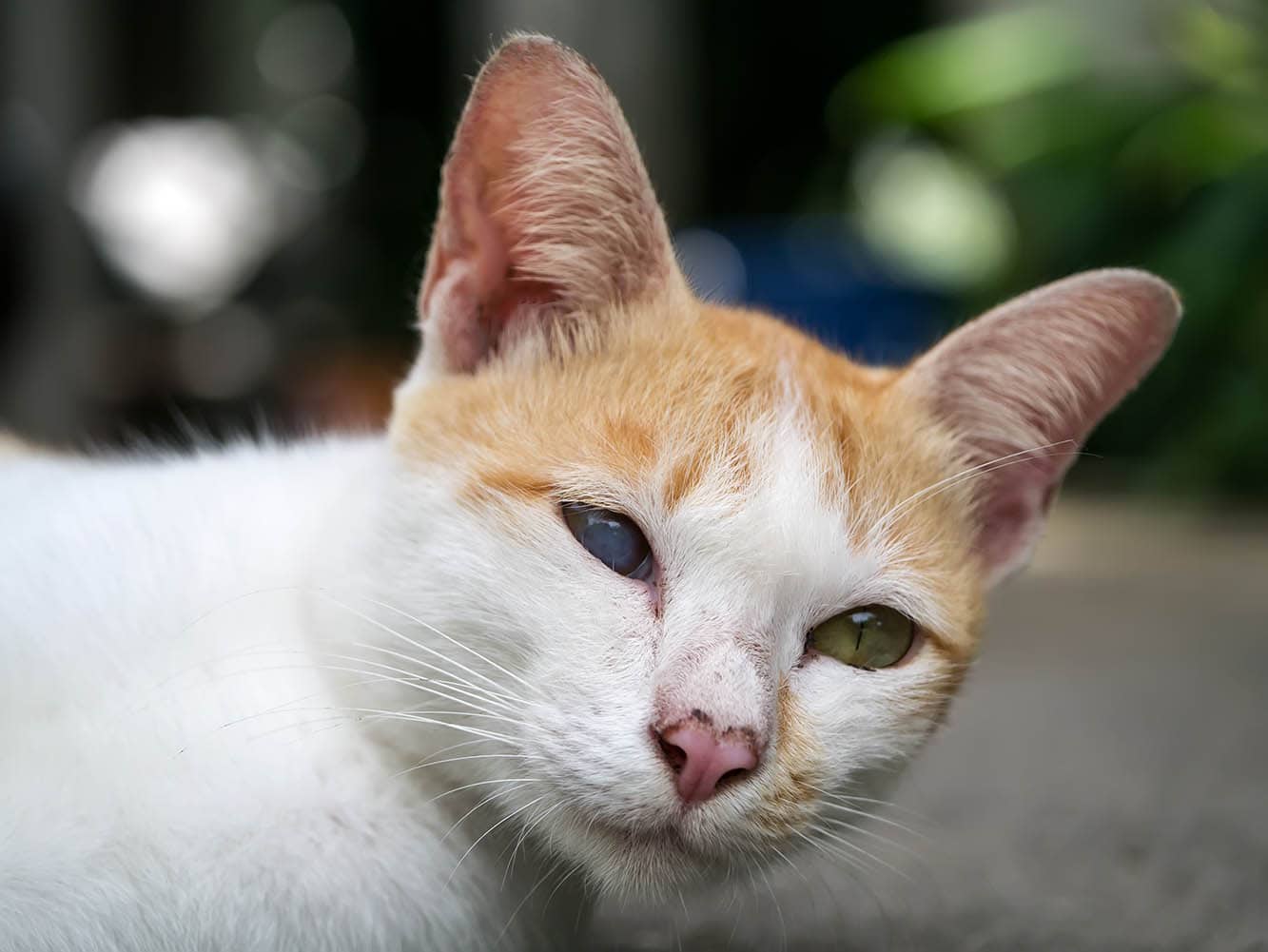
Over time, your cat's many senses can wane or deteriorate as a part of the natural aging process. So, if your cat has recently gotten an injury or is moving into its golden years, you might start to suspect that your old friend can’t see.
If you're starting to catch on and wonder if your cat has terrible eyesight or no sight at all, we want to explain the warning signs. Then, you can come up with a plan alongside your vet to accommodate your kitty throughout their lives.

The 7 Common Causes for Vision Loss in Cats
Cats can come into the world blind, become that way suddenly, or lose that sense over some time. Common causes of blindness include:
1. Tumors
Depending on where tumors are located, they can put pressure on the nerves around the eye, causing eventual blindness.
2. Cataracts
Cataracts cause a film over the eye that can lead to eventual blindness.
3. Glaucoma
A very frequent, but not the only symptom of glaucoma is blindness.
4. Infection
Certain infections can damage parts of the eye, leading to partial or total blindness.
5. Injury
One of the most obvious ways your cat can go blind is if they have had any injury to the eye.
6. High Blood Pressure
Because of how high blood pressure affects your cat's body, it can cause blindness.
7. Taurine Deficiency
Taurine deficiency is rarely seen in well-fed cats, but strays and neglected cats might suffer.

The 8 Signs Your Cat Might Be Blind
When vision loss happens over time, you might not even realize it is happening until it's very advanced. It's essential to know the warnings when a cat goes blind so you can adjust with them. Here are some things to take note of if you notice the behavior.
1. Your Cat Might Startle Easy
If they aren’t operating on all senses, it’s no surprise they can get scared a lot easier, especially in the beginning when the sight loss is still very new. If they don’t see or hear you but suddenly notice your presence, they might jump or show a startle response somehow.
Also, this could turn into aggression if you aren't careful. Biting or clawing can be expected if a cat scares without seeing what's around them.
2. Your Cat’s Eyes Might Change Appearance
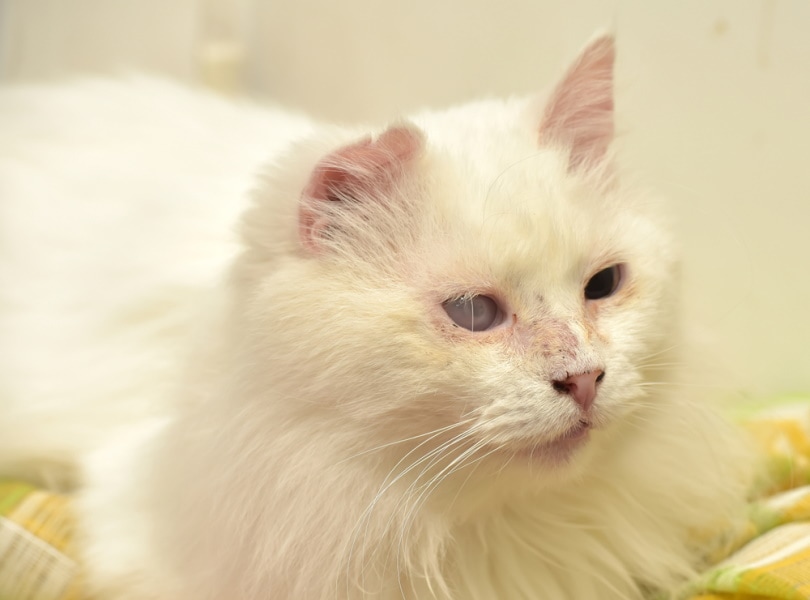
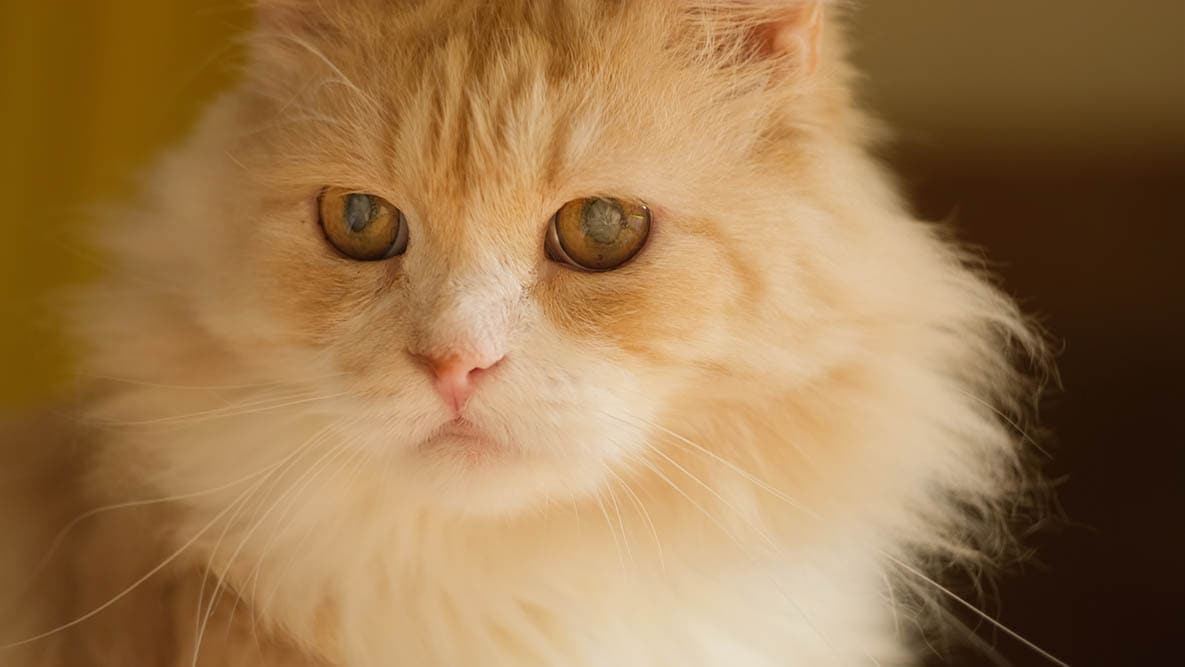
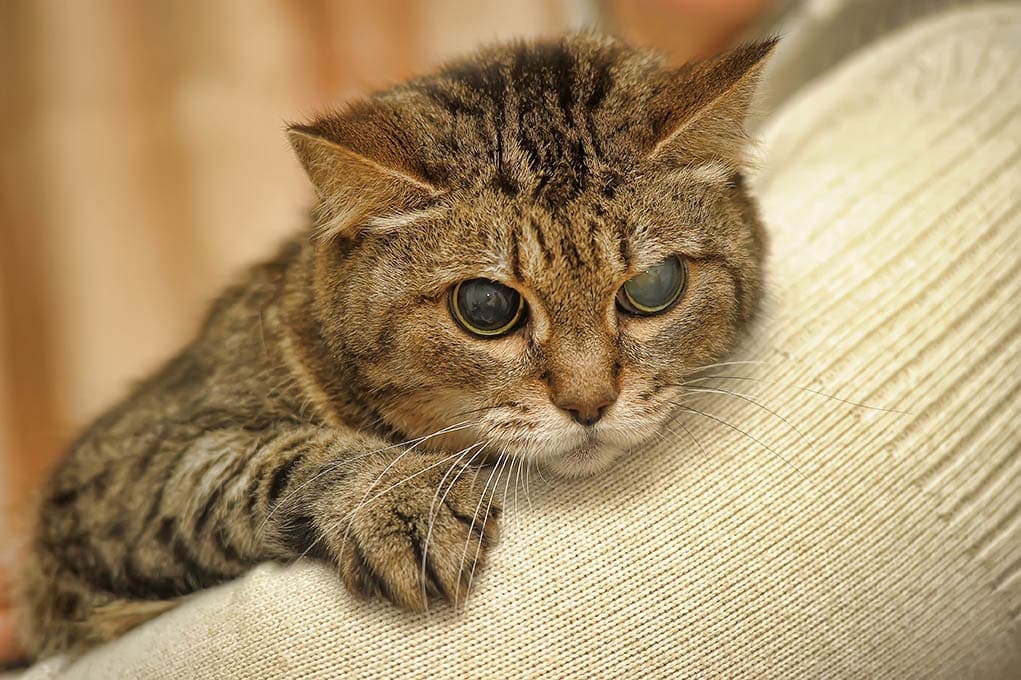
With certain eye issues, it’s very normal to see a cloudy film over the corneas. This film is a surefire sign that the affected parts are experiencing issues. Some eye conditions that cause this sign are:
Cataracts
Cataracts are cloudy spots on that opaque cat’s eyes. When they form, they literally create a translucent or opaque barrier that creates eventual vision loss.
Cataracts are damage to the lens of the eye. They can also result from diseases like high blood pressure or diabetes, nutritional imbalances, cancer, or infection. They can be hereditary, but that's not always the case.
Glaucoma
Glaucoma is a disease that causes higher pressure inside the eyeball or increased intraocular pressure. When the eye cannot drain aqueous fluids, it increases the pressure and inflames the region. When this happens, the pressure affects the retina and optic nerve.
Over time, it causes physical changes, including bulging and blindness. If it isn’t treated straight away, it will lead to blindness very quickly in some cases.
3. Your Cat Might Jump Less or Not At All

As you can imagine, it might be pretty scary to jump when you’re not sure where you might land. High-up favorite spots or window sitting may fade away. This is very typical when it comes to sight loss. Without this sense, it often takes them a long time to establish the courage to try to move more.
4. Your Cat Might Become Less Social
As their sight decreases, they may stop following you around or greeting the company. Most of this is simply because they can't see. However, some cats might become depressed or afraid.
5. Your Cat Might Avoid Wandering Around
Naturally, your cat will be a little disoriented and unfamiliar with this way of living. They may act unsure and hesitant to move from certain spots for a while.
6. Your Cat Might Not Follow You Anymore
Because your cat will have one less sense, they won’t actually see you walking around; so, they might not follow you around as they did.
7. Your Cat Might Act Disoriented
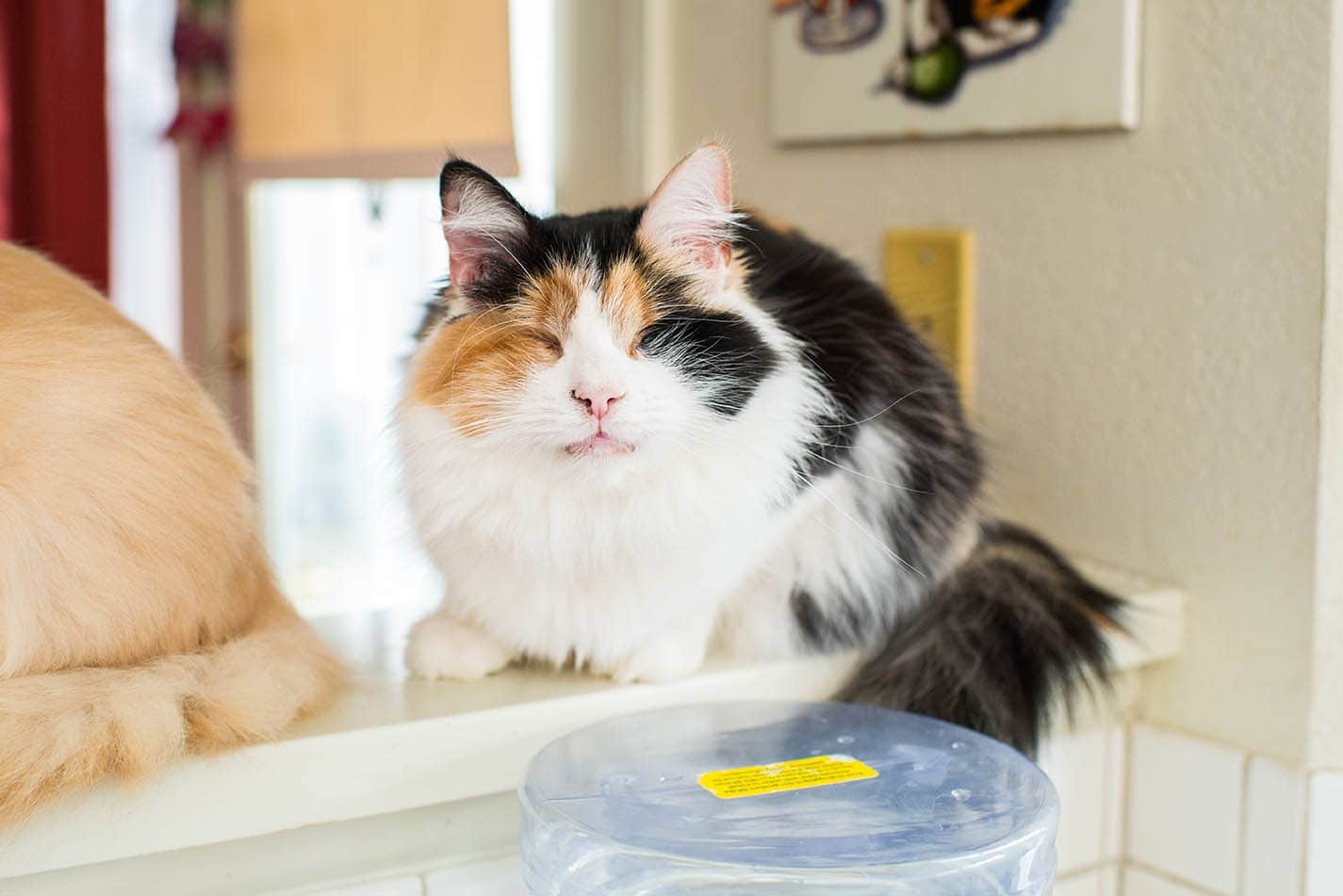
Your cat might start looking confused more often. You might notice them wandering aimlessly or having a little trouble finding a food dish.
8. Your Cat Might Start Having Accidents Outside the Litter Box
Until your cat grows accustomed to learning the world in the darkness, they might have initial accidents. Luckily, cats have a great sense of smell and are aided by their whiskers, so they should get to their litter boxes safely soon enough.
How to Tell if a Kitten Is Blind
When a kitten is born, there are tons of health defects that they might already possess—blindness is among them. However, since all kittens are born blind, it would take a while to show.
When a kitten first enters the world, its eyes are sealed for 8-12 days. Soon, they start to open, but still, they can't make out images yet. Everything is a blurry mess for them.
But by 25 days old, which is roughly 3 1/2 weeks, your kitten should respond to sights and sounds. If you notice delays among peers, it could be related to blindness or another underlying health condition.
Blind kittens might have these problems:
- Cloudy eyes
- Lack of certainty on feet
- Lack of exploration
- Lack of play
- No greeting you or others
- Seemingly confused
- Uneven or wide pupils
- Bumping into things
- Getting lost
- Crying
If you're concerned about blindness in a kitten, a professional evaluation is a must.
At-Home Tests & Follow Up Care
You can try a few methods at home to see if your cat is blind, but only a licensed professional can make the diagnosis.
Bright Light Test
There is one painless at-home test you can try to determine if your cat is blind. Since our eyes are highly sensitive to light, shine a bright light directly into the eye, such as a flashlight.
A cat who can see will likely immediately react by squinting, blinking, or turning away from the light. A cat who is blind, on the other hand, will continue to stare unbothered.
Cotton Ball Test
You can drop something soft, like a cotton ball, in front of your cat's face. If their eyes do not follow the bright white color, they are likely to suffer poor eyesight or blindness.
Laser Pointer Test
We all know how much cats go bonkers for lasers. If your cat is going blind, they might not even pay it any mind. If your cat had no reaction or a very slight reaction, it might be time to make an appointment with your vet to confirm.
Vet Visit
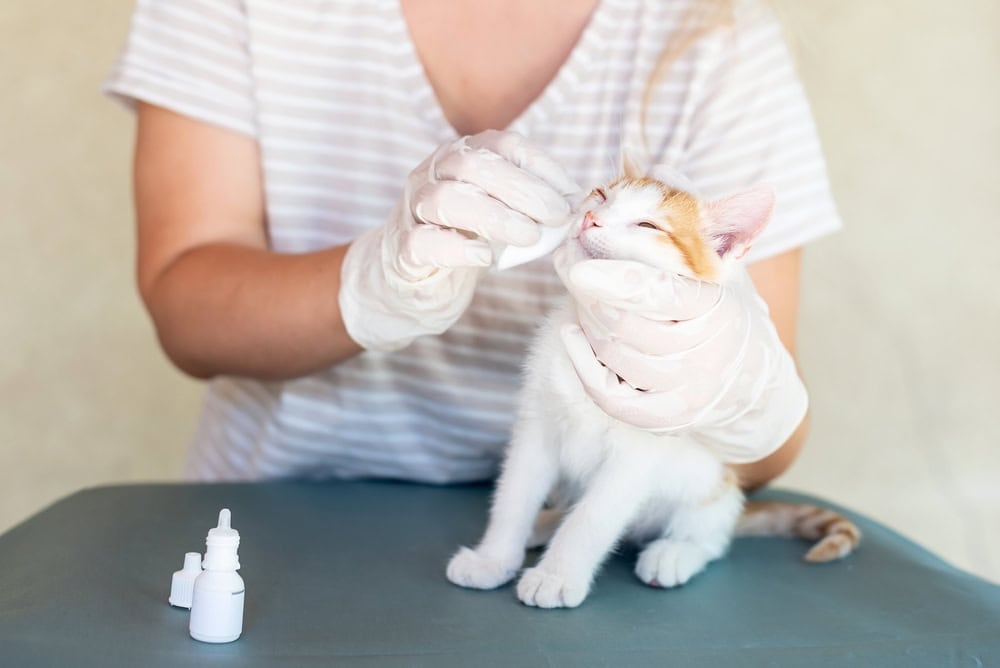
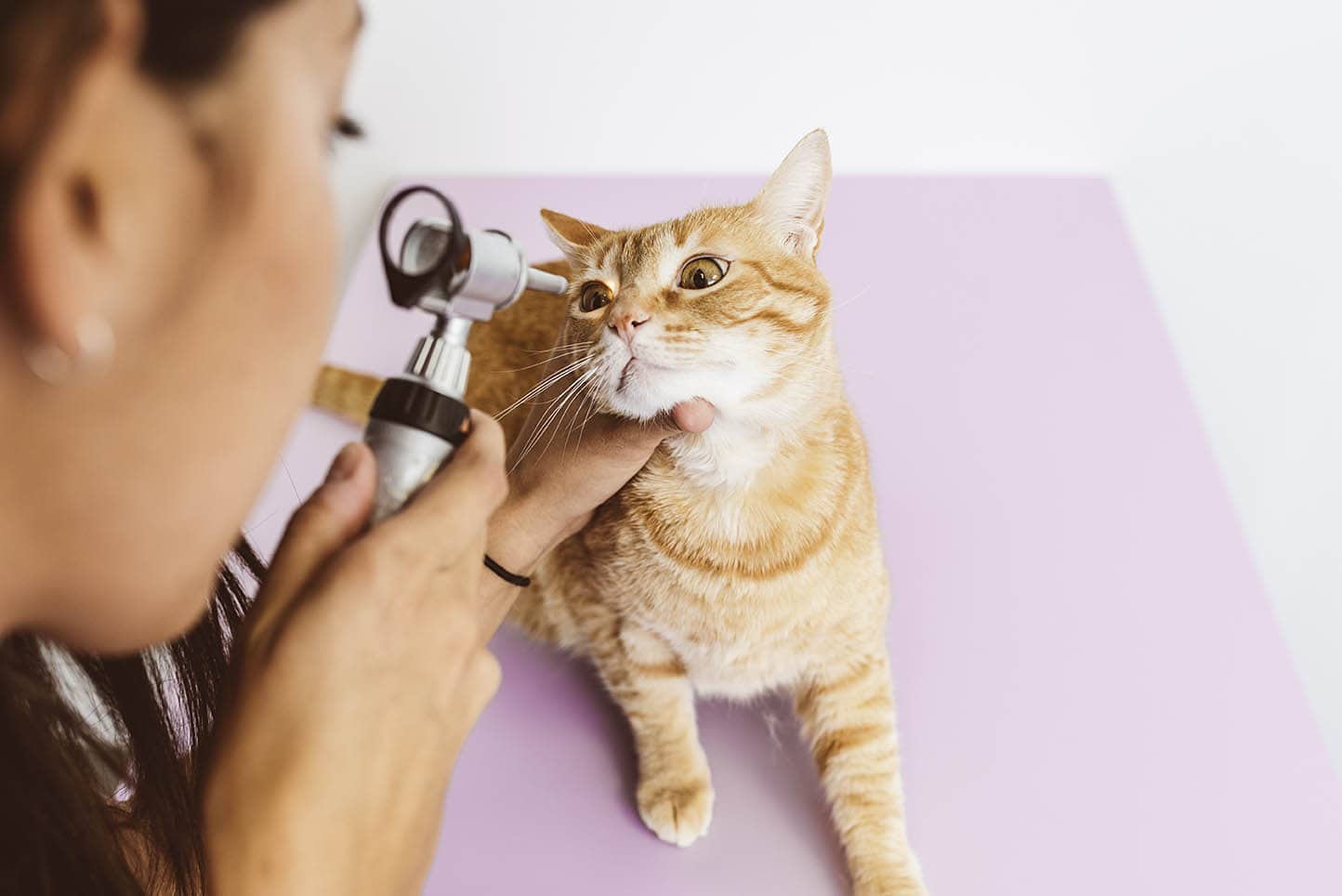
Ultimately, you will need to get your cat to the vet to determine the severity and reason behind sight loss in your cat.
Adjusting to a New Reality
On average, it will take your cat a few weeks to several months to completely adjust to blindness. If the blindness is gradual, they will likely fare better than those who had a sudden loss of sight.
Taking care of a blind animal might not always be easy, but your pets rely on you for protection and security. Having your cat's health change might feel overwhelming, but it's all a part of the package deal. We love them in good times and bad.
Soon enough, you might even forget that your old friend lost their sight. Ultimately, this is just a little hiccup and should cause no serious impacts on your ability to keep your cat and enjoy their company. Oftentimes, if an animal loses the power of one sense, its use of other senses gets stronger.
No Need to Rehome (But Know Your Options if You’re Considering It)
Taking on an animal with a physical disability can be challenging for you both. Although you have probably been preparing for anything, certain issues can crop up without much foresight.
Pet insurance is growing in popularity, as it covers unexpected costs and (in most cases) pre-existing conditions. Many pet owners find it more affordable than paying outlandish vet bills. However, that extra expense might not be within your budget.
If you find your cat has a health issue that you can’t afford to treat or they require closer care, you might not be able to accommodate it. There is always a possibility you can keep your pet, but if you find your hands tied, what are your options?
1. Try to Rehome Your Cat With a Family Member or Close Friend
If you’re lucky, you might know a family member or friend who would understand your situation and take on your cat. This is one of the best ways to rehome, as it still gives you a connection to your animal, and you know they are safe and well-cared for.
2. Think of Any People Who Adore Cats and Reach Out
If you know a cat lady around who tends to take in special cases, it might be worth reaching out. We definitely don’t recommend aiding in a hoarding situation, but a person who takes in strays can be a real lifesaver.
3. Call Rescues and Shelters
Many rescues and shelters have resources many aren’t familiar with. With all of their programs available from state to state, the goal is to keep pets with loving homes. Explain your situation to see if there might be any way to keep your pet. If not, they will guide you to rehome your cat successfully.

Final Thoughts
Blindness is unfortunate, but it doesn't have to impact your relationship forever. With a few adjustments and unique accommodations, your sightless kitty can still get around and live life happily. However, if for any reason you can no longer care for your cat in their condition, don’t be afraid to reach out to loved ones or professionals for guidance or help.
Featured Image Credit: NOPPHARAT7824, Shutterstock
Get Hepper In Your Inbox


Pet care tips from our vets and experts, straight to your inbox.
You may opt-out at any time. View our Privacy Policy for more information.
Ashley Bates, a freelance writer with a passion for pets, is currently studying animal therapy. She is a mother to four children and 23 pets, both furry and feathery. Ashley actively volunteers at local shelters, advocates for animal welfare, and rescues animals in distress. Her mission is to promote awareness, education, and entertainment about pets to help prevent animal homelessness. She specializes in the care and well-being of dogs and cats.
Join the conversation
Ask a question, share your story, or send private feedback.