Hepper is reader-supported. When you buy via links on our site, we may earn an affiliate commission at no cost to you. Learn more.
How to Train a Toy Poodle - 3 Styles of Training


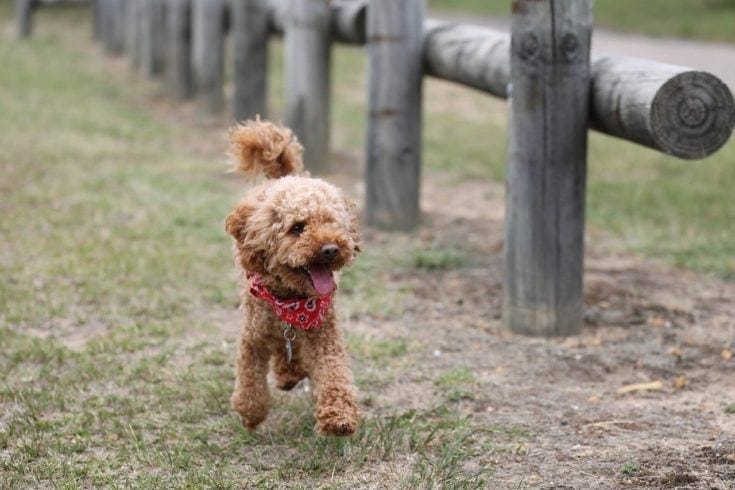
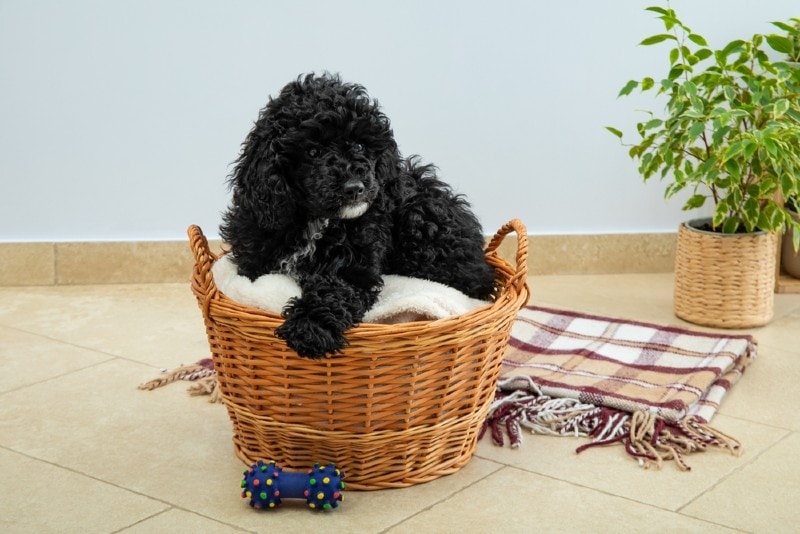
If you are just now getting into the routine of training your toy poodle, you might be impressed with how quickly they pick up things. Poodles are one of the most intelligent dogs of any breed and pick up concepts beautifully.
Below are some tips on how to treat train, command train, and toilet train. Hopefully, these give you a fantastic guideline for successful learning.

Area of Training for Toy Poodles
We will discuss treat training, command training, and potty training. Remember that these are brief descriptions of what may work in your situation. But if you're struggling with the task, seek a professional for guidance—they're always a massive help!
Treat Training
1. Do Your Research

There are tons of different pointers when you are treat training. Different strokes for different folks, that's what we say. So do a little research before picking exactly what you will use treats to reward so you can learn the best process possible.
We'll go over the basics here to generalize how treat training works and how long you should draw the process out. No matter the method you choose, you shouldn't overuse the treat method as it can create an expectation.
Your dog might not listen to you in a dire situation that really requires it because they are so used to being rewarded with a treat. If there is no incentive, it could cause a delay or stifle training, meaning your dog might not listen to you at those crucial moments when it's necessary.
So just make sure this isn't your one-stop shop for a treat training because resources, in general, are handy.
2. Pick a Tasty Treat
All dogs are different. Some can be downright picky. A toy poodle might be a bit notorious for snubbing its nose to specific tastes or even have allergies to certain ingredients.
You might have to try a few different treats, which could be a fun experience. Go to the pet shop, order a few online, and let your dog sample them. Whichever one they take to the best, you can offer these specific ones during training.
Or, if they seem to like a variety, you could always keep several on hand to switch things up, so they don't get bored.
3. Keep Treats on Hand
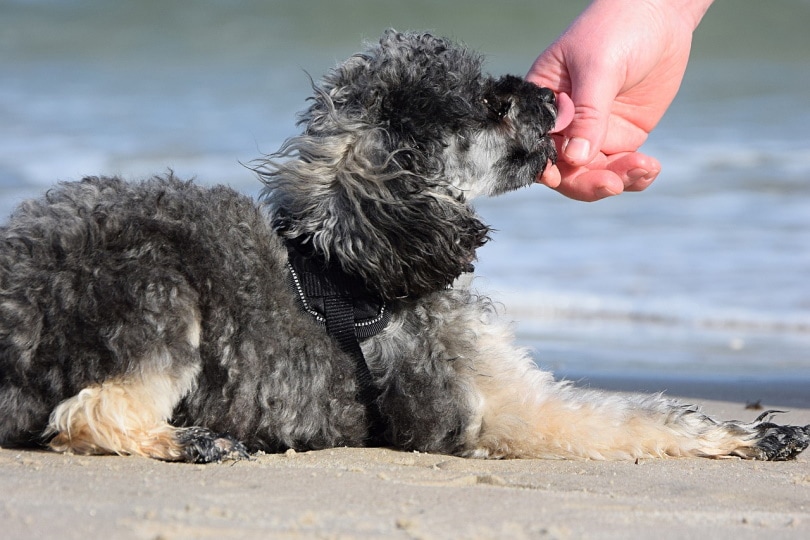
If you can, it's always best to keep a few treats in your pocket and utilize them when the time comes. You never know when a trainable moment will come up sometimes, so whether you're command training or potty training, it's best to have some incentive to keep your toy poodle interested.
The last thing you want is your dog's treats to be stuck inside your pockets. Gross! Because it's something you should keep on hand, choose something that isn't messy, or buy a specifically purposed training pouch.
4. Reward Every Time
When starting the training process, it's crucial to reward your dog every time it does something that it should. Say the word "good" right at the moment your dog does what you expect, this helps them bridge the connection between their behavior and your request.
Once your poodle starts really catching on to the concept of treat equaling a reward, you can slowly start backing off. That takes us to our next step.
5. Slowly Reward Less
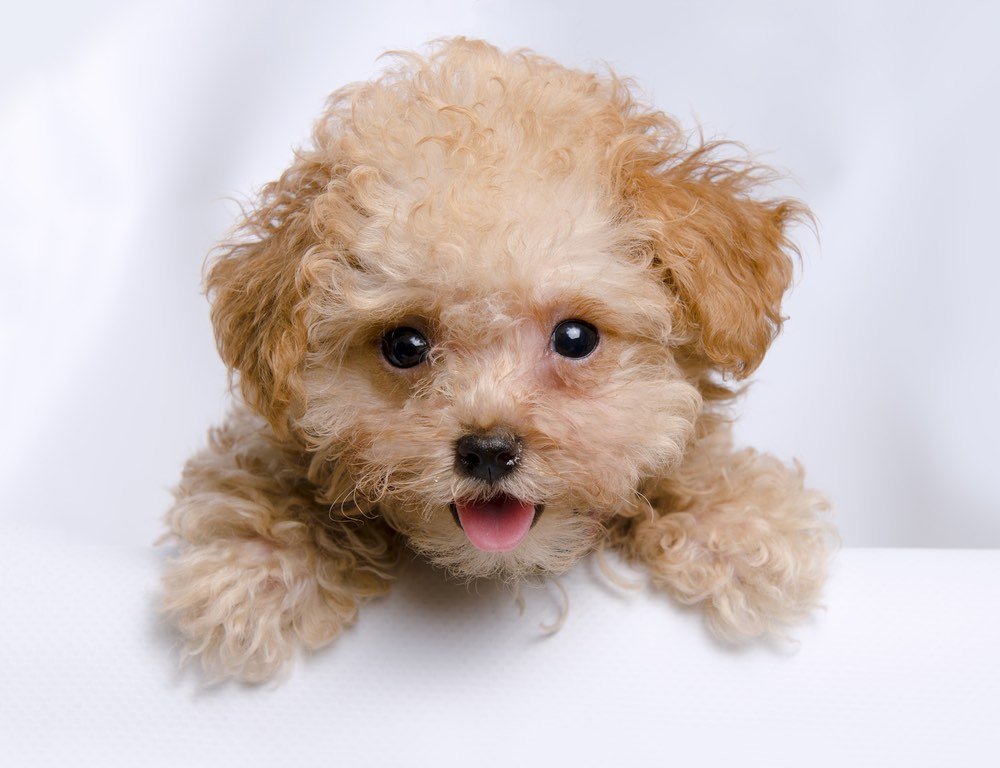
Your pup loves those consistent rewards. But eventually, it's time to start weaning them off of them. The ultimate goal is to get to the point where they will listen to your command without a treat as compensation.
You can reward them in other ways, such as words of praise or cuddles. But when it comes to general tricks or commands, they shouldn't always need the treat to validate them. Do not ever stop treat training cold turkey.
Your dog might have a lot of trouble making that transition. So to keep up with routine training, start giving them a treat every other time, and take it away slowly from there. Every situation will be different, so just feel out your pup’s progress and adjust the timeline accordingly.

Command Training
Your toy poodle is going to impress you with their incredible intelligence. It won't take long for them to learn their name and other verbal cues. When you’re command training, it's best to use words they can easily remember and detect in conversation.
You will want to keep up with treat training during this process until your toy poodle has learned the commands you wish to teach.
1. Use One-Word Phrases
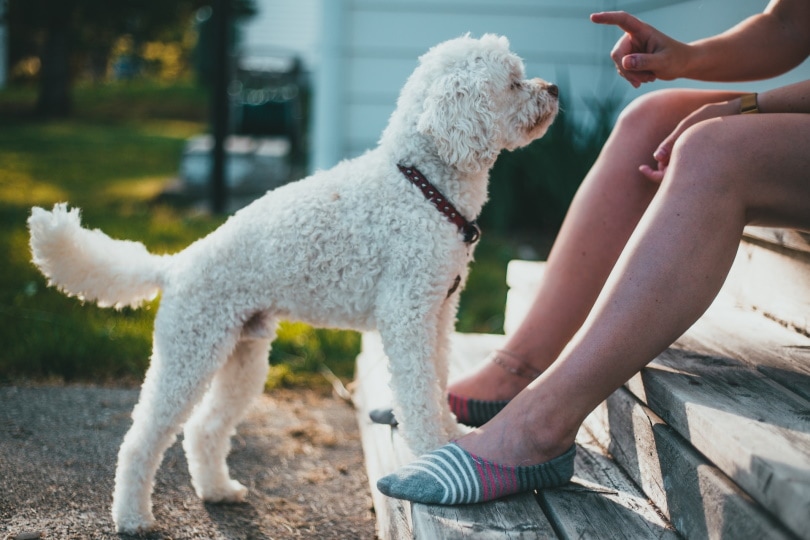
To keep things easy, keep all training phrases one syllable. This helps your dog comprehend, reflect, and understand your vocabulary. It's imperative to use terms like "come," "sit," "stay," to make the word instantly recognizable.
2. Commit to a Routine
Use the same command every single time you want your dog to act. Do not confuse them with long strings of sentences. Anytime your dog needs to go to the potty, use your phrase of choice and use it each time you introduce the outdoors, for example. Your dog will start to associate the term with the action.
3. Use Commands on Point
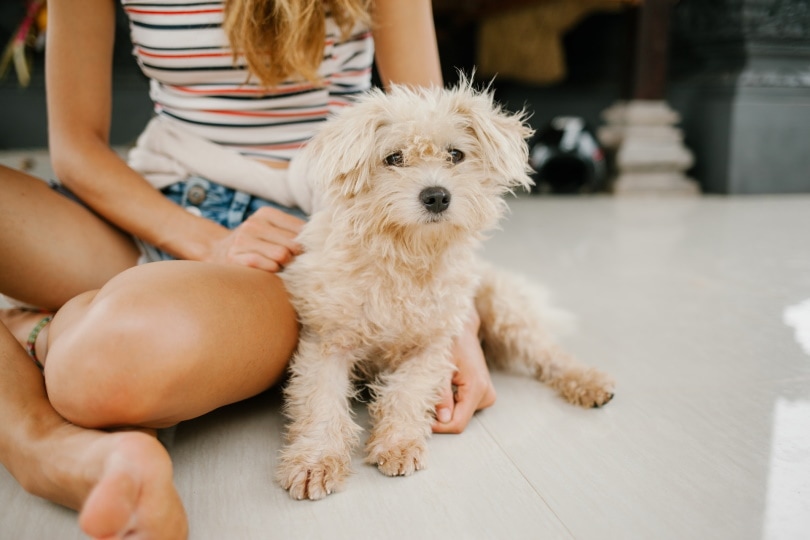
Your consistency will play a vital role in the success of command training. Anytime you want your dog to perform a specific action, it's best to use the exact same command anytime the subject arises. Never fail to use the word whenever it is appropriate. The more your dog gets familiar with specific terms, the more quickly they retain them.
4. Try Commands Distraction-Free
Anytime you are really getting down to command training with your dog, it's best to remove any distractions. Dogs can become overwhelmed by their surroundings, which can cause a delay in retention. This is especially true if your dog is particularly flighty or inattentive.
5. Utilize Commands More and More in Various Situations
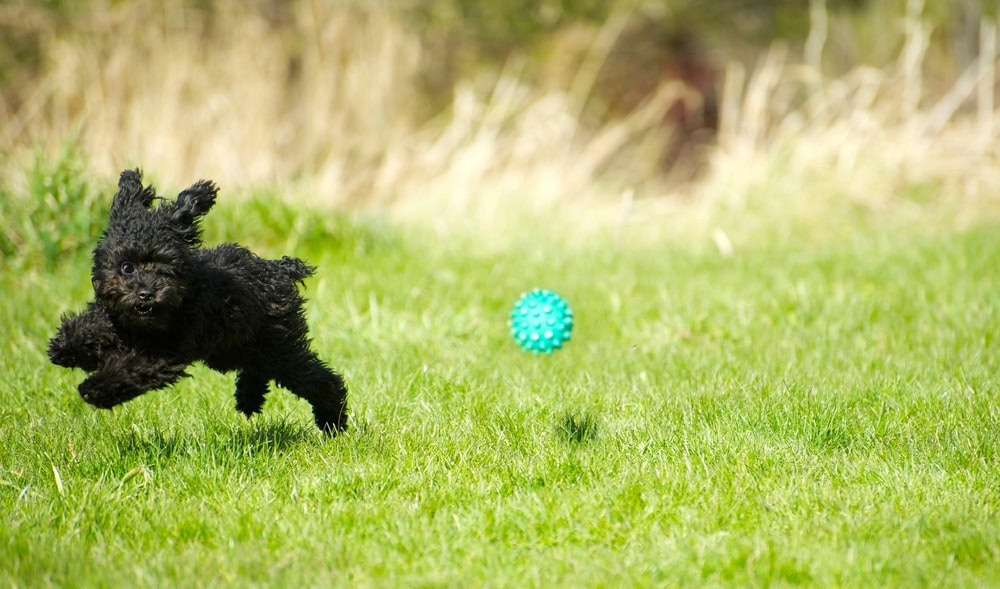
It's important to get your dog to listen to you no matter what's going on. If you're in a high-stress situation or a very low-key setting, you should be able to get the same reaction. Especially for young dogs, it's sometimes hard to stay on task. So it's important to test their willingness to obey in bustling and calm settings. The more you work with your dog giving commands, the more likely they will be to listen, especially when it counts.
6. Possibly Consider Professional Training
It doesn't matter if you're inexperienced or a seasoned owner. Sometimes professional behavioral training can come in handy. It really adds a foundation to get you and your pup working together to achieve specific results.
Professional behaviorists will be able to explain to you exactly how to interact with your dog to promote a healthy relationship and mutual respect between you. Any good trainer will tell you that anything they teach your dog, it is equally important to continue at home.
Many behavioral classes allow you to work directly with your dog during training. Some trainers board your dog and work with them privately, returning them to your home after a week or another designated time. It's up to you to pick the type of training that works best for you.

Potty Training
Potty training might be one of the most taxing things to teach your dog, but luckily the process doesn’t last very long. With patience and persistence, you can train your toy poodle to use the bathroom outside for good.
Granted, these are tiny dogs with tiny bladders, so it might take a little bit longer for them. You might still need to supplement with puppy pads. But here is a primary training method for success in pottying outdoors.
1. Have a Designated Spot
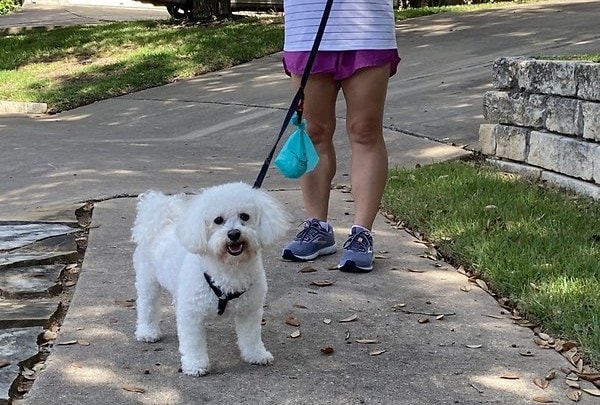
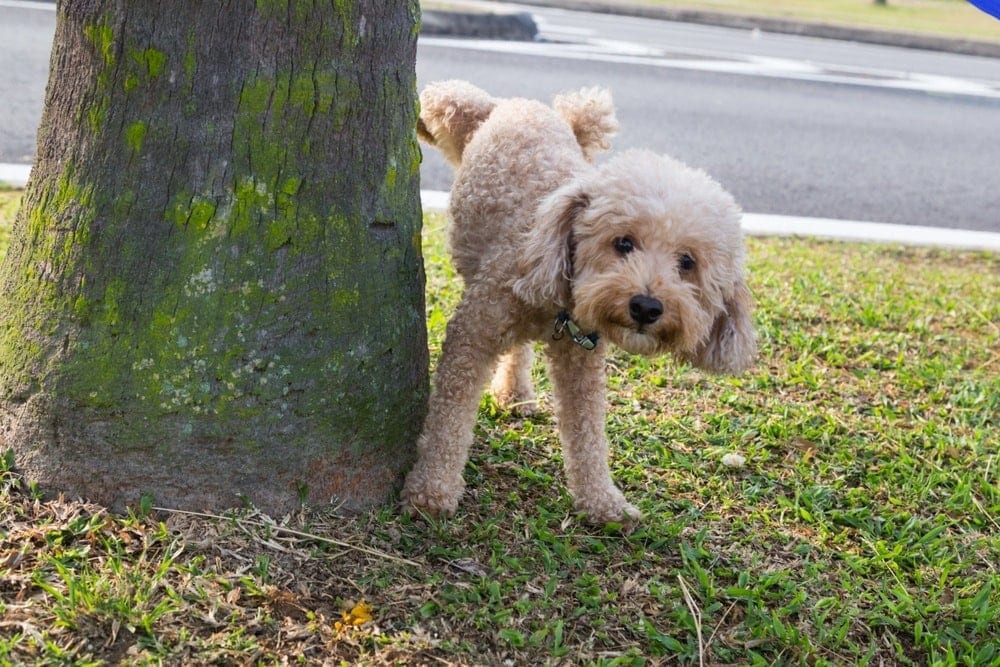
Before you even begin potty training, you should have an outdoor area in mind. The consistency of taking your dog to the same spot will allow them to bridge the connection. Plus, it makes yard cleanup a whole lot easier for you. So choose a site that is easy to clean and familiar to your poodle.
2. Take Your Dog Out on a Schedule
Remember that your toy poodle has a very small bladder. It's going to be hard for them to hold it for long periods. When they are puppies, it's best to take them out at hourly intervals that equal their age in months. So a 3-month-old puppy should be taken out at least every 3 hours. Also, taking them out immediately following meals or excessive drinking can make this a whole lot easier.
3. Pick a Training Method that Works for You
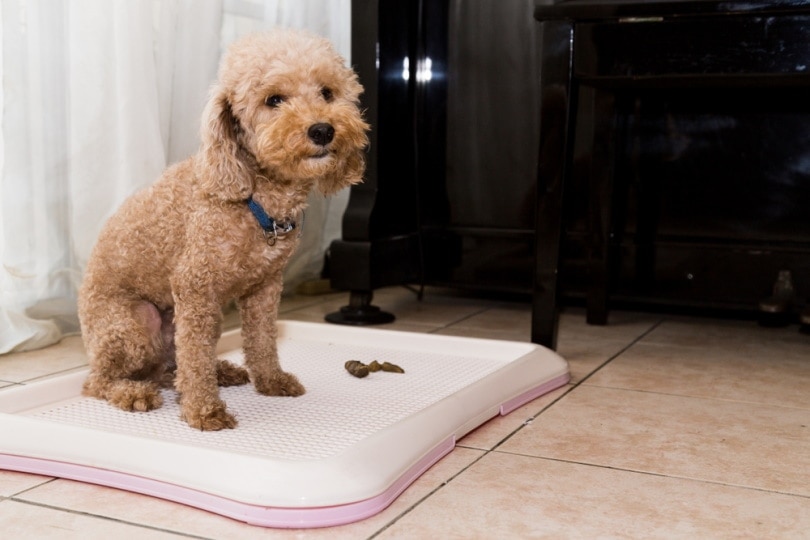
There are many different ways people familiarize their pups with doing business outside. Whether you choose vocal cues or ringing a bell, it's best to pick away for your dog to let you know when they need to go out.
4. Utilize a Crate
Dogs are naturally clean creatures and would prefer not to lay in their own mess. It's unnatural for a dog to want to do their business where it can escape it. When your little toy poodle is just getting started, crate training is an excellent potty-training tool.
So, if you have a crate big enough for your toy poodle to lay, but not rome around, it lessens the chances of accidents. If you leave your dog in the crate and get them out every hour or whatever time you have scheduled, this lessens the risk of in-home accidents. Remember that this is a tool, so use it wisely and only when needed. You should not keep your puppy inside the crate all day long.
He will gradually be able to decrease the time spent in the crate as your little toy poodle starts catching on. It might be really hard at first to find a crate small enough for your little guy or gal. But most pet stores and online pet shops have available options. But initially, it's an excellent safety measure to prevent accidents.
5. Keep a Positive Attitude
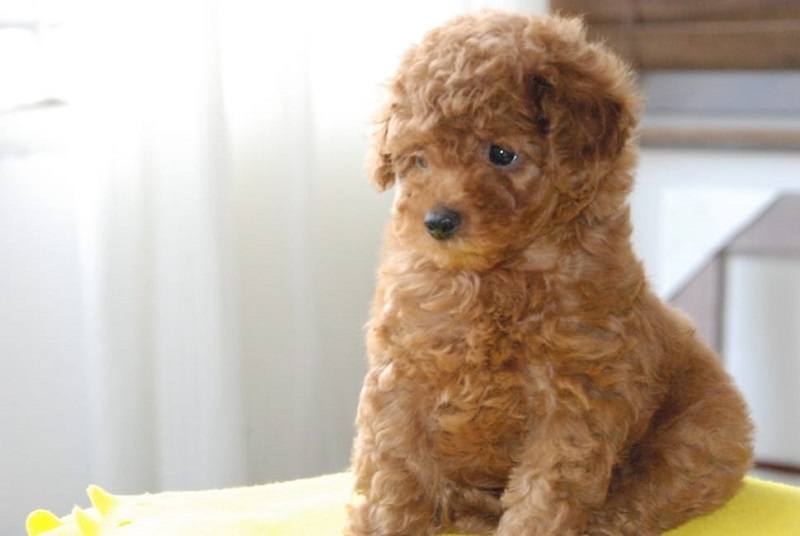
Punishment is never a way to start a positive relationship. Yelling, screaming, swatting, or punishing your toy poodle harshly can lead to a lot of conflicting strain in the relationship. We know that it’s frustrating, especially if it seems like it’s taking forever for them to catch on.
Creating a positive environment and making your toy poodle feel safe is a foundation to build. But it's vital as an owner to maintain consistency and patience. Just keep your bearings and know that this process will be over soon.
A year from now, you'll be looking back and laughing at all the moments you thought it would never end.
6. Utilize Puppy Pads
Many trainers advise against using methods like puppy pads to train your dog. It can create a lot of bad habits. We definitely recommend trying the training process without using puppy pads initially.
But if it seems like your schedule conflicts with your dog's potty schedule, it can leave the potential for accidents in the home. If you find that your dog needs a release when you cannot give them one, puppy pads might be a method you should consider.
Some dogs are purely puppy pad trained, meaning they use them similarly to a litter box. It is seemingly much more common among small dogs as they can't hold their waste like larger animals.
If you've tried everything in your power and your dog is still having accidents regularly, it might be time to purchase a few suitable puppy pads to see if it helps your situation.

Things Not to Do When Training
Negative fear-based training is definitely a no-no when you are training your toy poodle. Poodles are known to develop anxiety if put in the wrong situation. So, it is imperative never to use this method when training this particular breed, but you shouldn't do it with any dog.
It's also essential to remember that a toy poodle can be a little nervous Nellie. So even tones can sometimes shift the way that your dog is feeling. This is a very sensitive breed of dog, and training should be conducted accordingly.
Your dog should feel safe with you at all times. Especially in the early years, you are creating a relationship with this animal. Anxiety isn't a common issue with toy poodles if your behavior is consistent.
If they never know what to expect from you or you are being cruel to them, it will forever impact your relationship. Frustration is common, but we mustn't let these emotions show with our pets.
Remember that rehoming is always an option if you cannot prevent that frustration, even after seeking professional guidance. We don't like to recommend rehoming pets as we believe this is a commitment.
There's no need for you and the little dog to be miserable together. But there are certain circumstances where it's in the best interest of both you and the animal that they have another environment to thrive in. So, if you find that despite your best efforts, you're not a match, instead of resorting to harsh punishments and poor behavior, finding a more compatible partner might be best.

Conclusion
Training your toy poodle doesn't have to be a grueling experience. There are ways to make it as seamless as possible for both of you. Once you finally master training, it's smooth sailing from there. Remember that this is just a small portion of the beautiful moments you and your toy poodle will share.
Remember, with any training, patience and consistency are key. Your dog needs to feel safe in its environment, and you need to be as understanding as possible. When following the proper techniques, you will be amazed at what your little toy poodle can achieve.
See also:
Featured Image Credit: NDAB Creativity, Shutterstock
Get Hepper In Your Inbox


Pet care tips from our vets and experts, straight to your inbox.
You may opt-out at any time. View our Privacy Policy for more information.
Ashley Bates, a freelance writer with a passion for pets, is currently studying animal therapy. She is a mother to four children and 23 pets, both furry and feathery. Ashley actively volunteers at local shelters, advocates for animal welfare, and rescues animals in distress. Her mission is to promote awareness, education, and entertainment about pets to help prevent animal homelessness. She specializes in the care and well-being of dogs and cats.
Join the conversation
Ask a question, share your story, or send private feedback.