Hepper is reader-supported. When you buy via links on our site, we may earn an affiliate commission at no cost to you. Learn more.
How Long Do Newfoundland Dogs Live? Average Lifespan, Data & Care


In this article
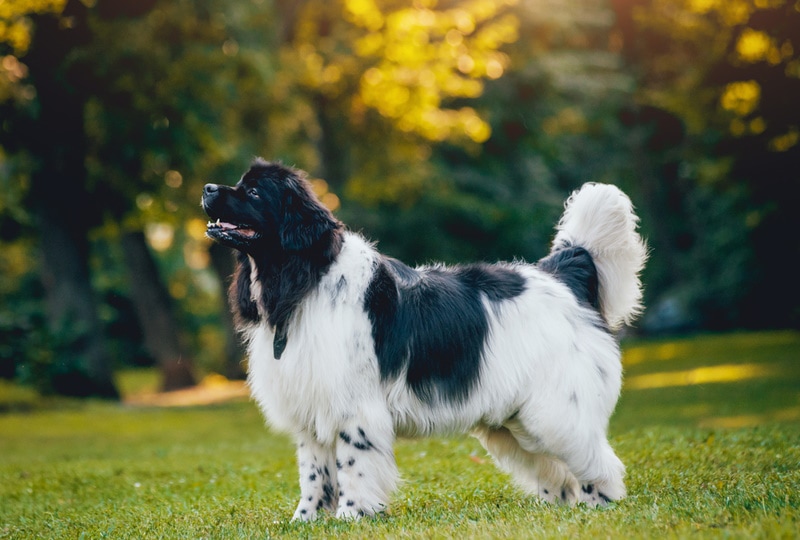
Newfoundlands are massive dogs hailing from Newfoundland, Canada. They make excellent family pets and Newfoundlands typically live longer than many giant breeds, around 8 - 10 years. Weighing up to 150 pounds, these gentle giants are excellent with children and are known as vigilant nanny dogs. However, because of its size, the Newfie has some potential health problems that can affect its lifespan.

What's the Average Lifespan of a Newfoundland?
The Newfoundland breed lives for an average of 8 to 10 years. However, some well-looked-after Newfoundlands have been reported to have lived for more than 10 years, even reaching 12 years old (which is very good for a dog of their size).


Why Do Some Newfoundlands Live Longer Than Others?
Your dog’s diet, environment, and health will affect its lifespan, and we’ll discuss which factors also influence your pet’s longevity.
1. Nutrition
Nutrition plays a vital role in why some Newfoundlands live longer than others. What your Newfie is fed can add years onto their life (or take years off), as large breed puppies need a diet that caters to their fast growth speed. They grow so fast that their skeleton and bones can't keep up.
In addition, Newfoundland puppies need a calorie-controlled diet so they don't gain too much weight, as excess fat can put even more strain on their bones and cartilage. When fed in excessive amounts, some minerals, such as calcium, can also be detrimental, as too much calcium can cause bone deformities and deficiencies in other minerals.
Orthopedic issues that cause deformation and pain (like arthritis) can cause severe physical and behavioral changes. As a Newfie ages, keeping them at a good weight can also affect how long they live. Dogs that are kept at an optimal weight live up to 2 ½ years longer than those that are overweight, and excess weight can exacerbate the skeletal and heart problems Newfoundlands tend to develop.
2. Environment & Conditions
A Newfoundland’s environment can play a part in how long it lives. If a Newfie lives in a place where cleanliness is maintained, there is no smoke in the home, there is space and resources for each animal (such as enough food for all), and enough time and attention are afforded to them, they will live longer. Stress plays its part in canine longevity since dogs that live in stressful environments were seen in a study to have decreased lifespans compared to dogs living in healthy environments.1

3. Housing
A Newfoundland's housing should be safe and protective, no matter where they live. Dogs kept indoors are less likely to be at the mercy of predators, disease, or heat-related deaths. Newfoundlands living in a sanitary home are more likely to live longer and avoid trauma; hazards such as open balcony doors or exposed electrical wires can put a newborn's life in danger.
4. Size
It's long been known that large and giant breeds of dogs live shorter lives than small-breed dogs. Because Newfoundlands are huge dogs, they will nearly always live shorter lives than smaller breeds, such as Chihuahuas.
This is thought to be due to how quickly large breeds grow, and large breeds have a faster physiological pace of aging than small dogs. In addition, because large breeds like the Newfoundland age faster, they’re susceptible to age-related diseases at a younger age than small breeds.
5. Sex
Some research has shown that sex does not play much of a role in the longevity of Newfoundlands. However, whether a dog is fixed plays a bigger part in longevity, with altered dogs living consistently longer than those unaltered. In both groups of dogs in this study, intact male dogs lived slightly longer than intact female dogs, but spayed females lived longer than their neutered counterparts.
6. Genes
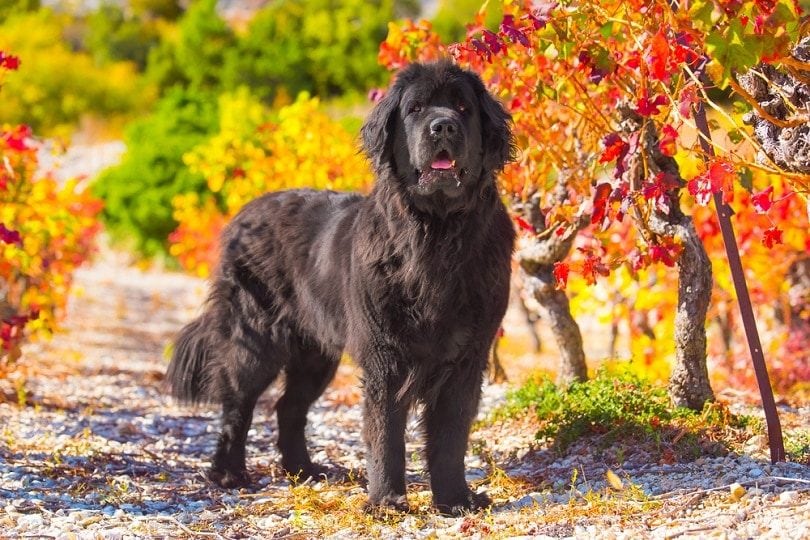
Newfoundlands are genetically predisposed to some health issues which can affect their longevity. For example, Osteosarcoma (bone cancer), hip and elbow dysplasia, and dilated cardiomyopathy are more likely to occur in Newfoundlands and often run in the family lines. Some Newfies won't inherit these conditions and will live longer, particularly in the case of DCM. However, some Newfoundlands may inherit one or more of these diseases from their parents, limiting their lifespan.
7. Breeding History
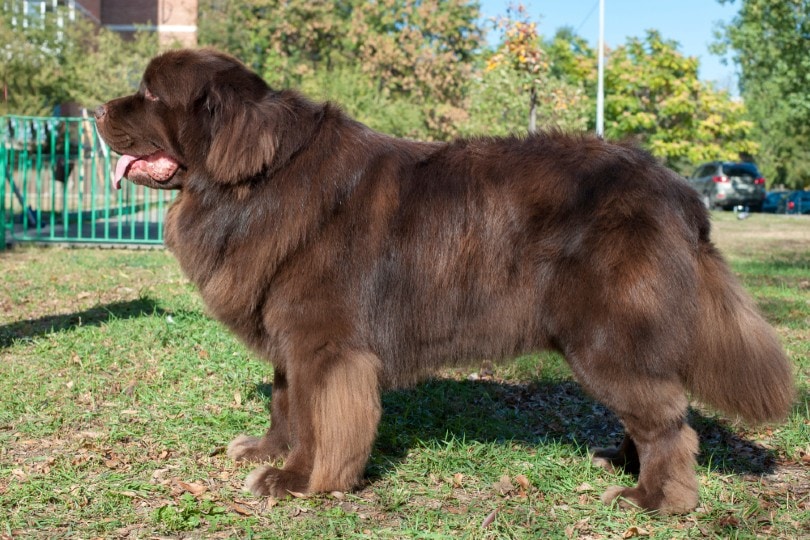
Responsibly bred Newfoundlands that are tested for inheritable conditions and given the right environment and nutrition are more likely to produce healthy puppies. On the other hand, a puppy who comes from a puppy mill, whose mothers are often bred in excess and live in cramped and dirty conditions, may come with a whole host of developmental and behavioral problems, which can severely limit their lifespans.
8. Healthcare
Newfoundlands that are regularly taken to the veterinarian, up to date on their vaccinations, given checkups on their heart and other organs, and have their teeth and nails looked after will live longer than those that aren't. This is because regular health checks can pick up on potential problems earlier, and preventative medicine such as vaccinations helps Newfies avoid common but potentially fatal illnesses such as distemper or parvovirus. Dental health is also essential, as poor dental health has been linked to decreased lifespans in dogs.


The 3 Life Stages of a Newfoundland
1. Puppy

Newfoundland puppies grow very fast and need the proper nutrition to stay healthy into adulthood. Ensuring they eat well and don't gain too much weight is key, as they'll grow to their full size at around 18 months old. However, they mature slower and won’t reach adulthood for 2 to 3 years.
2. Adult
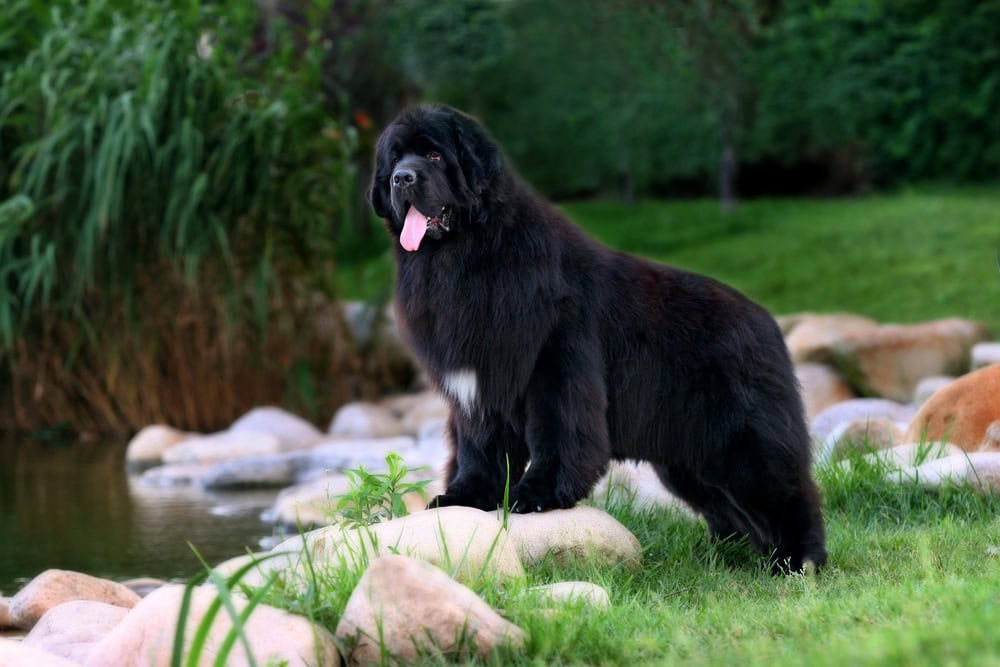
Newfoundlands are considered adults when they’re 2 to 6 years old. Obesity can reduce a dog's lifespan by 2 years or more, so keeping their body in good shape helps to protect their joints and bones from signs of premature aging. In addition, getting your Newfie neutered and keeping up with all preventative treatments can keep them in good shape.
3. Senior

When your Newfie is around 7 years old, it’s considered a senior dog. As your Newfie's cognitive and physical health declines in old age, supplements such as Omega-3 and joint care tablets can help them stay comfortable and slow down common "old dog" ailments. Keeping in regular contact with your vet is important at this age, as well as ensuring your Newfie is comfortable and still enjoying life.
How to Tell Your Newfoundland's Age
Newfies can be difficult to age past the puppy stage, as there are more markers for you to look for when a dog is in puppyhood. Looking at your Newfie's teeth is one of the only ways you (or your vet) can tell roughly how old they are, but even that isn't reliable! Puppy teeth come out at a certain age, so you can look at which teeth your Newfie has, but older dogs are harder to age correctly. The older your Newfoundland is, the less accurate a predicted age will likely be.
Conclusion
Newfoundlands are a giant breed that often only live for 8 to 10 years. A Newfie's lifespan is determined by some factors out of an owner's control, such as genetics, sex, and breeding history. However, by feeding a well-balanced diet, providing a sanitary environment, maintaining regular veterinary appointments, and providing love and exercise, you can help your Newfie live a healthy and happy life for as long as possible!
Related Read: Common Newfoundland Dog Health Issues
Sources
https://vcahospitals.com/know-your-pet/nutritional-requirements-of-large-and-giant-breed-puppies
https://www.nidirect.gov.uk/articles/welfare-dogs-need-suitable-environment
https://www.akc.org/expert-advice/health/why-do-small-dogs-live-longer/
https://www.humanesociety.org/sites/default/files/docs/veterinary-problems-puppy-mills.pdf
Featured Image By: PH888, Shutterstock
Get Hepper In Your Inbox


Pet care tips from our vets and experts, straight to your inbox.
You may opt-out at any time. View our Privacy Policy for more information.
Beth is a mom to two babies: one with four legs, and one with two. Beth has years of practical experience as a veterinary care assistant, working in both the operating room and in consult, expanding her knowledge to gain certification in her favorite subject: feline behavior and well-being! When she's not writing about her favorite topics (cats, dogs, and creature comforts), she's looking after her two-year-old daughter and her energetic eight-year-old Nebelung, Kiba. When she gets a moment's respite, Beth loves to read fiction books. Horror is her number one genre, with fantasy and rich history being her second option.
Join the conversation
Ask a question, share your story, or send private feedback.