Hepper is reader-supported. When you buy via links on our site, we may earn an affiliate commission at no cost to you. Learn more.
Is Aloe Vera Poisonous to Dogs? Vet Reviewed Facts & FAQ


Aloe vera, belonging to the family Aloaceae, is one of the most popular medicinal plants prized by humans for its myriad health benefits, from wound-healing abilities and advantages for dental hygiene to wrinkle reduction. But as a dog parent, you may wonder: can dogs benefit from aloe vera in the same way as humans? Is it safe for them? The short answer is that aloe vera is toxic for dogs to eat but is safe to apply to the skin if handled correctly.
In this article, we're going to take a closer look at this plant's toxins and how to turn aloe vera into something good for your furry companion.

Is Aloe Vera Poisonous to Dogs?
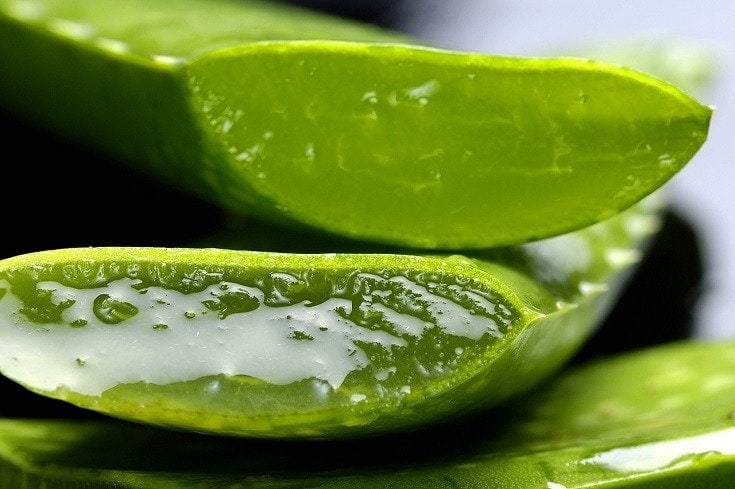
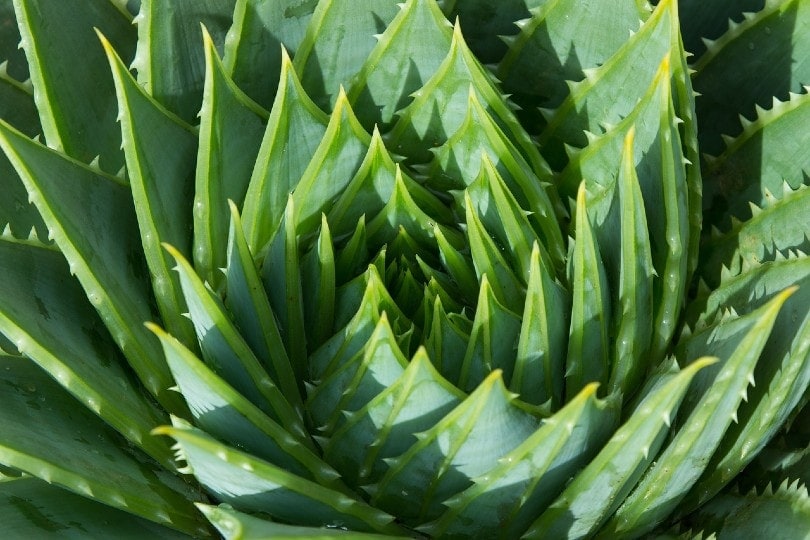
If you break an aloe leaf, you'll notice two things: a white sap around the edge (this is the latex the plant generates) and a clear or greenish slime in the middle (this is the material used to make the gel). The gel is not poisonous, but the latex can cause many problems.
Aloe latex acts as a purgative substance (it is a substance that usually causes diarrhea to empty the intestines). Fortunately, the plant has a terrible taste, but if your dog still consumes too much, they could experience mild stomach upset. In more severe cases, the toxin can cause vomiting and diarrhea.
The toxicity of this plant is considered mild to moderate. The main risk lies in dehydration due to vomiting and diarrhea. The more aloe your dog consumes, the more concern you should have.
Causes of Aloe Vera Poisoning in Dogs
Aloe vera poisoning can result from eating one large dose of the plant at a time, repetitive exposure, or both. This may happen when dogs:
- Swallow aloe vera leaves
- Consume products with aloe vera gel, latex, or supplements
- Have continuous exposure to aloe products

What to Do if Your Dog Eats Aloe Vera
Make an appointment with your vet immediately if you're afraid your beloved dog may have ingested some aloe plants. Typically, the worst that can happen to them is mild stomach discomfort. However, it can become serious based on how much your dog ate in relation to their size and tolerance. Your vet will provide you with detailed instructions.
Symptoms of Aloe Vera Poisoning in Dogs
In mild cases of aloe vera poisoning, vomiting and diarrhea are the most common symptoms. However, if your dog consumes enough aloe to cause severe illness, you can expect the following:
- Abdominal pain and bloating
- Depression
- Anorexia
- Changes in urine color
- Lethargy
- Tremors ( rare)
Even if your dog doesn't show any signs of toxicity yet, it's still crucial that you schedule an appointment with your vet promptly if you suspect they've consumed the plant before the poisoning worsens.
What Will the Vet Do for Your Dog?
Your vet will decide on the most suitable option for your dog based on the amount of aloe vera they have ingested, when they ate it, and the signs they are showing. To remove any remaining aloe in your dog's stomach, the vets may induce vomiting or perform a procedure called a "gastric lavage." They may also place your canine on IV fluids to prevent dehydration. Once your four-legged friend is at home, monitor them carefully and make sure to go to all scheduled follow-up appointments.

Are There Any Benefits of Aloe Vera for Dogs?
Your furry companion will benefit from aloe vera if you use the right part of this tropical succulent in the right way. The plant can be used on dog skin and is reported to have anti-bacterial, anti-inflammatory, and anti-fungal properties. However, you must use this plant with caution and never allow your dog to consume it. It tastes bitter so most dogs will be deterred from licking the gel, but if you're not confident, it's best to avoid using aloe vera products unless they are canine-specific.
Can You Put Aloe Vera on Your Dog’s Hot Spots?
Aloe vera is believed to ease the pain of hot spots, but it's best to take your dog to the vet if they have this condition. Although the plant's anti-inflammatory benefits may be helpful, hot spots can be painful and may need the assistance of a vet to get them under control first. Once there, you can talk with the vet about using the gel from the plant.
How to Apply Aloe Vera on Dogs
Aloe vera gel has many applications. For example, you can use a thin layer of pale greenish gel to treat your dog's flaky skin, bug bites, or eczema. If you are utilizing aloe vera straight from your home plant, you must be mindful of the toxicity and other compounds in the leaves. After you cut out the leaf, you'll see a clear gel inside and a yellowish liquid surrounding the gel (this is the latex layer you must remove).
On the other hand, if you are wary of using aloe gel from a home plant, get a safe product designed especially for canines instead. The market has many liquids, sprays, and lotion products available without the latex found in the leaf.
Other Plants That Are Toxic to Dogs
As it turns out, there are a ton of plants that are safe for humans to use but dangerous for dogs. Your dog should never, under any circumstances, have access to the following plants:
- Both the leaves and berries of English ivy
- Castor bean or castor oil plant
- Cyclamen
- Dumbcane
- Hemlock
- Mistletoe
- Oleander
- Thorn apple or jimsonweed
- Yew
Contact your local vet or the Animal Poison Control Center ASAP if you think your animal might have eaten something poisonous.
Conclusion
Dogs who consume aloe vera may become sick and suffer from vomiting and diarrhea as the primary signs. You usually have no idea whether the plants your dog chooses to taste are harmful or not unless you are a vet or a botanist. Therefore, you should pay attention to your dog when you are out for a walk to keep track of what they are eating.
We hope you've gained enough knowledge from reading this article to know about the toxicity of aloe vera, how to act appropriately if your dog accidentally consumes the plant, and how to apply it correctly for their benefit.
Related Reads:
Sources
Featured Image Credit: casellesingold, Pixabay
Get Hepper In Your Inbox


Pet care tips from our vets and experts, straight to your inbox.
You may opt-out at any time. View our Privacy Policy for more information.
Hanh is a freelance writer living in Vietnam. She has a big love for working online and writing about animals, especially dogs. She finds happiness in helping pet parents across the globe have a fulfilling life with their pets by sharing her knowledge and that of other experts. When not writing, she enjoys traveling and experiencing different cultures.
Join the conversation
Ask a question, share your story, or send private feedback.