Hepper is reader-supported. When you buy via links on our site, we may earn an affiliate commission at no cost to you. Learn more.
Are Boston Ferns Toxic to Dogs? Vet-Reviewed Toxicity & Facts


In this article
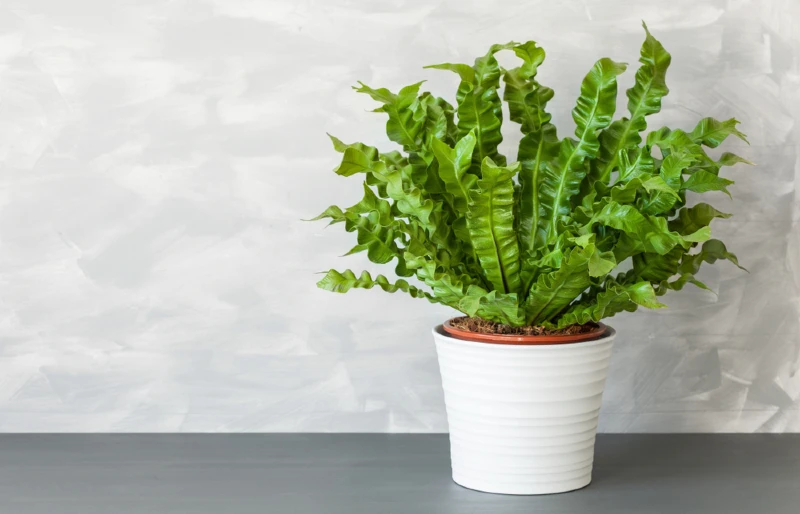
Boston ferns are attractive and easy-to-maintain plants that look great indoors and outside. Since they are so commonly kept as houseplants, it’s likely that dogs will have some contact with them. Fortunately, Boston ferns are not usually harmful to dogs, though digestive issues can result if a dog eats a lot of them. Keep reading for more information about the Boston fern and similar varieties and how to keep your dog away from your plants.

About Boston Ferns
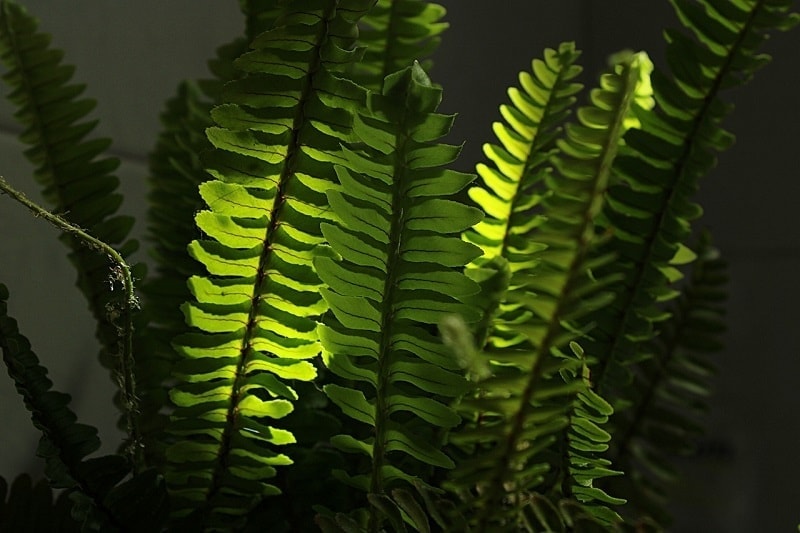
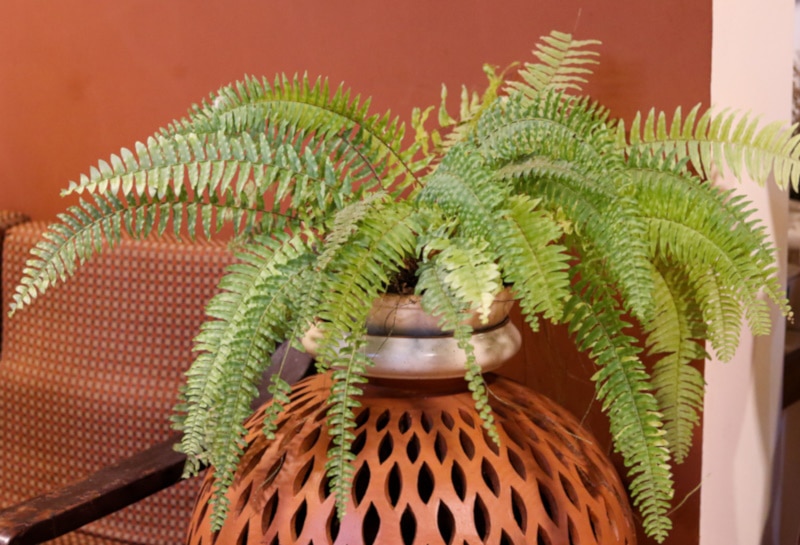
Boston ferns, or Nephrolepsis exaltata, are native to tropical regions and have gracefully arching fronds that can grow more than 3 feet long. These ferns are common in homes, gardens, and even hanging baskets due to their ability to thrive in various light conditions. They also have air-purifying properties, which can contribute to improved indoor air quality.
Boston Ferns and Dogs
A primary concern for dog owners is the potential toxicity of Boston ferns. The good news is that Boston ferns are non-toxic to dogs, so if your dog takes a nibble of a Boston fern frond, it’s unlikely to result in severe adverse reactions.

Digestive Issues
While the Boston fern is not toxic to dogs, consuming a large amount can lead to digestive issues, including gas and diarrhea. This is because large amounts of fiber and plant material consumed at one time can be difficult for a dog to digest.
Why Is My Dog Attracted to Boston Ferns?
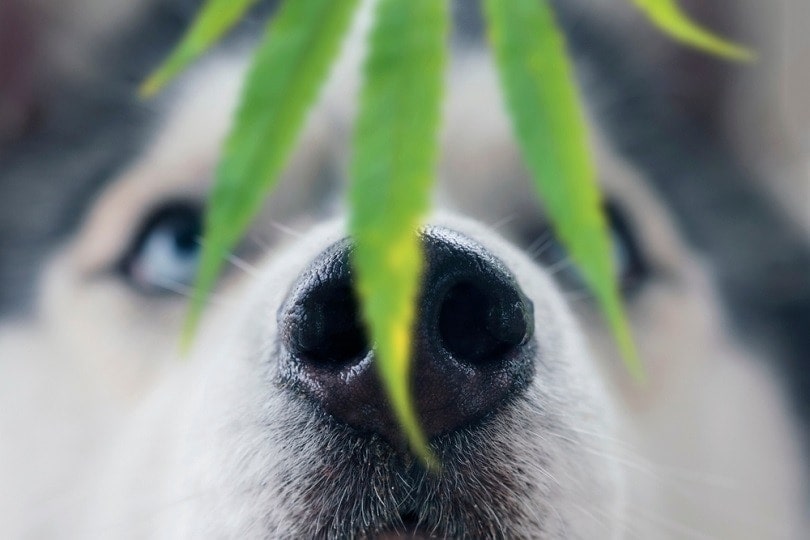
It may seem strange that a dog would even be interested in eating a Boston fern in the first place. However, there are many qualities that may attract a curious canine.
Subtle Movement
Boston ferns have delicate and feathery fronds that might sway and move with the air currents, catching a dog’s attention as a potential object to interact with. Dogs often learn about new things in their environment by tasting, so they might take a bite to try it out.
Texture
Some dogs like to graze on grass and other plants because they like the variation in texture from their normal dog food. If your dog tries a bite of the Boston fern and likes the texture, they may eat more.
Change in Environment
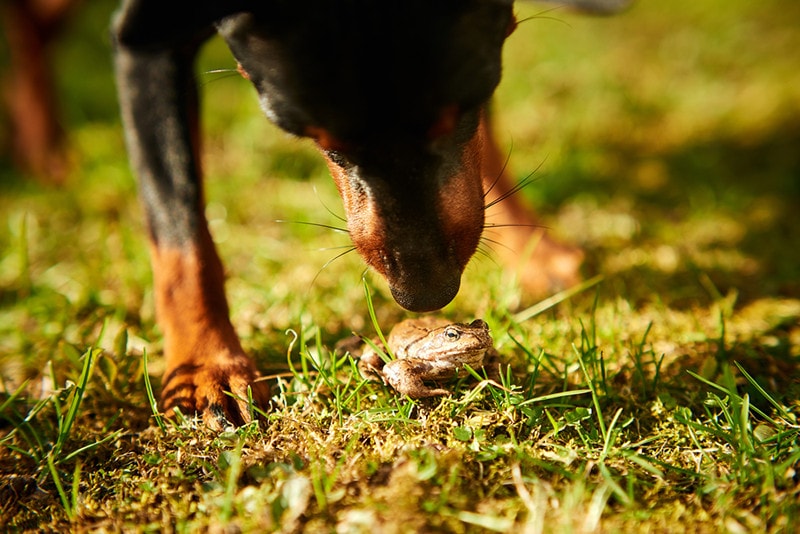
If you bring a new plant like a Boston fern into your home, your dog will likely be curious about it, which can cause them to investigate and even take a bite.
Boredom
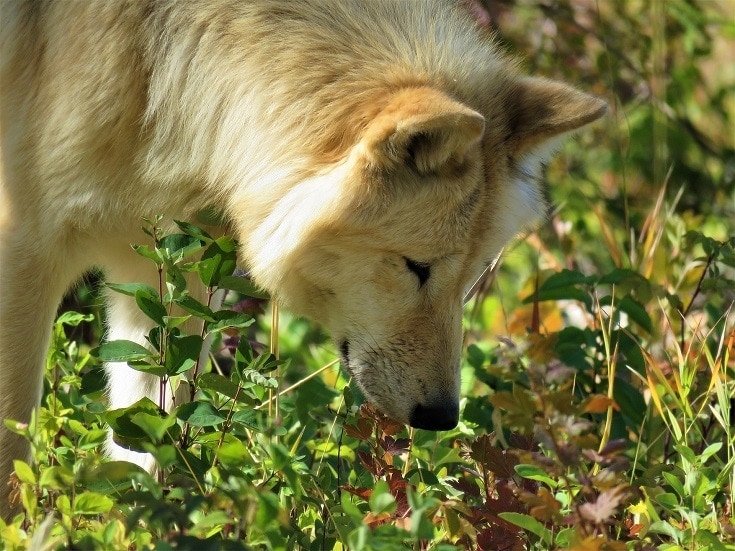
Dogs may resort to chewing on plants, including ferns, out of boredom, especially if you have been away or they aren’t getting enough exercise and mental stimulation. Along with that, chewing can be a self-soothing behavior for dogs, so nibbling your plants may be a way to help them feel better if they’re anxious that you’re gone.
How to Keep Your Dog Away From Your Boston Fern
- Teach your dog to avoid your Boston fern with training that uses positive reinforcement techniques like treats and praise when they avoid your plants.
- You can try substituting alternatives like toys or interactive puzzles to redirect their attention away from your plants.
- Baby gates, plant stands, and hanging baskets can help keep your plants out of your pet’s reach.
- Consider using pet-safe commercial repellents specifically designed to keep dogs away from plants. These products emit odors that dogs find unpleasant but are safe for plants.
- Designate a specific area for your dog with comfortable bedding, toys, and water. Creating an attractive space for them can reduce their interest in exploring other parts of the house.
- Be sure to provide your dog with a proper amount of exercise and mental stimulation every day to help prevent them from becoming bored or anxious and to prevent unwanted destructive behaviors.
What Other Ferns Are Safe for Dogs?
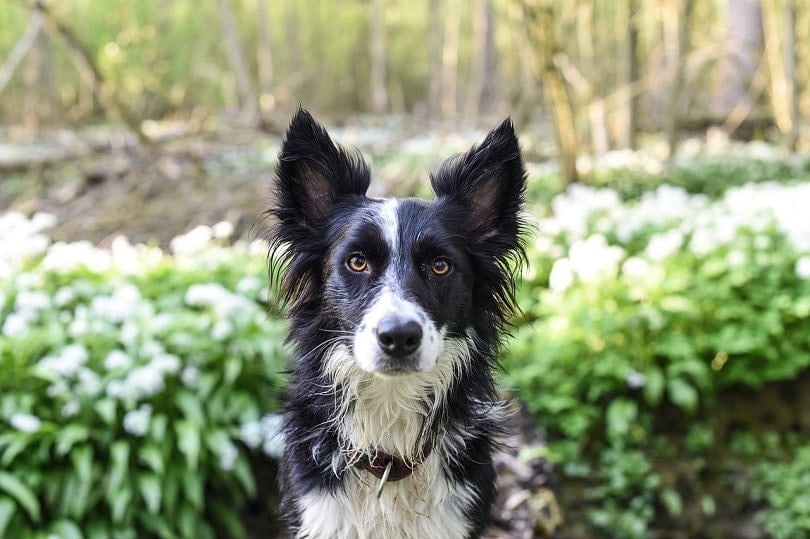
Many ferns besides the Boston fern are safe to have around dogs.
Some dog-safe fern species include:
What Ferns Are Dangerous for Dogs?
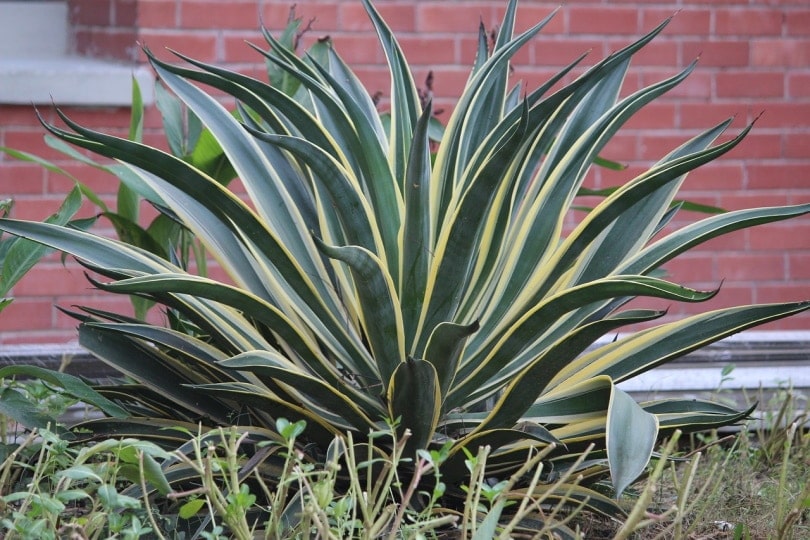
While the most common household ferns are not toxic to dogs, there are a few species to watch out for. Ingestion of even small amounts of these species may cause drooling, vomiting, and diarrhea in dogs.
- Brake Fern (Pteridium aquilinum)
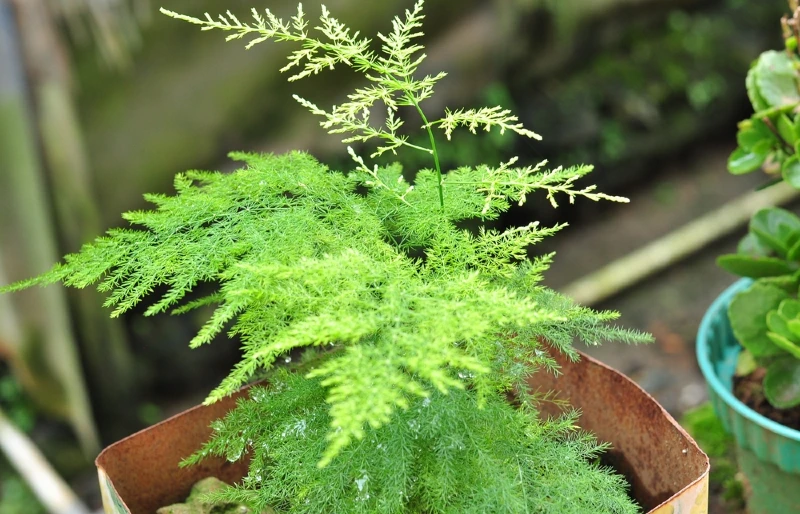
- Emerald Fern (Asparagus densiflorus)
What If Your Dog Eats a Boston Fern?

If your dog eats a piece of a Boston fern while you are not looking, they will likely be fine. However, you should note how much you think they consumed and watch them carefully for several hours while providing plenty of fresh water. If your dog starts to experience health problems like vomiting or diarrhea, contact your vet immediately.

Conclusion
Fortunately, the extremely popular Boston fern is not toxic to dogs and won’t harm them if they eat a small piece of it. However, consuming a large portion can lead to stomach upset, and your pet may experience vomiting or diarrhea, so contact your vet if you notice any problems, especially if those problems persist for longer than 48 hours.
Your dog may be attracted to the plant because it’s something new in the house, or a draft is causing it to move, and they might take a bite as part of their investigation. Training, exercise, toys, and a dog-friendly space can help keep your pet away from your plants. Placing the fern in a hanging basket or plant stand can also prevent your pet from eating it.
Sources
Featured Image Credit: inonoyazy, Pixabay
Get Hepper In Your Inbox


Pet care tips from our vets and experts, straight to your inbox.
You may opt-out at any time. View our Privacy Policy for more information.
Ed Malaker is a veteran writer who has contributed to a wide range of blogs that cover pets, tools, guitars, fitness, and computer programming. When he’s not writing, Ed is usually performing DIY projects around the house or working in the garden. He’s also a musician and spends a lot of time helping people fix their guitars and composing music for independent films.
Join the conversation
Ask a question, share your story, or send private feedback.