Hepper is reader-supported. When you buy via links on our site, we may earn an affiliate commission at no cost to you. Learn more.
Can Dogs Eat Agave? Vet-Verified Health Concerns



In this article
There seems to be a lot of confusion as to what dogs can and cannot eat. So, anytime you go to give your dog a table scrap or a new food item, you are always doing the right thing by making sure it's safe for them. Agave is grown in many desert, tropical, and warm coastal areas. It often comes in syrup form, and it's often used as a sweetener in many different foods and products. But can dogs safely consume agave in any form?
At present, it is thought that the agave plant is mildly toxic and can cause gastrointestinal upset in dogs. Further, it is thought that agave syrup isn’t toxic to dogs, but it isn’t healthy for them. In either case, agave isn't something your dog should have regularly, or at all.
Keep reading to learn all about agave and why you should avoid giving any type of sweetener to dogs.

What Is Agave?
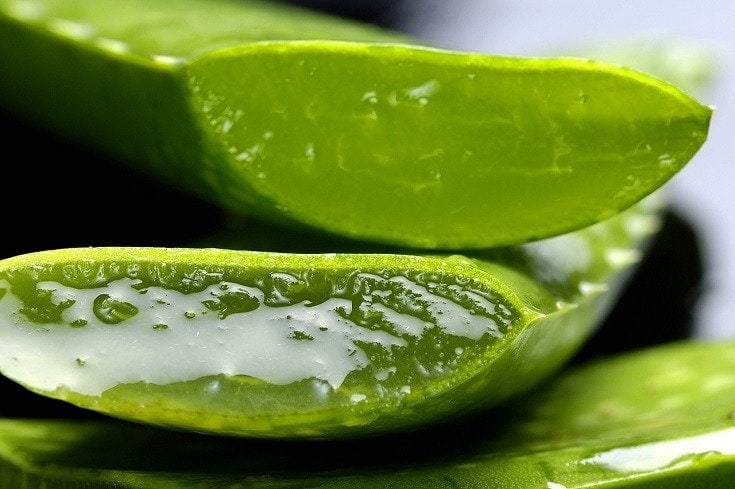
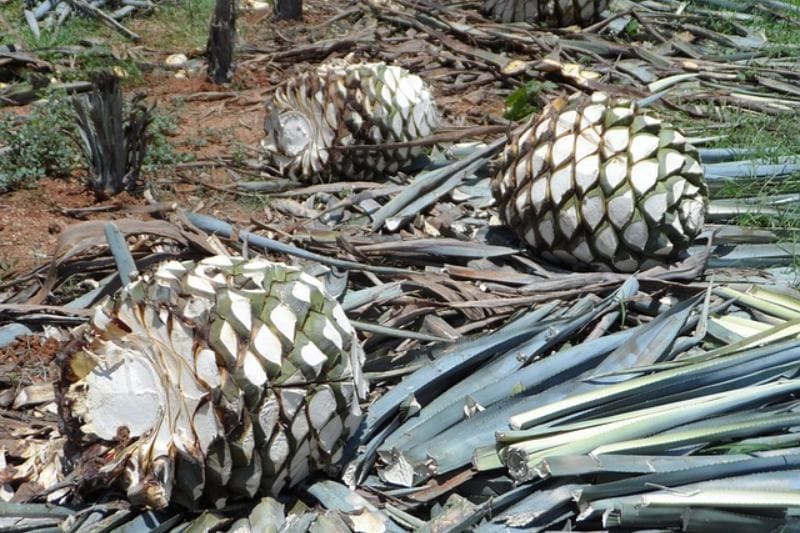
The Blue Agave plant is also known as the Maguey or Century plant. This plant is famously used to make tequila and agave nectar or syrup. Agave syrup is an incredibly flavorful sweetener, so you can use less of it, making it a better alternative to honey.
Agave Plants Are Mildly Toxic
We need to mention that the agave plant itself is mildly toxic to dogs. In small amounts, it might cause stomach discomfort. In large amounts, it can lead to more serious gastrointestinal issues.
If your dog consumes any of the agave plants, watch for the following signs:
If your dog is showing any of these signs and you’re concerned, contact your vet immediately for further instructions.
Agave Syrup Is Safer for Dogs, but Still Not Recommended
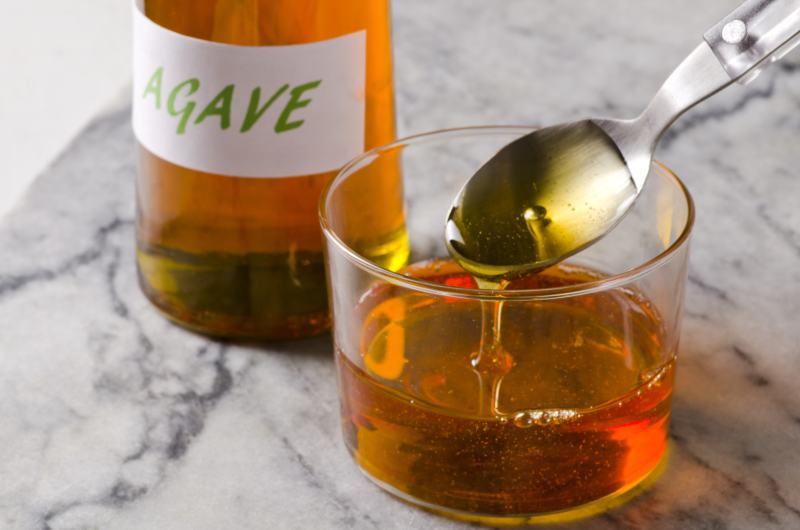
Agave syrup is made from the agave plant and is used as a sweetener in many beverages, often as an alternative to honey. Even though agave syrup is less likely to cause gastrointestinal upset in dogs, they still don’t need to eat it.
Agave syrup contains a lot of sugar, which is why it is used as a sweetener. So, it is still not healthy for dogs to consume it. Also, even though agave syrup won’t cause much harm to a dog in small amounts, eating a lot of it or eating it regularly can lead to digestive upset.

What Happens If a Dog Eats Agave?
It's better to leave agave out of the food bowl. But sometimes accidents happen, and our curious dogs may have a taste of it. Here’s what you can expect.
1. Mild Toxicity/Digestive Upset
As we mentioned above, mild toxicity is presently considered the most serious consequence of your dog eating agave. If they ate the plant or syrup in large quantities and are showing signs of digestive upset, contact your vet immediately for advice.

2. Diarrhea
Agave is very sweet and can cause diarrhea if you give your dog too much at a time. If you notice your dog has diarrhea after eating agave, you need to give them lots of water so they can rehydrate and reset their system.
3. Obesity
Eating agave syrup one time won’t cause obesity in dogs. But giving your dog any kind of table scraps and human foods such as agave syrup and others regularly can lead to obesity, especially if your dog is eating their regular food in addition to your food.
Obesity is already a huge problem among domesticated pets. It's very easy to overfeed our dogs and if we aren't correctly portioning their food. Also, as they get older, their metabolism slowly starts to work as quickly as they once did, which can also lead to weight gain.

4. Dental Decline
An overabundance of sugary substances can cause severe dental decline in dogs. If your dog is frequently eating sweeteners like agave syrup, it can lead to a severe drop in your dog's dental health.
Conclusion
Now you understand that the agave plant is only mildly toxic to dogs, and agave syrup is non-toxic. But they shouldn't have it, either, because it isn’t exactly healthy. It is very high in calories and can quickly cause weight gain and dental decline in large amounts due to the sugar content. Eating agave can cause mild gastrointestinal upset, but always reach out to your vet if your dog ate agave and you are concerned.
See Also:
Get Hepper In Your Inbox


Pet care tips from our vets and experts, straight to your inbox.
You may opt-out at any time. View our Privacy Policy for more information.
Ashley Bates, a freelance writer with a passion for pets, is currently studying animal therapy. She is a mother to four children and 23 pets, both furry and feathery. Ashley actively volunteers at local shelters, advocates for animal welfare, and rescues animals in distress. Her mission is to promote awareness, education, and entertainment about pets to help prevent animal homelessness. She specializes in the care and well-being of dogs and cats.
Join the conversation
Ask a question, share your story, or send private feedback.