Hepper blog

Search our database of over 9,984 posts with up-to-date information from our experts and veterinarians.

Hepper is reader-supported. When you buy via links on our site, we may earn an affiliate commission at no cost to you. Learn more.

Is Baby’s Breath Toxic to Cats? Keep Your Cat Safe

By Nicole Cosgrove · Reviewed & fact-checked by Dr. Tabitha HensonVet Approved
Dr. Tabitha Henson
Reviewed & Fact-Checked byDr. Tabitha HensonDVM (Veterinarian)
Dr. Tabitha Henson graduated from Midwestern University in 2021. She practices small and occasionally exotic animal medicine. Her clinical interests include internal medicine, dentistry and rehabilitation. She is working on becoming a certified canine rehabilitation practitioner (CCRP). In her free time she enjoys being in nature and spending time with her golden retriever.View authorThe information is current and up-to-date in accordance with the latest veterinarian research. Read about our vets
Share
Ask us a question in the comments
Baby’s Breath flowers

Baby’s breath is a beautiful blooming plant that grows thin green stems and small white flowers. This flowering plant can be grown in households or planted in the garden.

A question many plants and cat lovers have is whether baby's breath is safe to grow in the same environment as their cat. Unfortunately, this beautiful plant is mildly toxic to cats, and cat lovers should be cautioned if they want to grow or keep this plant where their cat has access to it.

Baby’s Breath (A Quick Rundown)

Common Name:Baby’s Breath
Additional Names:Maidens Breath
Scientific Name:Gypsophila elegans
Family:Caryophyllaceae
Toxicity:Mildly toxic
Clinical Signs:GI upset
Native:Eurasia

Baby’s breath is a common addition in flower arrangements, such as bouquets, but they also commonly grow in gardens, and some plant lovers will grow this flowering plant in their home. Felines seem to have a fascination with this plant and are drawn to the scent that it gives off. This plant is native to Eurasia and was then introduced into North America for ornamental purposes, specifically for the cut flower industry.

This flowering plant readily self-sows and can now be naturally found growing in gardens across Canada and the Northern United States. Baby’s breath is often classified as a weed due to its ease of self-propagation and hardiness.
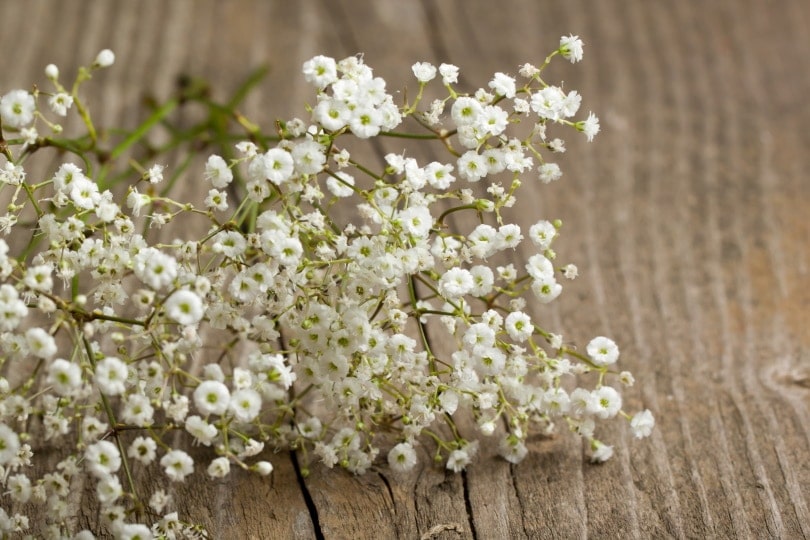
baby's breath flower
Image Credit: Natasha Breen, Shutterstock

Is Baby’s Breath Toxic or Poisonous to Cats?

According to the ASPCA, baby’s breath is mildly toxic to cats and other animals because it causes signs of GI upset, which may need veterinarian intervention if your cat has consumed a large quantity of this plant.

Unlike other plant species that are safe for cats, baby’s breath can cause signs of mild toxicity even if a small amount has been ingested. This is because baby’s breath and other Gypsophila species plants contain gyposenin, a saponin, which is known to irritate your cat’s gastrointestinal tract after they have ingested it. This then irritates the lining of your cat's throat and digestive tract.

The flower part of baby's breath is the most toxic part of the plant. This makes it risky for cat owners to grow this plant near cats because the sweet scent the flowers give off may attract your cat to eat them.
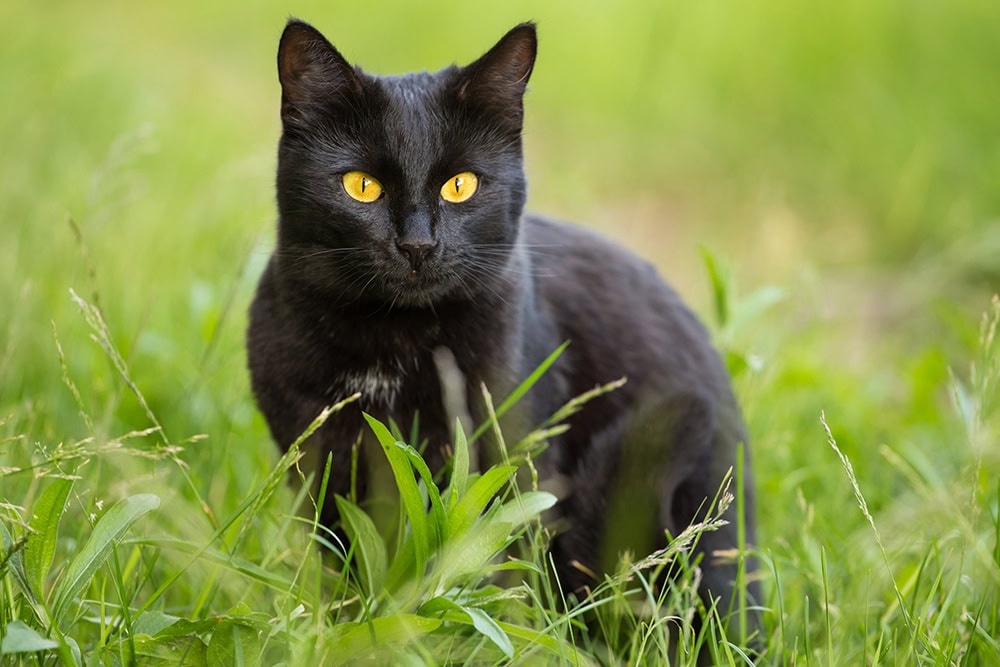
bombay cat on the grass
Image Credit: Viktor Sergeevich, Shutterstock

What Happens if Your Cat Ingests Baby’s Breath?

So, what are some of the signs you should expect if your cat has ingested baby’s breath? The clinical signs of Gypsophila toxicity in cats are generally not life-threatening, but they can cause your cat to feel discomfort. If you suspect that your cat may have ingested baby’s breath, then it is recommended to take them to the vet immediately so that the vet can help control some of the uncomfortable signs your cat will experience.

If your cat has eaten a part of baby's breath plant, you should expect to see some of these signs shortly after they have ingested parts of the plant:

  • Vomiting
  • Anorexia
  • Loss of appetite
  • Lethargy
  • Diarrhea

Conclusion

If you have boutiques with baby’s breath flowers in them, or if you have this plant growing in your household or garden, then it is best to keep this plant away from your cat to prevent them from trying to eat it.

Since baby’s breath is a common garden plant, it is better to remove it if you find that your cat is roaming the area it commonly grows.

See also:


Featured Image Credit: Piqsels

Get Hepper In Your Inbox

Pet care tips from our vets and experts, straight to your inbox.

List

Select all that apply.

You may opt-out at any time. View our Privacy Policy for more information.

Nicole Cosgrove
Authored by

Nicole Cosgrove

Join the conversation

Ask a question, share your story, or send private feedback.
Rate this post
Required to post. Only our editors see your rating.
Who should see this?

A human reviews every comment before it appears. Your email is never published.

Picked to go with this article

Can Cats Eat Carnations? Vet-Reviewed Facts & Alternatives

Can Cats Eat Carnations? Vet-Reviewed Facts & Alternatives

Commonly gifted for every occasion from graduations to Mother’s Day, carnations are one of the most popular flowers found in bouquets. Before you buy this flow…

Elizabeth Gray
By Elizabeth Gray ·
Is Cyclamen Toxic to Cats? Vet-Reviewed Risks & FAQ

Is Cyclamen Toxic to Cats? Vet-Reviewed Risks & FAQ

We all love to brighten our homes with fresh flowers every now and then. As a winter bloomer, cyclamen is the perfect way to keep your house cheerful even in t…

Nicole Cosgrove
By Nicole Cosgrove ·
Are Snapdragons Poisonous to Cats? Vet-Reviewed Safety Facts

Are Snapdragons Poisonous to Cats? Vet-Reviewed Safety Facts

When keeping your cat safe from poisonous plants, you’ll want to know what is harmful and how likely they’ll eat it if they stumble across it. Thankfully, snap…

Kerry-Ann Kerr
By Kerry-Ann Kerr ·
Are Geraniums Toxic to Cats? Keeping Your Cat Safe

Are Geraniums Toxic to Cats? Keeping Your Cat Safe

If you have a green thumb, you probably have various plants around your home or garden space. Flowers made an incredible addition to any living area, and geran…

Chelsea Mortensen
By Chelsea Mortensen ·

Keep reading

More stories you might like

Can Cats Eat Daisies? Nutritional Facts & Safety Guide

Whether you have lots of flowers in your garden or you love bringing cut flowers inside to decorate with, you have to be careful if you have cats. Some plants…

Savanna Stanfield
By Savanna Stanfield ·
Can Cats Eat Daisies? Nutritional Facts & Safety Guide

Are Sunflowers Toxic to Cats? Vet-Approved Facts

We are all quite familiar with the grand and glorious sunflower! It's a welcome sight in many gardens worldwide and can even be kept indoors as a potted plant…

Kathryn Copeland
By Kathryn Copeland ·
Are Sunflowers Toxic to Cats? Vet-Approved Facts

Will Lavender Calm Cats? Risks & Safety Guide (Vet-Verified)

You are probably already well familiar with lavender's calming effects on the body. It's one of the most common herbal supplements to promote healthy levels of…

Ashley Bates
By Ashley Bates ·
Will Lavender Calm Cats? Risks & Safety Guide (Vet-Verified)

Can Cats Eat Lilies? Vet-Approved Risks & Poison Prevention

Cats are curious creatures. Some of them get into things they shouldn’t when they’re investigating their surroundings. But if you keep lilies in the house, you…

Nicole Cosgrove
By Nicole Cosgrove ·
Can Cats Eat Lilies? Vet-Approved Risks & Poison Prevention

Are Gardenias Poisonous to Cats? Vet-Verified Facts, Risks & Treatments

Gardenias are poisonous to cats, but it is rarely fatal. Gardenia poisoning most often leads to mild vomiting and diarrhea, and it is usually treatable with ve…

Nicole Cosgrove
By Nicole Cosgrove ·
Are Gardenias Poisonous to Cats? Vet-Verified Facts, Risks & Treatments

Is Rhododendron Poisonous to Cats? Vet-Reviewed Risks & Alternatives

Because there are so many varieties of rhododendron, and some go by different names, they can be difficult to identify correctly. A dangerous plant can go unde…

Nicole Cosgrove
By Nicole Cosgrove ·
Is Rhododendron Poisonous to Cats? Vet-Reviewed Risks & Alternatives

Can Cats Eat Daffodils? Are They Poisonous to Cats? Vet Reviewed Info

Few flowers herald spring as beautifully as the daffodil. As soon as the snow melts, daffodils enchant the gardens with irresistible golden flowers. But the be…

Genevieve Dugal
By Genevieve Dugal ·
Can Cats Eat Daffodils? Are They Poisonous to Cats? Vet Reviewed Info

Is Amaryllis Poisonous to Cats? Vet-Reviewed Safety Facts

Amaryllis is a popular gifted winter holiday plant people enjoy. It’s easy to grow and has large, showy flowers in a variety of colors. What we find beautiful,…

Elizabeth Gray
By Elizabeth Gray ·
Is Amaryllis Poisonous to Cats? Vet-Reviewed Safety Facts