Hepper is reader-supported. When you buy via links on our site, we may earn an affiliate commission at no cost to you. Learn more.
Can Cats Eat Carnations? Vet-Reviewed Facts & Alternatives


In this article
Commonly gifted for every occasion from graduations to Mother’s Day, carnations are one of the most popular flowers found in bouquets. Before you buy this flower for a cat owner, however, it’s important to know whether they are dangerous to kitties if eaten. In fact, carnations are considered toxic to cats, but they generally only cause mild symptoms if a cat does ingest them.
Keep reading to learn more about carnations and how they may affect your cat if eaten. We’ll also let you know some other common blooms you should avoid if you have cats and some safe flowers and plants to consider instead.

What Are Carnations?
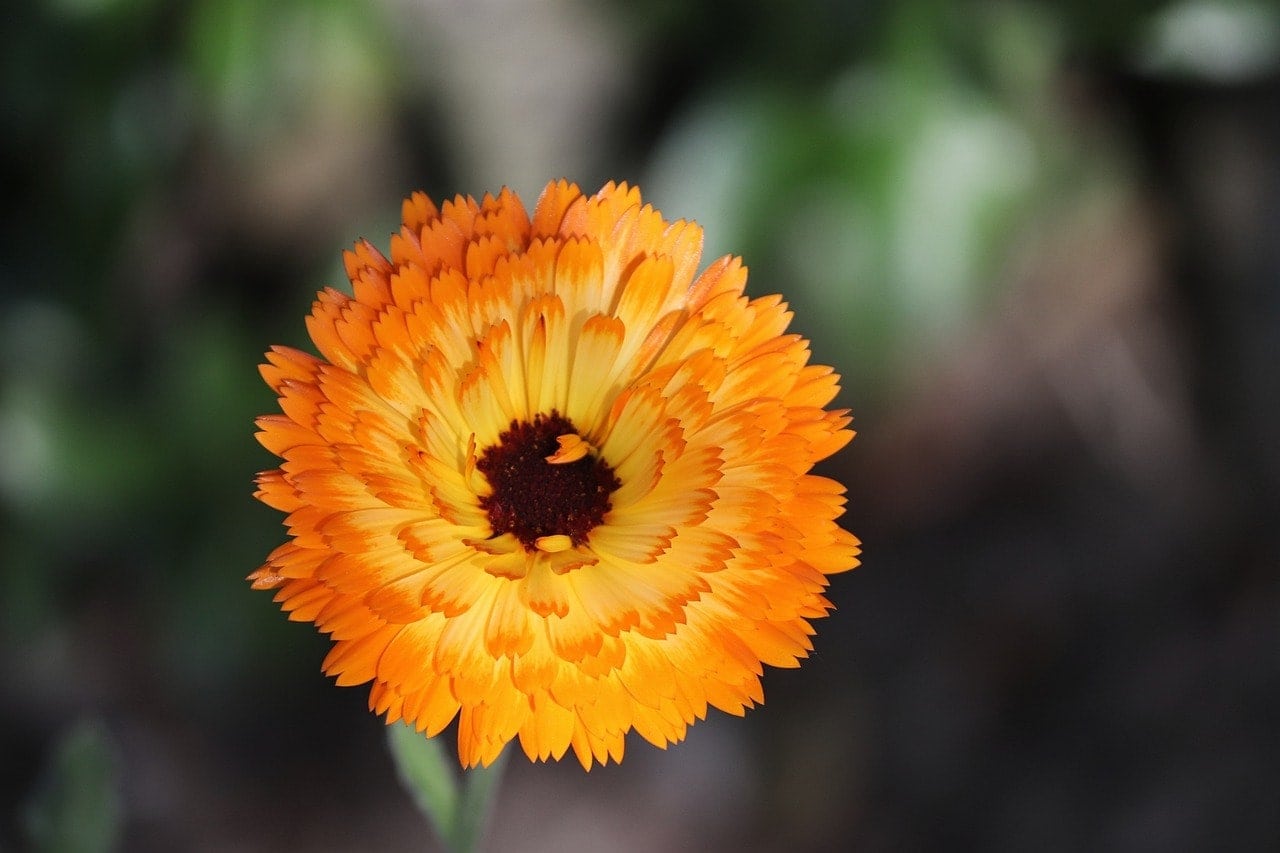
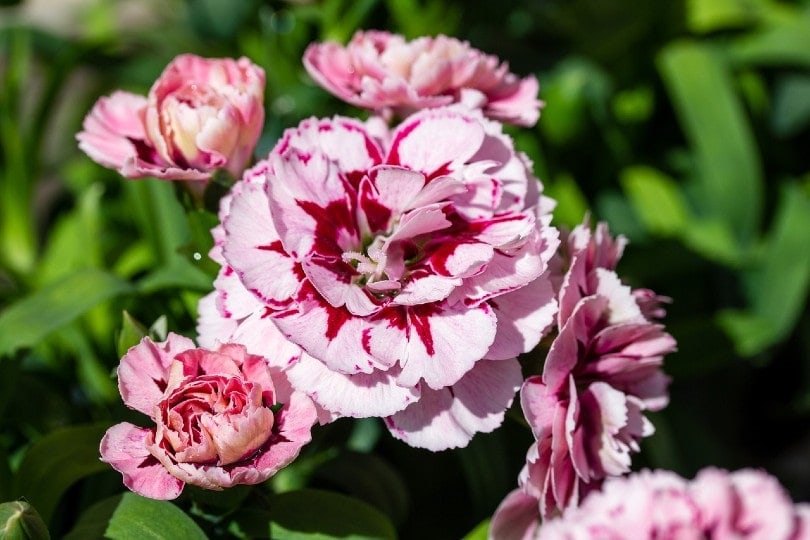
The carnation (Dianthus caryophyllus) is an ancient flower, used in garlands by the Greeks and Romans. Its name means "flower of the gods." Carnations are perennials that can be grown as annuals in some climates.
The flowers have a lovely fragrance and come in many different colors, including yellow, pink, red, white, and combinations of those colors. Miniature carnations, with 5-6 small flowers per stem, are also available.
Indoor cats will probably encounter carnations as part of a cut flower bouquet or as a miniature potted plant. Outdoor cats may find them planted in yards or gardens, although they will also likely encounter many worse dangers than a carnation!
What Happens If Your Cat Eats a Carnation?
All varieties of carnation are considered toxic to cats, as well as to dogs and horses. Ingesting any part of the plant--blooms, leaves, or stems--could make your cat sick. It's unknown precisely what element or compound found in carnations causes the toxic reaction in cats but is thought to be a triterpenoid saponin.
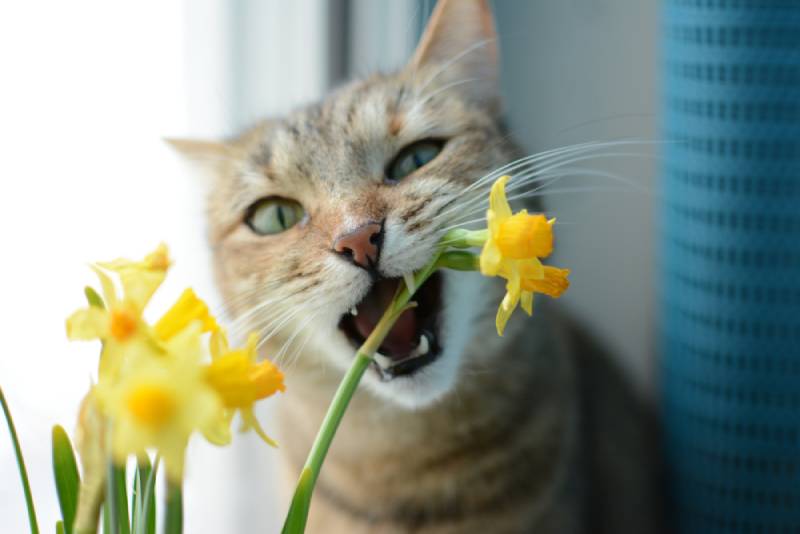
If your cat chews or ingests a carnation, they will likely only experience mild symptoms. Diarrhea is the most common sign you'll notice, possibly drooling and vomiting as well. Some cats may also develop mild skin irritation, especially if they already have sensitivities or allergies.
It's always a good idea to check with your vet if you suspect your cat has eaten anything that they shouldn't, including a carnation. If your cat is experiencing symptoms and you take them to the vet, try to bring a picture or sample of the flower they chewed on to help your vet determine the appropriate treatment plan.
Other Toxic Flowers To Avoid
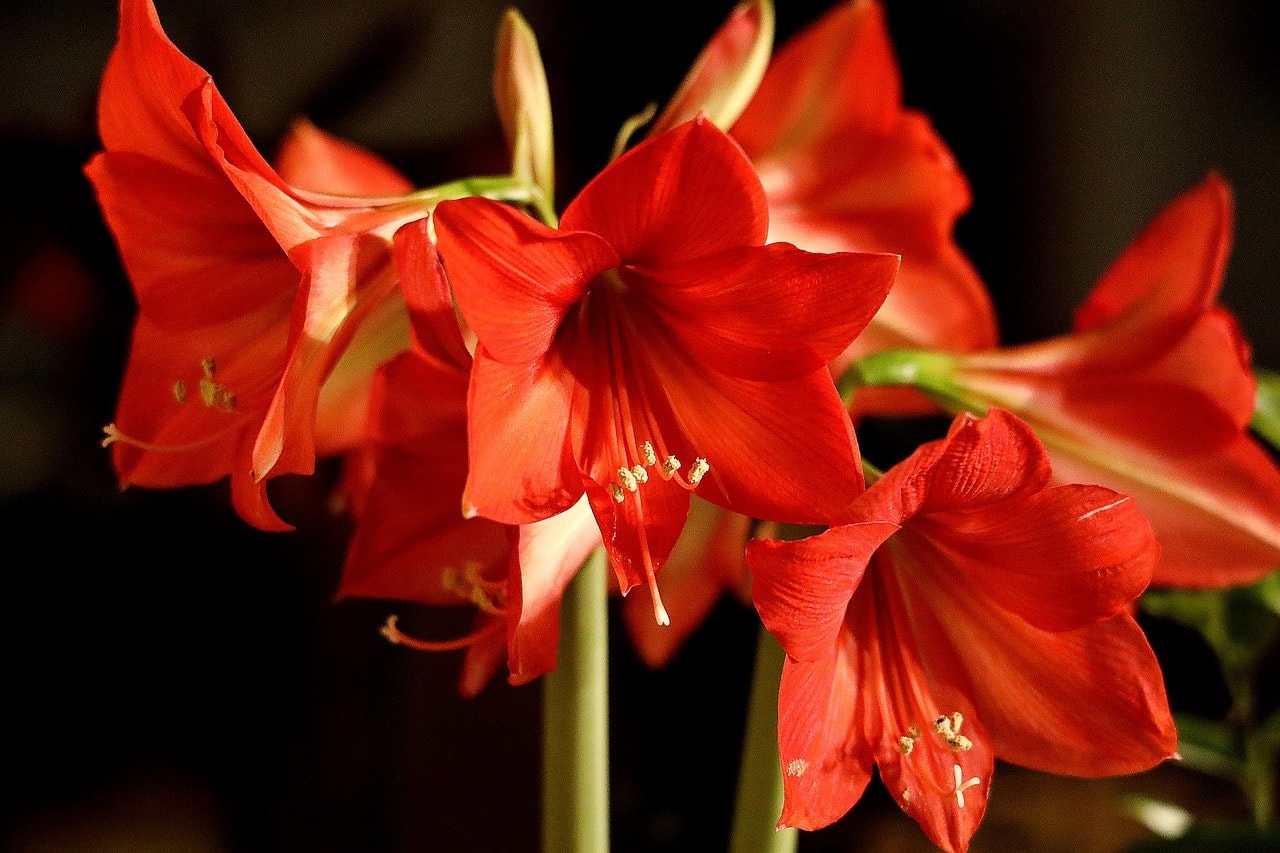
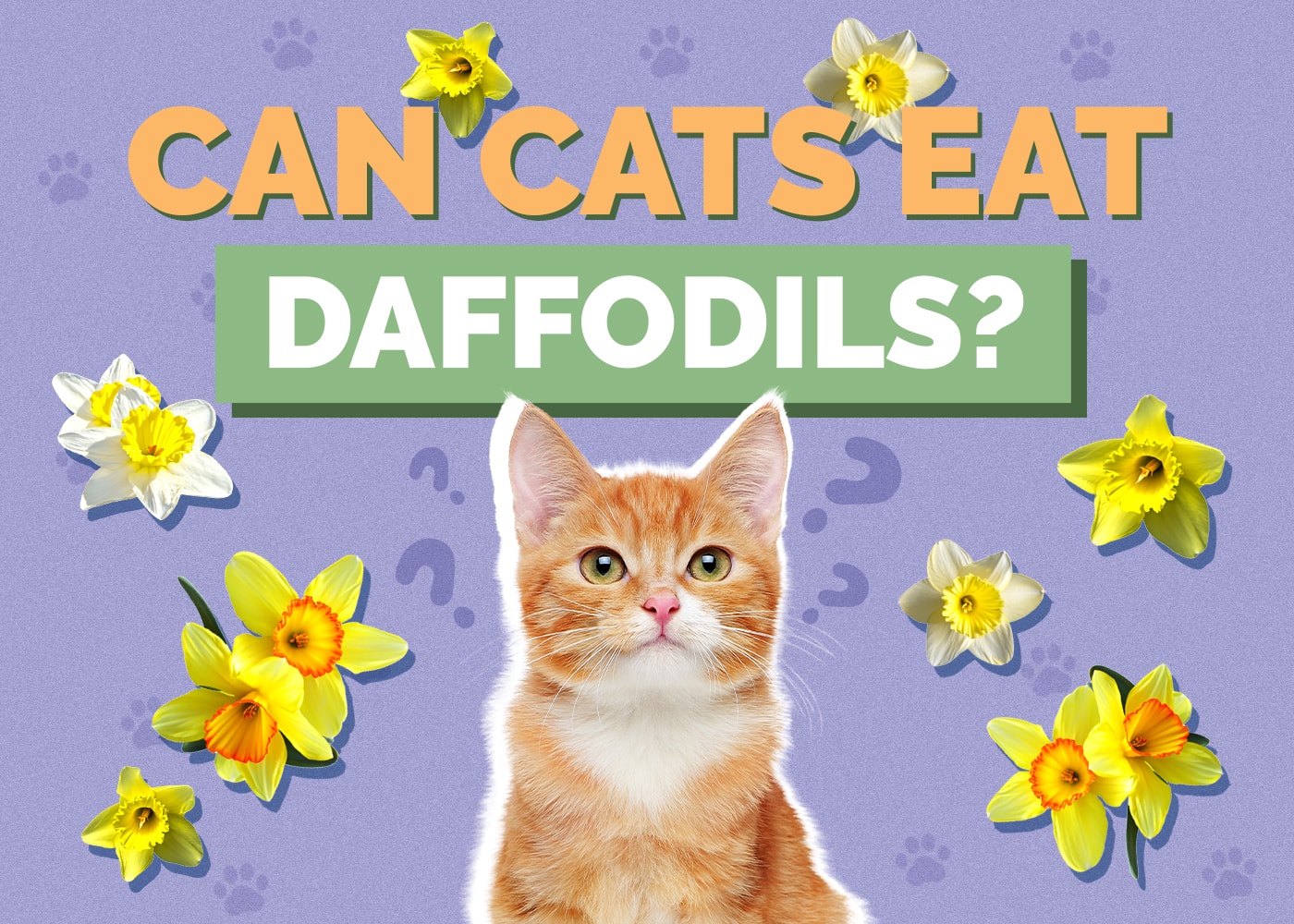
Although carnations are only mildly toxic to cats, many other common and popular flowers cause much more concerning reactions. Here are some flowers and plants you should probably avoid buying or growing if you have cats:
Some general symptoms you may first notice if your cat eats a toxic plant are drooling, vomiting, irritation around the mouth and face, diarrhea, or trouble swallowing. Some toxic plants cause progressively more troubling symptoms, including kidney failure, trouble breathing, or heart issues.
If you do keep or grow any of these plants (or others that are known to be toxic), make sure you keep them out of reach of your cat. Contact your vet right away if you suspect your cat has chewed on a poisonous plant or if you aren't sure whether a plant is toxic at all.
Non-Toxic Flowers and Plants For Cat Owners
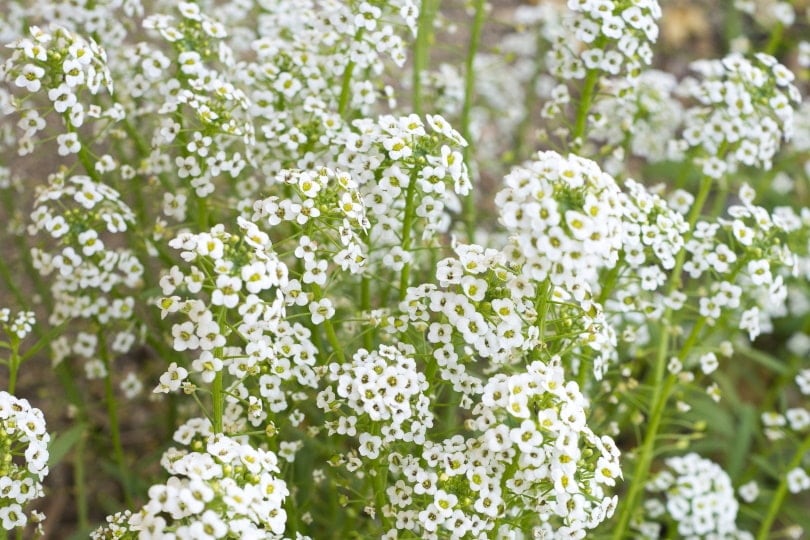
Whether you’re looking for a cut flower bouquet or some safe houseplants to improve the air quality in your house, there’s a non-toxic option for you!
Here are some plants to consider to keep your cat safe and your home beautified:
Keep in mind that just because a plant is considered non-toxic you should still discourage your cat from chewing on it. Even non-toxic plants could upset your cat's stomach because kitties aren't used to eating or digesting them. Many plants and flowers are treated with fertilizers or pesticides that are poisonous to cats as well.

In Conclusion
Gifting flowers to a cat owner requires a little more research and thought than just grabbing the prettiest bouquet that catches your eye. Carnations aren't the most dangerous flower a cat could chew on, but they can still cause some unpleasant side effects if eaten. Keep yours or your friend’s cat safe by sticking with one of the plants on the non-toxic list instead.
Related Reads:
Featured Image Credit: monicore, Pixabay
Get Hepper In Your Inbox


Pet care tips from our vets and experts, straight to your inbox.
You may opt-out at any time. View our Privacy Policy for more information.
A lifelong lover of all creatures great and small, Elizabeth got her first cat at 5 years old and at 14, she started working for her local veterinarian. After spending more than 20 years working as a veterinary nurse, Elizabeth decided to step away to become a stay-at-home parent to her daughter. Now, she is excited to share her knowledge with our pet parents. Elizabeth lives in Iowa with her family, including her two fur kids, Linnard, a husky mix and Algernon, the worldʻs most patient cat. When not writing, she enjoys reading, watching soccer, and spending time outdoors with her family.
Join the conversation
Ask a question, share your story, or send private feedback.