Hepper is reader-supported. When you buy via links on our site, we may earn an affiliate commission at no cost to you. Learn more.
Is Cyclamen Toxic to Cats? Vet-Reviewed Risks & FAQ


In this article
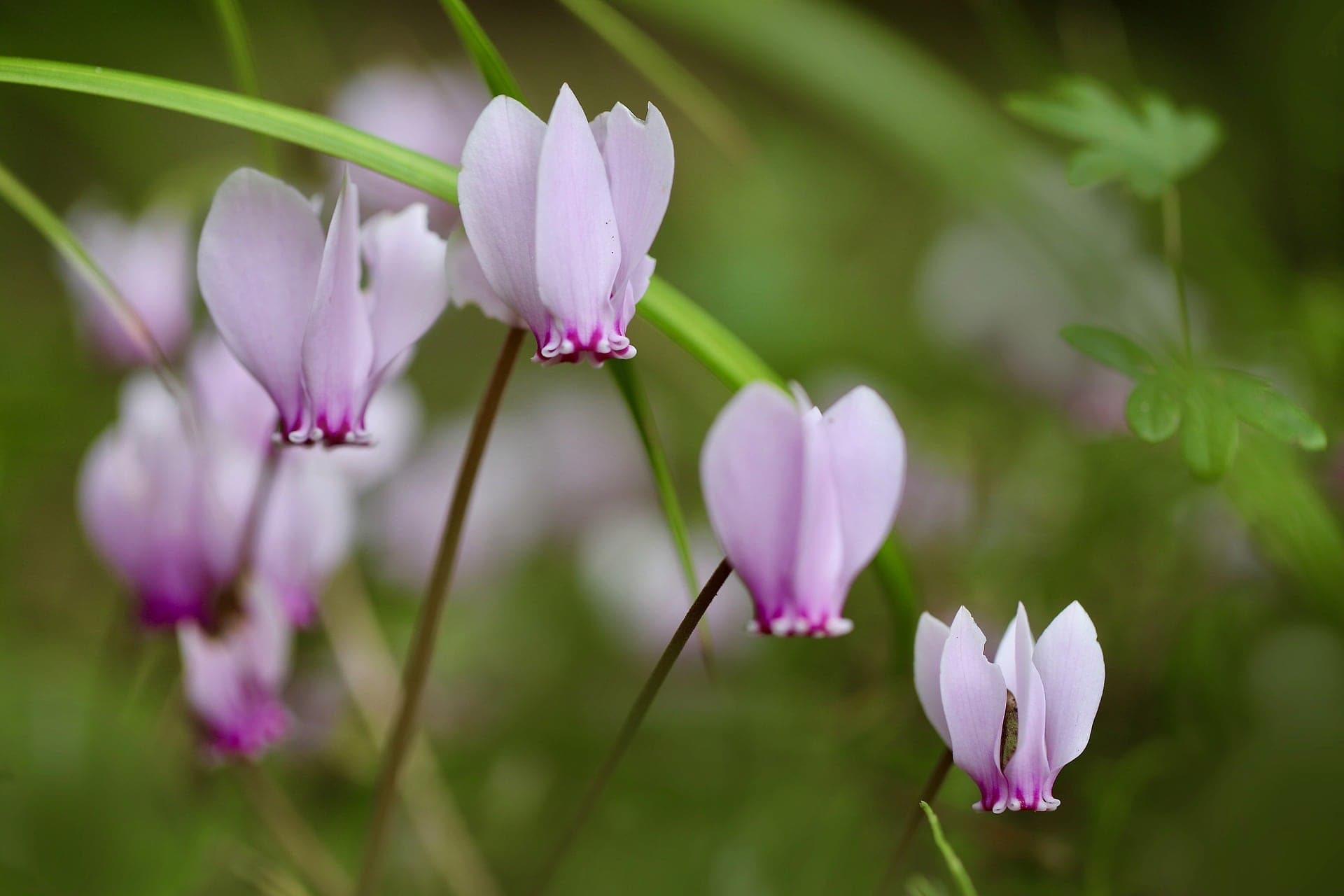
We all love to brighten our homes with fresh flowers every now and then. As a winter bloomer, cyclamen is the perfect way to keep your house cheerful even in the coldest season. Beautiful though these flowers may be, cyclamen is toxic to cats, dogs, and horses.
Also known as sowbread, ivy-leaved cyclamen, florist’s cyclamen, or Persian violet, cyclamen can cause mild to severe poisoning in cats.
To help you keep your cat safe, this guide will tell you everything that you need to know about cyclamen and its toxicity to our favorite felines.

Why Is Cyclamen Toxic to Cats?
Although this pretty plant appears harmless, cyclamen contains several terpenoid saponins which are highly irritant and toxic to cats. Depending on the amount that your cat ingests, these saponins can cause mild to severe reactions from diarrhea and vomiting to arrhythmia and death.
Which Part of a Cyclamen Is Toxic?
The level of toxicity varies between each part of the cyclamen plant, but the entire plant is toxic to pets, with the tubers being the most toxic and the leaves the least. It is unlikely that a cat will eat a large amount of cyclamen plant or tuber, poisonings are more likely in dogs due to their indiscriminate eating habits.
Flowers, Leaves, and Stems
Your cat may like to nibble on the flowers, leaves, and stems of your houseplants. Fortunately, the level of toxins in these parts of the cyclamen plant is usually relatively low.
You have to be wary about how much your cat eats, though. While they would need to eat more of the plant for a higher intake of the toxin, there's still a possibility that they'll have a bad reaction. Even ingesting small quantities can cause stomach upsets and discomfort.
Tuber
For many plants, cyclamen included, the highest amount of toxin is present in the tuber. As these are usually buried in the soil, it’s less likely that your cat will come across them. However, if you grow cyclamen at home or have a pet that loves to dig, it’s safer to keep every part of the cyclamen plant away from your cat.
How to Recognize Cyclamen
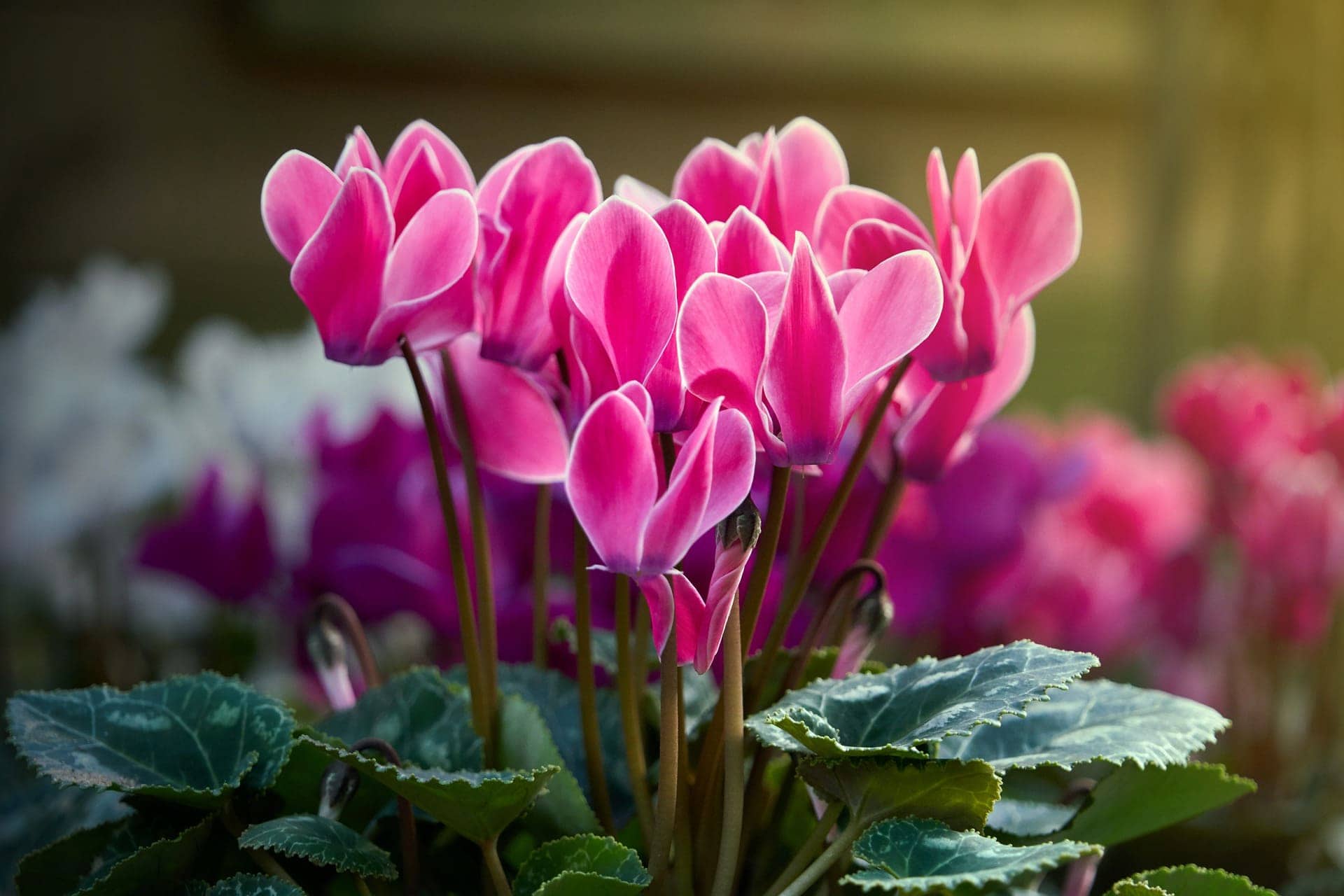
To the untrained eye, it can be difficult to tell one plant from another. Cyclamen is a popular flower often found in supermarkets, florists, and homes. They look harmless, but where our pets are concerned, appearances can be deceiving. If you’re not sure, take a cutting or photo of the plant that your cat ate with you when you visit your veterinarian.
Here are a few ways to recognize cyclamen.
Butterfly Flowers
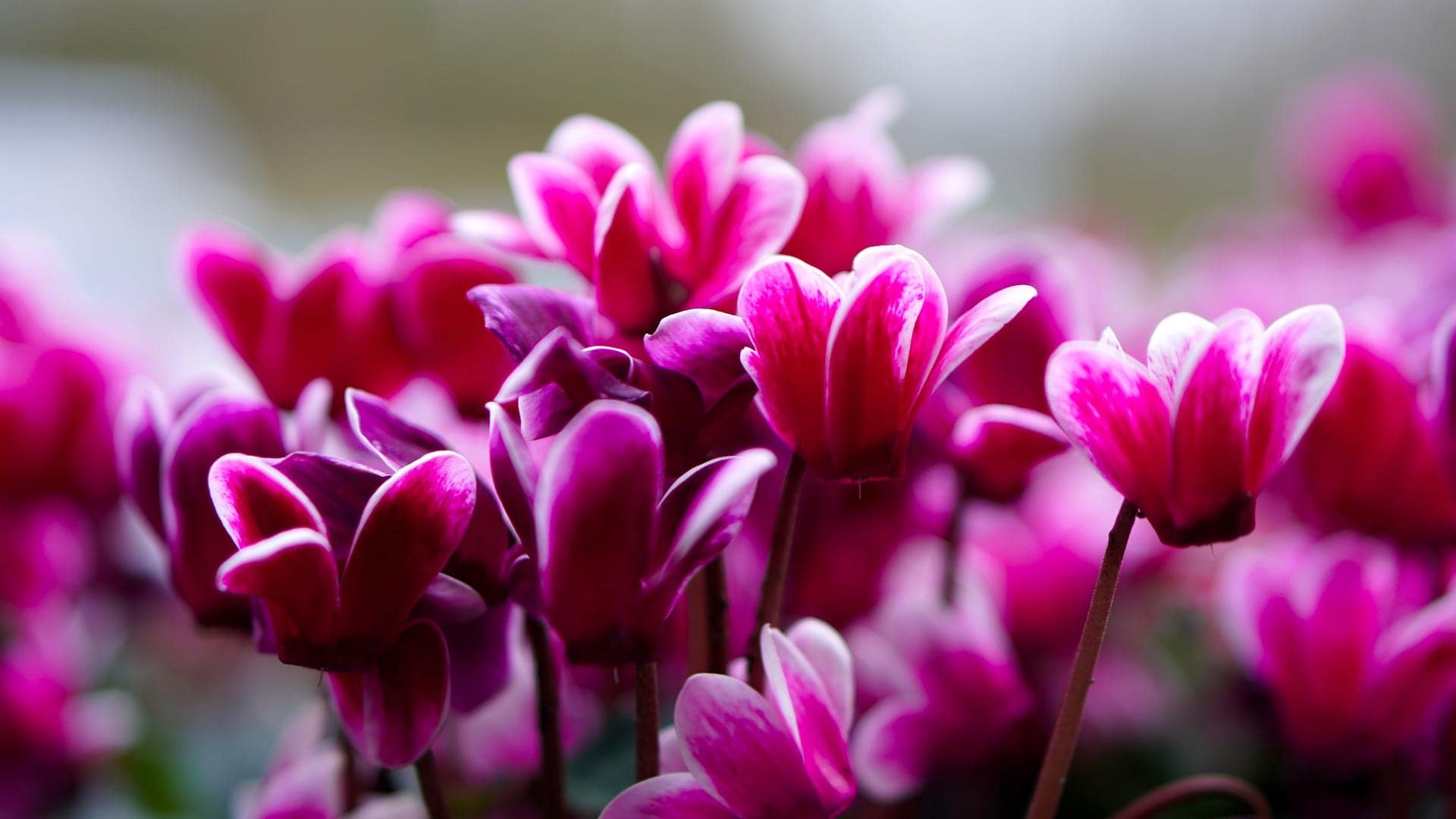
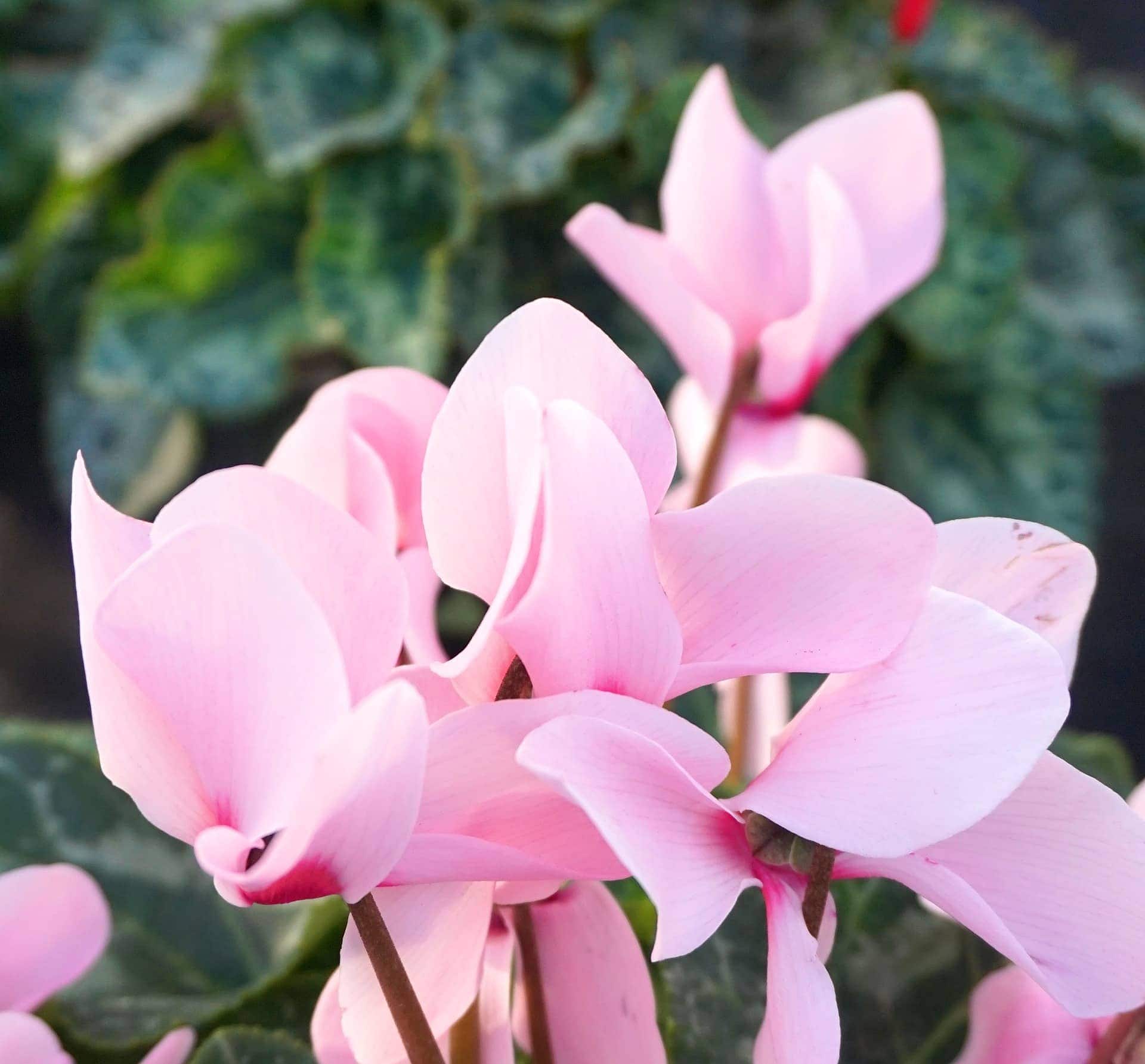
Most cyclamens have pink or white flowers. Their petals are distinguishable from other plants due to their appearance. They look like butterflies.
Heart Leaves
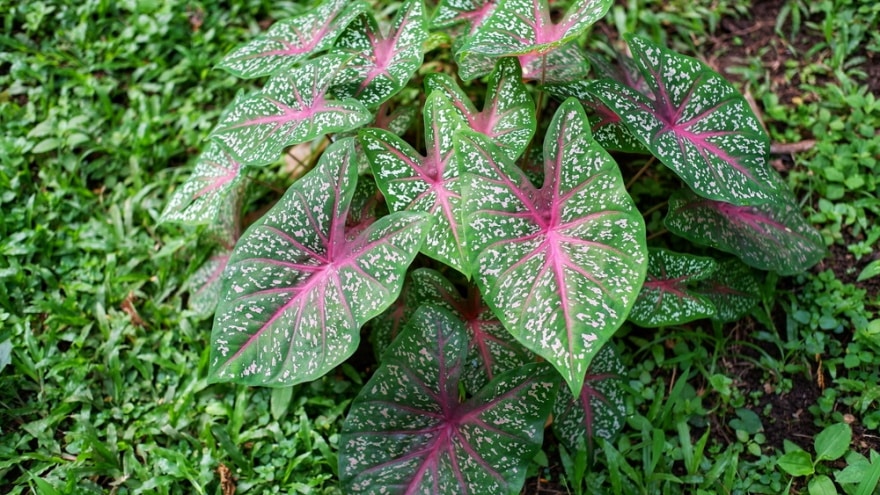
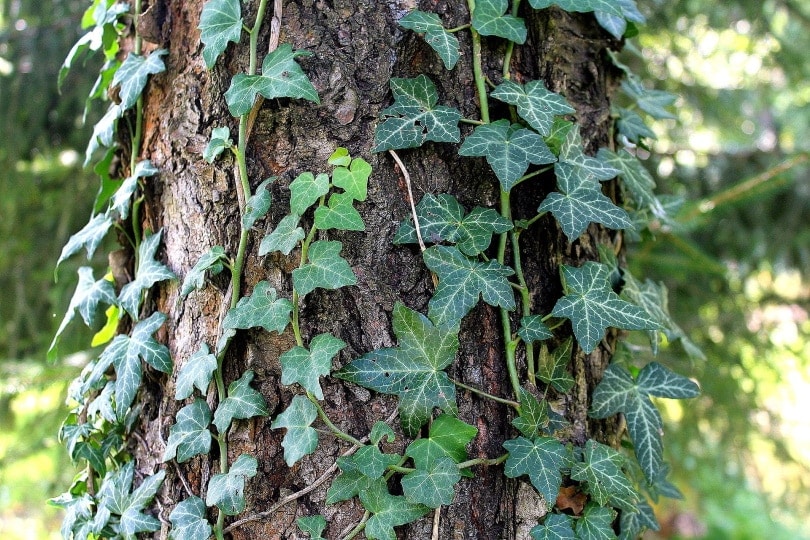
One of the alternative names for cyclamen is "ivy-leaved cyclamen." This is due to the heart shape of the leaves and the light and dark green coloring.

What Are the Signs of Cyclamen Poisoning?
The signs of poisoning will vary depending on the amount and part ingested. The most likely signs are listed below.
Mild Poisoning
Usually, your cat will come into contact with the leaves, flowers, and stems of cyclamen plants. While these areas contain the saponin toxins, it's at a lower level than the tuber.
Signs of mild poisoning:
Mild reactions to cyclamen poisoning often pass within 24 hours. If the symptoms last longer than this, you should contact your veterinarian.
Severe Poisoning
Cases of severe cyclamen poisoning might be less common than the mild variety, but they are still possible, especially for cats that find a cyclamen tuber or ingest a large amount of the plant.
Signs of severe poisoning:
It can be difficult to know how much of the plant that your cat has ingested. When in doubt, visit your veterinarian. They’ll be able to diagnose the severity of the reaction and properly treat your cat.
How to Prevent Plant Poisoning in Cats
There are a few ways to try and stop your cat from eating plants. It will depend on your individual circumstances and how determined your cat is. If you have an agile, mischievous, plant-eating cat it is best not to have any toxic plants in your house.
1. Cat Deterrent Sprays
Convincing your cat to avoid a plant toxic might be as simple as using a cat deterrent spray. These have varying degrees of success and shouldn’t be relied on completely. Strong citrusy smells, like lemon, are a good way to ward off your cat simply because they dislike the smell and taste. It’s also safe for your plants. Bear in mind that many essential oils are toxic to cats and should be avoided.
2. Keep Them Out of Reach
Cats can get into many places that you don’t expect, but there are several ways that you can keep your plants away from them. Hanging them from the ceiling or keeping them in a birdcage can help you keep your plants and cats safe.
High shelves that there is no possibility of your cat reaching are also an option.
3. Barriers
Many cats will be deterred by unpleasant textures to walk on. You can place your plant pot on top of aluminum foil or surround it with sticky strips or small pebbles to put them off.
4. Remove Toxic Plants
Sometimes, it's far safer for your feline to keep dangerous plants out of your house entirely.
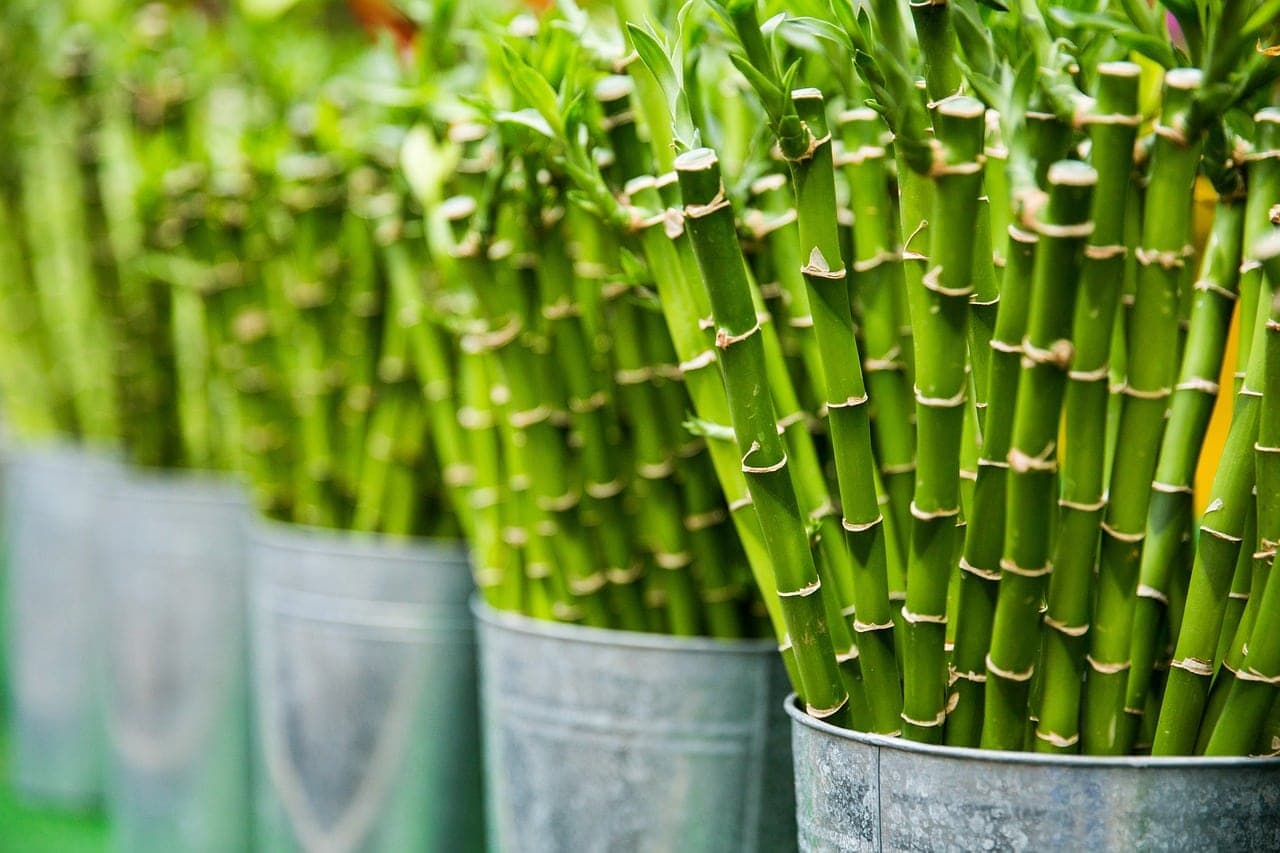
This doesn't mean you're restricted to plastic flowers, though. There are many plants that are safe for your cat, even if they do take a bite. Cat grass might not have bright, colorful flowers, but it's safe for your cat to eat.
A few other safe plants for your cat include:
What Other Plants Are Toxic to Cats?
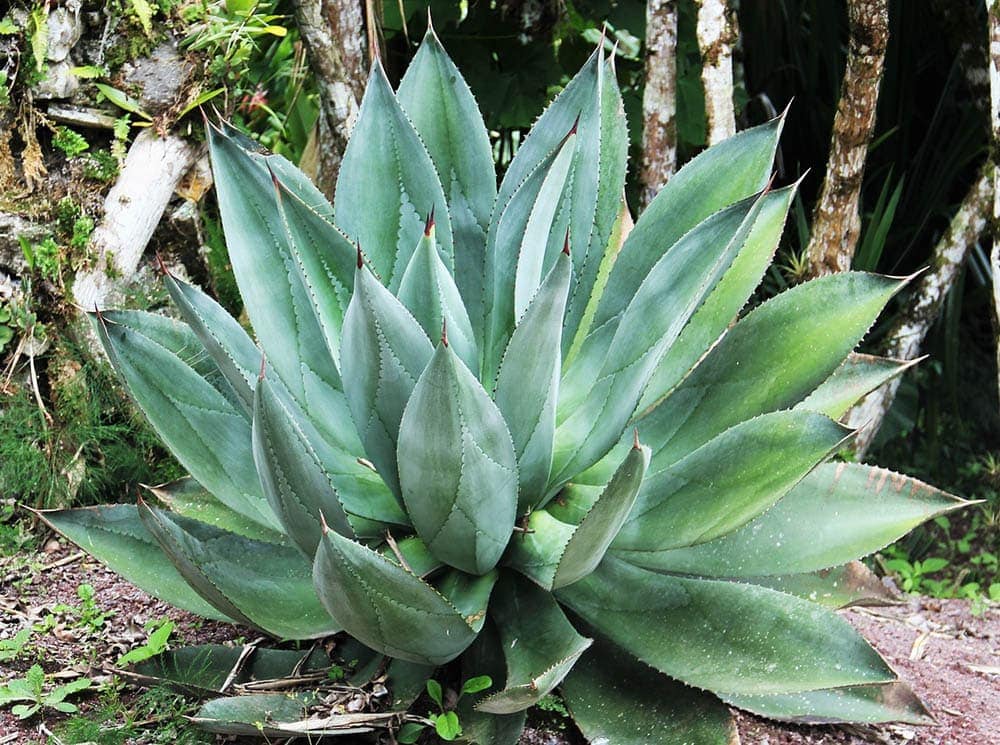
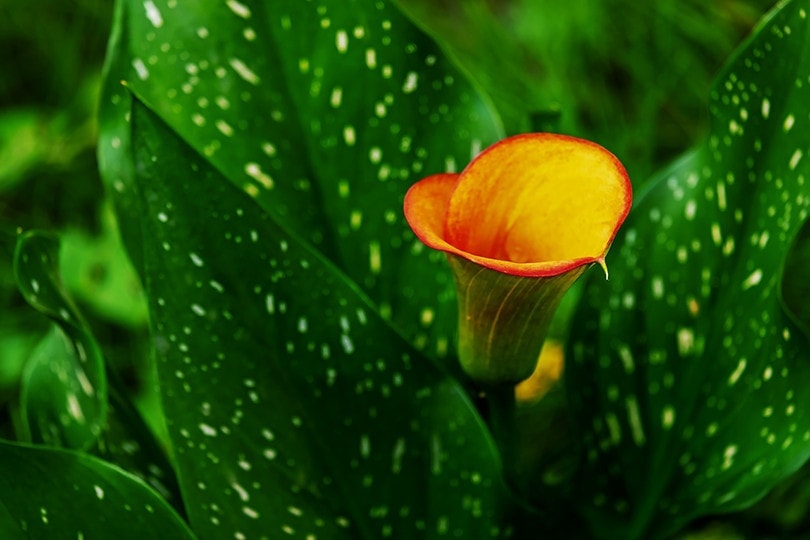
Some of the plants that we adore can be toxic to our pets. This list isn't all-inclusive, but here are a few of the most common plants that are toxic to felines:
Final Thoughts
While some flowers are safe for our cats to nibble on, many are toxic to our pets. Cyclamens contain terpenoid saponins, an irritant toxin that is present throughout the plant and can cause mild to severe reactions.
While the majority of poisonings are mild and self-limiting, serious poisoning from eating the tuber or too much of the plant overall could result in arrhythmia, seizures, and death.
To be safe, keep toxic plants out of your home. If you’re not sure whether your plant is safe for your feline, check with your veterinarian or this extensive list of toxic and non-toxic plants by the American Society for the Prevention of Cruelty to Animals.
Featured Image Credit: Jumpstory
Get Hepper In Your Inbox


Pet care tips from our vets and experts, straight to your inbox.
You may opt-out at any time. View our Privacy Policy for more information.
Nicole is a lover of animals of all sizes but is especially fascinated with the feline variety. She’s the proud mom of Baby, a Burmese, and works every day so he can relax in the sunshine or by the fire. She’s always had a cat in her home and has spent countless days with others, observing behaviors and softening up even the grouchiest of the lot. Nicole wants to share her kitty expertise with you so you and your cat can live happy, healthy, and care-free.
Join the conversation
Ask a question, share your story, or send private feedback.