Hepper is reader-supported. When you buy via links on our site, we may earn an affiliate commission at no cost to you. Learn more.
Is Bird of Paradise Toxic to Cats? Vet-Approved Risks & Safety Tips


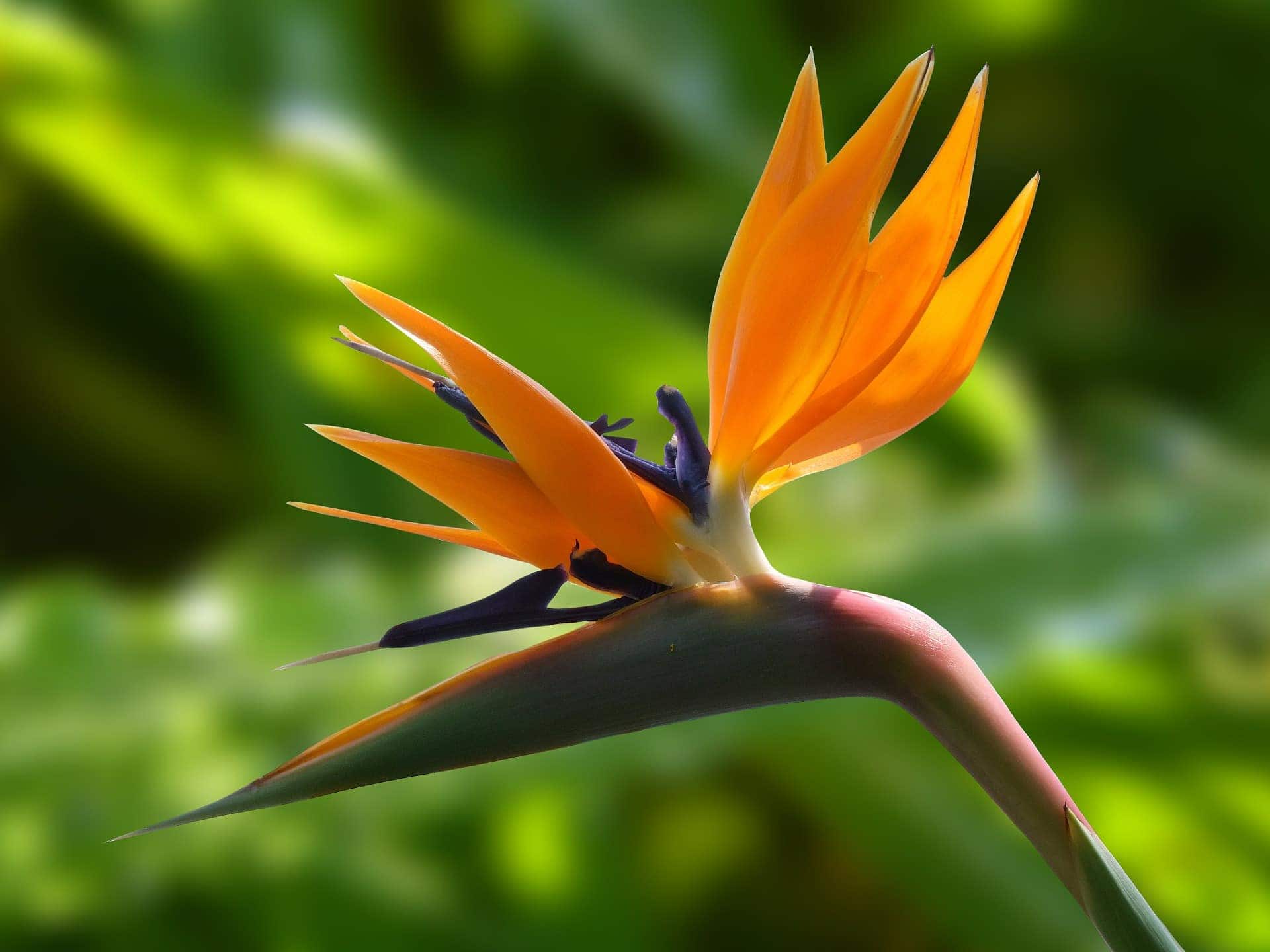
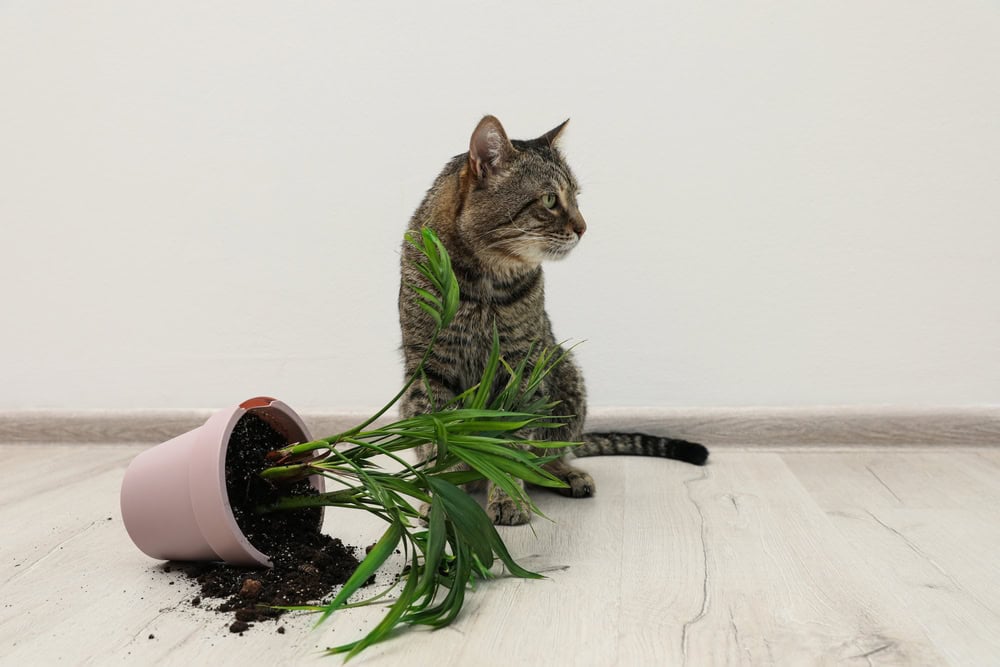
If you’re a pet parent who also happens to have a green thumb, you already know that there are some plants that are toxic to your cat. The Bird of Paradise is one of the plants that is toxic to your cat. While the Bird of Paradise is easy to maintain and looks lovely on a table in the hallway, cats have a way of getting into just about anything, and this plant is toxic to our feline companion. Not to be confused with Poinciana gilliesii the Bird of Paradise Bush, which is more toxic.
In this article, we’ll tell you a little about the Bird of Paradise plant, the symptoms of poisoning, and how to keep your cat safe from houseplants that are toxic while still enjoying the plants you love.

What Is the Bird of Paradise?
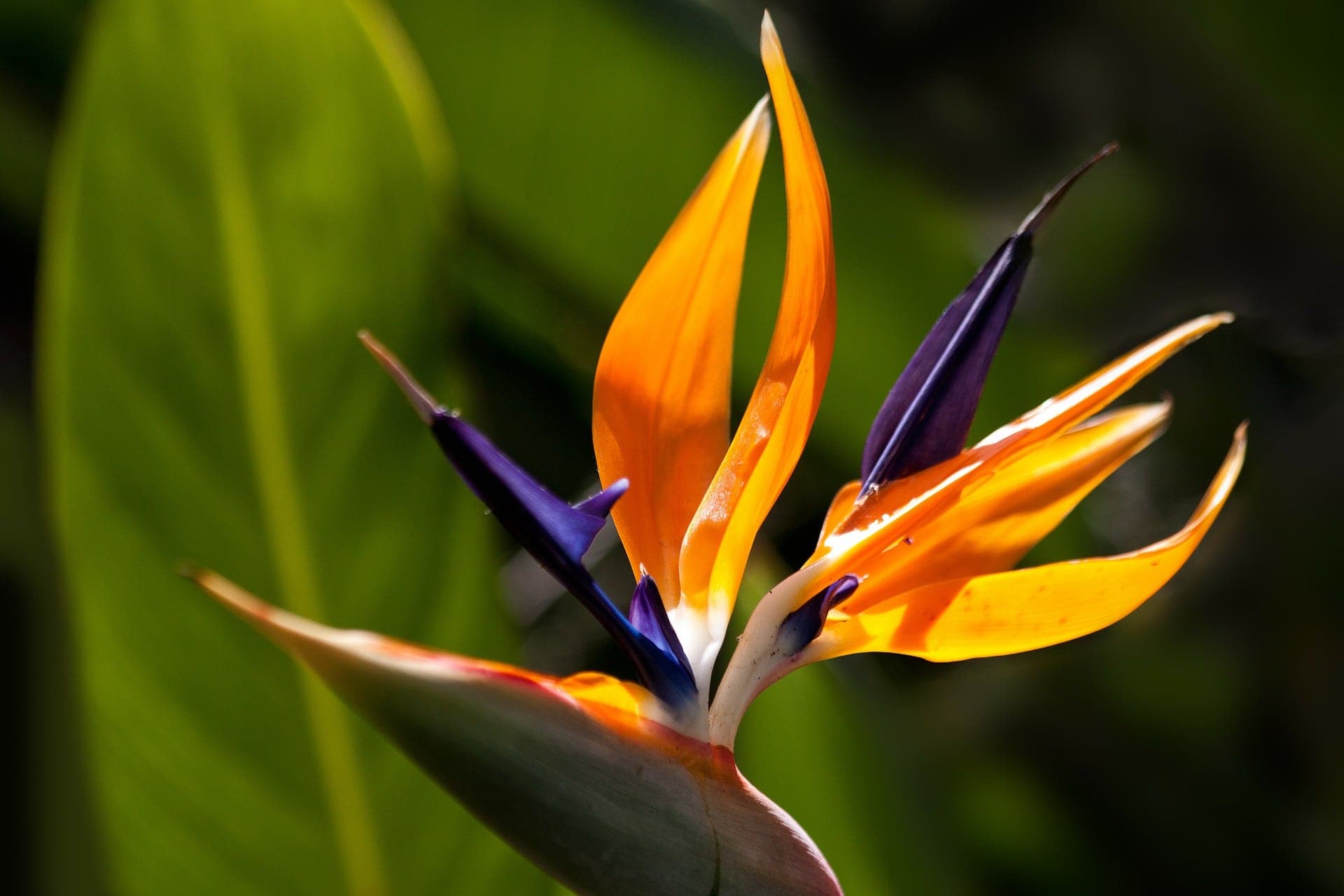
The Bird of Paradise is a South African plant that goes by a few different names: the Crane flower and the Bird’s tongue flower. The scientific name for the plant is Strelitzia reginae. So, if you run across any of these plants at the plant nursery, know that they are all a variety of the Bird of Paradise plant and toxic to your feline companion.
It’s the seeds and fruit of the plant that is most toxic to your pet. While the plant is usually only mildly toxic to your cat and other pets, it’s best to always keep it away from them. The plant is listed on the ASPCA poison database as toxic to cats, dogs, and horses but we could find no studies into this for further information.

Tips for Keeping Your Cat Safe
You can do a few things to keep your cats safe from potentially toxic houseplants.
1. Place Plants in an Enclosed Room
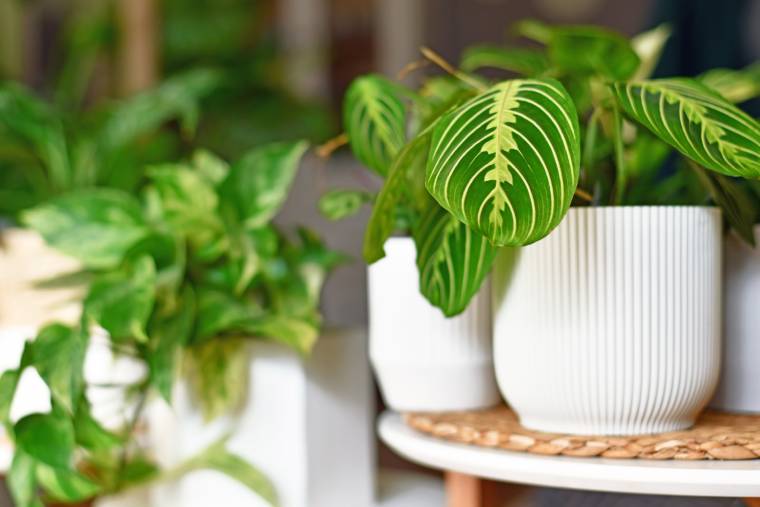
If you love your houseplants as much as you do your feline, then placing your plants in an enclosed room is a great fix. Make sure that the room has plenty of light so your plants will thrive. It’s a great solution because your cats can’t get into the room as long as you keep the door shut, but you still get to keep the plants that you enjoy.
2. Hang the Plants
Using a planter that hangs from the ceiling is a great way to keep your cats out of your plants. Not only is it practical, but the hanging plants are also pretty and bring a certain coziness to any space. The planters are available everywhere and come in different types and styles to match your needs and décor.
3. Put Up Shelves
Cats love to climb, but they usually can’t climb well enough to reach high shelves. So, build or purchase shelves to put your houseplants on to keep them out of your feline's reach.
4. Don’t Purchase Harmful Houseplants
If nothing else works, the best thing you can do as a pet parent is to avoid purchasing harmful houseplants altogether. As much as you love your plants, you naturally love your cat more and might have to make the tough choice.
Symptoms of Bird of Paradise Toxicity in Cats
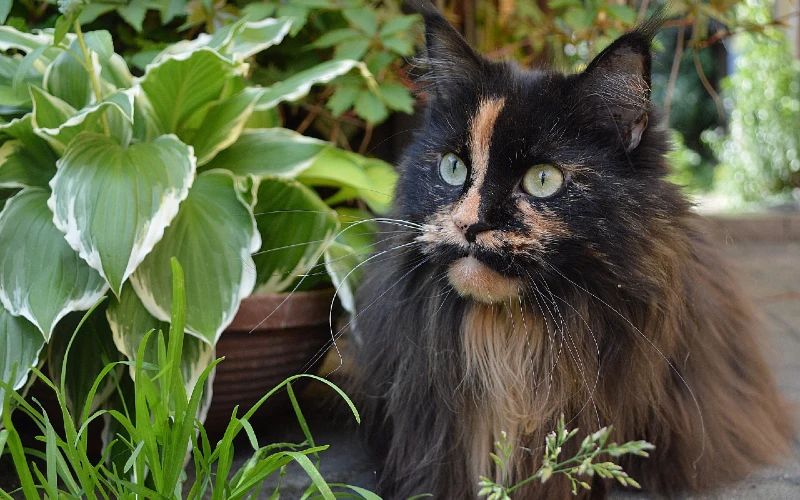
Sometimes, no matter how hard you try, your cat will find a way to get into your houseplants. Some symptoms of Bird of Paradise toxicity in cats to look for include the following:
If you see any symptoms of Bird of Paradise toxicity in your cat, it’s important to speak to a vet right away. While the plant is usually mildly toxic to cats, you don’t want to take any chances with your furry friend.
Final Thoughts
The Bird of Paradise plant is reported to carry a mild to moderate level of toxicity that can be unpleasant for your feline, so it’s best to keep it out of your home. That said, if you are a lover of both, then make sure to keep this and all toxic houseplants out of your cat’s reach. There are ways that you can have both if you put a few safety measures in place and keep an eye on your cat.
Related Reads:
Is Nephthytis (Arrowhead Vine) Toxic to Cats? Vet-Reviewed Risks & Safety Tips
Can Cats Eat Lilies? Potential Risks & Poison Prevention Tips
Featured Image Credit: Pixabay
Get Hepper In Your Inbox


Pet care tips from our vets and experts, straight to your inbox.
You may opt-out at any time. View our Privacy Policy for more information.
Patricia is a pet and coffee writer and a published author under the pen name Skylar McKinzie. When she isn’t writing, Patricia enjoys spending time with her two cats and dog. Since she was a young child, she has been a pet lover and enjoys nothing more than cuddling with her pets, Mystery, and her two cats, Binx and Link. Mystery has been with her family since the day she was born, as has Link. Binx was found under the house as a kitten, taken inside, and has been a part of the family ever since. Patricia loves sharing her knowledge of animals and finds joy in helping out at the local rescue shelter whenever she can.
Join the conversation
Ask a question, share your story, or send private feedback.