Hepper is reader-supported. When you buy via links on our site, we may earn an affiliate commission at no cost to you. Learn more.
Are Umbrella Plants Toxic to Cats? Vet-Approved Facts & Safety Guide


In this article
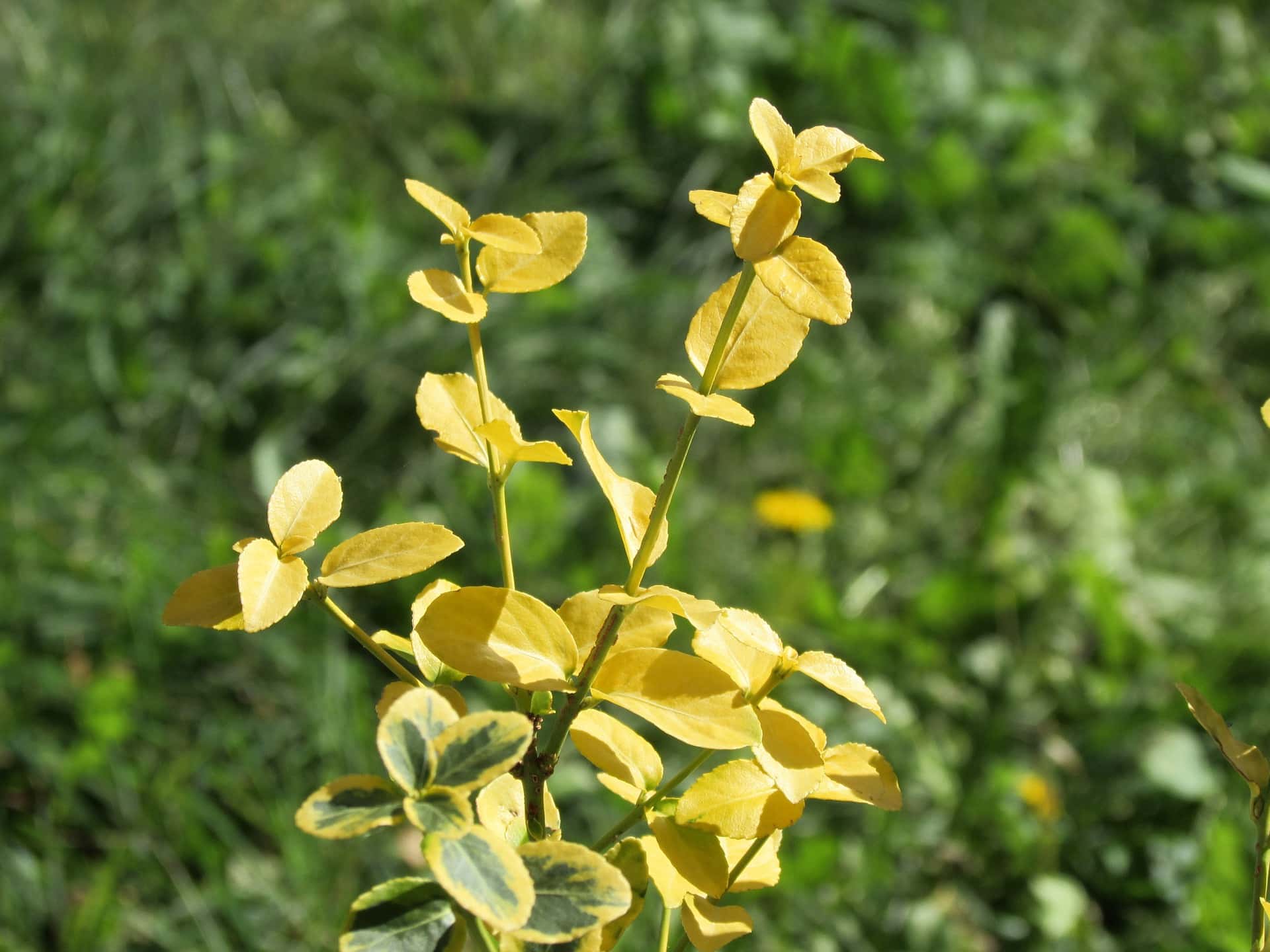
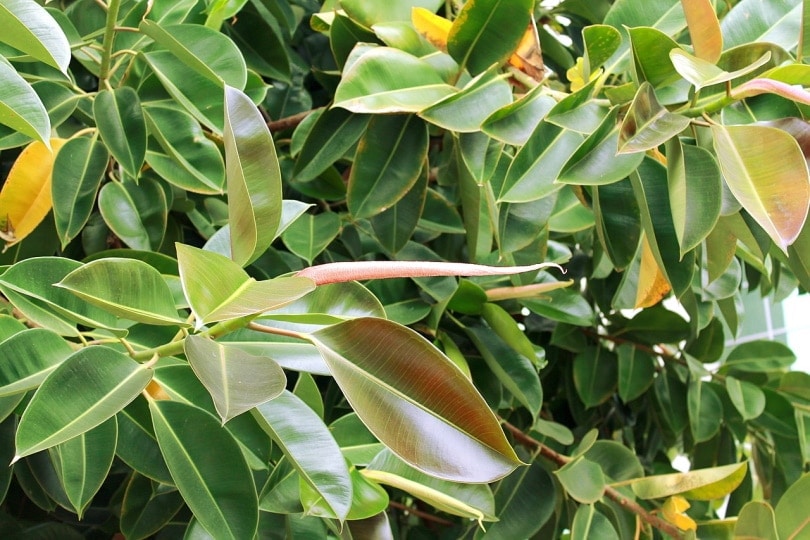
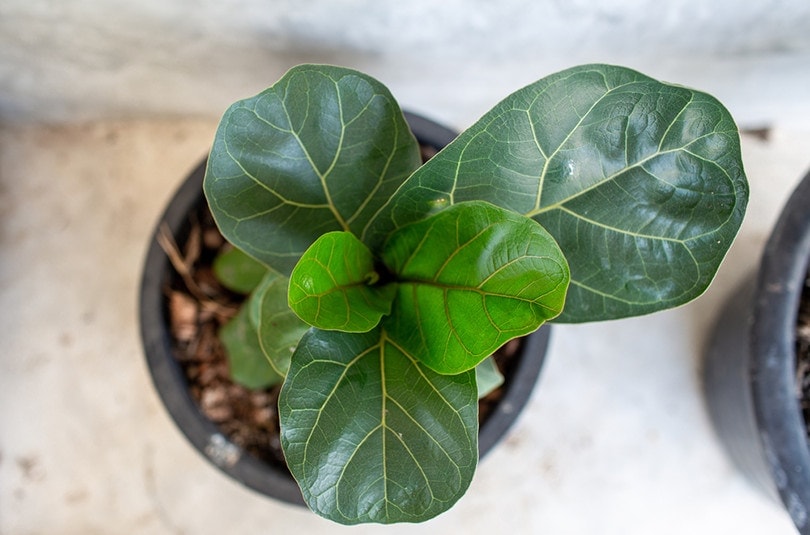
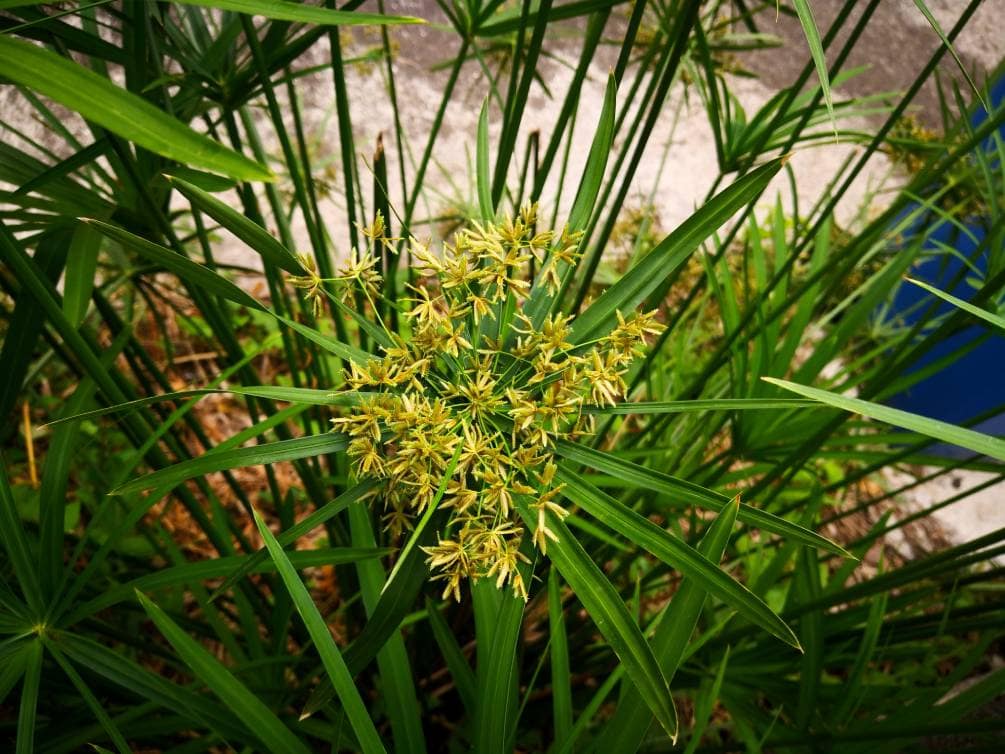
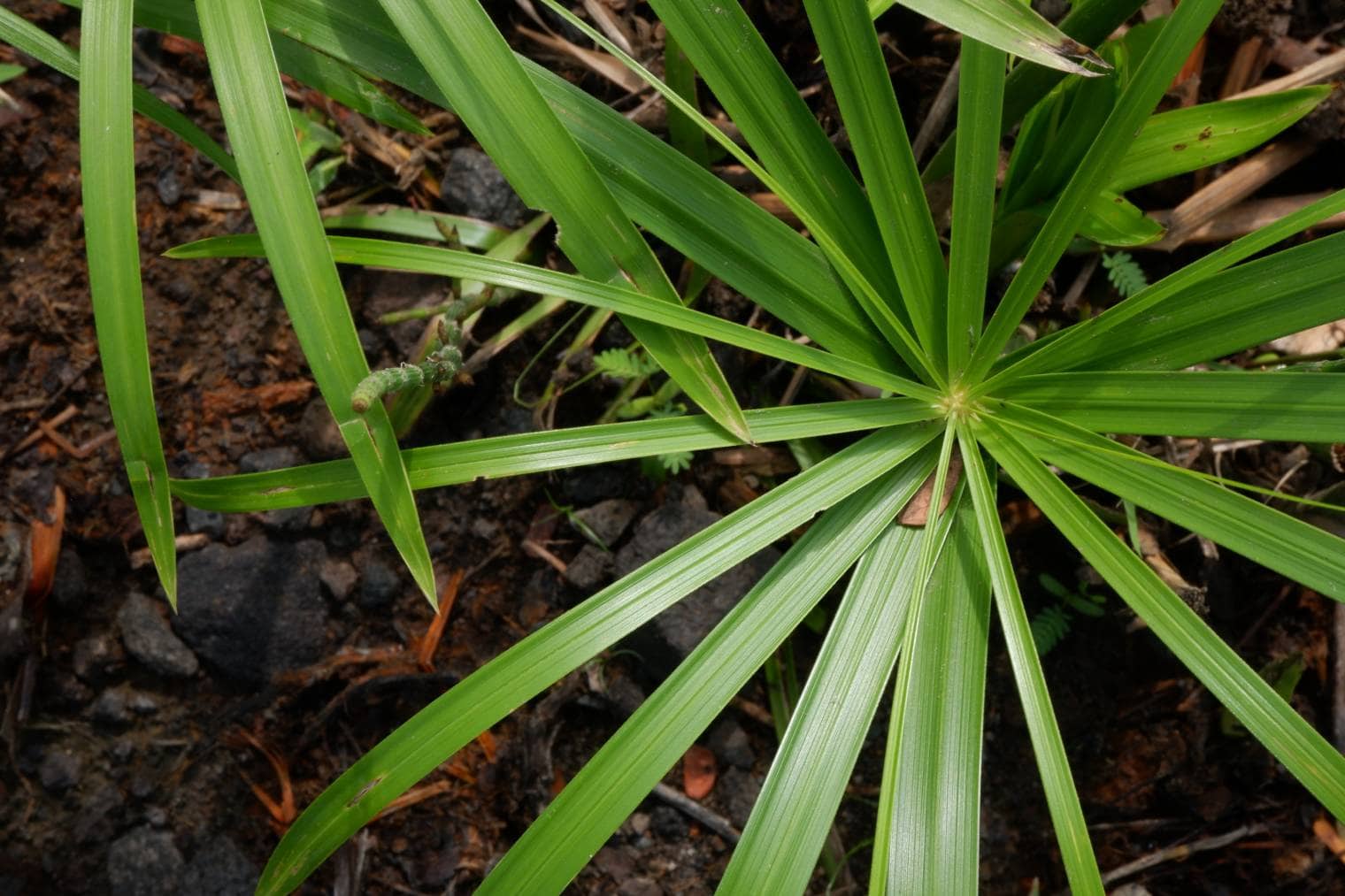
Cats are curious creatures, and they love to explore their environment. This can sometimes lead them to trouble, as cats may eat the plants they find in your home. While most plants are safe for cats, there are a few that can be poisonous if ingested. One such plant is the Australian umbrella plant, also known as the Schefflera. Keep reading to learn more about why umbrella plants are toxic to cats.

Why Are Umbrella Plants Toxic to Cats?
The umbrella plant is considered toxic to cats because it contains saponins and insoluble calcium oxalate crystals, which are released when the cat chews on the leaves. The release of these chemicals can cause pain in the mouth, vomiting and diarrhea in cats.
In some rare cases, ingestion of the plant can also lead to swelling of the airways, which can lead to breathing difficulties, but this is far less common. Most of the time, cats who eat umbrella plants recover well from their signs and go on to get into more mischief.
The 5 Signs of a Cat Ingesting an Umbrella Plant
1. Vomiting
One of the most common signs is vomiting, which can occur in your cat either immediately after ingesting an umbrella plant, or up to several hours later.
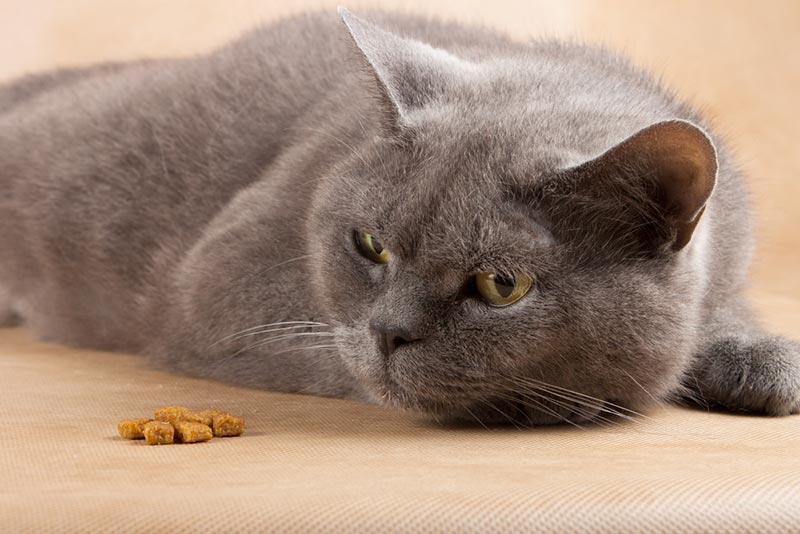
2. Not Eating or Drinking
If your cat demonstrates a loss of appetite or stops eating and drinking altogether, that is considered an urgent situation. Often, not eating or drinking is the only sign cats display, and if ignored, it only takes a few days to become a serious and potentially fatal problem. Call your vet right away if your cat experiences this.
3. Drooling
Another common sign of toxicity in cats is drooling, which can be caused by irritation in the mouth or throat. The crystals that are released by the plant can cause burning in your cat’s mouth and tongue. Your cat may drool a large amount or just a few drops.
4. Changed Behavior
If you notice any changes in your cat's behavior after they eat a plant—such as agitation or confusion—these could be signs that they're experiencing some kind of neural impact from the toxins.
5. Breathing Difficulties
Although less common, breathing difficulties can occur in some cases of umbrella plant toxicity. This is caused by the airways swelling. If you notice your cat having difficulty breathing, it's important to call your vet right away.
A Note About Signs
Many cats who eat umbrella plants never get sick or don’t have signs beyond a sore mouth or vomiting. Whenever you’re in doubt, call your vet to ask questions. Vets welcome questions about your pet's health and it’s better to be safe than sorry.
When to Call Your Vet
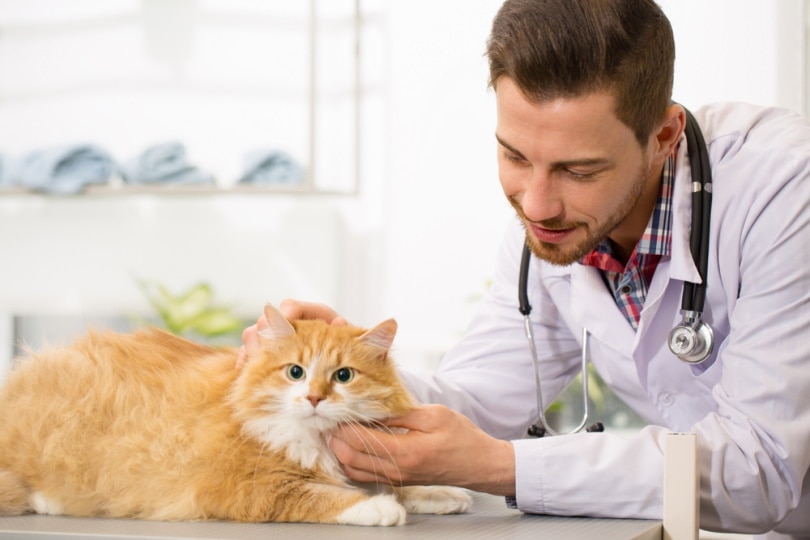
If you notice that your cat is showing signs of illness after eating an umbrella plant, it is important to take them to the vet immediately. Even though umbrella plants are generally only mildly toxic to cats, there is still a chance your cat might experience signs of toxic levels of saponins depending on how much of the plant was eaten. Additionally, although uncommon, your cat can also become sick from fertilizers and pesticides that many commercial growers use on their plants.
First Aid at Home
If you have a cat, it's important to be aware of the common signs of illness that your pet might show after eating something they shouldn't have. Learning the signs and watching for them in your cat is a good start, but call your vet if you’re ever in doubt. You should not try to induce vomiting or force fluids unless your vet gives you specific instructions. Offering a small amount of milk or yogurt can help bind the crystals and reduce the discomfort.
How to Keep Your Cat Safe From Toxic Plants
There are some simple steps that you can take to keep your cat safe from toxic plants.
1. Move Your Plants
First, make sure that all of the plants in your home are out of reach of your cat. You can do this by keeping them on high shelves or in closed cabinets.
2. Lock Away Your Plants
You may want to consider placing your umbrella plant outside, or in a room that your cat does not have access to. They also do well in glass cabinets or greenhouses.
3. Try Cat-Safe Plants
Try replacing toxic plants with plants that cats can safely eat. There are a number of plants that are safe for cats, and these can be a great addition to your home. These plants can provide your cat with a fun and stimulating environment, and they are also safe for them to eat.
Plants That Are Safe for Cats
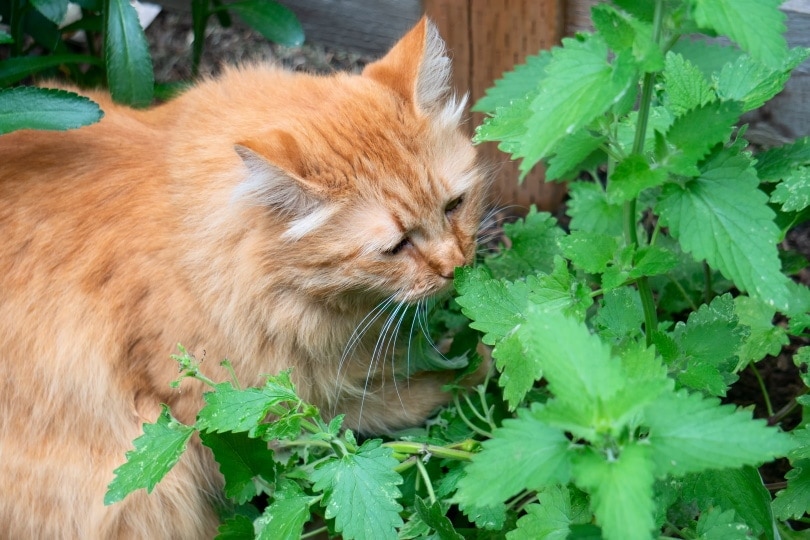
If you are looking for a new plant for your home, we recommend checking out one of these varieties! Some of the most popular safe plants for cats include:
You can grow a pot in a sunny window and let your cat chew on the leaves whenever they like, or you can cut off a few leaves to give your cats as a treat.
Conclusion
Umbrella plants are toxic for cats, but in most cases, signs are only mild. By following these simple tips, you can help to keep your cat safe from toxic plants, such as the umbrella plant and keep your plants safe from curious cats. And remember, if you are ever unsure about whether a plant is safe for your cat or if a symptom needs treatment, it is always best to err on the side of caution and contact your veterinarian for advice.
See also:
Featured Image Credit: Burning Bright, Shutterstock
Get Hepper In Your Inbox


Pet care tips from our vets and experts, straight to your inbox.
You may opt-out at any time. View our Privacy Policy for more information.
Nicole is a lover of animals of all sizes but is especially fascinated with the feline variety. She’s the proud mom of Baby, a Burmese, and works every day so he can relax in the sunshine or by the fire. She’s always had a cat in her home and has spent countless days with others, observing behaviors and softening up even the grouchiest of the lot. Nicole wants to share her kitty expertise with you so you and your cat can live happy, healthy, and care-free.
Join the conversation
Ask a question, share your story, or send private feedback.