Hepper is reader-supported. When you buy via links on our site, we may earn an affiliate commission at no cost to you. Learn more.
Is Dog Conjunctivitis an Emergency? Vet-Reviewed Facts & FAQ


In this article
Conjunctivitis is a relatively common, itchy, and uncomfortable eye condition marked by inflammation of the conjunctiva. It often starts in one eye before spreading through the other. If your dog shows signs of this condition, contact your vet as soon as possible for treatment. If left untreated, conjunctivitis can cause irreversible damage to the eye. Read on to learn more.

What Is Conjunctivitis?
Conjunctivitis is inflammation of the conjunctival tissues. The conjunctiva is the mucous membrane that lines the eyelids and surrounds the whites of the eye (sclera). The conjunctiva works similarly to the mouth and nose lining, acting as a protective barrier against foreign objects and infections.
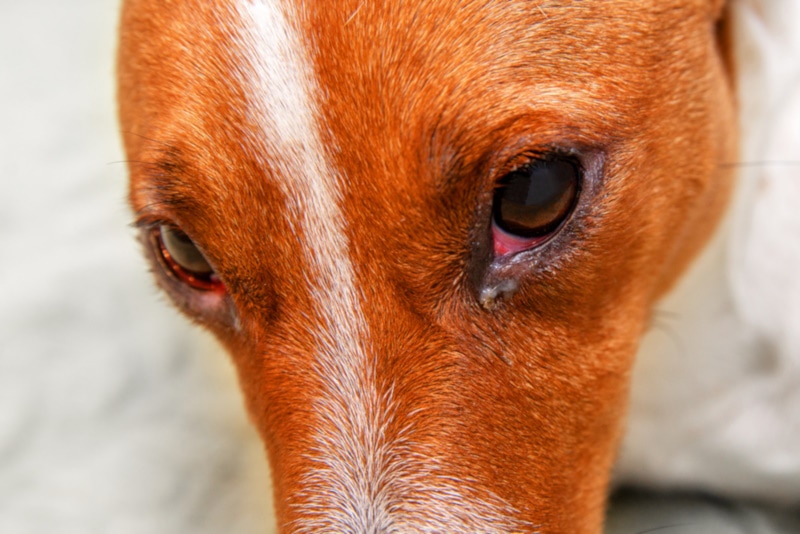
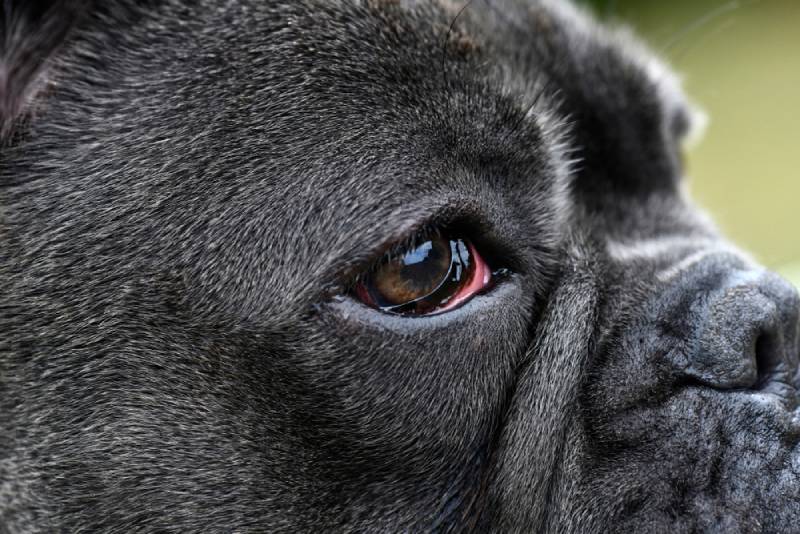
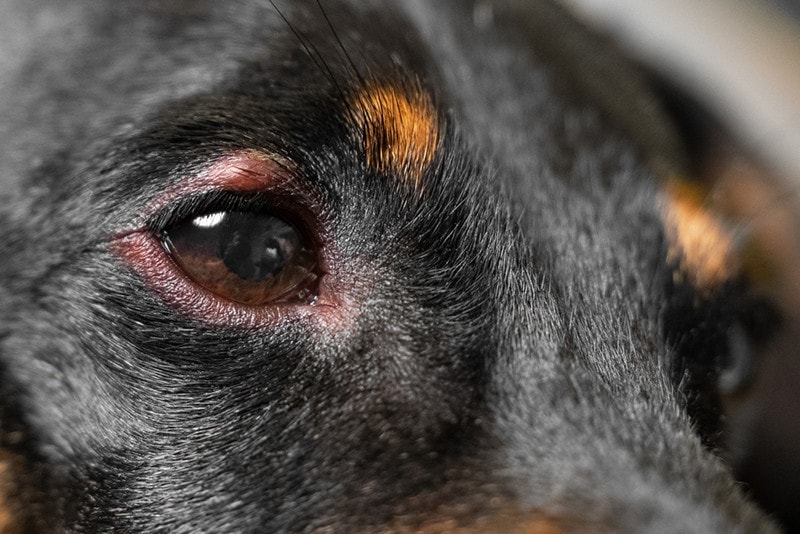
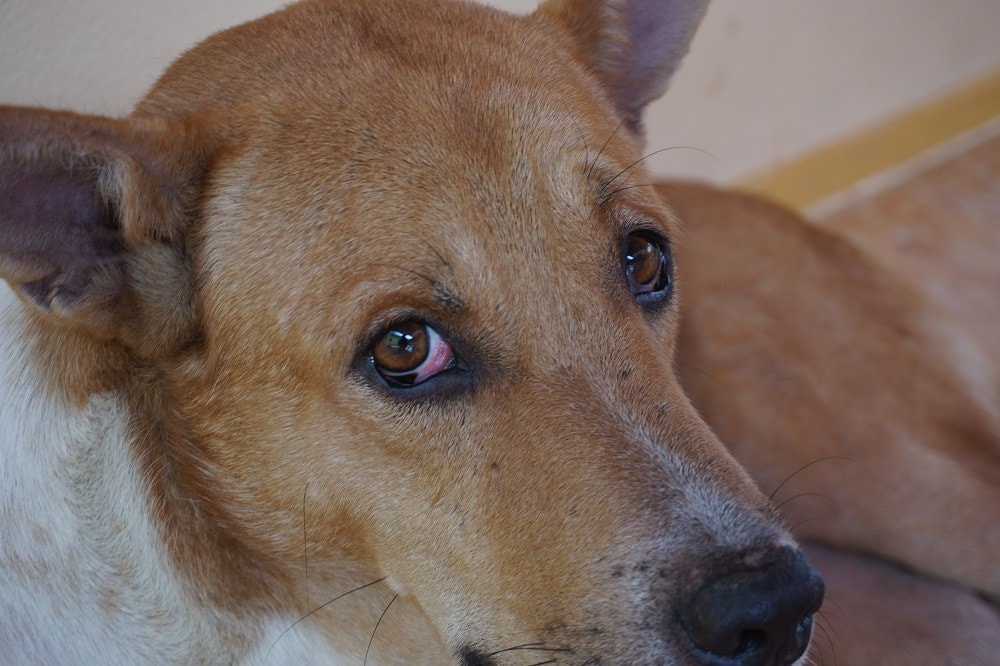
Dogs have a "third eyelid," or nictitating membrane, in the inner corner of each eye. This membrane is covered by conjunctiva. It is not usually visible in healthy dogs and will have a pale pinkish-white coloring*. When conjunctival inflammation occurs, the eye's mucous membranes swell, become itchy and turn a brighter pink or red.
*The third eyelid conjunctiva can be pigmented in certain dog breeds.
The two most common forms of conjunctivitis are Bacterial and Allergic.
Allergic conjunctivitis is the itchy, inflamed condition that results from allergens such as pollens or dust mites. It usually affects both eyes. Bacterial conjunctivitis involves a bacterial infection, usually in one eye, but can spread to both. Cases of severe allergic conjunctivitis can become bacterial if left untreated.
What Happens If Conjunctivitis Goes Untreated?
If your dog shows signs of this condition, you must see your primary care veterinarian as soon as possible. Although cases of allergic conjunctivitis will often resolve on their own, dogs suffering from it will often rub furiously at their eyes, potentially causing trauma or infection.
If left untreated, bacterial conjunctivitis can cause permanent and irreversible eye damage. The inflammation can damage the eye's outer layer, the cornea, causing ulceration, scarring, or uveitis (inflammation inside the eye). This can be incredibly painful and may set your dog up for chronic ocular problems.
Should I See an Emergency Vet?
All eye problems should be treated as urgent, but not all of them require a trip to the emergency vet.
If your dog cannot open its eye, if the eye looks red or swollen, or if your dog seems to be either frantic or lethargic, this is an emergency.
If your dog is rubbing the eye/s and the conjunctive looks inflamed, you should make an appointment to see your vet as soon as possible, but it is unlikely to be an emergency unless the signs get worse.
If you aren’t sure, phone the vet - whether it be an out-of-hours emergency hospital or your usual practice; they will advise you on what to do.
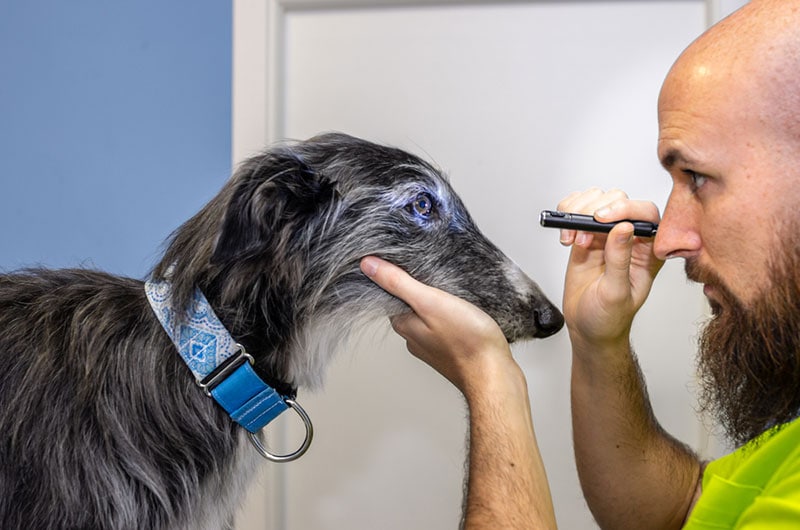
What Are the Signs of Conjunctivitis?
| Allergic Conjunctivitis | Bacterial Conjunctivitis |
| Both eyes are usually affected | One eye is usually affected first |
| Squinting or excessive blinking | Squinting or excessive blinking |
| Redness and swelling around the eyes | Redness and swelling around the eyes |
| Inflamed or redness of the sclera | Inflamed or redness of the sclera |
| Rubbing at the eyes | Rubbing at the eye |
| Clear or cloudy discharge from the eyes | Green or yellow discharge from the eye |
What Causes Conjunctivitis?
Many things can cause conjunctivitis in dogs, including:
How Is Conjunctivitis Treated?
The course of treatment will depend upon the cause of your dog's conjunctivitis.
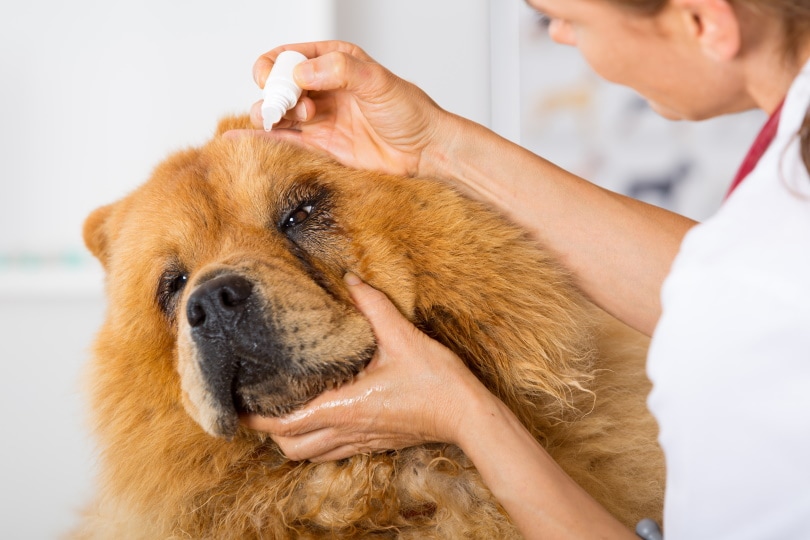
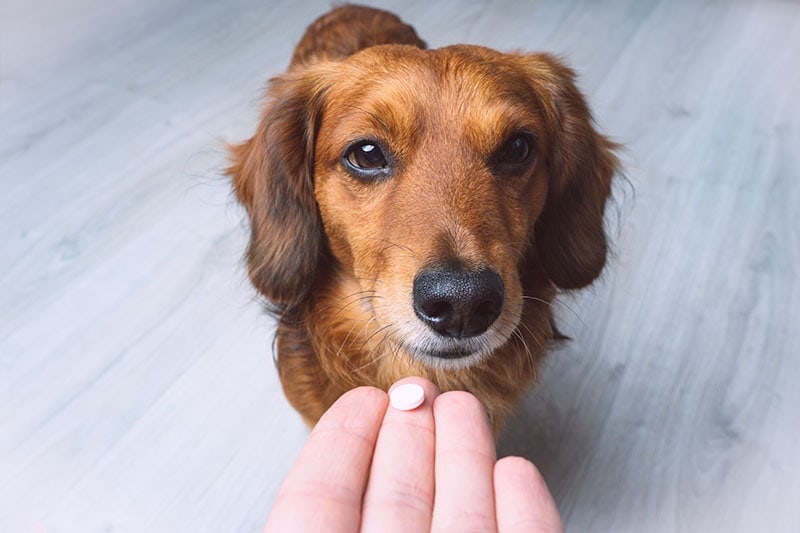
If allergies cause it, your vet will likely prescribe eye drops or a steroid-containing ointment. Your pup may require oral steroids or antihistamines.
Bacterial conjunctivitis often requires topical antibiotics, though your vet may recommend the oral type and anti-inflammatory medication if the infection is severe. Viral conjunctivitis usually goes away with time and oral antioxidants to boost your pup's immune system. Occasionally, oral or topical antivirals are recommended as well.
If it is an eye or eyelid abnormality causing your dog's conjunctivitis, surgical correction may be required.
Can I Catch Conjunctivitis From My Dog?
If the term conjunctivitis sounds familiar, it's because it affects humans, too. You might know it better as "pink eye".
It is extremely unlikely that you would catch this condition from your dog. However, if a virus or a bacterial infection causes your dog's conjunctivitis, it could be transmitted from one dog to another. In addition, bacteria canine conjunctivitis could be passed to humans, but it is very uncommon.
Ensure you wash your hands thoroughly after handling your dog with this condition. Do not touch your eyes or face after you've been near an infected dog.
Humans can also suffer from allergic conjunctivitis, so just because your and your dog’s eyes are itchy, does not mean the problem has spread. It’s more likely that you’re just both allergic to the same thing.
Final Thoughts
Conjunctivitis, as innocent as it may seem in humans, should be treated as soon as possible. As soon as you see signs of this condition, make an appointment with your primary care veterinarian for treatment. Any condition involving the eye should be treated as urgent, but conjunctivitis is not considered to be an emergency. While most dogs will fully recover from this condition, early treatment is essential to avoid complications.
Sources
Featured Image Credit: Masarik, Shutterstock
Get Hepper In Your Inbox


Pet care tips from our vets and experts, straight to your inbox.
You may opt-out at any time. View our Privacy Policy for more information.
Chantelle's life revolves around two passions: writing and animals. Raised on the prairies of Canada amidst a menagerie of pets, she now lives with five cats, two guinea pigs, and a bearded dragon. Together with her husband and child, Chantelle delights in being an exemplary animal parent, going as far as installing wall-mounted cat shelves to give their cats an indoor playground. When she's not cozying up with her cats or snapping their amusing antics, she enjoys venturing into the Rocky Mountains, binge-watching her favorite Netflix shows, and indulging in spontaneous reading adventures.
Join the conversation
Ask a question, share your story, or send private feedback.