Hepper is reader-supported. When you buy via links on our site, we may earn an affiliate commission at no cost to you. Learn more.
My Dog's Eye Is Red: Vet-Reviewed Advice & Recommendations


In this article
If you’re a dog parent, you know how important it is to keep your furry friend in good shape and health. However, when incidents do occur, it’s crucial to know how to react and how to help your four-legged companion.
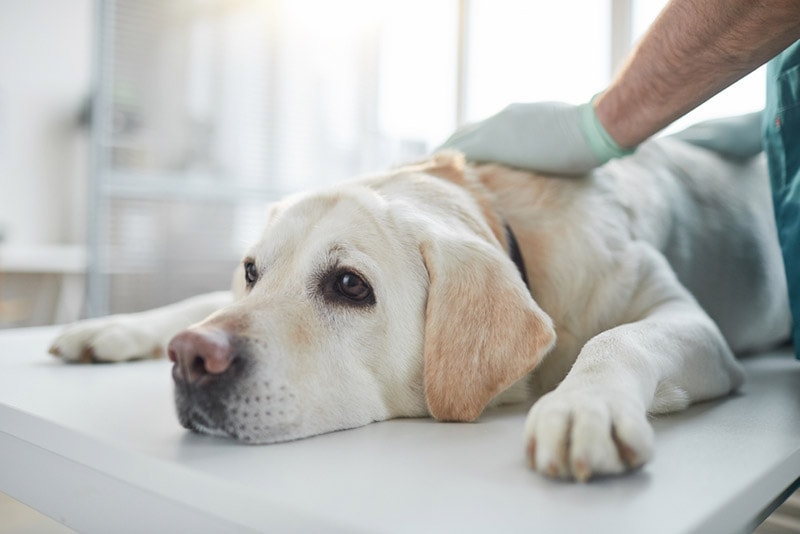
Red eyes are among the most prevalent problems in dogs. The cause could be something as simple as irritation due to allergies or something more severe, like an ulcer. So, if your dog’s eyes are red, it’s best to take them to the vet.
Healthy eyes in dogs have no redness, are clear and bright, and don’t contain any dirt or debris. If your dog’s eyes appear red, there’s likely a medical issue. Treatment may vary based on the cause, though it typically includes medicated eye drops.
In this article, we talk more about red eyes in dogs, the causes, prevention tips, and treatment options.

The 5 Types of Red Eyes in Dogs
Dogs can suffer from five different types of red eyes based on the part of the eye that’s been affected.
1. Episcleral Injection
The white outer layer of your dog’s eye is called the sclera. When this part of the eye shows large blood vessels, it's known as an episcleral injection. This type of eye redness happens when the blood vessels inside the sclera become engorged.
Dogs suffering from episcleral injection typically have an eye problem that is affecting the inside of the eye, meaning the redness of the eye is actually a sign of other intraocular diseases, such as glaucoma, or uveitis. Occasionally scleritis or episcleritis are the cause.
2. Conjunctival Hyperemia
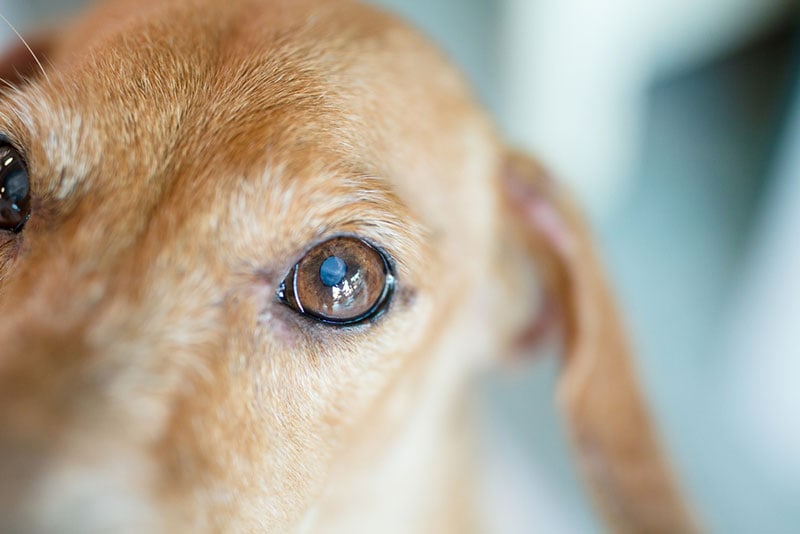
The eye conjunctiva of your dog is the thin membrane that covers the sclera and the inside of your dog’s eyelid. If this part of your dog’s eye is red, this condition is known as conjunctival hyperemia. It enlarges the blood vessels inside the conjunctiva, causing redness.
This type of red eye in dogs usually occurs due to external sources or problems like conjunctivitis.
3. Subconjunctival Hemorrhage
If the eye redness appears deeper within the tissue of your dog’s eye and under the conjunctiva, it's known as subconjunctival hemorrhage. This type of eye redness is usually caused by eye trauma or injury or disorders of clotting.
4. Corneal Neovascularization
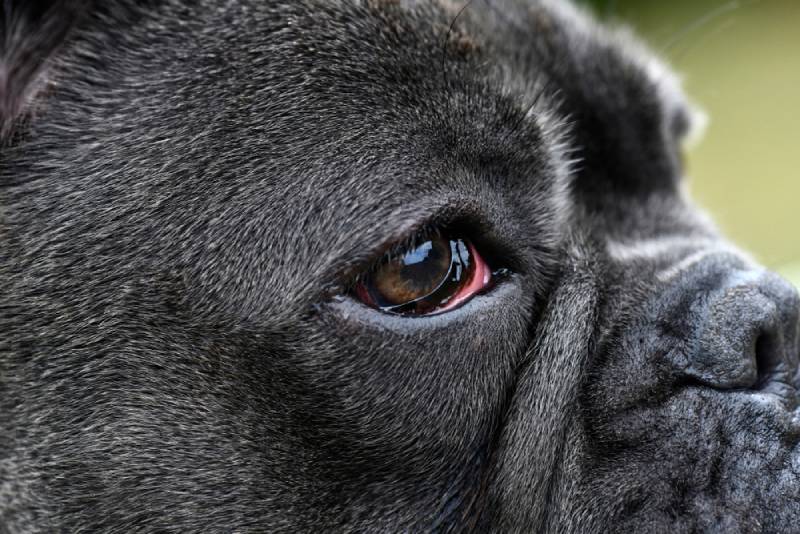
If your dog suffers from a corneal defect, their eye will form new blood vessels at its surface, a process known as corneal neovascularization. This formation of the new vessels can be superficial and partial, deep, or 360° deep.
This type of red eye typically occurs when a dog experiences scratches on the eye surface or suffers from inflammatory cornea conditions or other diseases, such as uveitis.
5. Hyphema
Hyphema is a blood pool located within your dog’s eye anterior chamber. When suffering from this type of eye redness, dogs will often exhibit complete eye redness or have a bright line in their eyes.
This problem can occur for various reasons, including uveitis, trauma, and systemic hypertension.

The 12 Causes of Red Eyes in Dogs
1. Conjunctivitis
Like humans, dogs can suffer from conjunctivitis. It’s common in many dogs because it can occur due to environmental irritants, bacteria, viruses, and even trauma.
Dogs that suffer from conjunctivitis may also experience eye discharge. The treatment for this health problem usually involves topical or oral medication.
2. Allergies
Dogs could experience eye redness due to allergies to environmental factors like pollen. When allergies are the cause of red eyes in dogs, they may also experience itchiness and sneezing.
Depending on the cause of your dog’s allergies, this type of eye redness typically requires oral medications to help decrease the severity of the reaction.
3. Cherry Eye
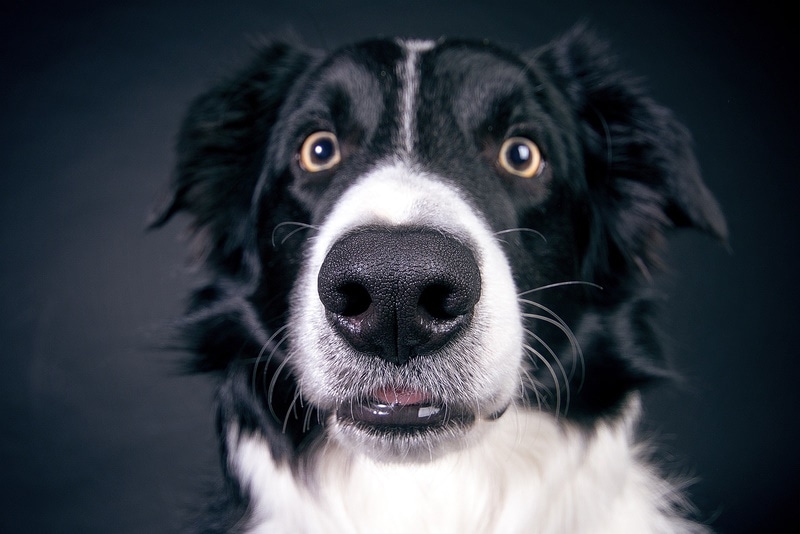
Dogs have a small gland under their third eyelid, and when it becomes enlarged or inflamed it may prolapse, the condition is known as cherry eye. Dogs with cherry eyes typically experience eye redness along with a swelling in the corner of one or both of their eyes.
Depending on the severity of the cherry eye that your dog has, the treatment typically includes anti-inflammatory eye drops, though most cases require surgery.
4. Keratoconjunctivitis Sicca
Keratoconjunctivitis, a.k.a. dry eye occurs when a dog is unable to produce tears. Pups that can’t produce tears don’t get the needed eye lubrication and protection of the eye surface, which is why they’re prone to eye abnormalities and ulcers that can cause redness.
5. Entropion
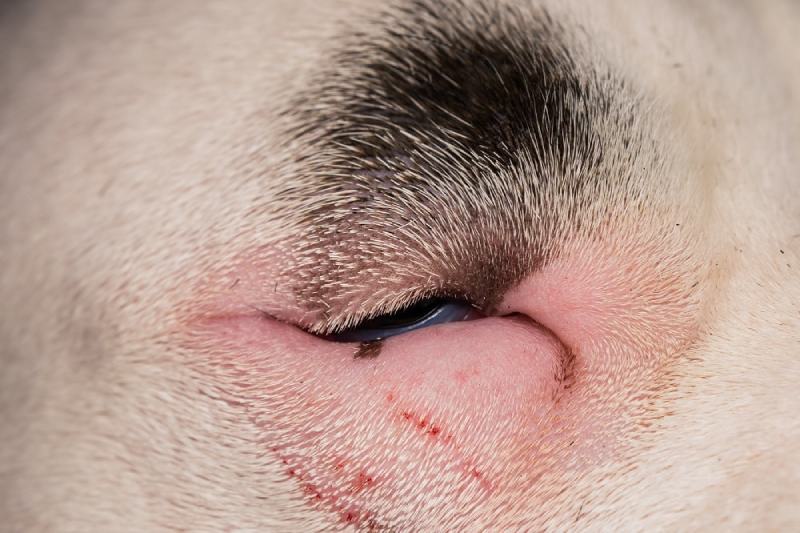
Dogs can experience red eyes when suffering from entropion, a condition of dog’s eyelids where they curve inwards, irritating the eye’s surface. Many dogs that suffer from entropion also experience frequent eye infections, discharge, and swelling and might need surgery to sort this condition.
6. Glaucoma
Glaucoma is a term used to describe increased pressure inside a dog’s eyes that can cause redness and lead to further eye damage, eventually causing blindness. This condition is particularly common in dogs suffering from diabetes, though it can be hereditary or develop due to other health problems. Glaucoma is painful and should be treated urgently by a veterinarian.
7. Eye Trauma/Injury
Eye trauma or injury caused by external irritants could make your dog’s eyes red. Eye trauma or injury could occur due to things like grass, hair, and other foreign objects. It
can also lead to the development of ulcers on the surface of your dog’s eyes, causing pain and further eye damage.
8. Uveitis
Dogs can experience red eyes due to uveitis, a condition characterized by decreased pressure inside of the eyes. Uveitis typically occurs due to injuries, infections, or toxins. Fortunately, this condition can be treated with oral and topical medications.
9. Corneal Ulcers
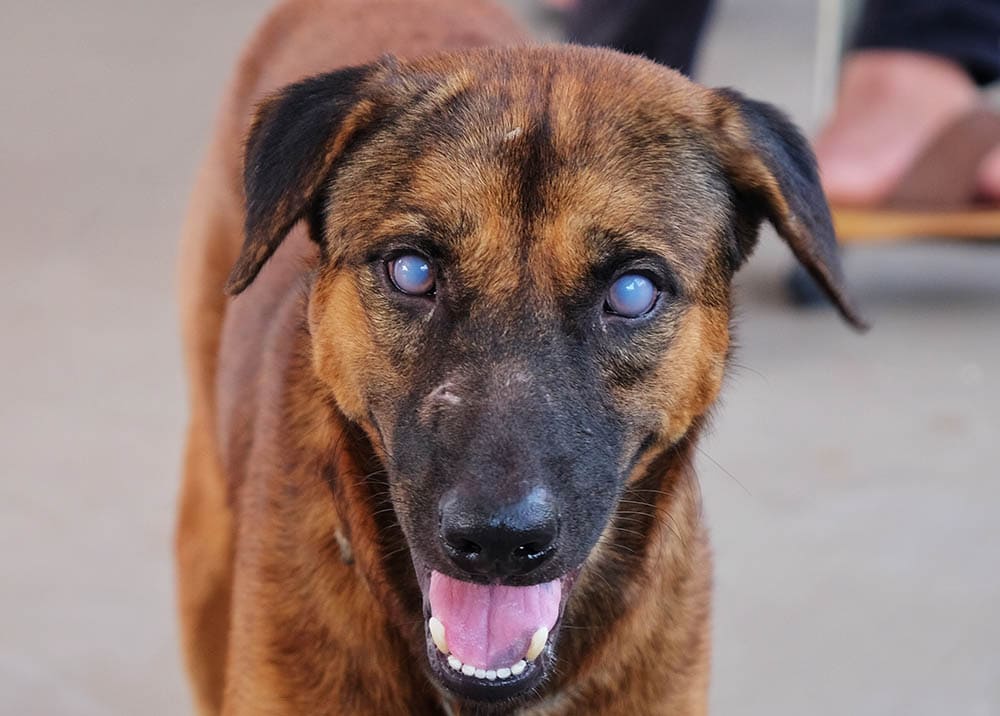
Corneal ulcers represent open sores on the surface of a dog’s eye that could cause redness. These sores can be visible or invisible to the naked eye and can lead to vision loss and pain, which is why this condition often requires aggressive veterinary treatment.
10. Blepharitis
Blepharitis usually occurs due to infections, irritations, or allergies and is characterized by red, itchy, painful eyes that could also be swollen. Depending on the underlying source, blepharitis often requires a mixture of topical and oral medications, though severe cases might require surgery.
11. Tumor
If your dog has a tumor growing behind their eyes, that might be the reason for abnormal eye redness. If you suspect that your dog has a tumor, your vet will do the needed examination and diagnosis and suggest treatment, which is usually surgery.

12. High Blood Pressure
Dogs with high blood pressure can experience eye redness due to the small blood vessels inside the eye rupturing. This condition can be severe and lead to blindness if left untreated, so be sure to contact your vet if you suspect that your dog suffers from high blood pressure.

What Should You Do If Your Dog Has Red Eyes?
Although a bit of eye redness in your dog isn’t always a sign of something serious, healthy dog eyes simply aren’t red, which is why it’s best to react promptly if you notice red eyes in your canine.
Getting an early evaluation will allow you to determine the cause of the issue, and you can receive the proper medical treatment for your four-legged companion that will preserve their ability to see.
How Do Veterinarians Diagnose the Cause of Red Eyes in Dogs?
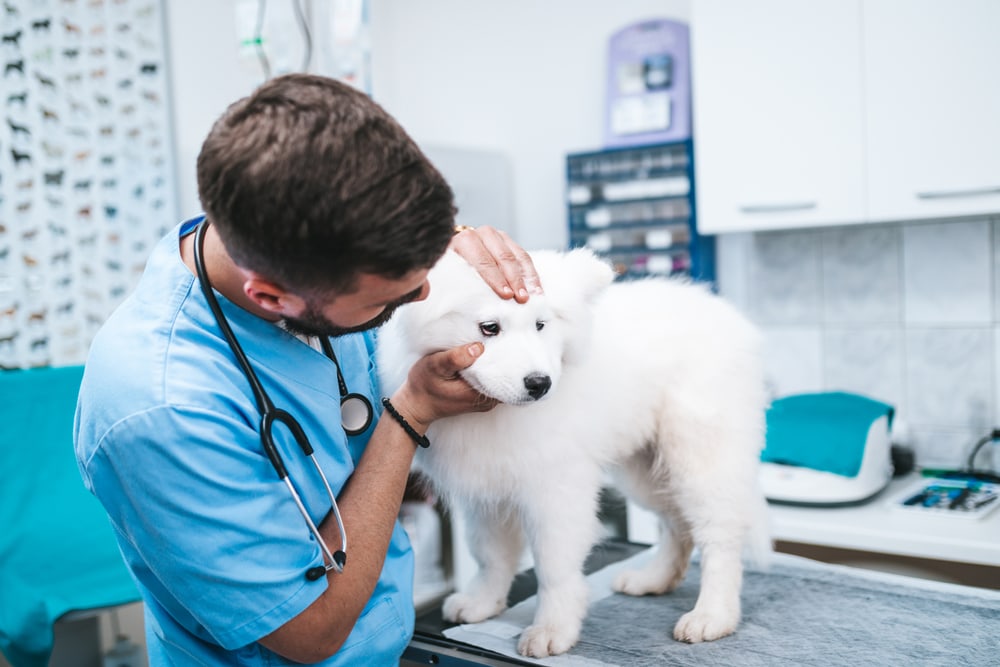
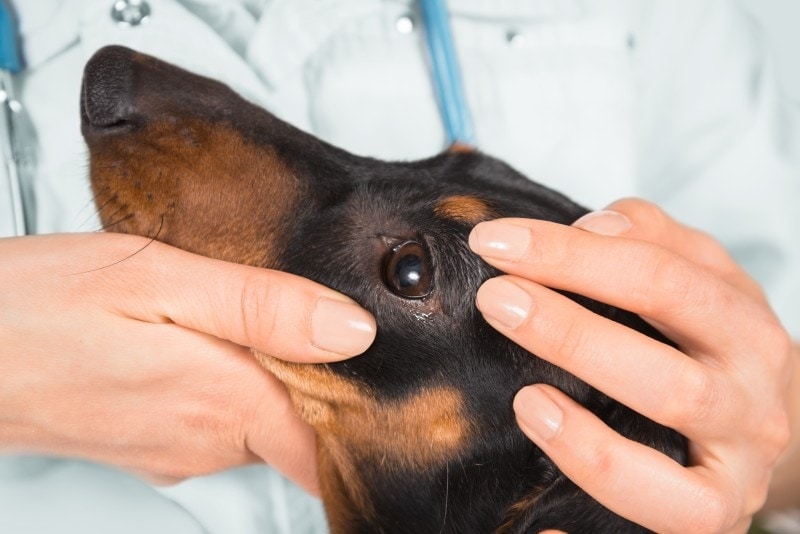
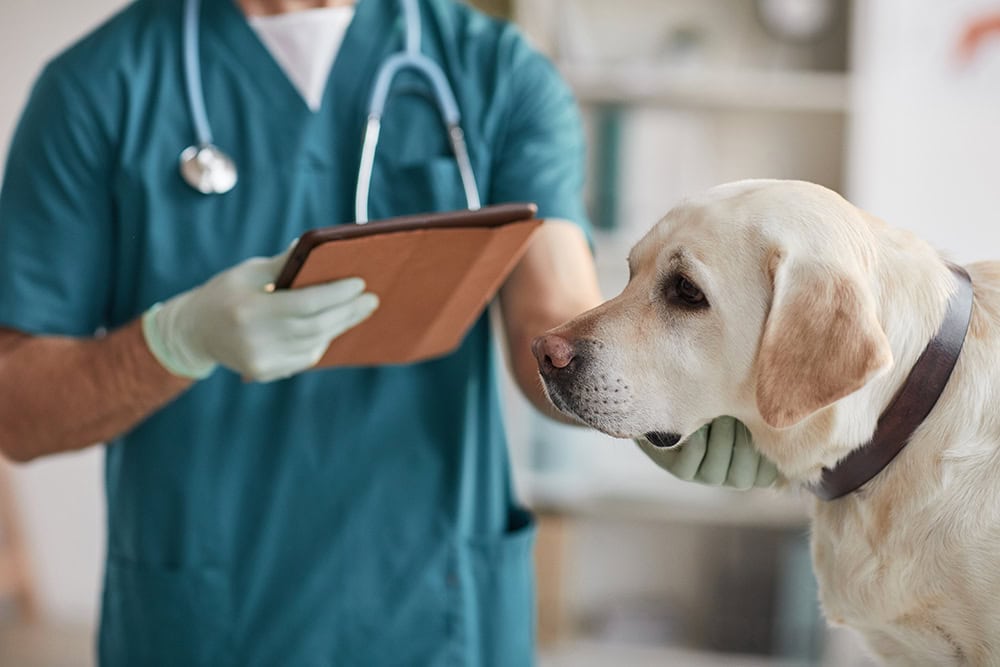
If you suspect that there’s a problem with your dog’s eyes, you’ll need to schedule a vet check-up. The vet will likely go over your dog’s full medical history and perform a complete physical exam and a thorough eye examination. It’s also possible for the vet to recommend lab testing to determine the underlying cause of the eye redness.
Here’s a list of common tests that veterinarians use to diagnose the cause of red eyes in dogs:
If your vet is unable to figure out the cause of the issue even after these tests, they may suggest more advanced testing that includes blood pressure monitoring, eye ultrasound, and MRI/CT scans.

Final Thoughts
If your dog’s eyes are red, there’s no need to panic. The causes of red eyes in your dog could vary from mild to severe, so simply consult your vet if you notice that your dog has eye issues. Your veterinarian will be able to perform the needed testing and provide treatment options for helping your canine.
Featured Image Credit: Duet PandG, Shutterstock
Get Hepper In Your Inbox


Pet care tips from our vets and experts, straight to your inbox.
You may opt-out at any time. View our Privacy Policy for more information.
Visnja is a content writer that covers various topics such as DIY, pets, home improvement, travel, gardening, and more.
She is a young mom and a college student, who didn’t have enough time to balance her personal and work life, so after multiple years of working a regular 9 to 5 job, she decided to pursue her passion and make a living out of it. She has been writing for a couple of years, helping people find valuable and interesting information online.
Join the conversation
Ask a question, share your story, or send private feedback.