Hepper is reader-supported. When you buy via links on our site, we may earn an affiliate commission at no cost to you. Learn more.
Is Grass Seed Safe for Dogs? Vet-Reviewed Problems & Toxicity


In this article
Owning a dog is like having a toddler in your home. You must supervise them until they learn the house rules about where they can and can’t go. The problem with canines is they like to explore their world with their mouth. That explains why up to 80% of poisonings 1 involve dogs instead of cats. Felines are more discriminating on that score.
Grass seed itself isn’t toxic. However, there are caveats to that assertion for ingestion. Nevertheless, other health risks exist that are likely off your radar unless you’ve had personal experience with a medical event. Let’s discuss what you must know about the potential problems and toxicity.

Ingesting Grass Seeds
Domestic dogs are considered omnivores, they have made an adaptive shift to metabolize glucose and starches. That comes from 20,000 or more years of domestication 2. The animals evolved to handle the foods people offered them. Grains figure prominently in commercial pet foods for ensuring a complete and balanced diet for all the necessary amino acids, vitamins, and minerals.
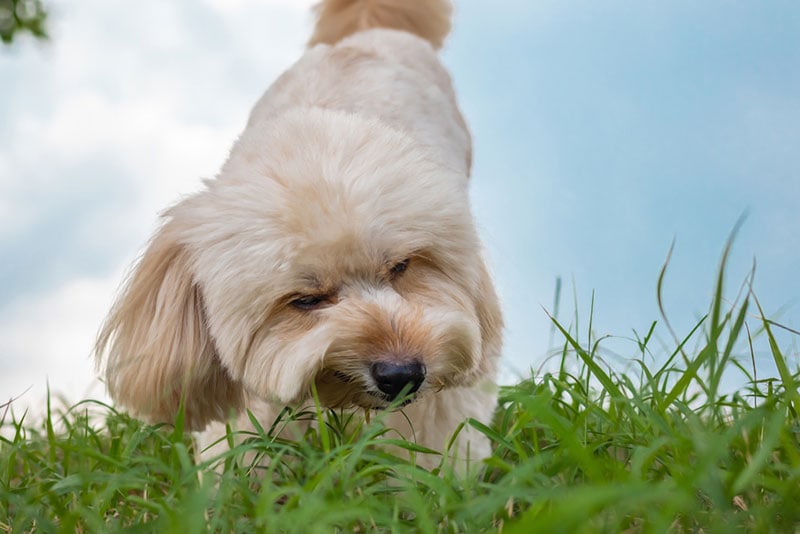
Nonetheless, dogs have a gastrointestinal (GI) tract better suited for animal-based proteins. If your pup ingests a large quantity of grass seeds, it may cause nausea, vomiting, or GI distress. A risk of an intestinal blockage also exists. Other concerns involve the structure of grass seeds and their implications.

The Problem With Grass Seed
The goal of life, whether you’re a tomato, dog, or tree, is to live long enough to reproduce and pass on your DNA. Plants have a unique obstacle because they are immobile. Therefore, evolutionary pressure is for them to develop ways to disperse their seeds. Birds and other wildlife help tremendously by eating the fruits, nuts, or seeds of plants and depositing them elsewhere.
Plants, like milkweed, use the wind as a carrier. The examples of evolutionary strategies are a fascinating study of adaptation and natural selection. The solution for many species is the structure of their seeds that allows them to hitch a ride away from the original plant. That can help divert the environmental pressure of competition for sometimes scarce resources.
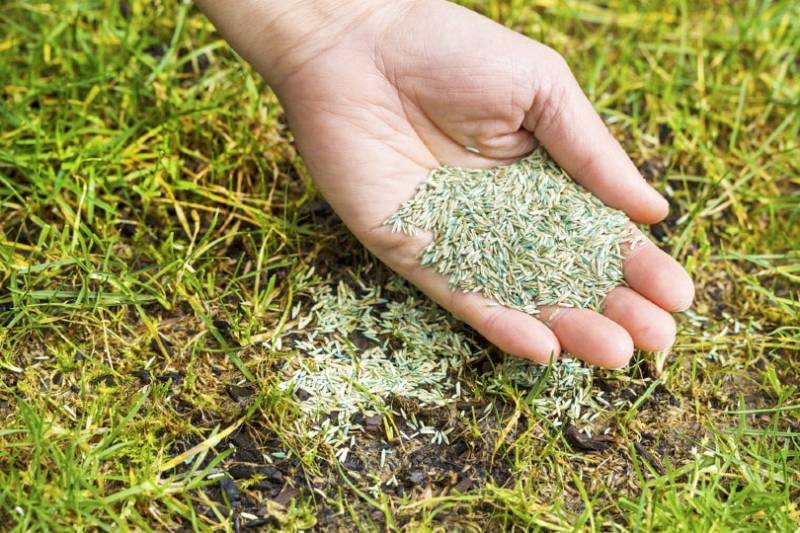
The classic case is burrs. The hooks found on these seeds give them the staying power they need when an unsuspecting animal strolls by a stand of plants. Grasses use a similar strategy, with barbs on the seeds, making them into pointy shapes. If a dog ingests grass seeds, they may irritate as they go down the esophagus. Many complications exist if it becomes infected.
Getting Stuck
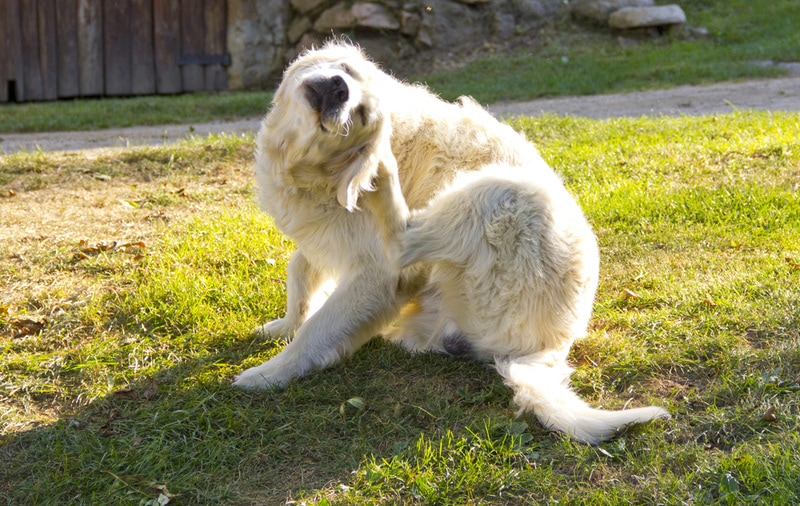
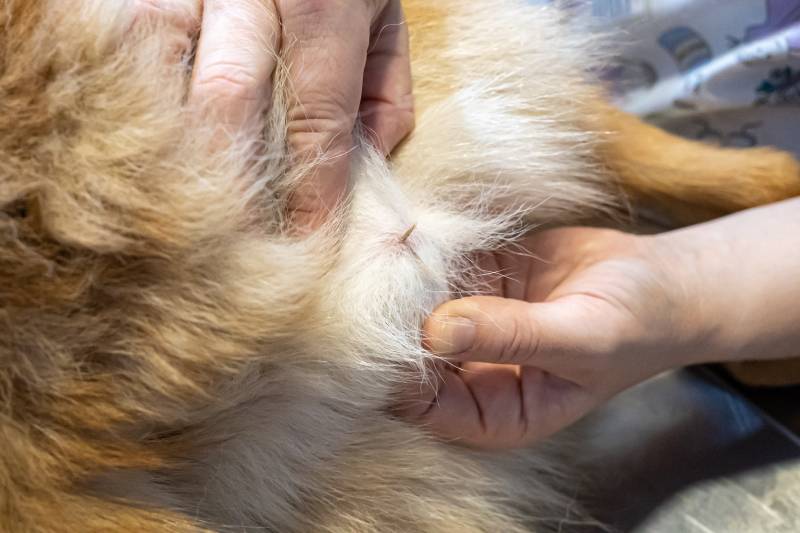
Grass seeds can become an issue if they get embedded in your dog’s coat. If they go unnoticed the pointy end can penetrate their skin leading to sore swellings and infection. Your pet may lick or bite at the source of irritation. Unfortunately, they also can travel far from the site where they entered.
If the seed is caught early then it may simply be a case of pulling it out. However, if it is moved along a tract under the skin then an operation may be needed to find and remove it.
Grass seeds can also affect your dog’s ears or, heaven forbid, eyes if they latch onto these body parts. Your pup may shake their head frequently or paw at their ears. Likewise, the feel of something in your pet’s eye is certain to cause discomfort and swelling and may scratch the surface of their eye.
The Devil in the Details
Some commercial products may have coatings or other additives to help the grass seeds germinate. They can pose serious health risks, depending on the ingredients. For example, one potentially harmful chemical is an agricultural fungicide called mefenoxam. Manufacturers must register pesticides with the US Environmental Protection Agency (EPA). This one is no exception.
The EPA classifies this chemical as a toxicity class III. This category includes pesticides that can cause skin and corneal irritation. Mefenoxam can also harm fish, aquatic invertebrates, and some birds at varying doses. Therefore, if your dog ingests grass seed, it’s imperative to bring the package with you to the vet to ensure the condition is treated correctly.

Final Thoughts
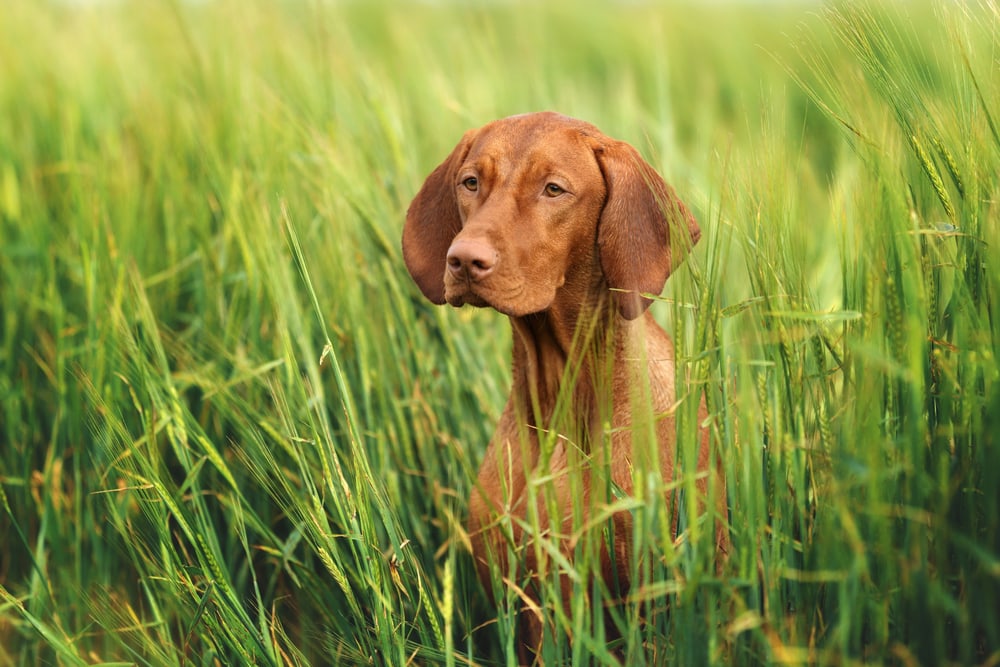
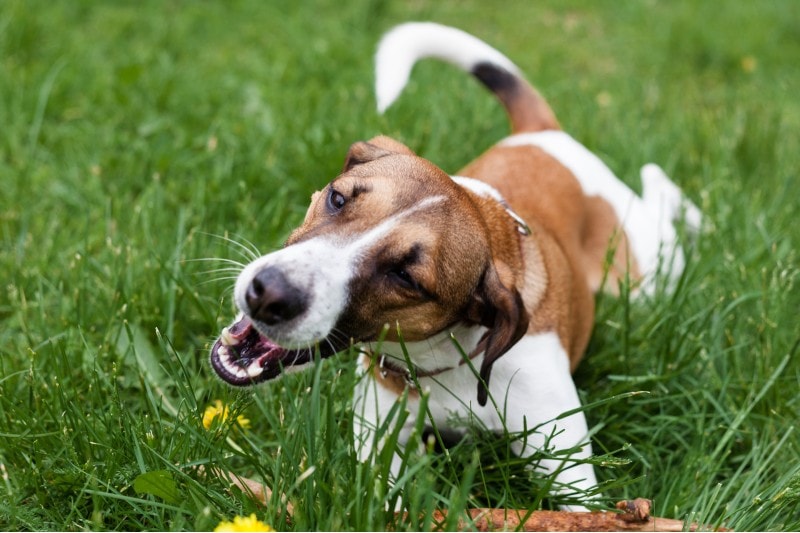
Untreated grass seed isn’t a significant health risk. However, products with additives may cause problems, depending on their toxicity. Grass seeds can cause skin irritation, and they can cause further damage if they become embedded in your pet’s skin. We strongly urge you to check your pup’s coat if they venture into tall grasses. Combing through your pooch’s coat can stave off future issues. However, the best source of action is always prevention.
Sources
https://www.vetstreet.com/our-pet-experts/are-dogs-carnivores-heres-what-new-research-says
https://www.govinfo.gov/content/pkg/CFR-2005-title40-vol23/pdf/CFR-2005-title40-vol23-sec156-64.pdf
https://www.allcreatureshealthcare.com/article/grass-seeds-danger-for-dogs-in-norwich/#:~:text=The%20reason%20that%20grass%20seeds,cause%20can%20even%20be%20fatal.
Featured Image Credit: Elena Elisseeva, Shutterstock
Get Hepper In Your Inbox


Pet care tips from our vets and experts, straight to your inbox.
You may opt-out at any time. View our Privacy Policy for more information.
Chris is an experienced pet writer specializing in science topics, with a particular passion for health and the environment. She has been a writer for over 15 years and lives with her husband and three cats in Michigan.
Beyond writing about cats and dogs, Chris loves to learn about wine. She has WSET 1 and 2 certifications and is currently pursuing her Certified Wine Specialist Award (CSW).
Join the conversation
Ask a question, share your story, or send private feedback.