Hepper is reader-supported. When you buy via links on our site, we may earn an affiliate commission at no cost to you. Learn more.
My Dog Is Eating Birdseed: Vet Reviewed Risks Explained


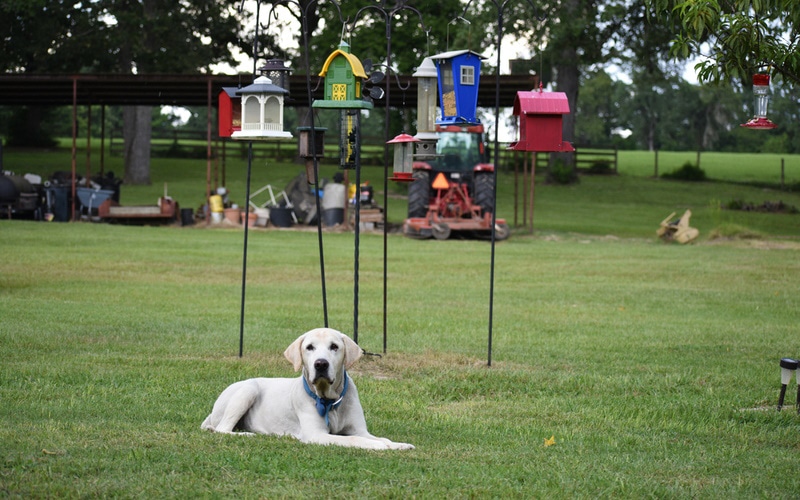
We’re not sure about you, but we are the kind of people who find joy in observing wild animals as much as we do living with domesticated ones. Bird watching has been a human hobby for centuries and some of us use bird feeders to attract birds to our yards. Their songs and colorful beauty never fail to enchant.
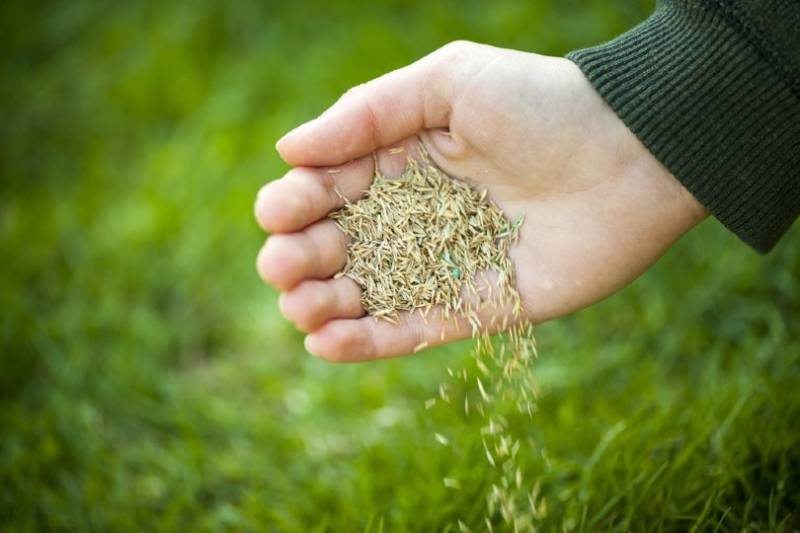
If you're a bird lover and canine enthusiast, you’ve probably noticed your dog eating birdseed that’s fallen out of the feeder and onto your lawn. How worried should you be when this happens? Luckily, a dog eating a small amount of birdseed is generally not a big deal. If your favorite pooch has eaten a small amount of fresh birdseed, they will likely suffer no adverse effects. The seeds will likely pass right through their system with their next bowel movement.
Read on to learn about some specific situations that do merit concern; as with all aspects of pet ownership, it is better to be safe than sorry.

Tummy Troubles: Gastrointestinal Issues
A large amount of birdseed can potentially cause problems for a variety of reasons, and you should consult your vet if your dog is exhibiting any signs of distress or discomfort. The signs and symptoms of gastrointestinal distress in dogs can include vomiting, diarrhea, lethargy, loss of appetite, and dehydration. If you notice any of these symptoms in your dog, it's important to seek veterinary care as soon as possible.
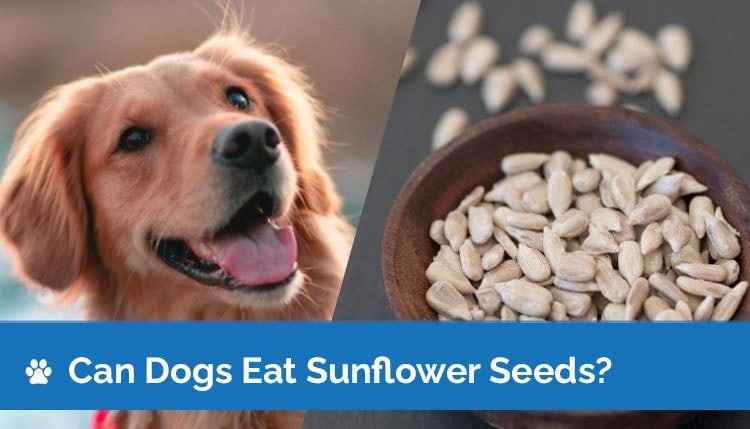
Commercial brands of birdseed usually contain a variety of seeds, including sunflower seeds, millet, and safflower. All of these are high in fat and can cause gastrointestinal upset, such as vomiting and diarrhea if eaten in large amounts. If your dog has ever snuck a snack that's high in fat,1 you probably know how unpleasant this can be for everyone involved!
Some birdseed mixes also contain harmful additives or chemicals (typically to keep the product fresh and shelf-stable) that are harmless for birds but could be harmful to dogs. Make sure to read the label carefully and avoid using birdseed mixes that contain any ingredients beyond just the seeds.
In some cases, eating birdseed can also lead to an obstruction in the digestive tract, especially if your dog has swallowed whole seeds or large pieces of seed shells. Your dog’s body is not equipped to handle this kind of material in large amounts. The most worrisome outcome is that your dog develops bloat, which can be caused by the seeds/shells causing a blockage in the intestine. Bloat can be fatal and needs to be treated by a vet immediately.

Malicious Molds: Aflatoxin Poisoning
The most likely way your pooch got some nibbles from birdseed is from under a feeder in your backyard. Birds tend to scatter seeds and shells all over the ground as they eat, and your pup probably can’t resist taking a sniff or a taste. However, seeds that are old or damp may become the perfect home for aflatoxins. Aflatoxins are produced by the mold Aspergillus flavus, which loves to breed and grow on grains.
According to the U.S. Food and Drug Administration (FDA),2 aflatoxins can cause short-term and long-term illness and even death in dogs. Symptoms of aflatoxin poisoning include loss of appetite,3 sluggishness, vomiting, diarrhea, and jaundice (yellowish tint to the eyes or gums due to liver damage). The liver is the principal organ affected; some pets can suffer liver damage without showing any symptoms, making aflatoxins particularly dangerous. Seek veterinary care as soon as possible if you suspect your dog is suffering from aflatoxin poisoning; only an exam and blood work can determine the best course of treatment.

The Scoop on Bird Poop
Birds are not known for being the neatest of eaters. Not only do they get their lunch all over the restaurant, but they also use the bathroom without even excusing themselves! Bird poop often ends up mixed in with seeds and seed remnants under the birdfeeder, creating the perfect environment for unsanitary conditions.
Ingesting bird poop can transmit parasites into your dog’s digestive system, which can cause a range of problems. Salmonella, a common bacteria that can cause problems for humans and dogs alike, can also be found in bird feces. While a small amount of birdseed itself shouldn’t cause your dog problems, small amounts of parasites and bacteria can cause severe illness and death in your pet.
The Situation With Suet
Suet is processed beef fat that is used for animal feed and in cooking. It is an especially tasty treat given to birds in winter time; it provides them with a hearty caloric and nutritional boost. Suet also sends your dog's taste buds into overdrive! Many of them can’t stay away from the stuff once they get a sniff.
Because suet is pure saturated fat, it can cause health problems for your pup. Too much fat can cause pancreatitis, a very painful condition that causes vomiting and diarrhea. It can also cause general gastrointestinal distress, aggravate conditions like colitis, and lead to heart conditions (if consumed on a regular basis). As such, it is important to keep suet in any form away from your pup.

The Best of Both Worlds
It is definitely possible to enjoy wild birds in your yard while keeping your dog safe and healthy. Below are some helpful tips for doing so:

Conclusion
If you’re in a panic because your dog ate a small amount of birdseed, rest assured that most of the time they will be just fine. There are, however, some situations in which birdseed and your dog’s tummy are a dangerous combo—such as eating a large amount, and eating contaminated seed.
If you want to have bird feeders in your yard, safety precautions are a necessary part of keeping the birds and dogs in your life happy, healthy, and safe.
Sources
Featured Image Credit: Jennys Photos, Shutterstock
Get Hepper In Your Inbox


Pet care tips from our vets and experts, straight to your inbox.
You may opt-out at any time. View our Privacy Policy for more information.
Nicole is a lover of animals of all sizes but is especially fascinated with the feline variety. She’s the proud mom of Baby, a Burmese, and works every day so he can relax in the sunshine or by the fire. She’s always had a cat in her home and has spent countless days with others, observing behaviors and softening up even the grouchiest of the lot. Nicole wants to share her kitty expertise with you so you and your cat can live happy, healthy, and care-free.
Join the conversation
Ask a question, share your story, or send private feedback.