Hepper is reader-supported. When you buy via links on our site, we may earn an affiliate commission at no cost to you. Learn more.
Why Is My Dog Eating Grass & Throwing Up? 5 Common Reasons (Vet Answer)

In this article
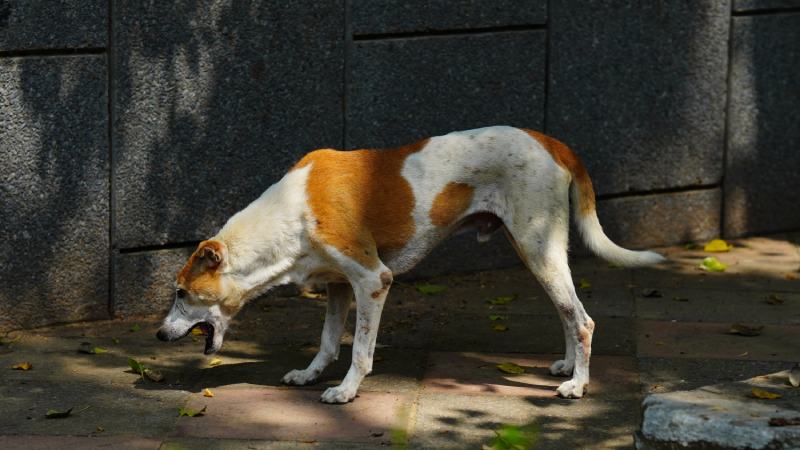
Yuck! Your dog comes in from outside and vomits grass all over your floor. They might be sick, and now you might be sick at the thought of cleaning it up. But why do dogs eat grass and vomit in the first place, and do you need to worry about it?

Why Do Dogs Eat Grass and Vomit Afterwards?
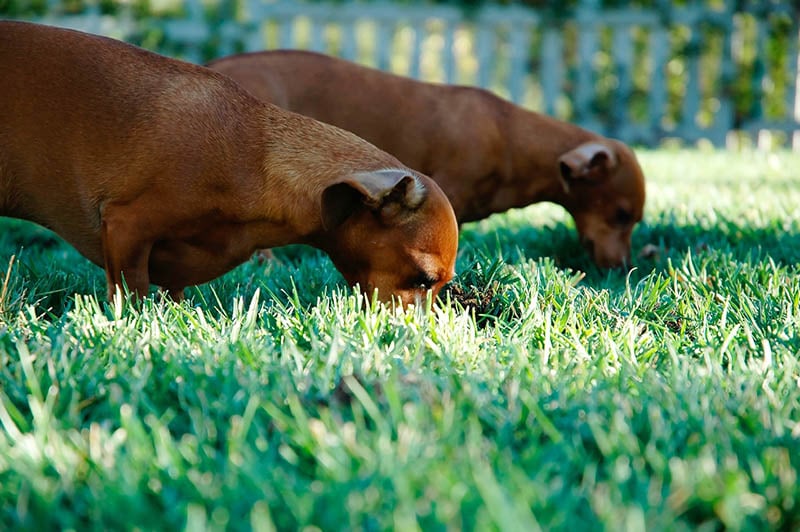
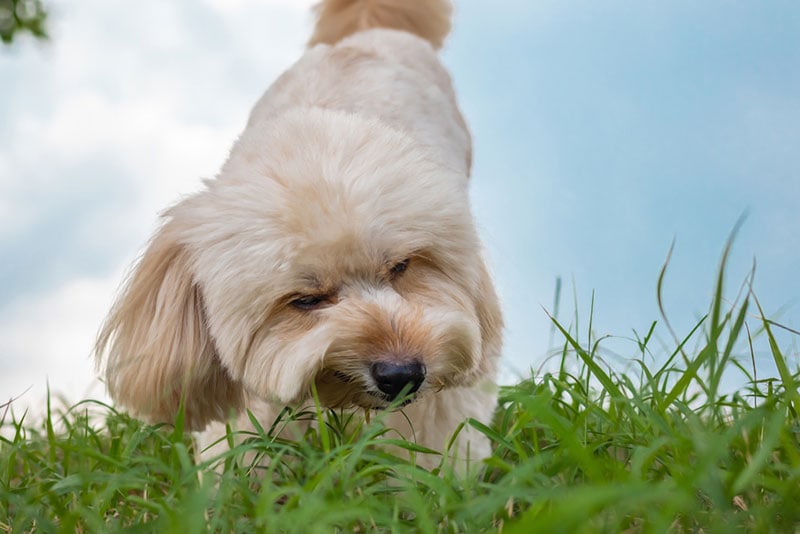
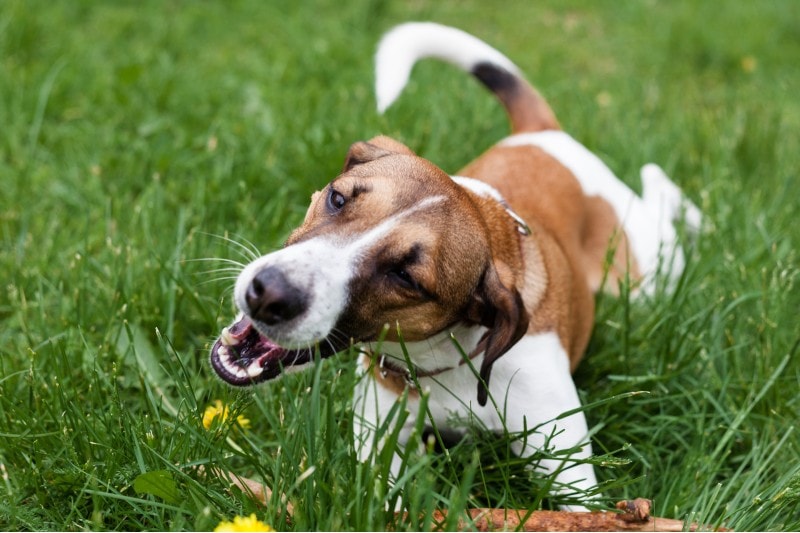
When your dog eats grass, the long strands of grass can irritate the stomach lining. The blades of grass can also make your dog gag. Both factors can stimulate your dog to vomit after eating grass.
In cases where your dog already has a bit of an upset stomach, eating the grass irritates the already irritated gastric mucosa, and your canine friend might vomit. Interestingly, there may be a difference between dogs that eat grass because they like the taste and those that eat out with an upset stomach. The ones that like the taste tend to eat and chew on the grass, while dogs with upset stomachs gobble down long strands with minimal chewing.
There are other reasons why your dog might vomit after eating grass. If you've ever tasted grass or even grass-flavored jelly beans, you know grass isn't all that appetizing to munch on. The taste or texture could make your pup vomit.
A main thing to remember is that in studies of dogs eating grass, less than 25% of dogs vomited after ingesting grass. It's much less common than we're led to believe.
The 5 Reasons Dogs Eat Grass
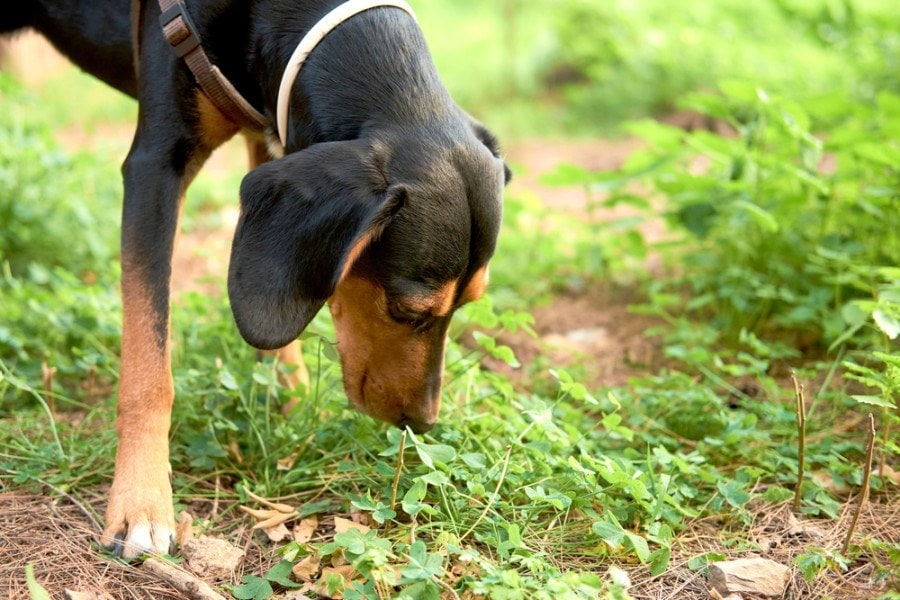
If you've had dogs for any length of time, you might have noticed that sometimes they go outside and eat grass. Unfortunately, after some of these bouts, they vomit. Let's explore some potential causes for your dog's grass-eating.
1. Stomach Upset
We often associate vomiting with an upset stomach, and rightly so. Your dog could have digestive issues that contribute to its need to eat grass. In many cases, veterinarians may not be able to tell if your dog is eating grass because it has an upset stomach or if it vomits secondary to eating grass.
If your dog constantly eats grass and vomits, your veterinarian might try a gastroprotection, such as omeprazole or famotidine, to help settle its stomach. They will likely run blood work and an intestinal fecal exam to check for underlying health issues.
It might seem like an odd thing to eat grass to settle their stomachs, but it is believed there are two primary reasons why dogs eat grass with an upset stomach:
- The grass may alter your dog's stomach pH and alleviate gastric upset.
- The fiber in the grass can help gut motility.
If you are concerned about the health and well-being of your pet, seek veterinary advice for the best course of action.
2. Appealing Taste
As weird as it may seem, some dogs enjoy the taste of grass, even if they're on high-quality commercial pet food. Does your dog seem attracted to one type of grass if your yard has different populations? Does your pup only go after tender blades in the spring? The answers to these questions could help you determine if your dog likes the taste of grass.
3. Instinct
There may be an instinctive link between dogs eating grass as a biological phenomenon. Researchers know that many wolves eat grass as part of their diet, with estimates ranging between 11% and 47% of wolves having grass in their stool.
Wolves eat almost all parts of their prey to help maintain a balanced diet. They also ingest the stomach contents of herbivores and consume grasses, which provide them with fiber to help keep a healthy gut.
Eating grass is also a way that dogs and wolves scavenge. This behavior is very natural and not necessarily something to worry about.
4. Need for Fiber
Tied closely with a possible instinctive rationale for eating grasses, your dog might eat grass in your yard to provide additional fiber. Your dog needs fiber to help regulate its gut motility. Without adequate fiber intake, it can become constipated. Your dog may eat grass to compensate for insufficient fiber in its regular food.
5. Boredom
Your dog might be experiencing psychological problems, such as boredom or anxiety, which could contribute to its eating grass. One way to look at it is like someone chewing on their nails. It can be a mindless activity that helps provide your dog with comfort. According to VCA Animal Hospital, dogs appear to spend more time eating grass with less time with their owners.
Should You Worry if Your Dog Eats Grass?
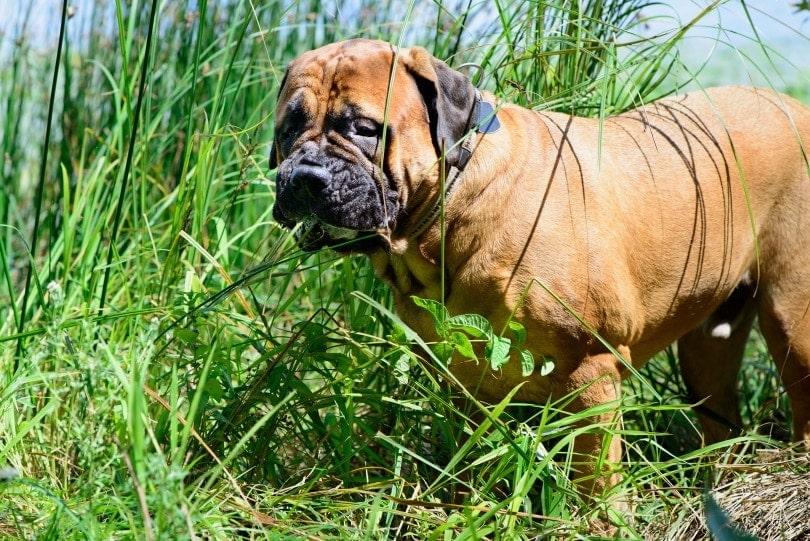
If your dog eats grass and doesn't appear to have an upset stomach, it's likely okay for them. However, you'll want to make sure the grass is safe. Has it been treated with fertilizers or pesticides that could make it dangerous for your dog to eat?
You should also be aware that your dog can ingest intestinal parasites by eating grass. You'll want to make sure it's on a good dewormer program. The good news is that most heartworm prevention products also deworm your dog for common intestinal parasites, including roundworms and hookworms, each month.
Some dogs eat copious amounts of grass, which can lead to an intestinal obstruction. You'll need to keep an eye on your dog and make sure that they're only getting little nibbles here or there. Eating too much of a non-food substance is called pica and can also lead to nutritional deficiencies.
Now, if your dog is vomiting after eating grass and it is becoming a regular occurrence, it needs a veterinary exam. Your vet can help get to the root cause and determine if your dog might have nutrient imbalances or other issues that could require treatment.

What Can You Do if Your Dog Eats Grass?
If your dog is eating grass, spend more time with them. Enrichment activities can significantly improve your dog's and your quality of life. Puzzle toys, scent work, and games can all help your dog's mental health. Spending more time together has also been linked to dogs eating less grass.
Work with your veterinarian to ensure your dog is eating a balanced diet for their life stage. A good rule of thumb is to feed an AAFCO-certified diet. Your veterinarian might suggest healthy snacks you could add to your dog's diet, such as green beans or blueberries. Adding food that's higher in fiber, such as pumpkin, may also help.
In addition to providing enrichment, puzzle toys and similar devices help extend mealtime. When it takes your dog longer to eat their meal, their body has more time to receive satiety signals that help them feel fuller.
Ensure your dog stays on a good deworming program and that the grass isn't treated with harmful chemicals.
If your dog has gastrointestinal signs associated with eating grass, train your dog to leave the grass alone. Your veterinarian might also prescribe medication to help settle your dog's stomach, including:
- Famotidine
- Omeprazole
- Sucralfate
Conclusion
It's nerve-wracking when our furry family members do things we can't explain, especially if it makes them sick. If your dog's eating grass and throwing up, talk to your veterinarian about potential causes and see if a change in diet or enrichment activities might help.
Sources
Featured Image Credit: Sarawut sriphakdee, Shutterstock
Get Hepper In Your Inbox


Pet care tips from our vets and experts, straight to your inbox.
You may opt-out at any time. View our Privacy Policy for more information.
Dr. Samantha Devine is a veterinarian who loves sharing her knowledge about animal species and their care with others. Whether it's a guinea pig question or a pressing matter about something your dog ate, Dr. Devine is always striving to provide clear and helpful answers.
Dr. Devine received her degree from the Virginia Maryland Regional College of Veterinary Medicine.
Dr. Devine has been practicing veterinary medicine for over 12 years and has spent a great deal of that time writing online to educate pet parents. She is particularly passionate about preventative care.
Join the conversation
Ask a question, share your story, or send private feedback.