Hepper is reader-supported. When you buy via links on our site, we may earn an affiliate commission at no cost to you. Learn more.
Is Jute Rope Safe for My Cats to Play With? Vet-Approved Safety Guide


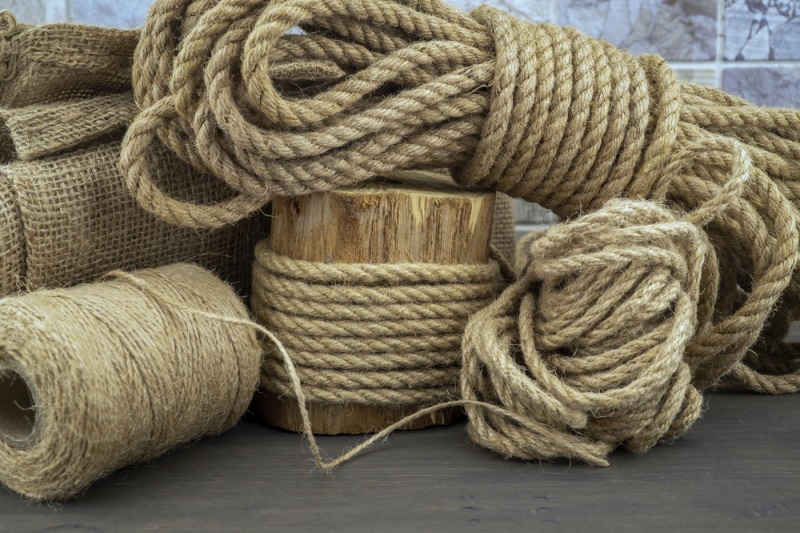
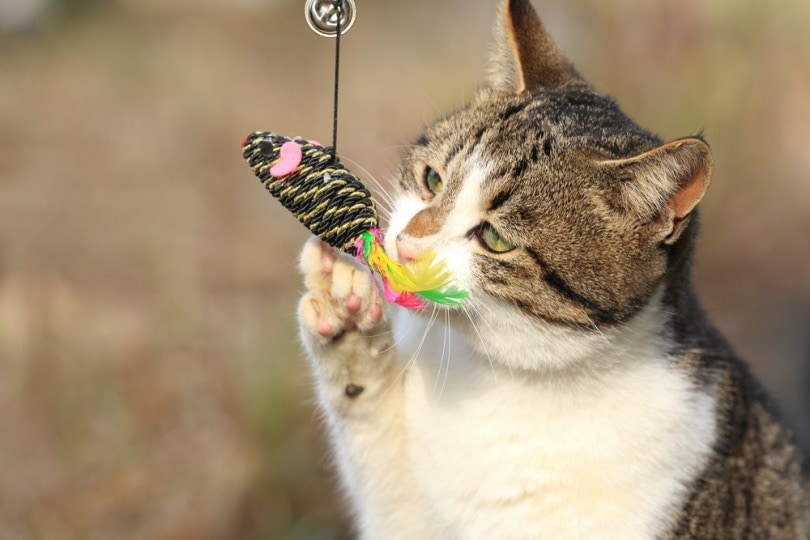
Jute rope is a fiber extracted from plants of the same name and woven together into strong threads. It is frequently used as a craft twine, but it can also be used to make cat toys. But is this natural material safe for felines? Jute is completely safe for cats to scratch, and jute toys are a good option for kitties that like this material, although your cat needs to be supervised while playing with them. However, it’s not recommended to offer your cat single strands of jute rope to play with since these can become a foreign body hazard with life-threatening consequences.
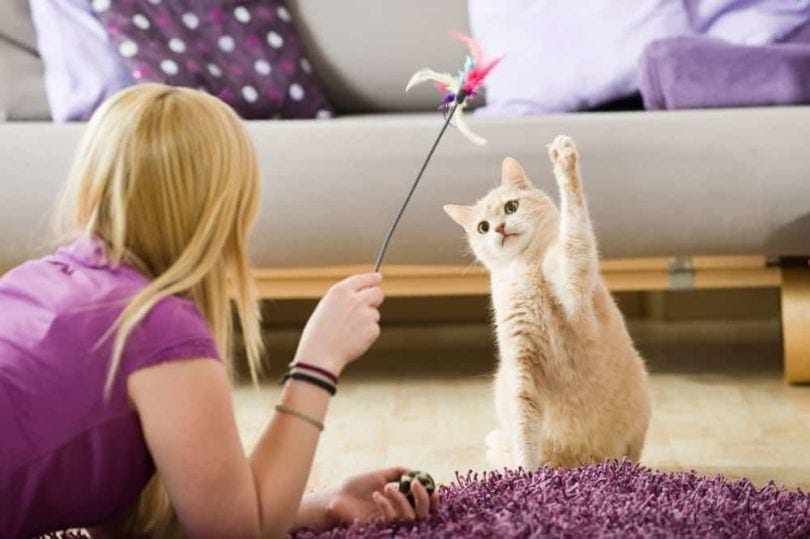
Most cats, especially mischievous kittens, have a hard time resisting a dangling rope or string, so you must watch your kitty while they're playing with jute rope to make sure they don't ingest any loose fibers. Moreover, it's always a good idea to regularly inspect your cat's toys for signs of wear and replace them if they're damaged or frayed, as they could pose a choking hazard to your cat.
You should also be aware that some cats may have sensitivities or allergies 1 to natural materials like jute or sisal, so if you notice any skin signs, like itchiness or redness, it's best to remove the toy and seek your vet's advice.
Here’s what you need to know about jute rope and how to keep your cat safe during playtime.

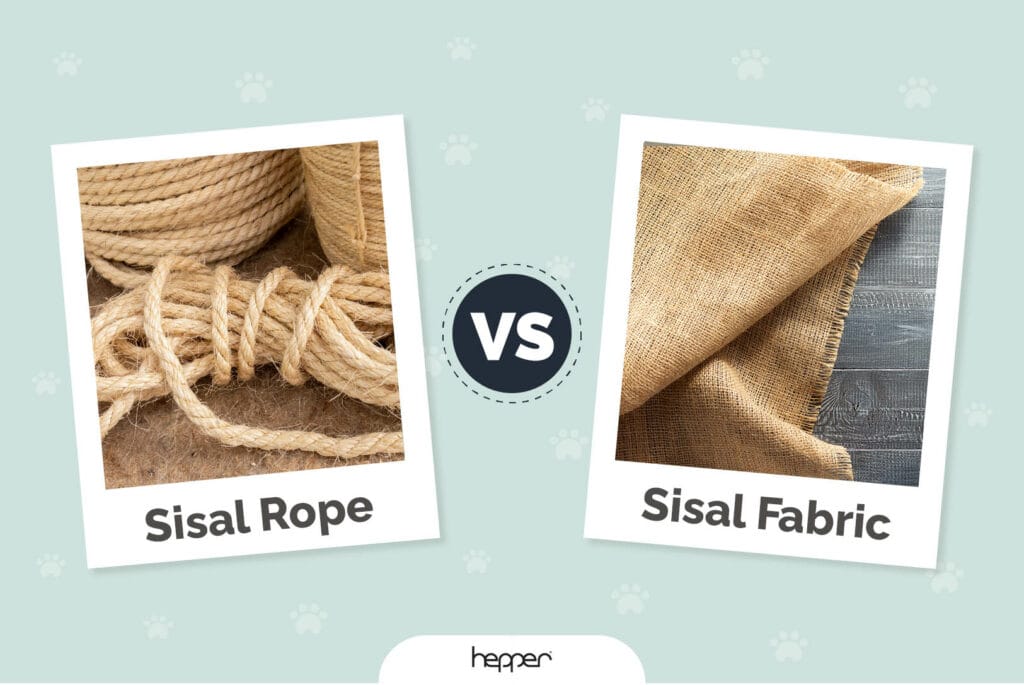
Is Jute Rope the Same as Sisal?
While both are eco-friendly materials and commonly used to make cat toys and scratching posts, there are a few key differences between the two:
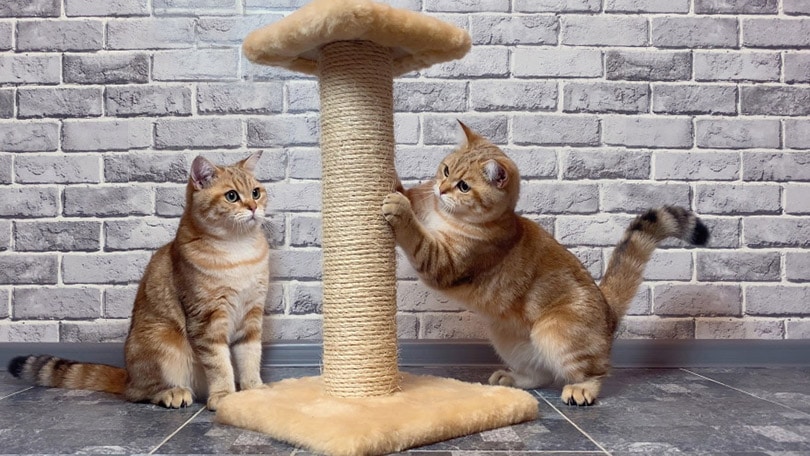
What Are the Potential Risks of Jute for Cats?
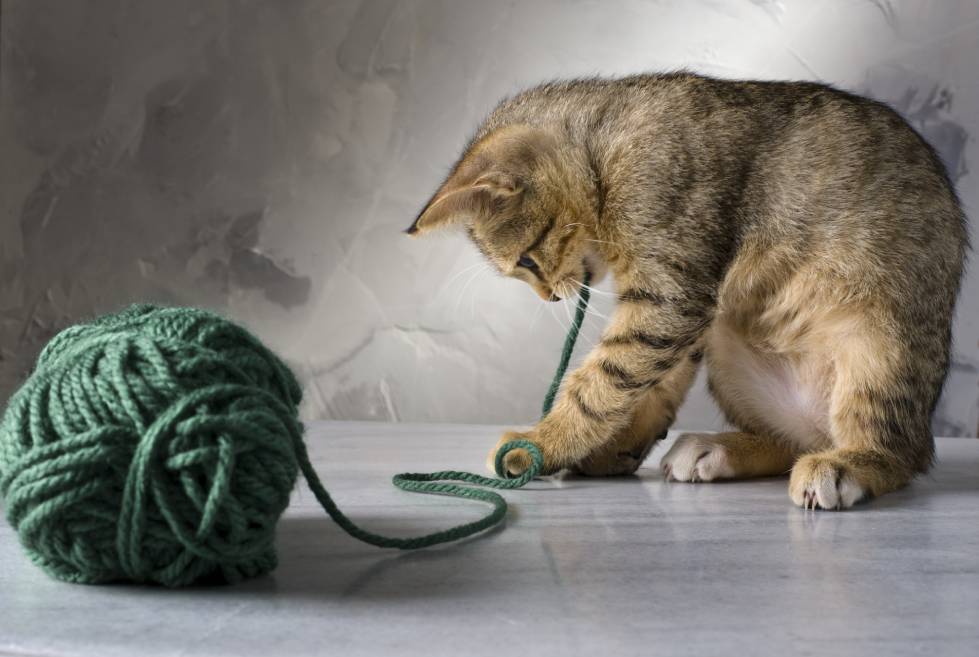
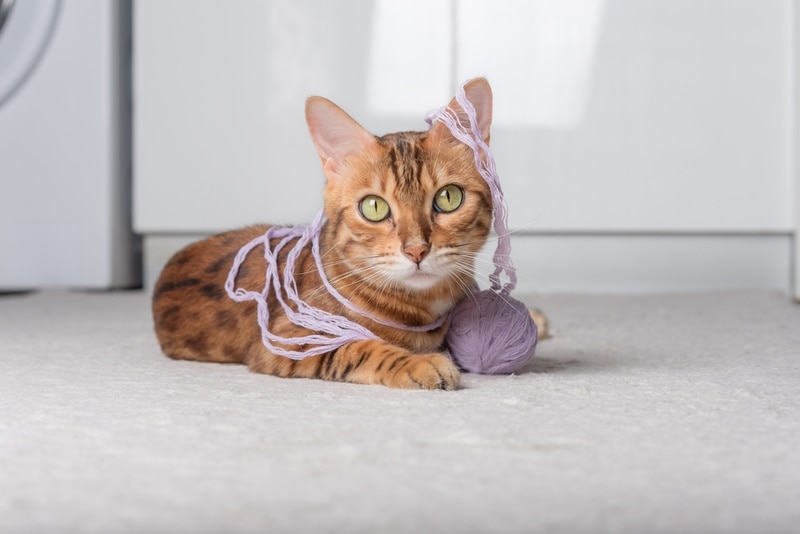
Yarn and twine are products made from jute fibers that can be hazardous to cats if ingested during play. These materials can lead to serious complications if they get wrapped around the intestines and become a linear foreign body. In this situation, your cat may show digestive issues like vomiting, drooling, diarrhea, nausea, loss of appetite, dehydration, abdominal pain, and even fever. When this occurs, prompt veterinary intervention is vital for your cat’s recovery.
Although jute rope is not as "thin" as yarn or twine, it can become damaged over time. Cats can play with the frayed bits and ingest them, which can lead to gastrointestinal issues. Also, any toy with a rope, regardless of the material, can be dangerous for kittens. Rope toys can quickly get wrapped around their neck or a limb, causing them to panic. Due to a kitten's small size, a few rolls or kicks can lead to strangulation or loss of blood flow to a limb.
However, these frightening situations can be avoided by constantly supervising your cat or kitten when they’re playing with rope toys and removing them when playtime is over.
What Else Should Cats Not Play With?
Many seemingly harmless objects found in a home can pose a potential danger to curious kittens:
Keep these items out of reach of your cats. If you suspect that your cat has ingested something that they shouldn't have or they are showing signs of distress or gastrointestinal issues (vomiting, diarrhea, refusal to eat, etc.), contact your veterinarian right away.
How Can You Make Sure Your Cat Is Safe During Playtime?
To keep your cat safe while they’re playing with their toys—whether they’re made of jute rope or not—you should take a few precautions:
These precautions may seem extreme for some cat owners, especially if their cat is old and spends most of their days curled up on the top shelf of the cat tree.
Still, it’s best to keep these tips in mind to be on the safe side, especially if you want to welcome a new kitten into your household at some point.
Here at Hepper, we love cardboard as a cat scratcher material. We love it so much that we have designed our very own beautiful, modern-looking, and excitingly functional Hi-Lo Cat Scratcher. Purposefully crafted for feline satisfaction from solid birch plywood with a non-toxic gloss coating, it ensures exceptional sturdiness, making it a long-lasting addition to your home.

- Premium Materials - Hepper's cardboard scratcher is made with dense, B-flute cardboard, and a metal core. Encased in a 1/2" plywood frame with gloss coating. Stable and beautiful, use after use
- High, Low and Lower - A single cat scratch pad won't keep your cat engaged. 3 unique positions keeps them coming back, and back, and back again. Finally, something to get them away from the couch!
- Activates Muscles - The Hi Lo isn't just a cat nail file to stop the chief cat couch scratcher. The deep cat scratcher wave encourages maximum musculoskeletal activation for a healthier workout
With three positions, dense B-flute cardboard, and replacement options for even the wildest of scratchers, this scratcher offers style, engagement, and durability in one standout piece. Click here to learn more about our Hepper Hi-Lo Scratcher.
Final Thoughts
So, should you get toys and scratching posts made of jute rope for your precious feline? As long as you carefully supervise your cat's playtime and check their toys regularly, there should be no problems with this material. But if you're looking for a sturdier scratching post to withstand your cat's multiple assaults, you might want to consider sisal instead.
Sources
Featured Image Credit by NetPix, Shutterstock
Get Hepper In Your Inbox


Pet care tips from our vets and experts, straight to your inbox.
You may opt-out at any time. View our Privacy Policy for more information.
Genevieve, a biologist and science writer, who harbors a profound affection for capuchin monkeys, pumas, and kangaroos. This passion has led her to travel extensively, volunteering and working at wildlife rehabilitation centers in Bolivia, Guatemala, Canada, and Australia. Now residing in Argentina as a Canadian expat, Genevieve enjoys the view of horses and cows greeting her from the vast plains outside her home office window. She proudly cares for three rescued dogs—Lemmy, Nala, and Pochi—and a playful kitten named Furiosa. Sharing her extensive knowledge and love for animals brings her immense joy and fulfillment.
Join the conversation
Ask a question, share your story, or send private feedback.