Hepper is reader-supported. When you buy via links on our site, we may earn an affiliate commission at no cost to you. Learn more.
Are Jade Plants Toxic to Cats? Vet-Verified Safety Facts


In this article
Jade plants are unique flowering succulent’s plants that are native to Southern Africa. Jade plants are popular all over the world and are well known for their hardiness. They are commonly grown as a houseplant because in addition to being hardy, these plants are also very easy to grow.
As cat owners, we know that some houseplants can pose a significant danger to our beloved pets. The bad news about this popular indoor plant is that they do not mix well with cats. In fact, Jade plants are highly toxic to cats. Let’s dive in and take a closer look at what jade plants can do to cats and how to keep them safe.

Identifying Jade Plants
Knowing how to properly identify plants is essential for cat owners. Not only do you want to be aware of the potential dangers within your home, but you should also be knowledgeable about any outdoor plants either in your yard or nearby, in case your cat ventures outdoors.
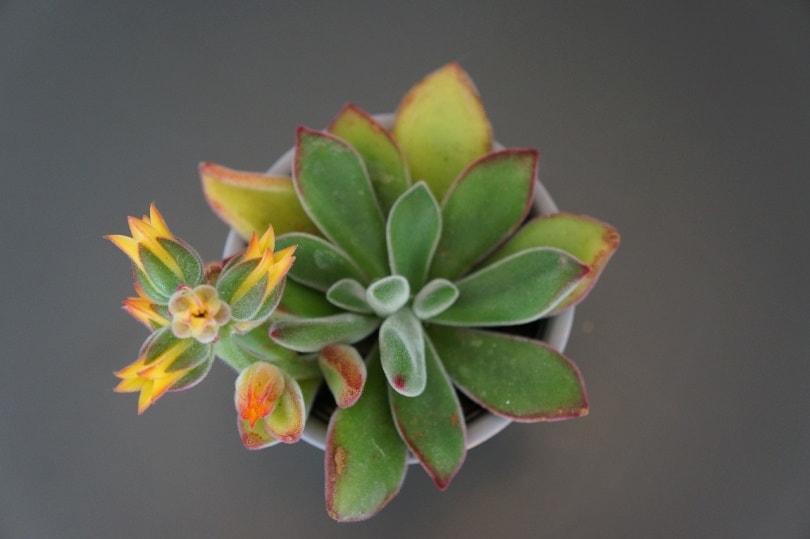
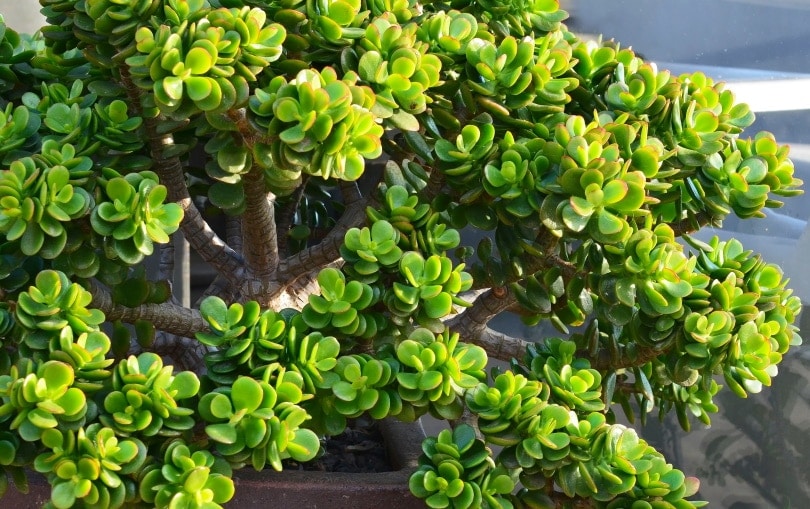
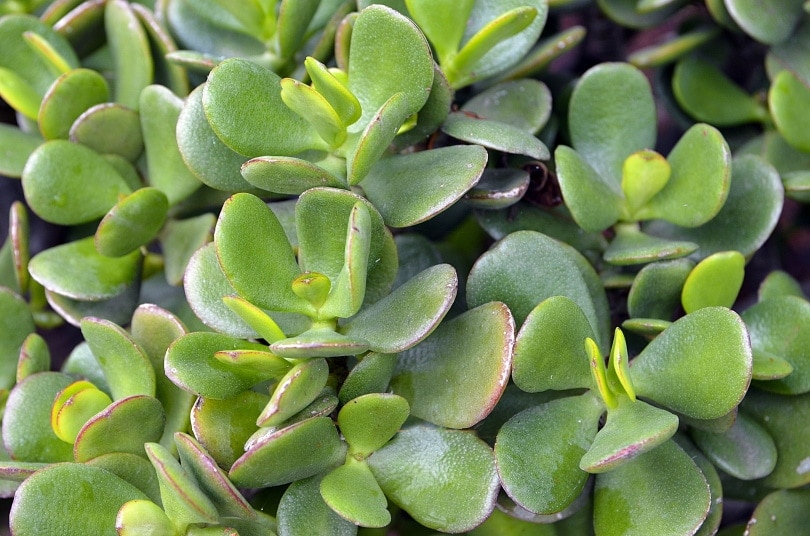
Jade plants have fleshy dark green rounded leaves that resemble rubber, and they tend to look like very small trees. The leaves may sometimes appear a blueish-gray color as well and may be edged in red depending on the specific species.
Jade plants will flower in the winter months, these unique flowers are star shaped and come in varying shades of white and pink. Jade plants are also commonly referred to as Baby Jade, the Japanese rubber plant, the Chinese rubber plant, and Jade trees.
Cats and Jade Plants
The actual cause of the toxicity in cats from the jade plant is still unknown. It is believed that all parts of the jade plant are toxic to cats, so if you think your cat has ingested any part of the plant, or another type of toxic plant for that matter, contact your veterinarian immediately.
Toxicity that has been observed in cats that have ingested jade is very serious and potentially fatal. Time is of the essence if your cat has consumed this plant and it should be treated as a medical emergency. Even if you are unsure as to whether your cat has gotten into a Jade plant, it’s best to call your veterinarian for guidance on how to move forward.
Treatment may vary depending on the quantity of the jade plant your cat has ingested as well as how quickly the poisoning was brought to the doctor’s attention. Never attempt to treat your cat at home, as lack of veterinary treatment will likely be fatal.
Signs of Jade Plant Poisoning in Cats
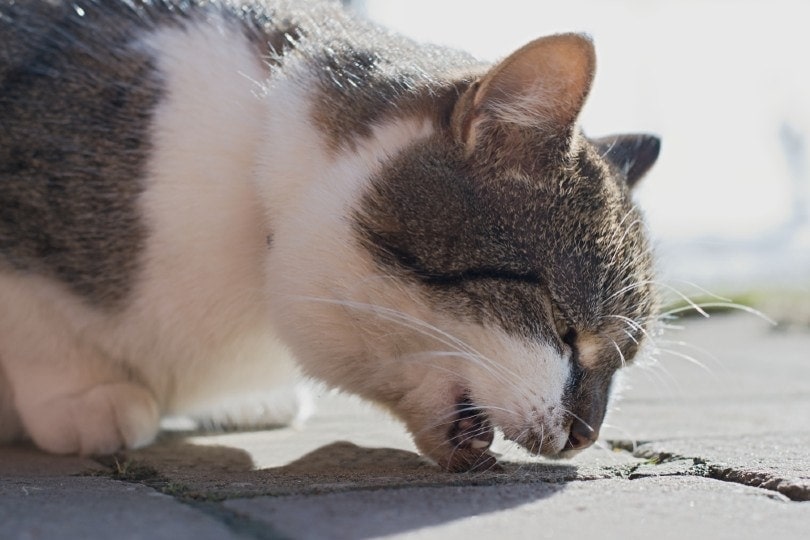
Symptoms of toxicity can begin quickly but due to cat’s tendency to hide away when they are feeling ill, it may go unnoticed at first. Remember, time is of the essence and the quickly your cat gets treatment the more likely they are to make a full recovery. The symptoms observed with jade plant toxicity include:
- Vomiting
- Depression
- Lack of grooming
- Incoordination and loss of muscle function
- Slowed heart rate
- Lethargy
- Weakness
- Excessive sleeping and/or hiding
- Increased aggression
The 7 Ways to Keep Your Cat Safe
Keeping your cat safe from toxic plants is the goal and prevention is key. Below are some tips on how to keep your cat safe in a home with plants.
1. Keep Plants Out of Reach
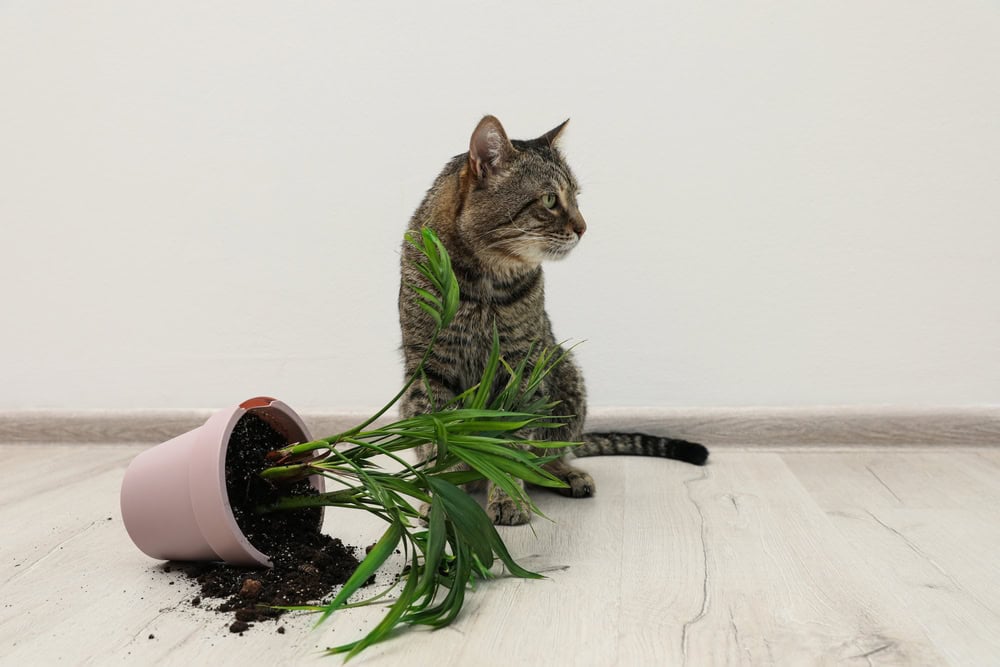
If you plan on keeping plants in your home that have toxic effects on cats, you will at least want to keep them well out of reach from your kitty. Your cat will be tempted to mess around with your plants but if you get creative enough, you can keep them on display while keeping them untouched. This can be risky if you are displaying highly toxic plants, as you never know how determined or crafty your cat can be. There are many pots and displays that are easy to hang and keep up and out of the way.
2. Try a Spray Bottle
Try using a spray bottle of water and give them a quick spray each time they approach household plants. This may not work for all cats, but it is worth a try. The downside is that you will not always be available to use this trick on your cat. There are also motion-activated deterrent sprays that can be helpful.
3. Try Cat Grass or Catnip
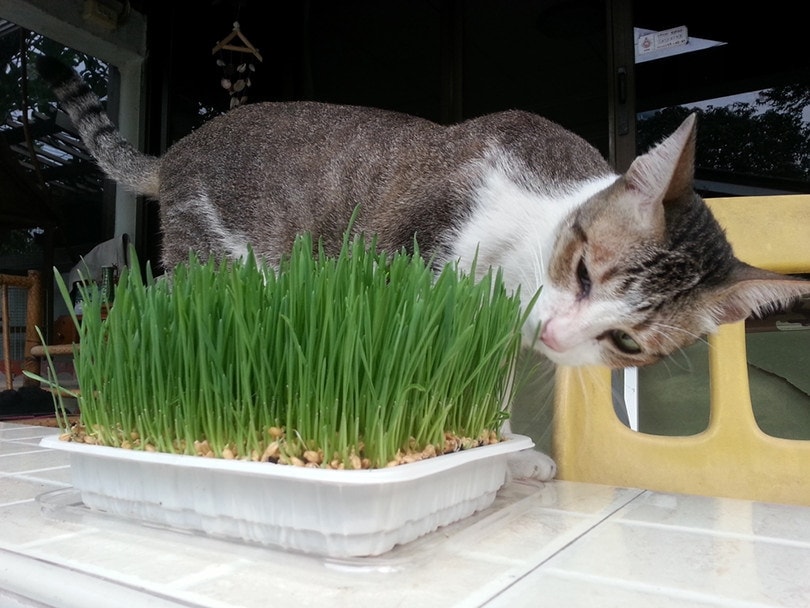
Provide your cat with a flower pot filled with cat grass or catnip in an easily accessible area. Having these Cat grass and catnip are entirely different, but both are extremely safe for cats and make a great alternative for other plants.
4. Trim Your Plants Regularly
Make sure you keep your plants timed to prevent your cat from being enticed by the long leave. Also, ensure that you keep any fallen leaves picked up off the floor.
5. Create a Plant Room
If you have a spare room or area in your home for this purpose, you can opt to create your own plant room that is solely dedicated to live houseplants. Having a plant room is a great way to keep your cat from getting into your houseplants, while ensuring they are safe from your cat as well.
6. Choose Fake Plants Instead
If you like to decorate with plants but are concerned about the toxicity of live houseplants, you can choose to fill your home with fake plants. Nowadays, fake plants are nearly indistinguishable from live plants, and you do not need a green thumb either!
7. Avoid Toxic Plants
The best way to ensure your cat is safe from any plant toxicity is getting rid of the toxic plant and avoiding bringing any toxic varieties into the home in the future. If you let your cat outdoors, identify the plants in neighboring yards, and if jade plants are among them, consider installing a fence or monitoring your cat when it is outside.
Other Common Houseplants That are Toxic to Cats
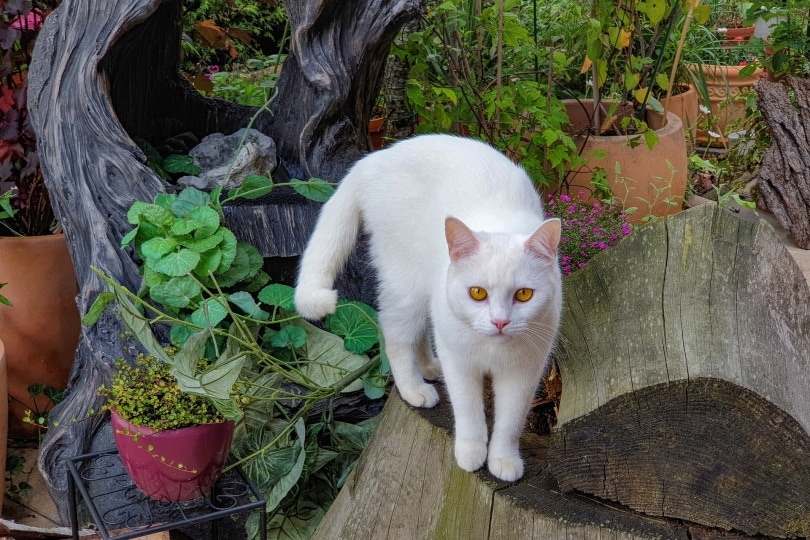
Jade plants are not the only plant toxic to cats, there are many other common houseplants that have varying levels of toxicity that can affect your cat. Not all plants will result in the same reactions either. Keep in mind this is not a complete list, but simply a few other common houseplants that do not mix well with kitties.
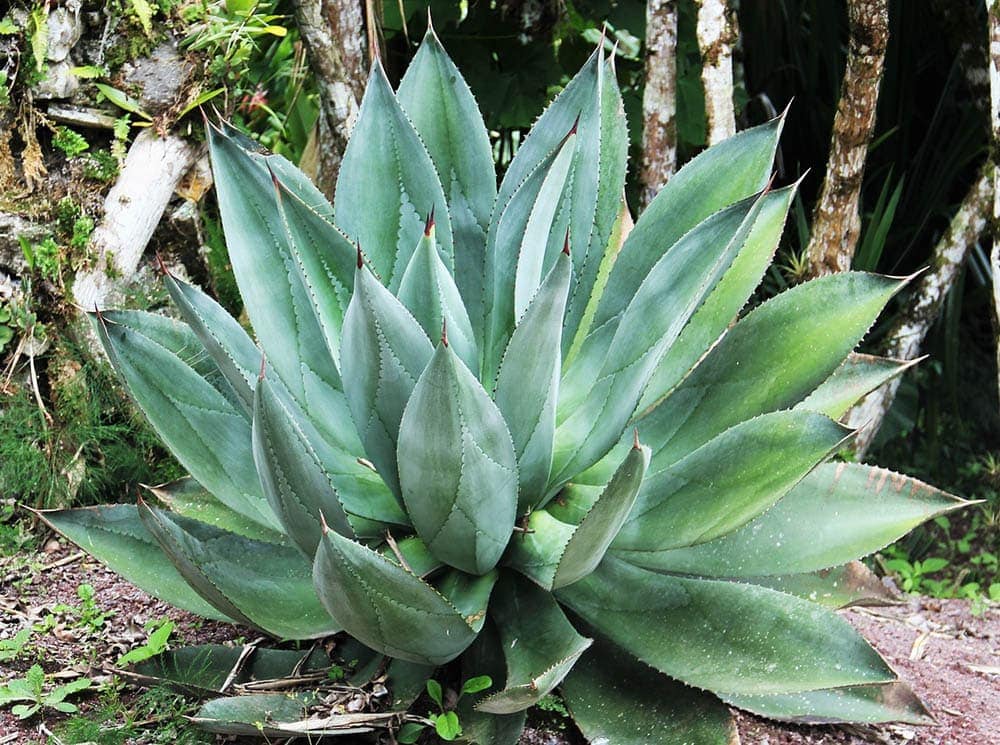
- Aloe Vera
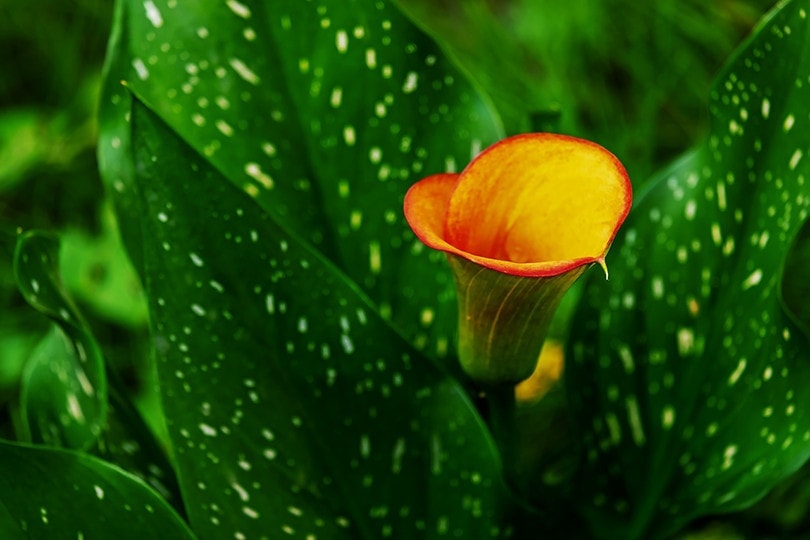
- Lilies
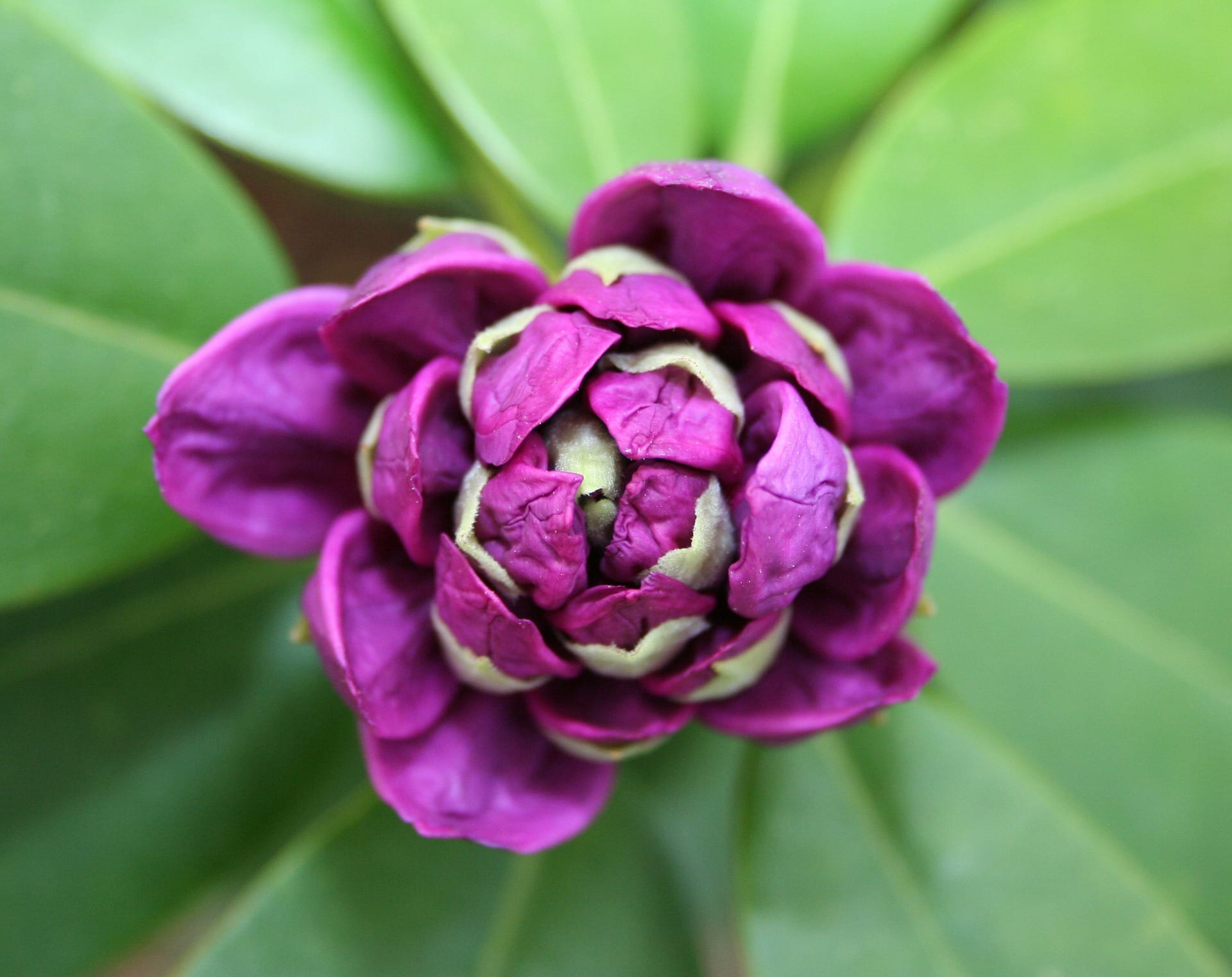
- Azaleas
- Rhododendrons
- Monstera Deliciosa
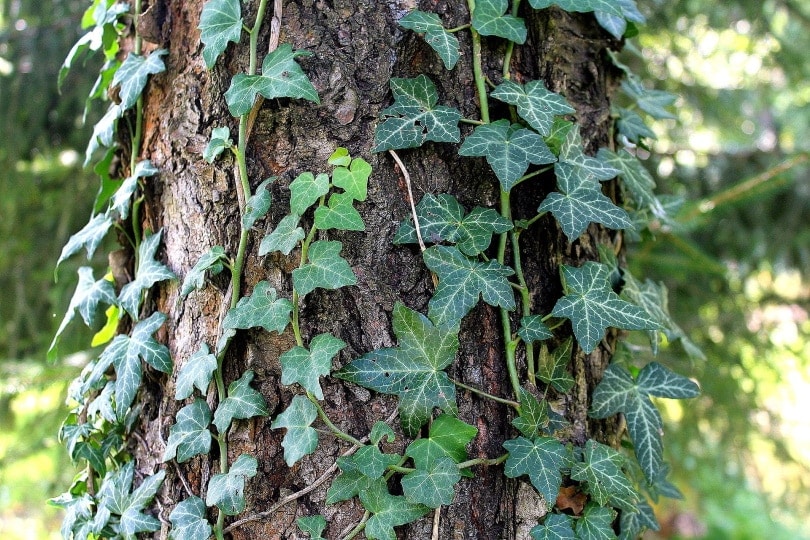
- English Ivy
- Pothos
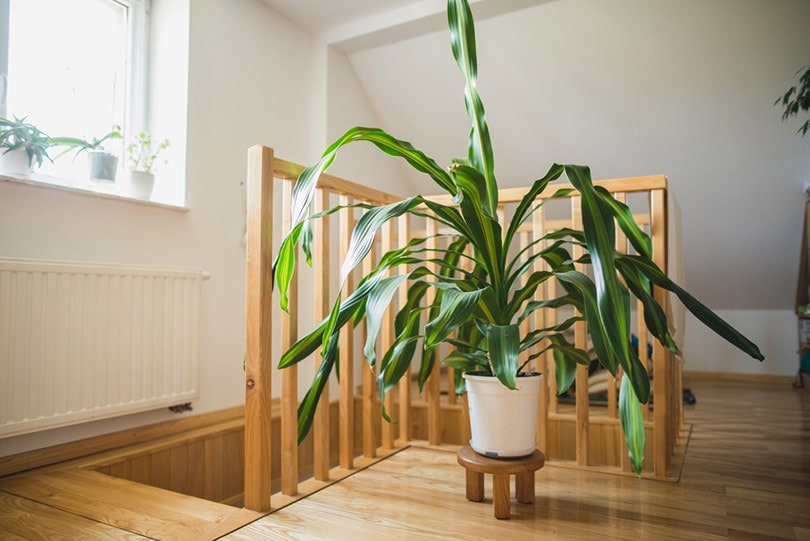
- Dumb Cane
- Sago Palm

Conclusion
While Jade plants are unique, beautiful, easy to grow and hardy houseplants, they are highly toxic and potentially fatal to cats. The best way to keep your cat safe from plant toxicity is to be aware of the different types of plants that pose a threat to their health and take action to prevent your cat from coming into contact with these plants.
If you suspect your cat has ingested a houseplant that is known to be toxic or is potentially toxic, you need to contact your veterinarian or a pet poison helpline for assistance.
See Also:
Featured Image Credit: svf74, Shutterstock
Get Hepper In Your Inbox


Pet care tips from our vets and experts, straight to your inbox.
You may opt-out at any time. View our Privacy Policy for more information.
Nicole is a lover of animals of all sizes but is especially fascinated with the feline variety. She’s the proud mom of Baby, a Burmese, and works every day so he can relax in the sunshine or by the fire. She’s always had a cat in her home and has spent countless days with others, observing behaviors and softening up even the grouchiest of the lot. Nicole wants to share her kitty expertise with you so you and your cat can live happy, healthy, and care-free.
Join the conversation
Ask a question, share your story, or send private feedback.