Hepper is reader-supported. When you buy via links on our site, we may earn an affiliate commission at no cost to you. Learn more.
Kangal vs Great Dane: The Key Differences (With Pictures)

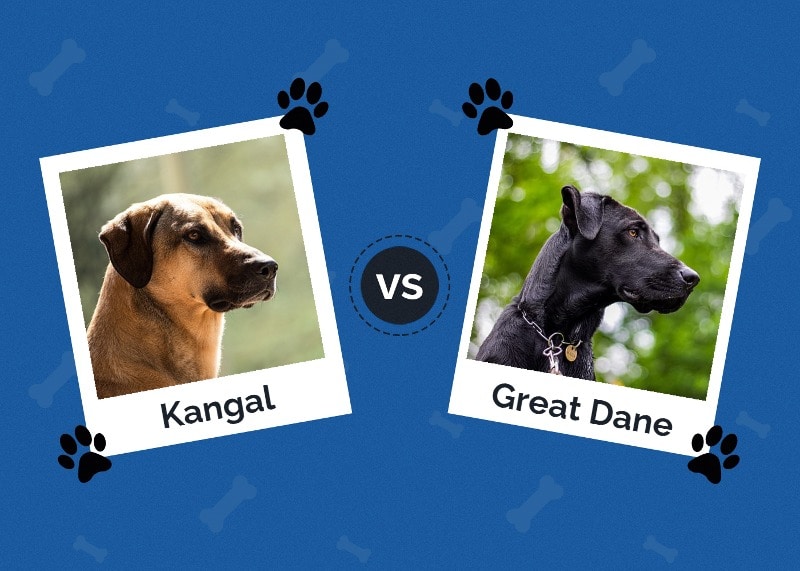
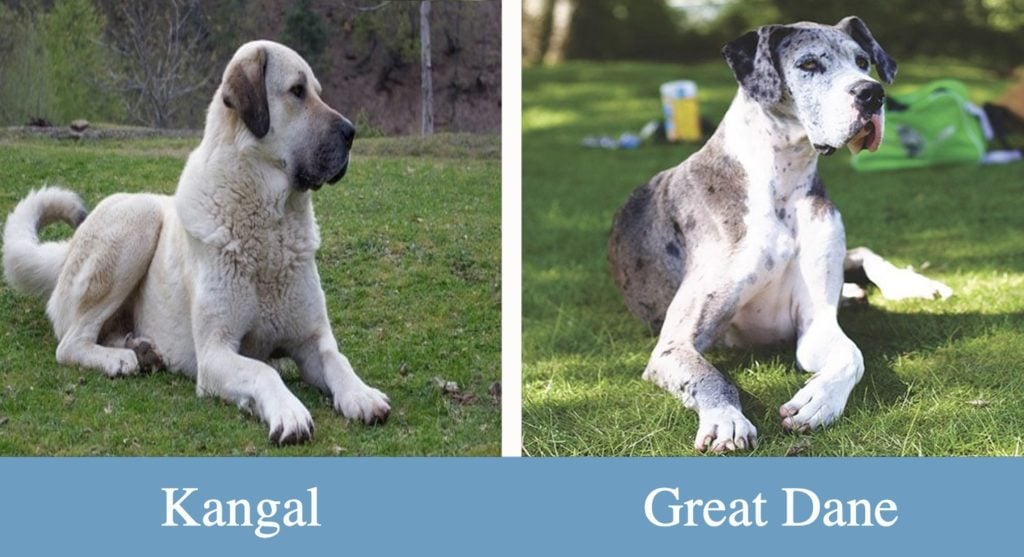
Kangals and Great Danes are giant dog breeds that start off as adorable puppies and quickly grow into ginormous dogs. While both breeds were originally bred for hunting and working purposes, they developed differing temperaments over the years. So, they’re suitable for very different types of people.
Caring for a giant dog breed comes with a set of special challenges due to their sheer size. So, anyone interested in caring for one must be aware and prepared to make some lifestyle changes to accommodate their needs. Our breakdown of each breed compares their similarities and differences and will help you determine if they’re the right dog for you.

Visual Differences
At a Glance

Kangal Overview
Personality / Character
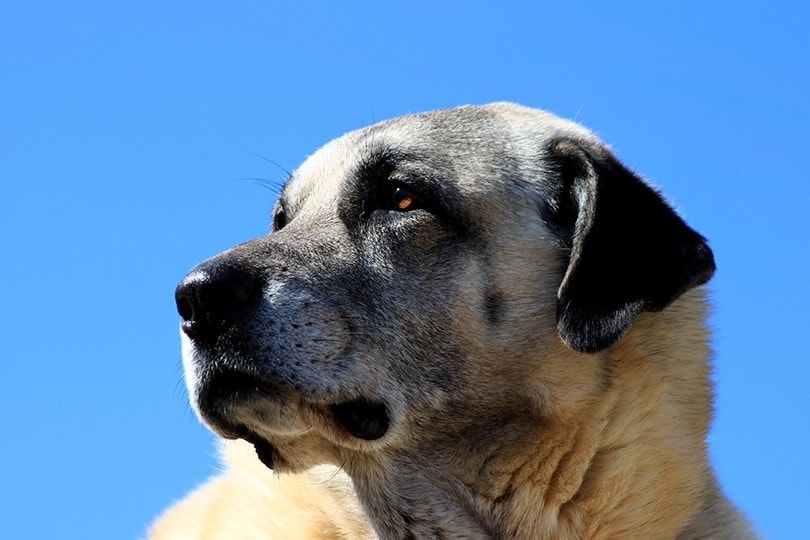
Kangals are smart and intelligent dogs that often grow to become loyal and devoted to their families. While they can be patient with children, these dogs aren’t recommended for homes with young children because they can easily knock children over due to their large size.
This dog breed is also known to be independent and isn’t overly affectionate. While they form strong bonds with their owners, they aren’t the type to follow them like shadows, and they don’t develop separation anxiety very easily.
Kangals aren’t aggressive and don’t have a strong prey drive, but they’re known to have more reserved personalities. They may act a little aloof towards strangers and often prefer just being with their families.
Training
Kangals will require firm and consistent training. They’re smart working dogs and thrive on having a job and working independently. So, they’re quick learners but can act stubborn, especially if they haven’t developed trust and respect for their owners. Kangals aren’t recommended for first-time owners or people who can’t invest in obedience training.
Along with obedience training, Kangal puppies benefit immensely from early socialization. They aren’t the most social breed and can get protective, so they must learn how to act around other dogs. Your Kangal doesn’t have to become best friends with every dog it meets, but it shouldn’t act aggressively when it’s with other dogs. Aggressive behaviors can quickly lead to serious accidents, especially because of the Kangal’s size and strength. Kangals may be able to live with smaller animals, but they tend to prefer being the only pets in the house.
Exercise
Kangals aren’t necessarily considered high-energy dogs because they aren’t built for speed and agility. Instead, these dogs have a lot of endurance and stamina and were bred to work long hours. So, Kangal puppies may have a lot of energy, but they usually calm down when they reach adulthood.
Rather than expending their energy with fast-paced games of fetch, Kangals will prefer opportunities to roam and explore off-leash. Kangals need a lot of space, and apartments aren’t big enough for them. They’ll need a fenced yard with high fences to keep them from escaping. They’ll also enjoy walks around the neighborhood and usually require at least an hour of exercise a day.
Health & Care
Kangals are generally healthy dogs, but they can face some common issues found amongst giant dog breeds as they age. They may develop joint issues, like hip dysplasia, later down the road. Some Kangals may be sensitive to anesthesia, so it’s important for owners to consult their veterinarians to determine options that are safest for their Kangals.
Kangals shed minimally except when it’s shedding season, which occurs twice a year. Kangals should be brushed about once a week to maintain a healthy skin and coat. Increasing the frequency of brushing during the shedding season can help maintain shedding and reduce the amount of hair on clothes and furniture.
Suitable for:
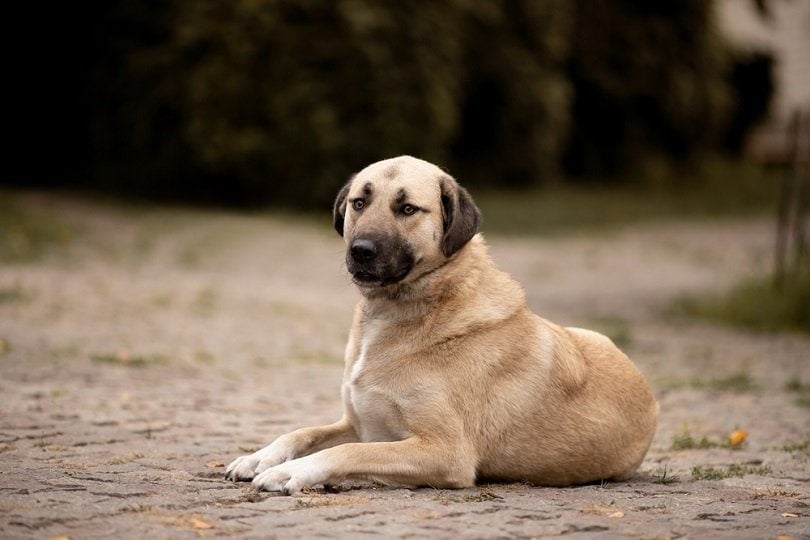
Kangals are best suited for experienced dog owners. They’ll thrive in suburban or rural life, where they’ll have plenty of space to run around. They’re usually good with children, but they’ll have to learn how to interact and play gently with them. Kangals are also loyal and protective, but it’s unfair to expect them to show a lot of affection.
Great Dane Overview
Personality / Character
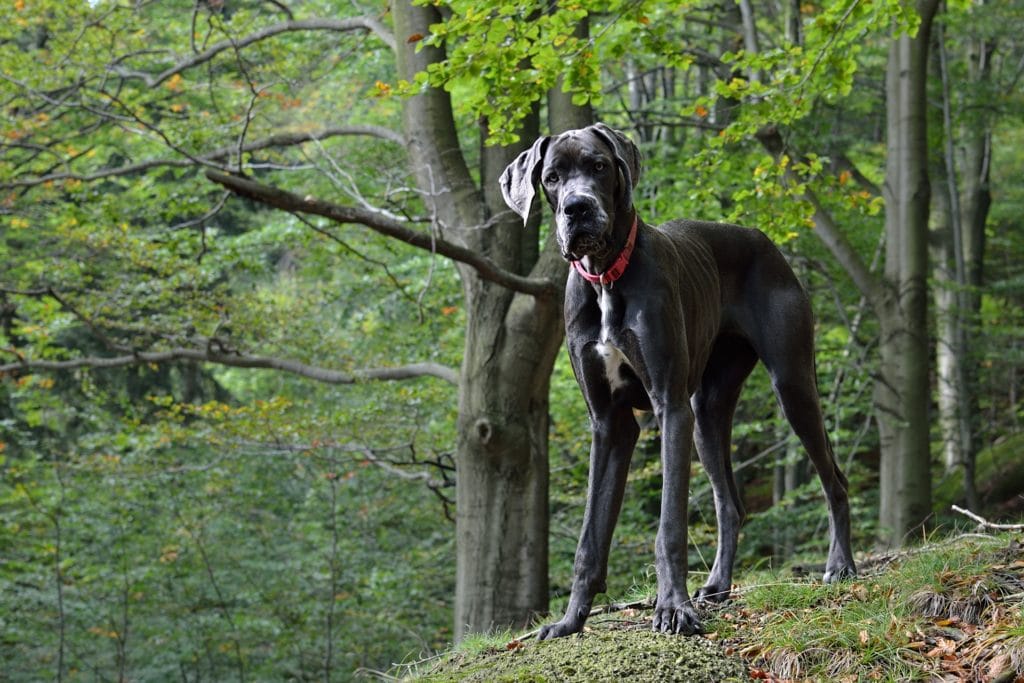
While Great Danes were originally bred as hunting dogs, their prey drive was bred out over the years. So, the modern-day Great Dane acts quite differently from its ancestors. Great Danes are now gentle giants that prefer nothing more than to spend time with their families, and they’re also known to be very gentle and patient with children. Great Danes have friendly personalities and can get along with dogs and other pets. They’ll also happily greet strangers.
Training
In contrast to the Kangal, the Great Dane is eager to please and relatively easy to train. They can catch onto obedience training pretty quickly and aren’t known to be mischievous. As with any giant breed, much of your training will focus on keeping your Great Dane off of kitchen counters and snooping around cabinets. They aren’t known to be jumpy, but it’s important for puppies to learn not to jump on people. It may be cute when they’re little, but as adults, these dogs can surpass 7 feet when they stand on their hind legs. So, they can easily knock people over, reach cupboards, and eat food off tables.
Exercise
Similar to Kangals, Great Danes aren’t built for speed and agility. They’re quite mellow, especially as they grow older, and don’t require high-intensity exercise. They can usually get by with about 45 minutes of exercise every day and are happy to go on walks or run around in a dog park.
Great Danes can get by with living in an apartment, but they must be able to go outside and stretch their legs every day. Due to their large size, these dogs do best in single-family homes and bigger houses.
Health & Care
Great Danes are fairly healthy, but as with most giant breeds, they have relatively short lifespans. Great Danes aren’t predisposed to many health conditions but can develop joint pain and hip dysplasia when they age. It’s also extremely important to never let children sit or ride on Great Danes. This can greatly damage their joints as they’re not load-bearing animals.
Owners also have to be mindful of bloat. It’s important to prevent Great Danes from exercising or drinking too much water right after they eat, as these activities can put them at risk of bloat.
Great Danes require minimal grooming. They shed moderately throughout the year, but it’s fairly manageable if you brush their coats about once or twice a week. Great Danes can have either cropped or uncropped ears, and the ones with uncropped ears are more susceptible to ear infections because they can trap more moisture. So, clean their ears every week or every other week with an ear cleanser to keep their ears dry.
Suitable for:
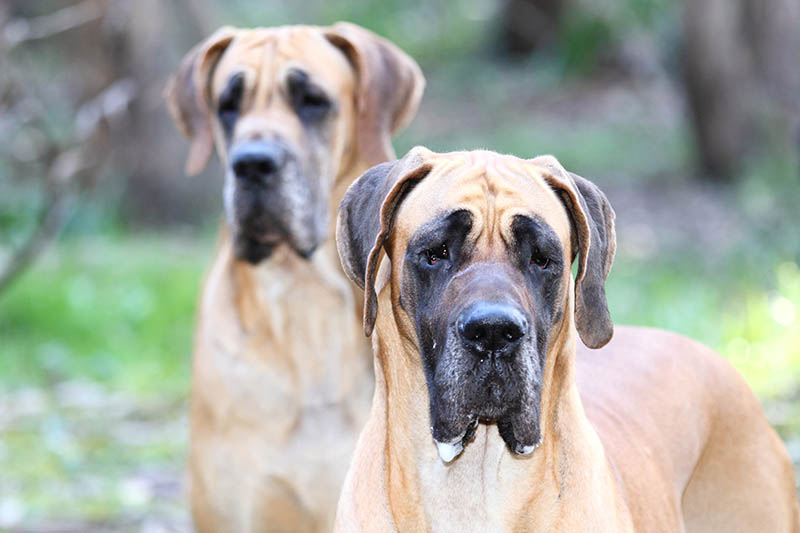
Great Danes are great family dogs that enjoy being around people. They don’t do well being left alone for long hours. Although they have easygoing personalities, they’re not recommended for first-time dog owners because bringing one home requires making some significant lifestyle changes. For example, you’ll have to dog-proof your entire house and increase your pet care budget due to the amount of food these dogs can eat. Dog owners with more experience understanding dog behavior and caring for them are better suited for Great Danes.
Which Breed Is Right for You?
The Kangal and Great Dane do best with experienced dog owners who are willing to invest the time and money required to raise and train a giant dog breed. Both breeds are very loyal and make good family dogs.
Kangals require more training and are more independent. So, they can be left alone for longer hours than Great Danes. Great Danes enjoy human company and can feel distressed if they’re home alone for too long.
So, if you’re looking for a brave and hardworking companion, the Kangal could be a great fit for you. The Great Dane would be a better fit if you’re looking for an affectionate family dog that enjoys spending time with people.
Related Reads:
Featured Image Credit: Left: Ria Sopala, Pixabay, Right: Pikrepo
Get Hepper In Your Inbox


Pet care tips from our vets and experts, straight to your inbox.
You may opt-out at any time. View our Privacy Policy for more information.
Jessica is a freelance writer who spends most of her day reading and writing while her fluffy Cavapoo, Nora, naps beside her. She loves and appreciates pets and animals because there’s so much to learn from them, and they do so much for people. As a dog mom, she understands the special relationship that pet parents have with their pets. So, she loves sharing helpful information that people can use to better understand their pets. When she’s not writing, you can find her walking dogs, tending to her plant babies, or drinking her nth cup of coffee.
Join the conversation
Ask a question, share your story, or send private feedback.