Hepper is reader-supported. When you buy via links on our site, we may earn an affiliate commission at no cost to you. Learn more.
How to Keep Dogs From Digging Under a Fence: 6 Helpful Ways
In this article
What do you do when your beloved pet is constantly digging under the fence, putting themselves in danger and causing damage to your property? While it's a common issue for dog owners, it can be pretty frustrating and even stressful to deal with. Fortunately, there are several effective methods to stop your dog from digging under the fence. So, let's explore some proven strategies that'll help you keep your canine buddy safely within the confines of your yard – and your yard hole free. Whether you have a new puppy or an older dog that just can't resist the urge to dig, these techniques are sure to put an end to the problem once and for all. So, let's get started and fence in your furry friend for good!

Why Do Dogs Dig Under Fences?
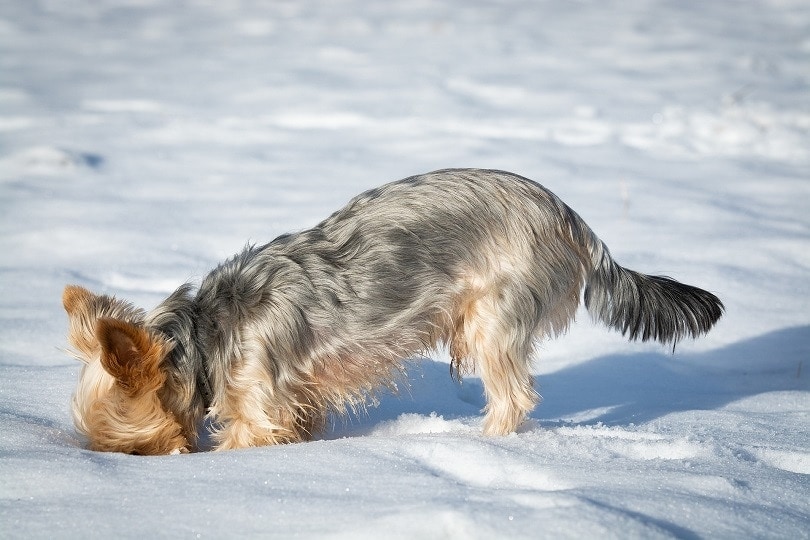
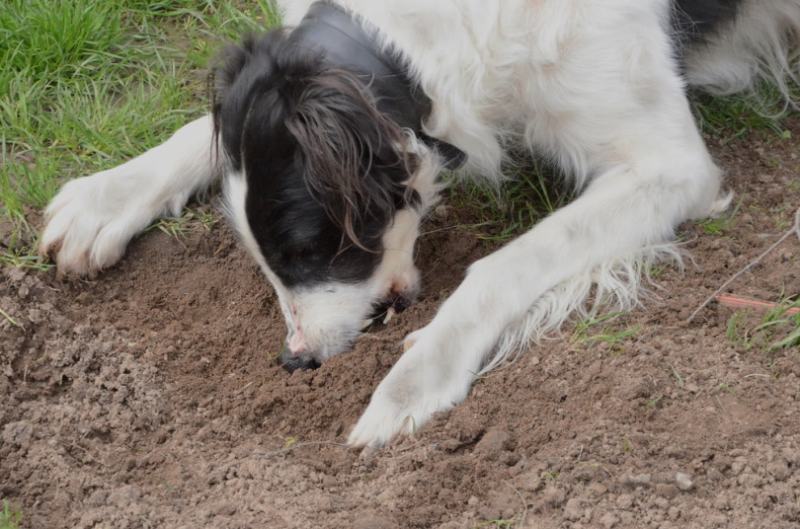
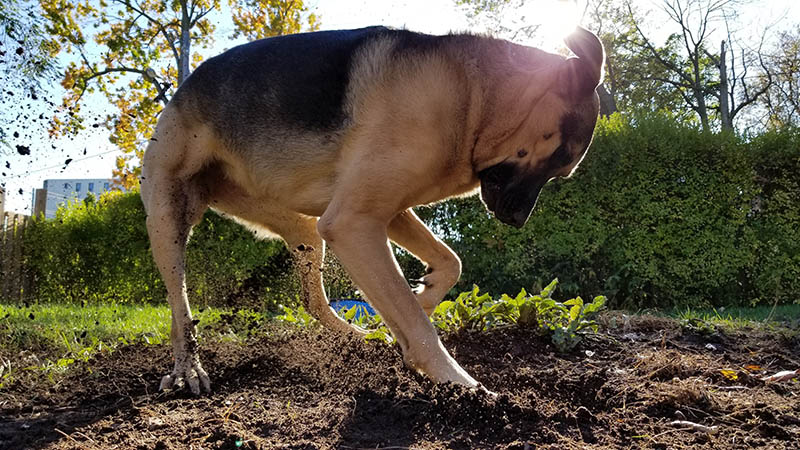
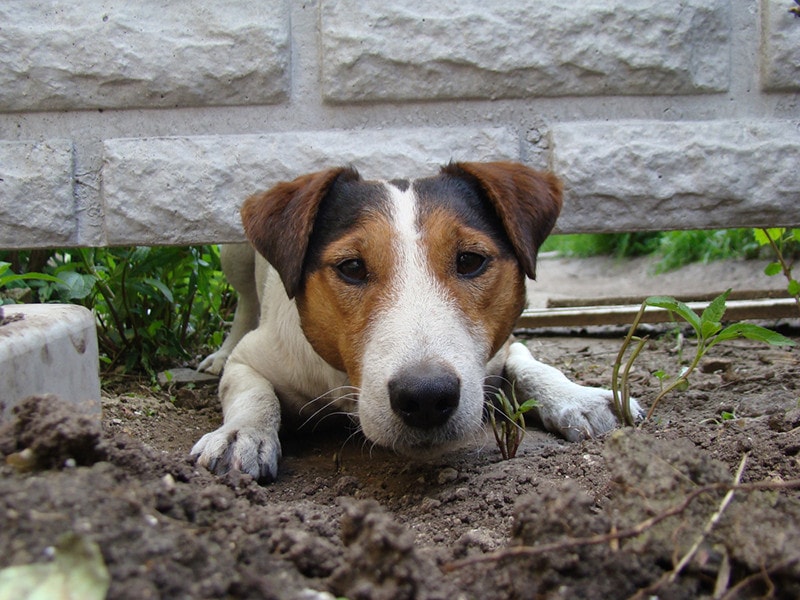
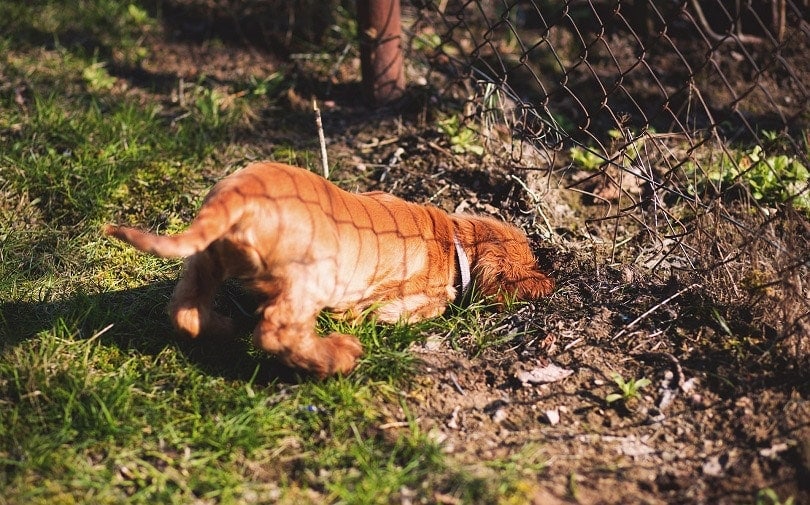
Dogs are natural diggers, and it's not uncommon for them to dig under fences in an attempt to explore or escape. However, there are several reasons why your dog might be digging under the fence. One of the most common reasons is boredom. Dogs that are left alone for long periods of time without any stimulation or exercise are more likely to dig. Additionally, some dogs may dig if they are anxious or stressed. Understanding why your dog is digging is the first step in preventing the behavior.
Another reason why dogs dig under fences is because they're searching for something. For example, dogs may dig under fences to find food, water, or shelter. Additionally, some dogs may dig under fences to escape from perceived danger. In order to prevent your dog from digging under the fence, it's important to identify the reason why they are digging.
And then some dogs may dig under fences simply because it's fun – at least to them it is. Dogs that are left alone in the yard with nothing to do may turn to digging as a form of entertainment. Understanding your dog's motivation for digging is key to finding a solution that works.
The 6 Ways for Keeping Dogs from Digging Under a Fence
1. Use Exercise and Stimulation
One of the best ways to prevent your dog from digging under the fence is to simply make sure they're getting enough exercise and stimulation. Dogs that are left alone in the yard for long periods of time with nothing to do are more likely to dig out of boredom. By providing your dog with plenty of exercise and stimulation, you can help to prevent this annoying behavior.
One way to provide exercise and stimulation is to take your dog for daily walks. Dogs that are walked regularly are less likely to dig and more likely to be well-behaved overall. Also, you can provide your dog with toys and games that will keep them occupied while you are away. Things like puzzle toys, chew toys, and interactive toys are all great options.
Finally, make sure your dog has access to fresh food, water, and comfortable shelter while they're out in the yard. If your dog is digging because they are searching for these things, providing them with easy access can help to get rid of the digging.
2. Provide an Alternative Digging Area
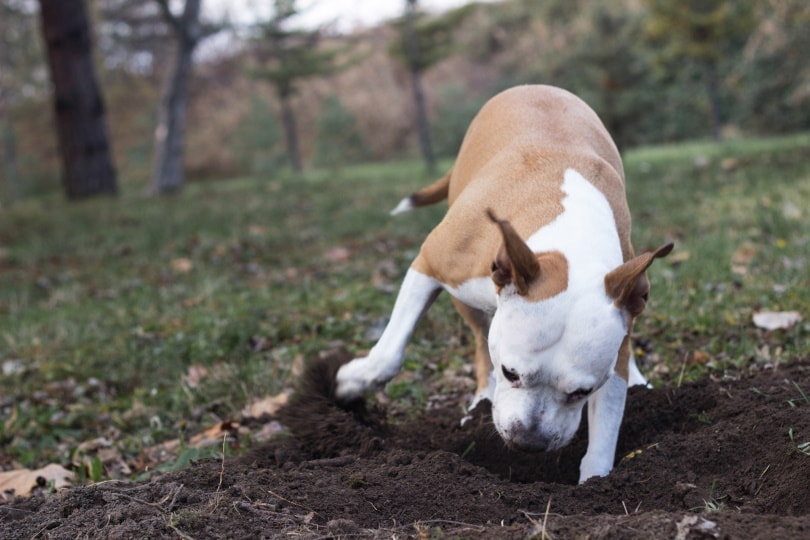
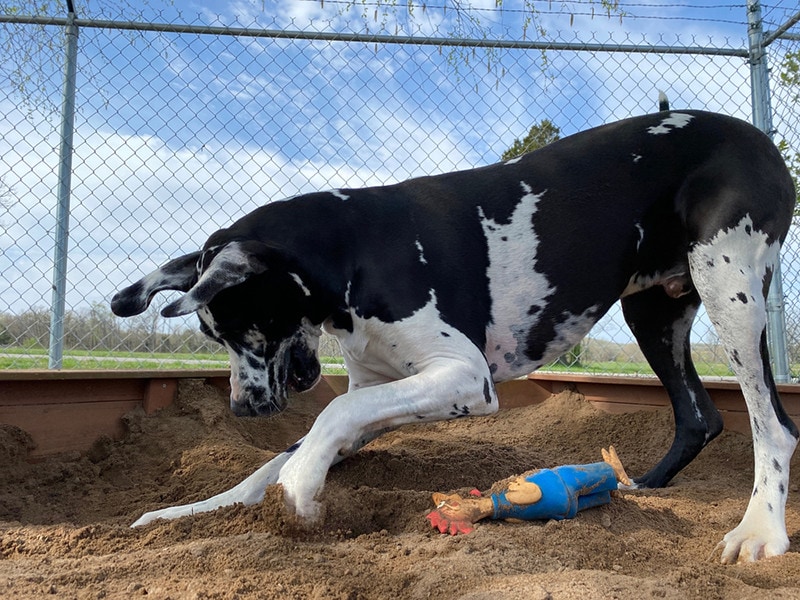
Another effective way to prevent your dog from digging under the fence is to provide them with an alternative digging area. Dogs that love to dig will be more likely to use a designated area, if it's available. To create a digging space, simply designate a small section of your yard where your dog is allowed to dig. You can fill the area with sand or dirt to make it more appealing to your dog.
And when your pup starts to dig in other areas of the yard, redirect them to the designated digging area. By consistently redirecting your dog to the appropriate area, you can help to break the habit of digging under the fence. Boom, problem solved.
3. Reinforce the Fence with Barriers and Deterrents
Another effective method is to actually reinforce the fence itself. There are several different barriers and deterrents you can use to keep your dog from digging.
One option is to bury some chicken wire along the perimeter of the fence. This will make it more difficult for your dog to dig underneath. Also, you can install a barrier like a concrete footing or solid landscaping timber along the bottom of the fence to prevent digging.
And you can always use deterrents like cayenne pepper or vinegar. These everyday household items can be sprinkled around the perimeter of the fence to deter your dog from digging. However, you should know that some dogs may be attracted to these substances, so it's best to test them out first.
4. Use Positive Reinforcement Training to Discourage Digging
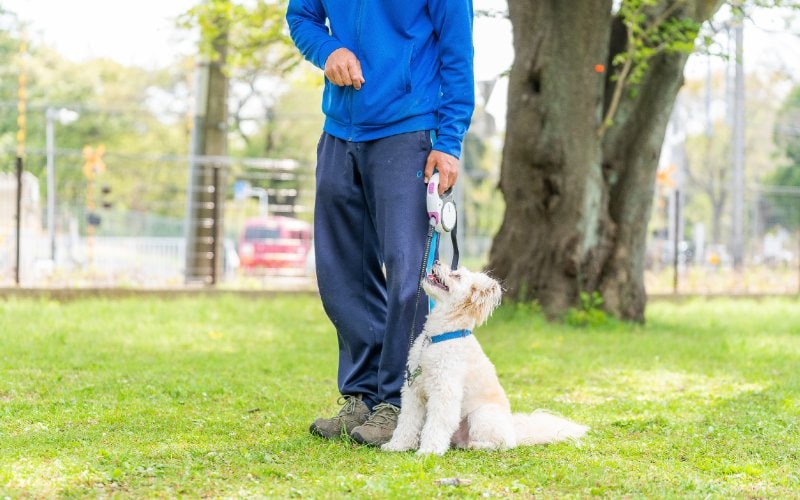
Positive reinforcement training can also discourage digging. When your dog starts to dig, you can use a verbal cue like "no digging" or "leave it". And when your dog stops digging, reward them with a treat or praise. By consistently rewarding your dog for good behavior, you can help to reinforce positive habits.
Remember that punishment-based training isn't effective and can actually make the behavior worse. Instead, just focus on positive reinforcement and redirecting your dog to appropriate behaviors.
5. Address Any Underlying Behavioral Issues
If your dog is digging under the fence due to anxiety or stress, you'll need to first nail down and address the underlying behavioral issues. For example, if your dog is anxious when left alone, you may need to work on separation anxiety training. Additionally, if your dog is stressed due to external factors such as loud noises or new people in the neighborhood, you may need to work on desensitization training.
Working with a professional dog trainer or behaviorist can be helpful in addressing these issues. They can help you identify the underlying cause of the behavior and develop a plan to address it.
6. Consult with a Professional Dog Trainer
If you've tried several different strategies to prevent digging and nothing seems to be working, it may be time to consult with a professional dog trainer. A trainer can provide personalized advice and guidance based on your dog's specific needs. They can also help you develop a training plan that will effectively curb the behavior.
Other Strange Dog Behaviors
1. Why Do Dogs Tilt Their Heads?
There are a few reasons why dogs tilt their heads. One is that it helps them to see and hear better. By tilting their head, dogs can adjust the position of their ears, which allows them to pinpoint the source of a sound more accurately. It also helps them to see things from a different angle, which can be useful when trying to understand a new object or situation.
Another reason dogs tilt their heads is that it's a natural response to human speech. As you may already know, canines are incredibly social animals, and they have evolved to be highly attuned to human emotions and behavior. So, when we speak to our dogs, they pick up on our tone of voice and body language, and the tilt of their head is a way of showing that they are paying attention and trying to understand what we're saying.

2. Why Is My Dog Eating Grass?
Good question. There are a few theories about why dogs eat grass, but the truth is that no one really knows for sure. Some experts believe that dogs eat grass as a way of self-medicating when they have an upset stomach. The rough texture of the grass can help to soothe the digestive system, and it may also induce vomiting, which can help to eliminate any toxins or other substances that may be causing discomfort.
Another theory is that dogs eat grass simply because they enjoy it. Some dogs are known to prefer certain types of grass, and they may seek it out as a snack. It's also possible that dogs eat grass as a way of getting more fiber in their diet, especially if they're not getting enough from their regular food.
3. Why Does My Dog Have to Lick Everything?
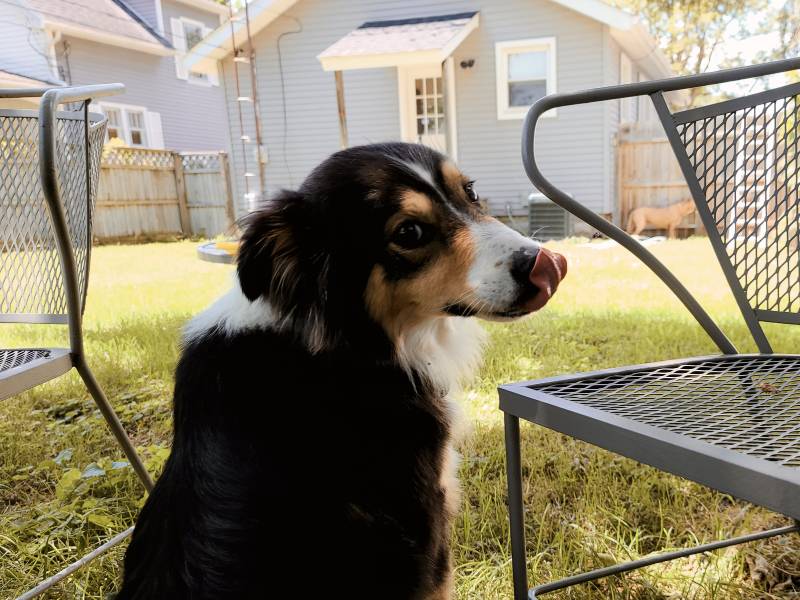
One of the most common reasons for this is that it's simply a natural grooming behavior – and it's harmless. Dogs use their tongues to clean themselves, and they may extend this behavior to other dogs or humans that they see as part of their pack.
Another reason dogs lick is that it's a way of showing affection. When dogs lick their owners, it's often a sign that they love and trust them. Dogs may also lick other dogs as a way of bonding and establishing social hierarchy.
They may lick as a way of exploring their world. Dogs use their tongues to taste and smell, and they may lick objects as a way of gathering more information about them. This is especially true for puppies that are still learning about their environment and may rely on their sense of taste to identify new objects.
4. Why Do Dogs Shake Their Toys?
This behavior goes back to dogs' ancestry. In the wild, dogs would shake their prey to break its neck or to loosen any fur or feathers that might be in the way. By shaking their toys, dogs are exercising their natural instincts and honing their hunting skills.
Another reason dogs shake their toys is that it's a way of releasing pent-up energy. Dogs are highly active animals, and they need to engage in physical activity to stay healthy and happy. Shaking their toys can be a way of burning off excess energy and relieving stress. And they may shake their toys as a way of seeking attention from their owners. Dogs are social animals, and they crave interaction with their humans. By shaking their toys, dogs may be trying to initiate playtime or to get their owners to join in on the fun.
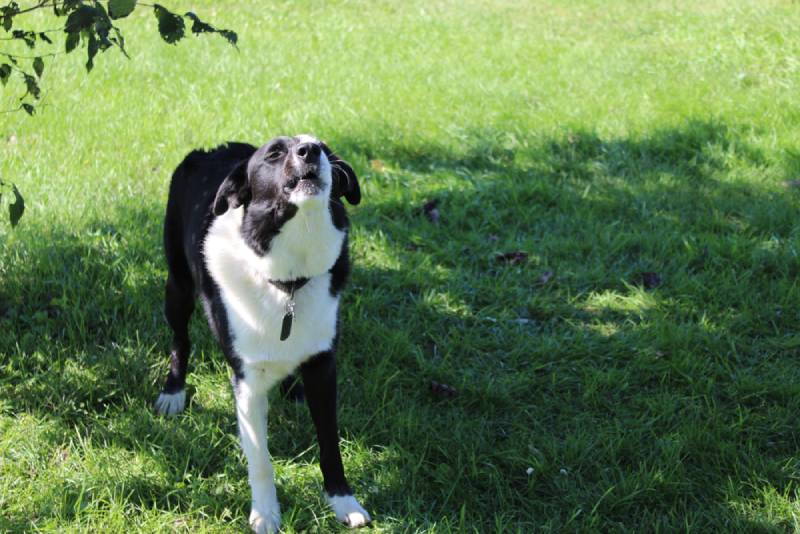
5. Why Does My Dog Howl at People and Other Dogs?
Howling at other dogs is a way of communicating with other dogs and with humans. Dogs have a range of vocalizations, from barks to whines to growls, and howling is just another way of expressing themselves. Dogs may howl to signal their location, to warn of potential danger, or simply to express their emotions.
Another reason dogs howl is that it's a way of expressing anxiety or distress. Dogs may howl when they are feeling lonely or when they are separated from their pack. They may also howl in response to loud noises or other stimuli that they find threatening. Dogs may howl simply because it feels good or to try to imitate sounds they hear (like the ambulance, which they may be mistaking for other dogs). Howling is a natural behavior for many dog breeds, and it's something that they may do simply because it's fun or because they enjoy the sound of their own voices.
6. What's the Reason Behind My Dog's Constant Tail Chasing?
Tail chasing is usually a simple and quick way of burning off excess energy. Dogs are super-active animals (though some breeds more than others), and they need to engage in physical activity to stay healthy and sane. Chasing their tails can be a way of releasing pent-up energy and relieving stress. And it's also a way of seeking attention from their owners. By chasing their tails, these social animals may be trying to initiate playtime or to get their owners to come and partake in playtime.
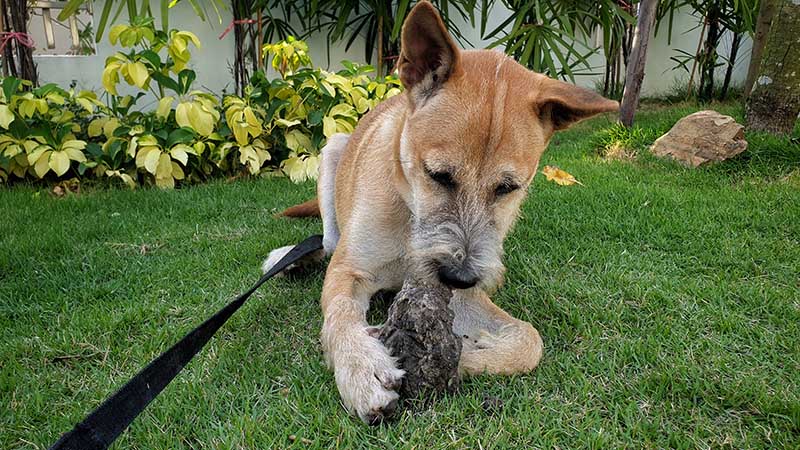
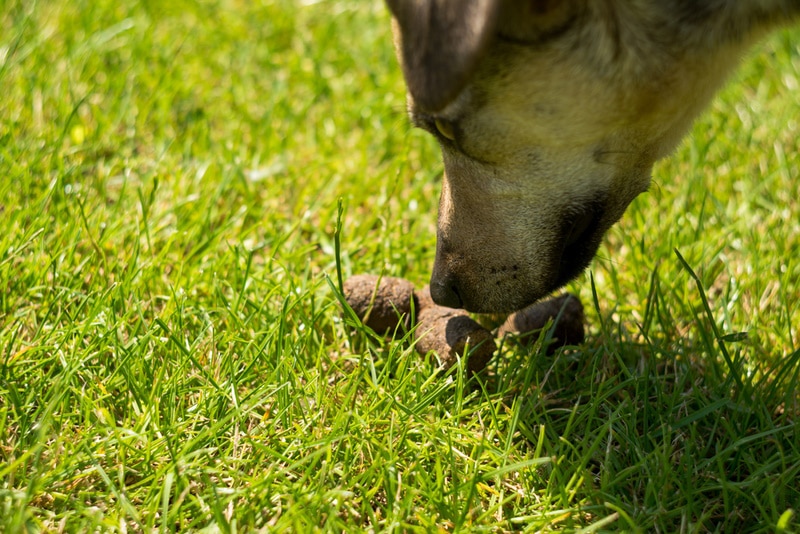
7. Why Is My Dog Eating Poop?
This also goes back to their ancestry. In the wild, dogs would actually eat the feces of other animals as a way of keeping their environment clean and free of parasites, as gross as it may seem. And while domestic dogs are unlikely to encounter the same parasites as their wild ancestors, the behavior may still be sort of a holdover from their past. Another reason dogs eat poop is that it's a way of seeking out nutrients that they may be missing from their diet. Some dogs may eat poop as a way of getting more protein or other nutrients that they need. But it's important to be aware of any excessive poop-eating or signs of distress, as they may be a sign of underlying health issues or anxiety – and it can become unhealthy for your pooch.
Wrapping Things Up
If your dog is constantly digging under the fence, it can be a frustrating and stressful problem to deal with. However, there are several effective methods to prevent the behavior. By providing your dog with plenty of exercise and stimulation, creating an alternative digging area, and reinforcing the fence with barriers or deterrents you can help to keep your yard hole-free. And if you're struggling to address the behavior on your own, don't hesitate to consult with a professional dog trainer or behaviorist. With a little patience and persistence, you can put an end to your dog's digging once and for all.
Sources
Featured Image Credit: Sergey 77700, Shutterstock
Get Hepper In Your Inbox


Pet care tips from our vets and experts, straight to your inbox.
You may opt-out at any time. View our Privacy Policy for more information.

Nicole is a lover of animals of all sizes but is especially fascinated with the feline variety. She’s the proud mom of Baby, a Burmese, and works every day so he can relax in the sunshine or by the fire. She’s always had a cat in her home and has spent countless days with others, observing behaviors and softening up even the grouchiest of the lot. Nicole wants to share her kitty expertise with you so you and your cat can live happy, healthy, and care-free.
Join the conversation
Ask a question, share your story, or send private feedback.