Hepper is reader-supported. When you buy via links on our site, we may earn an affiliate commission at no cost to you. Learn more.
Why Do Dogs Eat Rocks? 7 Tips to Stop Them


In this article
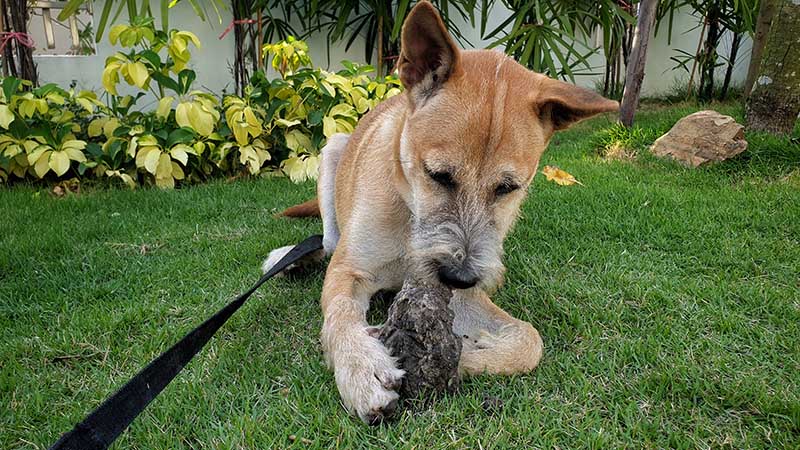
Dogs will eat many strange things, including inedible items like shoes, toys, furniture, and rocks. Eating rocks isn’t normal behavior, though, and can be caused by behavioral or health issues. Your dog might also be bored, teething, or just curious about a smell that they notice on the rocks that they find.
It can take a bit of effort to figure out why your dog eats rocks. You’ll need to know the reasons so you can take steps to prevent this behavior. This guide will explore why dogs eat rocks, how to stop them, and why eating rocks is so dangerous.

Why Dogs Eat Rocks
Before you can prevent your dog from eating rocks, you need to know why your dog is eating them in the first place. Medical issues will need proper treatment, or your dog might be suffering from behavioral problems.
Eating rocks is not normal dog behavior. You and your veterinarian must assess the problem, determine the cause, and provide treatment to prevent it from worsening. To help you out, here are common reasons that dogs eat rocks.
Attention Seeking
Dogs love knowing that they have your undivided attention, and they quickly learn the best ways to get a giggle or ear scratches. Unfortunately, their attention-seeking isn’t just limited to behaviors that we want to encourage. It also extends to things like ripping apart the couch or eating rocks.
Once your dog knows that it’s a surefire way of getting your attention, no matter how busy you are, they’ll do it more often to get you to pay attention to them. This isn’t easy to correct, especially since you can't ignore your dog when they are eating something dangerous.

Boredom
Boredom is a great motivator for mischief. If your dog is feeling bored, they’ll be more likely to feel stressed or frustrated. In turn, this will make them more prone to misbehave as they seek ways to entertain themselves. If you’ve already ruled out health issues being a cause of your dog’s habit of eating rocks, they might be doing so because they have nothing else to do.
Curiosity
Sometimes, your dog might not eat rocks intentionally. They might be exploring, smell something interesting, and pick up a rock to examine it further. Since they don’t have hands, their mouths are the only way they can properly study something new.
Unfortunately, their curiosity often leads to them accidentally swallowing objects that they shouldn’t, including rocks. Supervision and teaching them to leave things on command should help here.
Health Issues
Not all rock eating is caused by behavioral issues. It can be a sign of an underlying health issue that will need to be diagnosed and treated before the behavior will stop.
Some dogs will eat rocks due to nutrient or vitamin imbalances or other underlying medical problems, including intestinal disease, diabetes, or parasites. If your dog is vomiting or suffering from diarrhea and is eating rocks, go to your veterinarian immediately.

Pica
A common condition that dogs can have is pica. This disorder is when your dog eats non-food items, which can be anything from shoelaces to toilet paper and can include the ingestion of rocks.
Pica is often the biggest cause of rock-eating behavior and can indicate other problems too, such as behavioral or medical issues. While diagnosing pica might be easy, the underlying cause of the disorder might not be as simple to determine or treat.
Stress
Similar to boredom, stress can result in strange behavior. Your dog may act out or seek unusual ways to soothe their nerves if they feel scared, anxious, or stressed. Keeping a steady routine, such as returning home from work on time and feeding your dog at the same time every day, can help give them the reassurance that they need.
It’s not always easy to figure out if your dog is feeling stressed. Pay attention to any recent events that might upset your dog, even if it’s something you think of as unobtrusive.
Teething
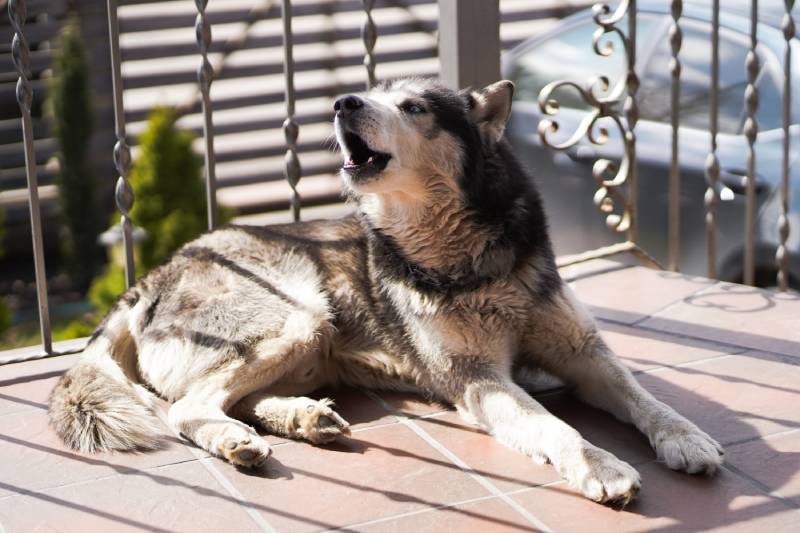
Puppies are common culprits of eating or chewing on things that they shouldn’t, especially when they’re teething. While chewing on rocks might seem like a strange way to tend to the problem, it can serve as a way for your puppy to soothe their aching teeth or distract themselves from the pain.
Providing your puppy with plenty of chew toys, supervision, and redirecting their chewing to more appropriate targets will help here. You can’t stop them from chewing or stop their teeth from hurting, but you can teach them what items are acceptable to chew.
The 7 Tips to Stop Your Dog Eating Rocks
1. Deterrents
Pets eat many things that they shouldn’t, and sometimes, deterrents can help prevent the behavior. Pet-safe sprays can be applied to the rocks around your home to convince your dog not to eat them when you’re not around to correct the behavior.
You shouldn’t rely solely on deterrents alone, however. They can wear off quickly and you’ll still need to tackle behavioral or health issues that might be causing your dog’s odd eating habits. As a preventative, though, it can help you manage the behavior while you’re treating the cause.
2. Diet
Nutritional deficiencies can be one possible reason that some dogs eat rocks. In some cases, dogs with pica or chronic rock eating have been found to have underlying metabolic or nutritional issues, but many dogs with this behavior have normal diets and normal test results. An iron deficiency in particular may be associated with pica or abnormal eating behaviors in some dogs, but this should never be assumed without a veterinary examination and appropriate blood tests.
You’ll need to adjust your dog’s diet accordingly if it’s a nutrient- or vitamin-related problem. Talk to your veterinarian for advice, and make sure you introduce a new brand of food slowly to avoid setting off stomach problems. It can take a while to get your dog’s diet right, but the effort is worth it.

3. Provide Entertainment
To prevent your dog from getting bored, give them a variety of toys to play with, and provide opportunities for them to keep their minds active. The more they have to do, the less likely they’ll seek out mischievous ways to entertain themselves. Teach them tricks or give them a job to do. Set them loose on a new puzzle toy or treat hunt around the house.
Remember to spend time playing with your dog too. Don’t just let them amuse themselves. Regular walks every day and runs in the local dog park can work wonders.
4. Remove Rocks
It’s not possible to remove every rock in your backyard, but attempting to do so can help prevent your dog from eating them. Rocks that are small or medium-sized and easy for your dog to pick up and swallow pose the greatest risk of obstruction in the gastrointestinal tract. Larger rocks that your dog cannot swallow are more likely to cause broken or worn teeth if they are chewed.
Sometimes, though, removing rocks that your dog has access to might not be possible, especially if you have a gravel driveway. If you can’t remove all the stones, try to restrict your dog’s access to them instead. Supervise your dog when they’re outside, use a leash, or fence off a safe section of the yard for your dog.
5. Supervision
If you know that your dog tends to eat things that they shouldn’t, don't leave them on their own. This goes for dogs of all ages, not just puppies. By keeping an eye on your dog, you’ll be able to interrupt them when they try to eat rocks and redirect their attention to something else. This could be done by giving them a more appropriate chew toy or by distracting them with a quick training session or a walk to alleviate their boredom.
6. Training
It’s incredibly tempting to latch onto the quickest and easiest solution, but that’s not always successful. If your dog is eating rocks because of behavioral issues, you’ll need to correct the behavior to prevent it from becoming a bigger problem.
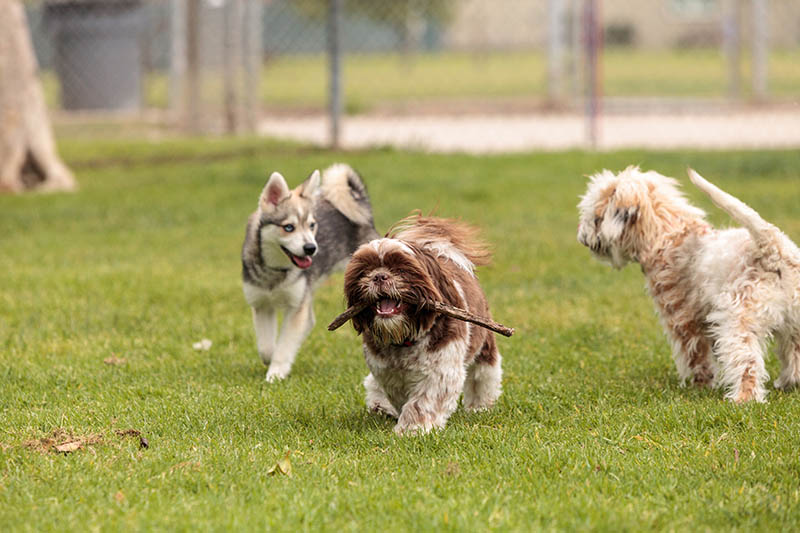
Training can help here. It’ll take time and patience, especially if you have an adult dog and you need to correct an already-learned behavior. Teaching them to “leave it” or “drop it” is a good way to prevent them from eating things that they shouldn’t. It’ll give you the chance to switch the rock that they’re chewing on with a toy. You can also train them to wear a muzzle while on walks to function as a barrier against rock eating.
Obedience training serves another purpose. By giving your dog directions to follow, you’ll be keeping their minds active and preventing boredom.
7. Visit the Vet
Several health issues can cause your dog to eat rocks. Nutritional deficiencies, diabetes, intestinal disorders, and parasites are all common causes. To treat rock eating caused by medical issues, you’ll need to treat the health problem itself.
A trip to the veterinarian will be costly, especially since they’ll need to run a few tests to properly diagnose the problem. But compared to the cost of surgery to remove a rock from your dog’s intestines or repair other damage, a preventative visit will be more affordable. A prompt diagnosis and treatment plan are necessary parts of saving your dog from harm.

Risks of Dogs Eating Rocks
Sometimes, a rock that your dog eats won’t cause a problem. If it’s small, smooth, and otherwise unobtrusive, it may pass through your dog’s digestive tract and be passed in the stool, but there is always a risk of irritation, blockage, or other complications, so you should contact your veterinarian for advice whenever your dog eats rocks. This doesn’t mean you shouldn’t be concerned when your dog eats rocks, though.
Eating rocks poses several health risks, and it’s not just the threat of stomach upset or a potential blockage that you need to consider. Many problems can lead to hefty vet bills.
Rock eating can result in the following issues, some of which can be life-threatening:
Conclusion
Eating rocks isn’t normal behavior in dogs, but it is sometimes common. A disorder known as pica is frequently the cause of a dog’s fascination with eating inedible items and can be caused by health, behavioral, or environmental issues.
If you catch your dog eating rocks, you’ll need to talk to your veterinarian and take steps to stop the behavior. Left untreated, your dog can suffer from severe and potentially life-threatening consequences. Treating the cause of the behavior, training, and providing enrichment activities can all help prevent your dog from eating rocks.
Featured Image Credit: RJ22, Shutterstock
Get Hepper In Your Inbox


Pet care tips from our vets and experts, straight to your inbox.
You may opt-out at any time. View our Privacy Policy for more information.
Nicole is a lover of animals of all sizes but is especially fascinated with the feline variety. She’s the proud mom of Baby, a Burmese, and works every day so he can relax in the sunshine or by the fire. She’s always had a cat in her home and has spent countless days with others, observing behaviors and softening up even the grouchiest of the lot. Nicole wants to share her kitty expertise with you so you and your cat can live happy, healthy, and care-free.
Join the conversation
Ask a question, share your story, or send private feedback.