Hepper is reader-supported. When you buy via links on our site, we may earn an affiliate commission at no cost to you. Learn more.
Male vs Female Dogs: Main Differences (With Pictures)
In this article
Choosing a new dog that will fit into your family well is far more important than how the dog looks (though all dogs are gorgeous in their own way). You’ve probably heard that there are differences between male and female dogs, which might influence your decision, but what are they?
It’s true that there are differences, but so many other factors come into play, regardless of sex, in a dog's temperament.
So, let’s unpack this issue by discussing the natural behaviors that male and female dogs exhibit and whether one sex is better suited for you and your family.

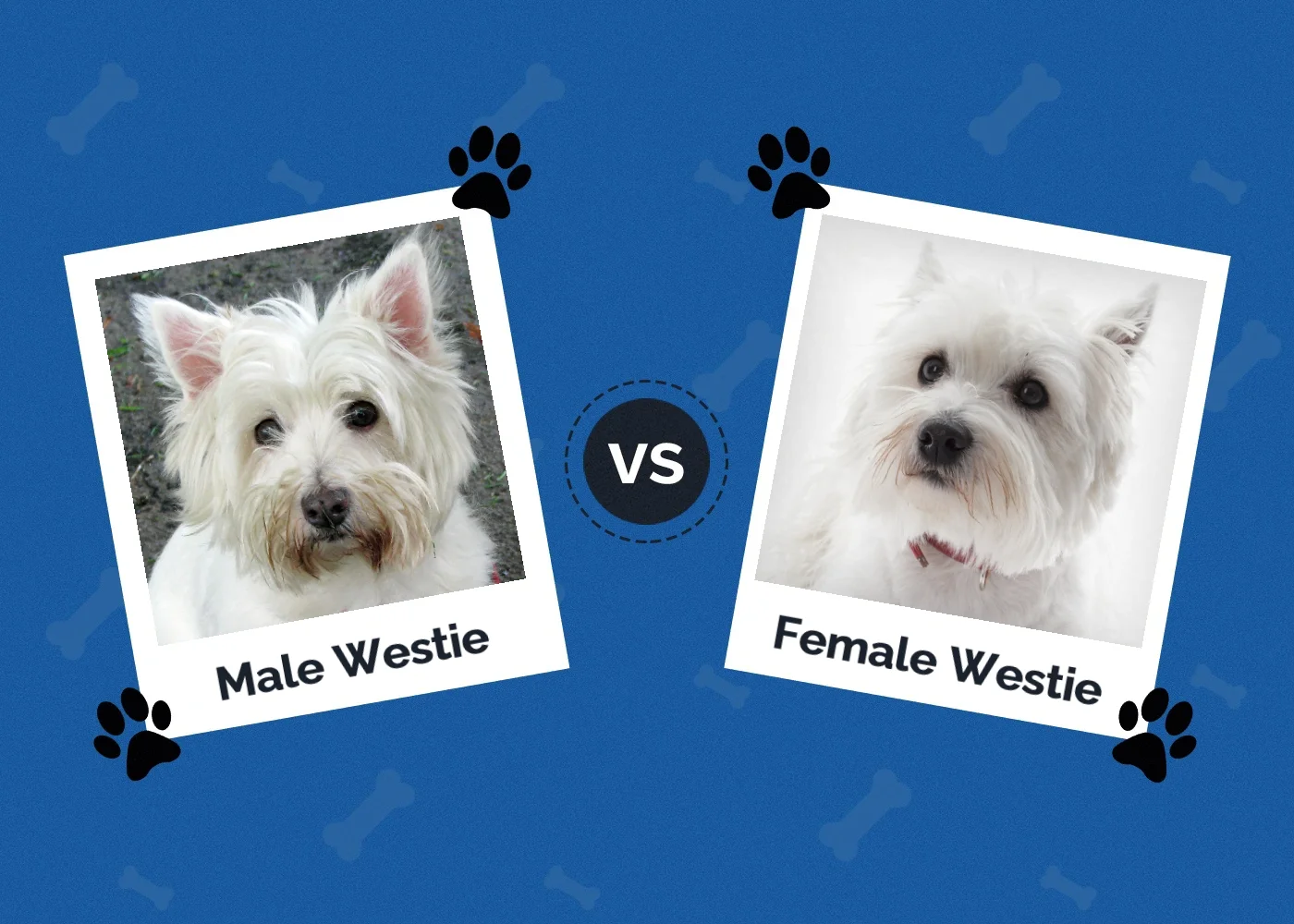
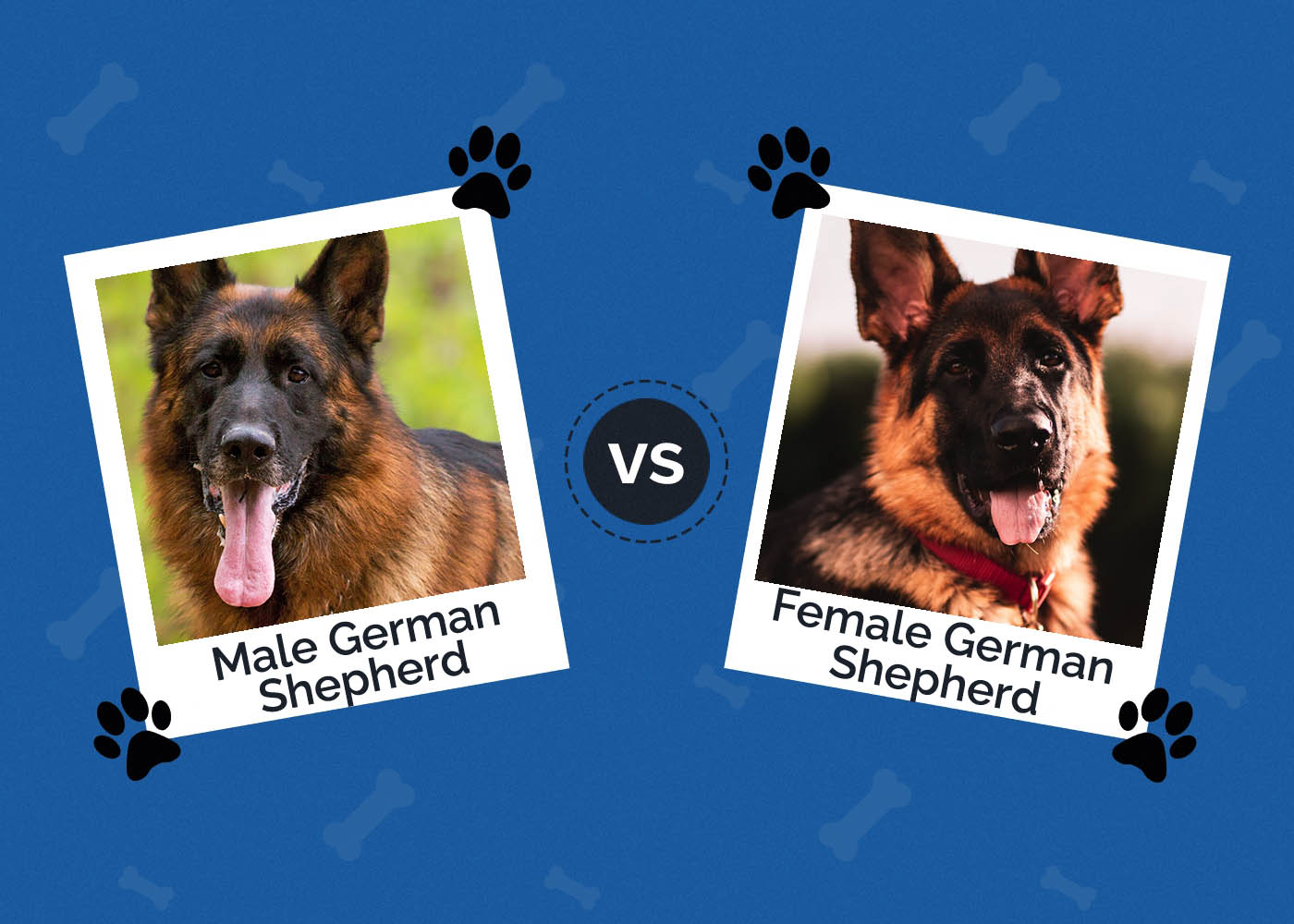
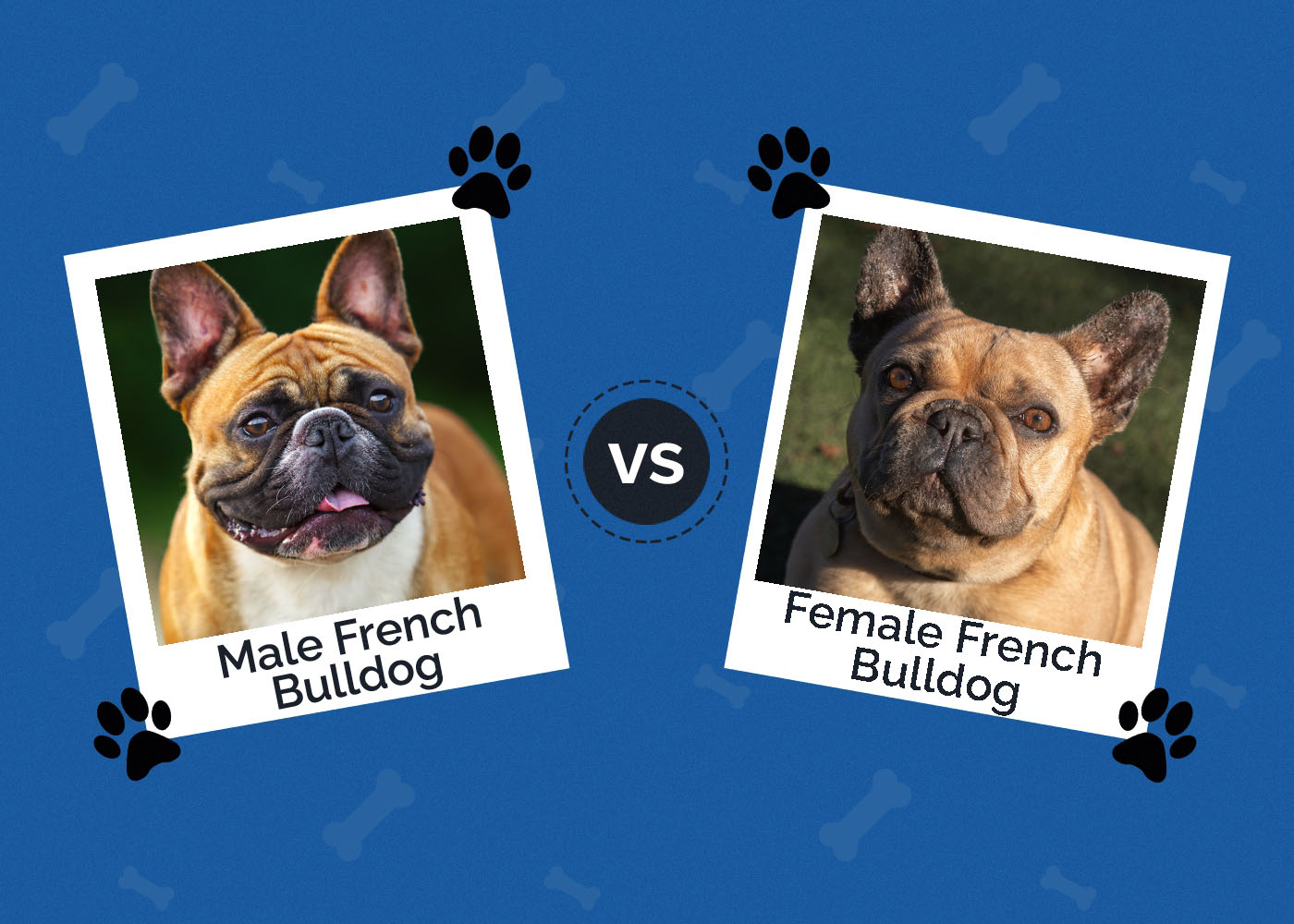
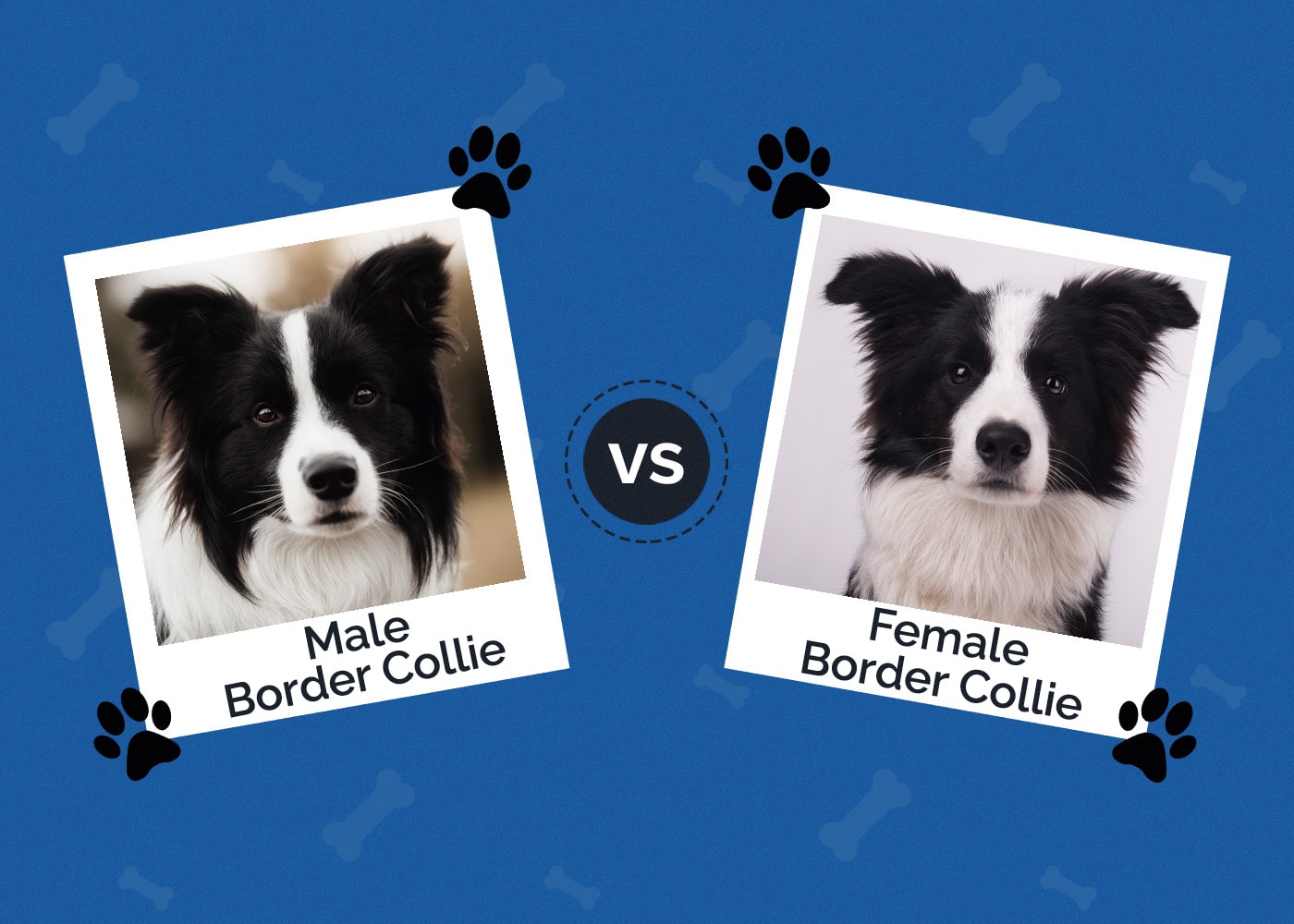
Visual Differences
Male and Female Dogs Stereotyping 101
Before we get into the potential differences between male and female dogs, we should be cognizant of the common stereotypes that are placed on both sexes.
Humans tend to have specific expectations when it comes to sex and gender among ourselves, which can also be directed toward animals, including pets. This can entail putting tiaras on females and bowties on males, for example. How we treat our dogs from the time that they are puppies until they are mature adults, which also includes the training and socialization that they receive, will directly impact their temperament, regardless of sex.
That said, there are specific traits that tend to crop up in each sex that are worth taking note of.

Male Dogs Overview

Physical Appearance
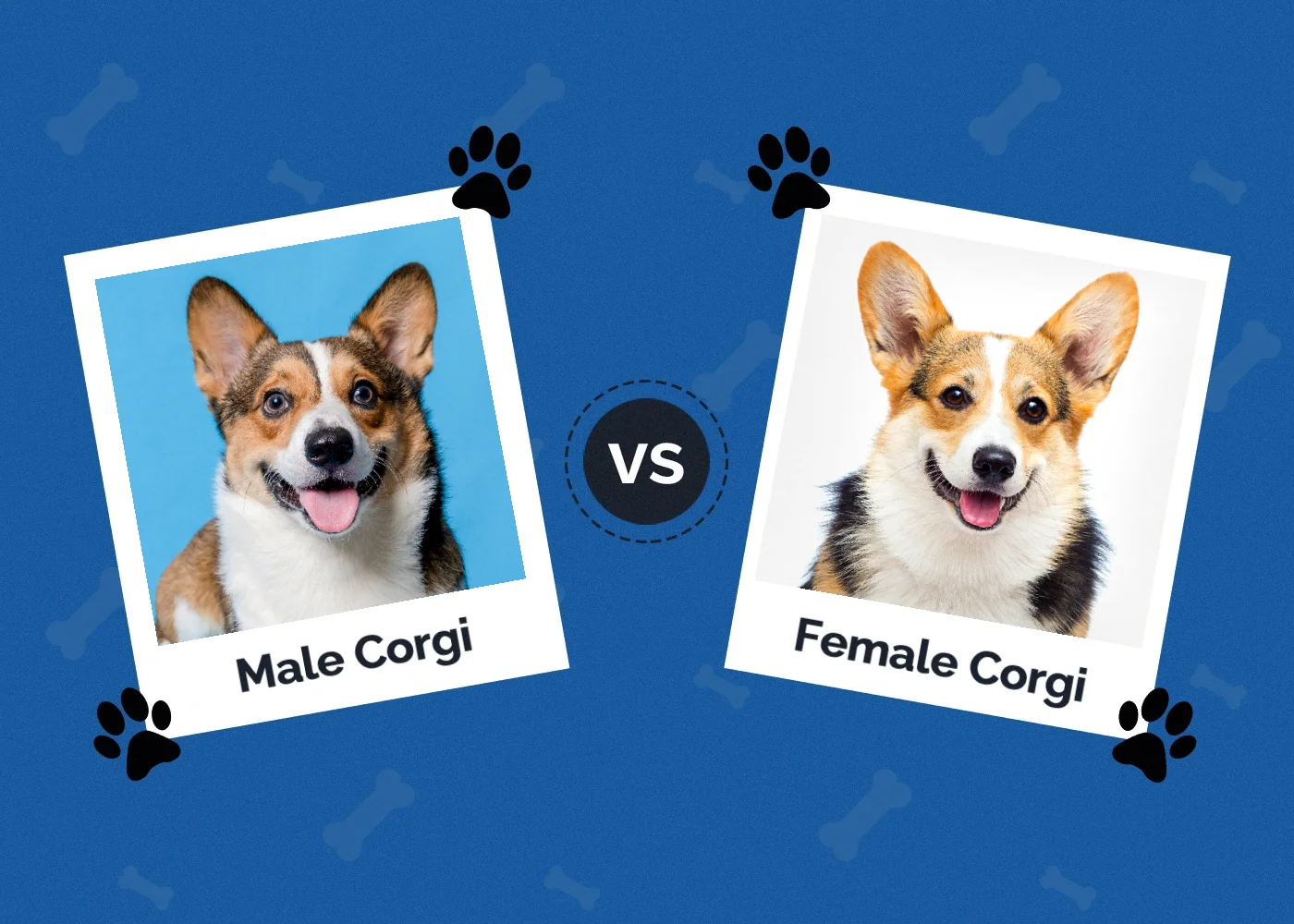
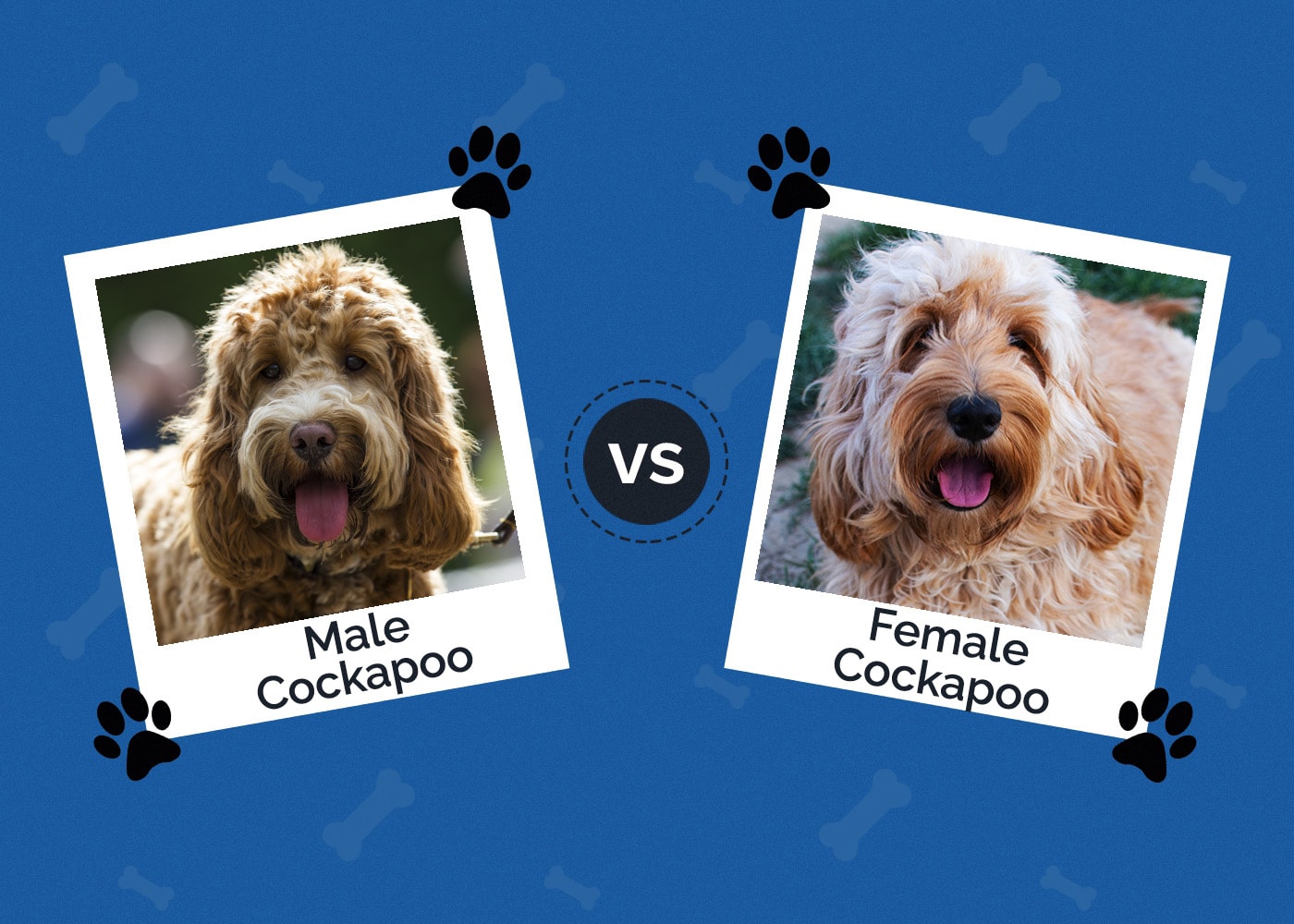
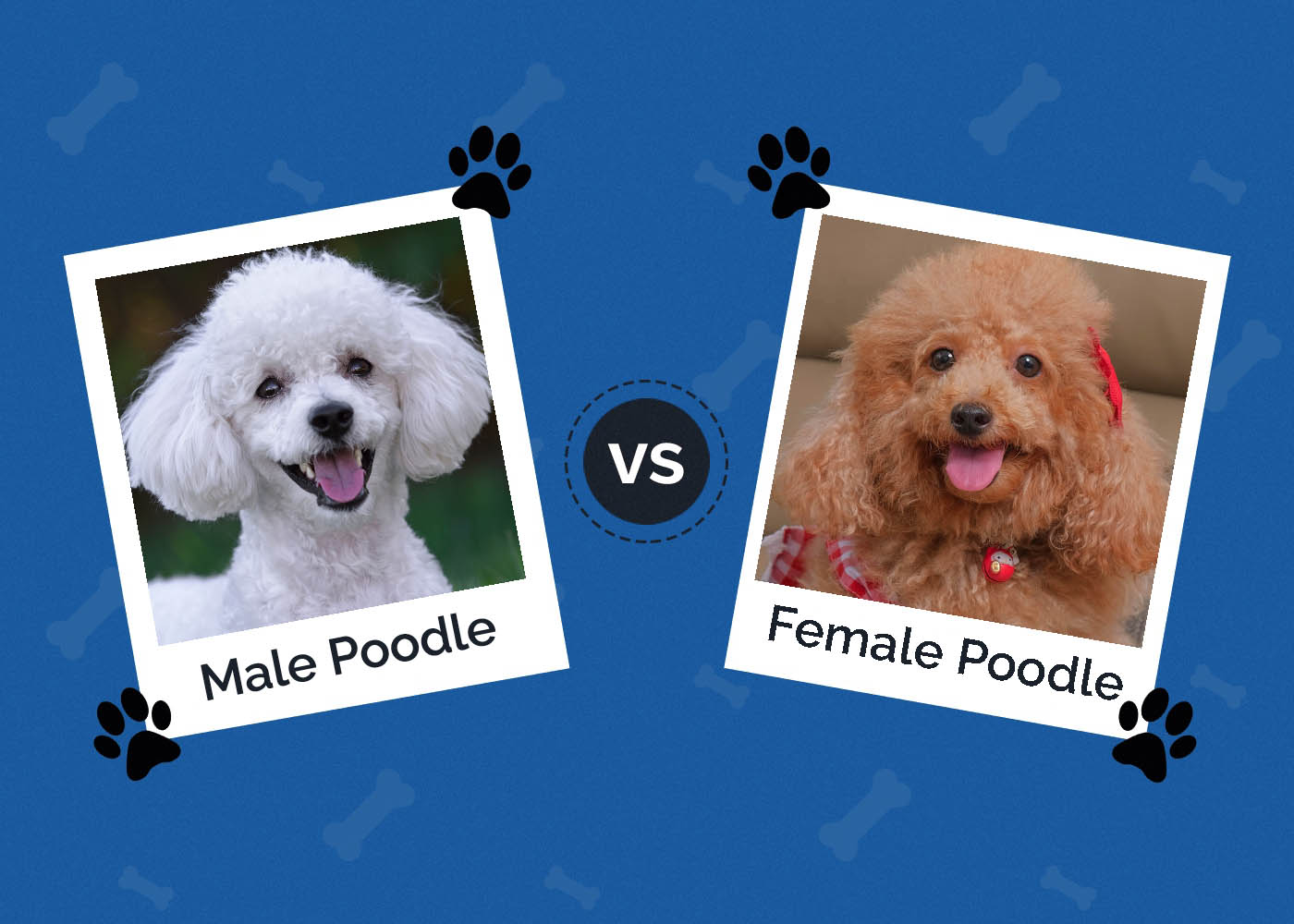
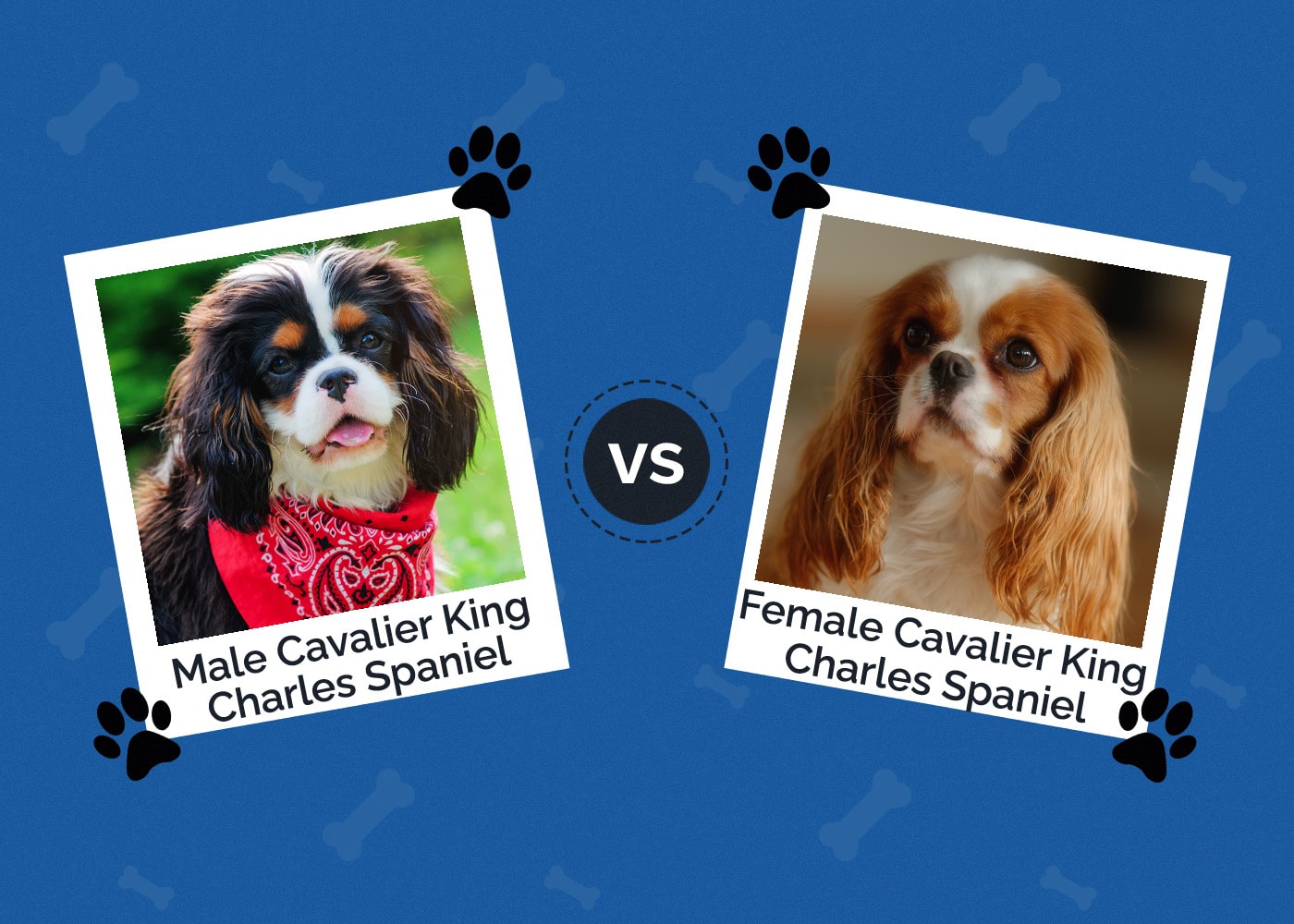
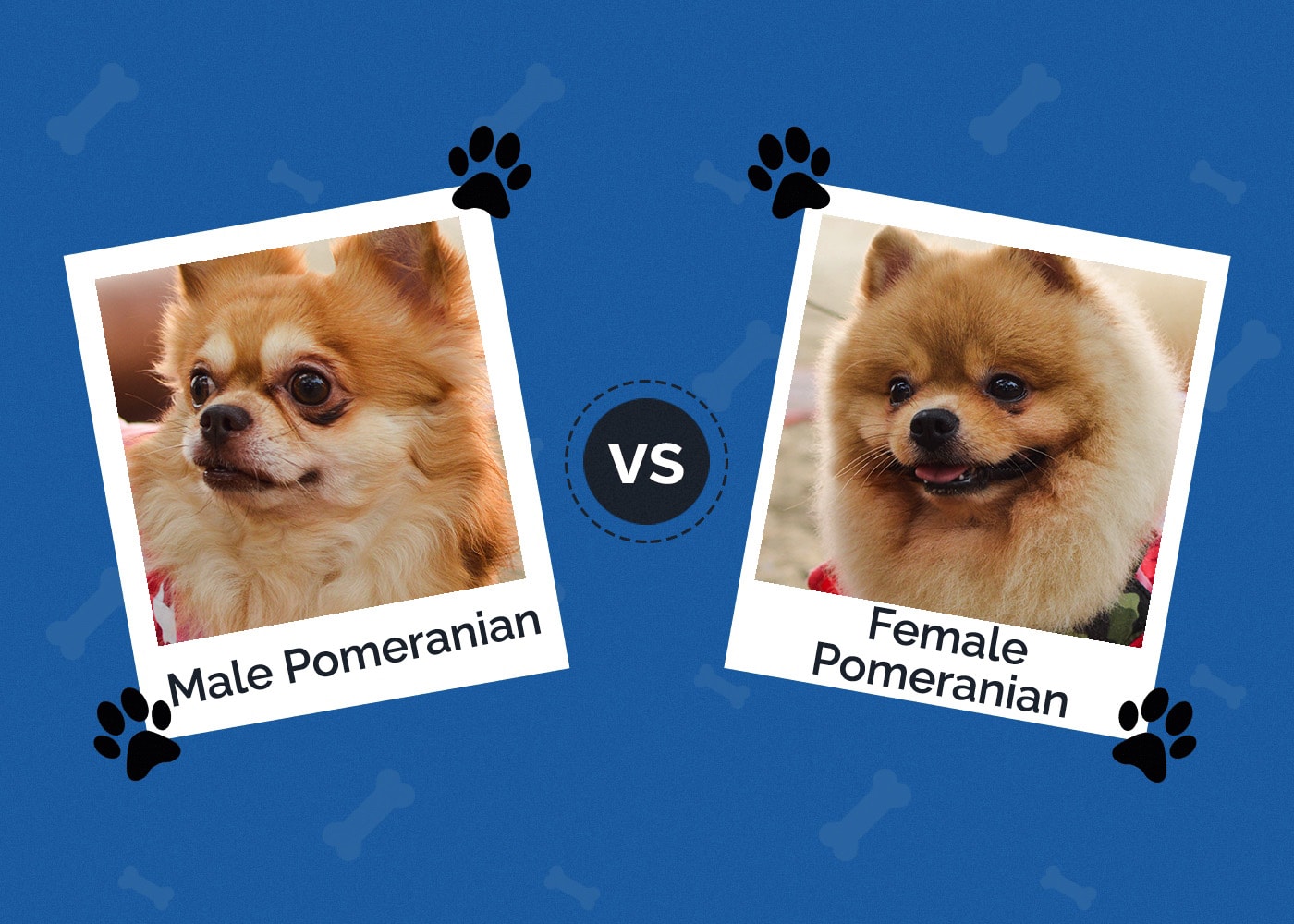
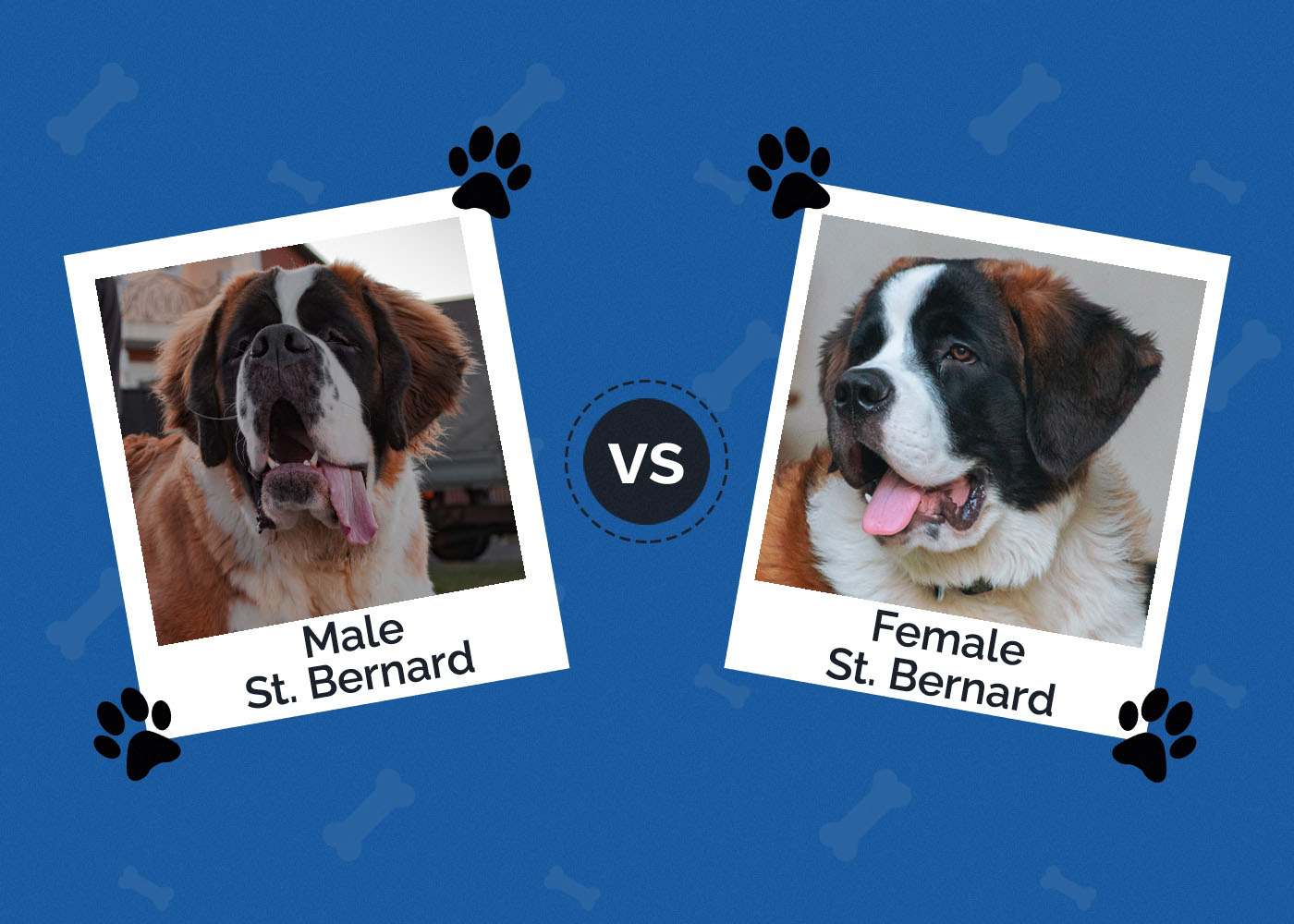
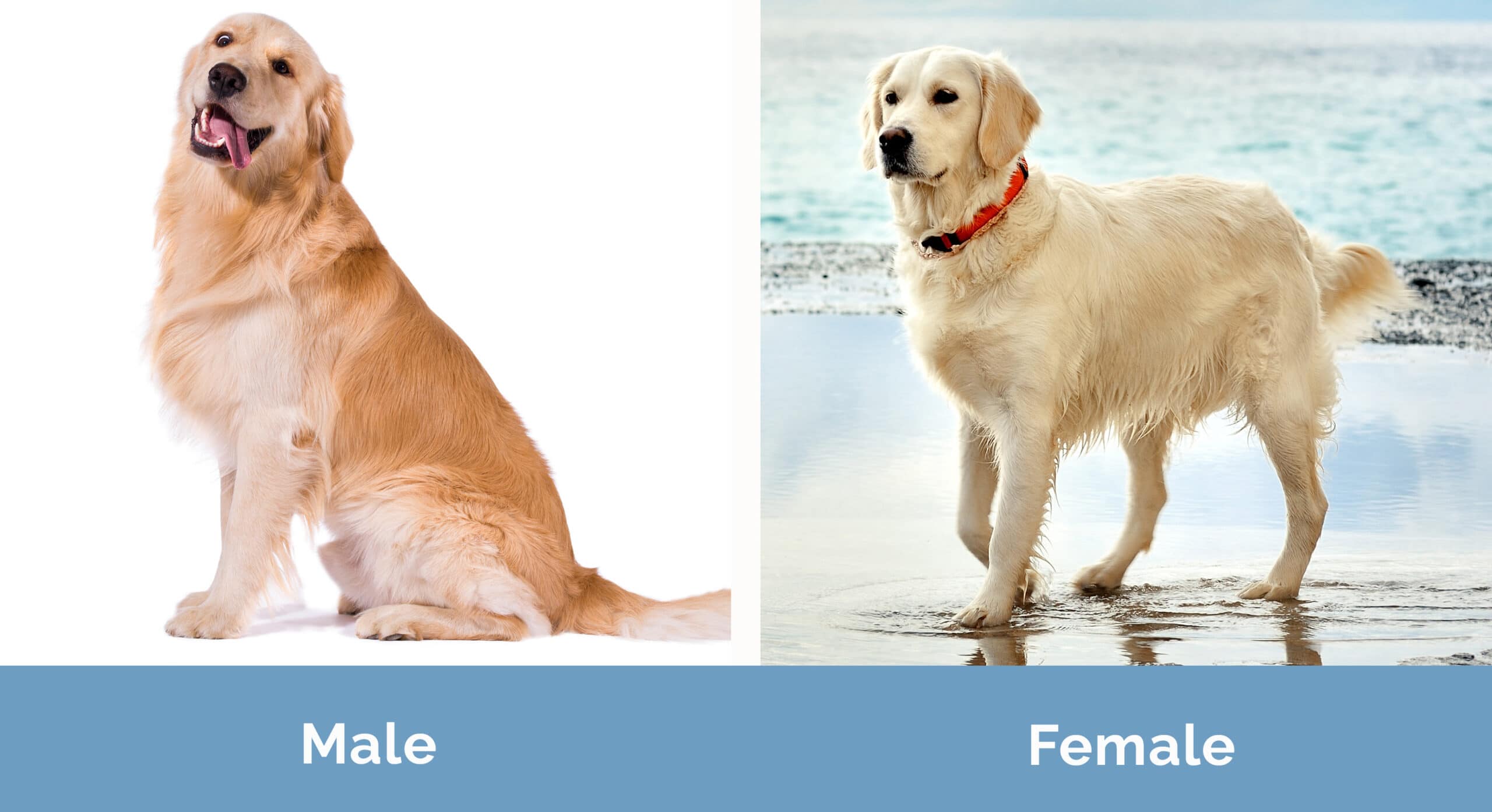
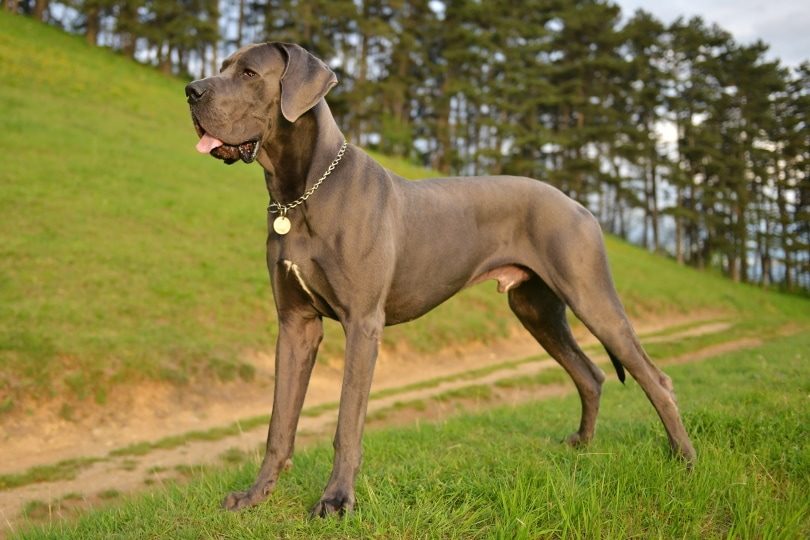
Male dogs tend to be larger and heavier than females, but this is breed specific. Mixed breeds can have large female and small male puppies in the same litter if the former takes more after the larger parent.
However, it is a biological fact that male dogs tend to have thicker muscular and bone structures and be heavier in weight.
Personality / Character
Much of what constitutes a dog’s personality depends entirely on their upbringing. Many of the behavioral aspects of male dogs also rely on hormones and whether they are neutered or still intact.
It’s often said that male dogs are more aggressive than females, but this isn't the case if the male dog is neutered. Both male and female dogs can be equally aggressive when they are both fixed. Male dogs are also more likely to mark their territory, hump everything, and be more aggressive if they aren’t neutered.
It’s also said that male dogs are more energetic, playful, goofy, and affectionate than females. But this tends to come down to their training and socialization.
Training
Male dogs are thought to be harder to train than females, and part of this comes from the belief that females mature faster.
However, this is not a fixed rule. While many owners of male dogs might see a difference in training a male over a female, it generally depends on the breed’s genetics and the individual dog.
Health & Care
There are a few notable differences in biological/sex-specific health issues. Male dogs are prone to several reproductive disorders, some of which but not all occur in unneutered male dogs. Neutering your male can also reduce the risk of certain health conditions, such as testicular cancer.
But grooming and feeding your dog is no different between males and females. Feeding your dog depends on their current age, weight, and activity level, and of course, all dogs need grooming. How much ultimately depends on the breed.
Pros
- They can be physically larger and more protective, if this is an important factor.
- Neutering is less expensive and invasive than spaying.
- Many males tend to be goofy, playful, affectionate, and energetic.
Cons
- If unneutered, they can be more aggressive.
- Intact males are more likely to run off.
- Intact males do territorial marking.
- Males might be harder to train.
- Males are more likely to hump.

Female Dogs Overview

Physical Appearance
Females tend to have slimmer frames and are smaller and lighter than male dogs, though this is primarily with purebred breeds. Still, the general rule of thumb is that females are smaller than their male counterparts.
Personality / Character
The belief is that females tend to be gentler and calmer than males, and they can be less territorial. It’s also said that females are more independent and less affectionate than males.
But this depends on the breed: A female Border Collie will be super energetic compared to a male Basset Hound. It also depends on their upbringing.

Training
The jury is out on whether females mature faster than males, which also means it is not known if females definitely train better than males.
It is thought that females can focus better than males and are not as vocal. Additionally, without the need to do any territorial marking, it can also be easier to housetrain females.
This can be breed specific too, as some breeds are much more focused than others.
Health & Care
Just like with the males, there are female sex-specific reproductive disorders. Spaying a female dog can help prevent specific health conditions, such as mammary cancer. However, females are not inherently healthier or unhealthier than male dogs.
Caring for a spayed female is not much different from caring for a neutered male.
Pros
- They might be easier to train.
- Females are physically smaller, which might suit some dog owners better.
- They tend to be great with kids and can be calmer and gentler.
Cons
- They might be more independent and less affectionate.
- Intact females will need extra attention and care.
- Spaying is more expensive than neutering.
Which Sex Is Right for You?
Overall, there are only two scenarios that dictate whether you bring home a male or female dog. One is that you’re a breeder, and the other is if you already own a dog. Generally speaking, experts believe that dogs get along better when living with others of the opposite sex. So, if you already have a female dog, consider a male and vice versa.
The takeaway here is the breed and the breed’s temperament are far more important when choosing a dog to add to your family than the sex. If you bring home a puppy, how they turn out is up to you and your choices through training and socialization.
It is a whole other story if you adopt an adult rescue dog. Sex won't really factor in, but everything that you choose to do from that point on will shape your new dog’s personality as they adjust to their new home.
Sources
https://www.vetmed.com.au/male-dogs-are-more-aggressive-than-females-fact-or-fiction/
https://www.petmd.com/dog/care/spay-and-neutering-dogs-101-everything-you-need-know
https://www.petmd.com/dog/conditions/reproductive/testicular-tumors-dogs
https://www.petmd.com/dog/conditions/cancer/c_dg_mammary_gland_tumor
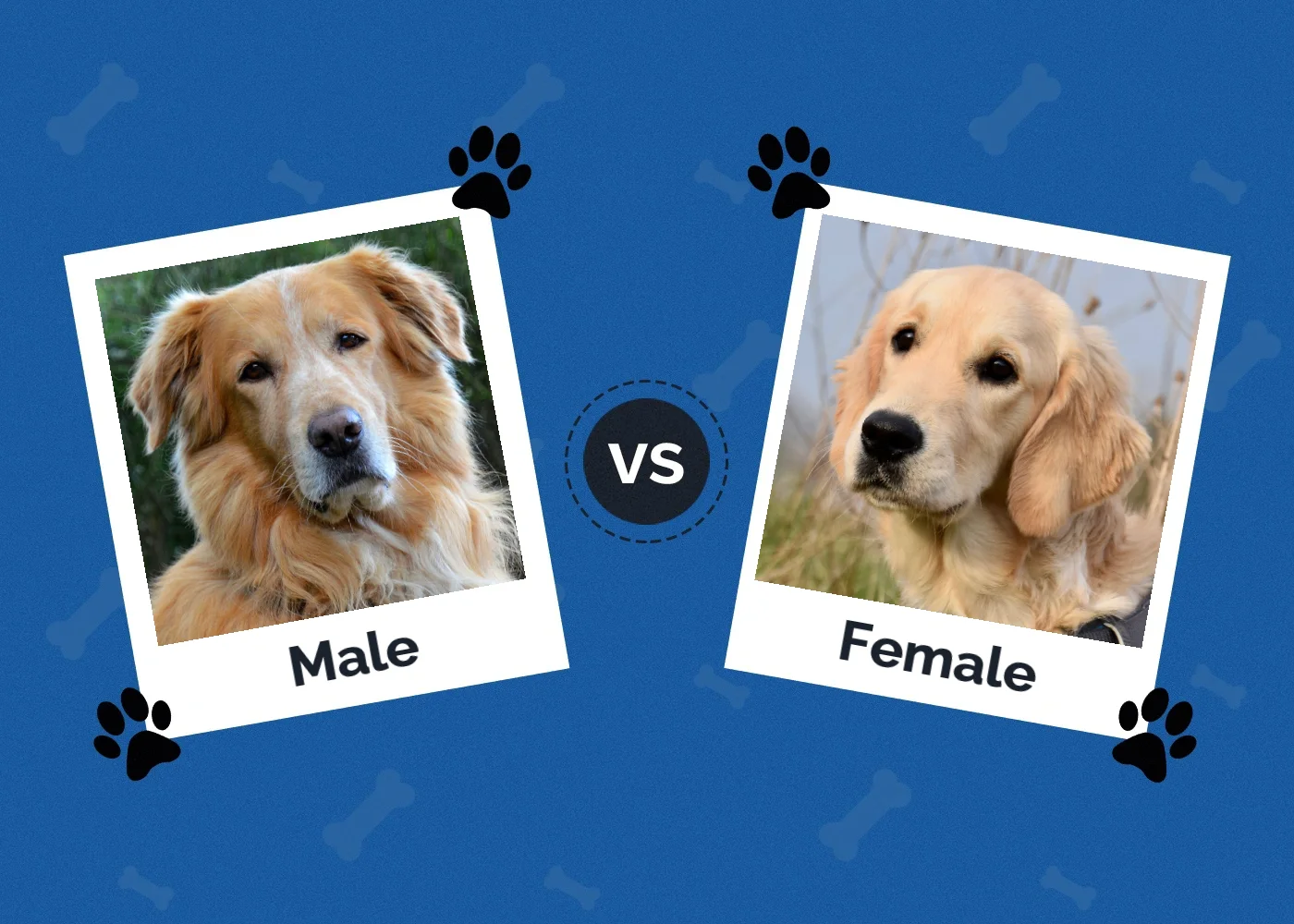
Featured Image Credit: Left - Male Golden Retriever Dog (lecreusois, Pixabay) | Right - Female Golden Retriever Dog (JACLOU-DL, Pixabay)
Get Hepper In Your Inbox


Pet care tips from our vets and experts, straight to your inbox.
You may opt-out at any time. View our Privacy Policy for more information.

Kathryn was a librarian in a previous lifetime and is currently a writer about all things animals. When she was a child, she hoped to work in zoos or with wildlife in some way, thanks to her strong love for animals. Unfortunately, she's not strong in the sciences, so she fills her days with researching and writing about all kinds of animals and spends time playing with her adorable but terribly mischievous tabby cat, Bella. Kathryn is hoping to add to her family in the near future – maybe another cat and a dog.
Join the conversation
Ask a question, share your story, or send private feedback.