Hepper is reader-supported. When you buy via links on our site, we may earn an affiliate commission at no cost to you. Learn more.
Male vs Female Mastiff: Key Differences (With Pictures)
In this article
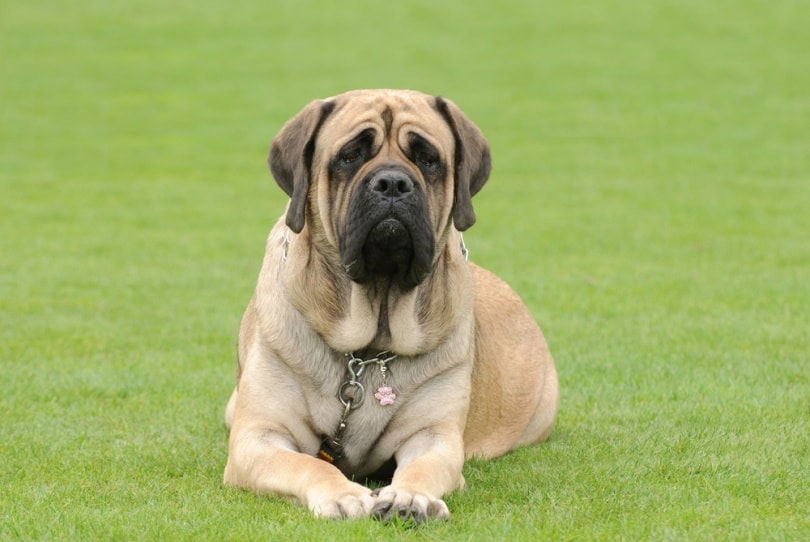
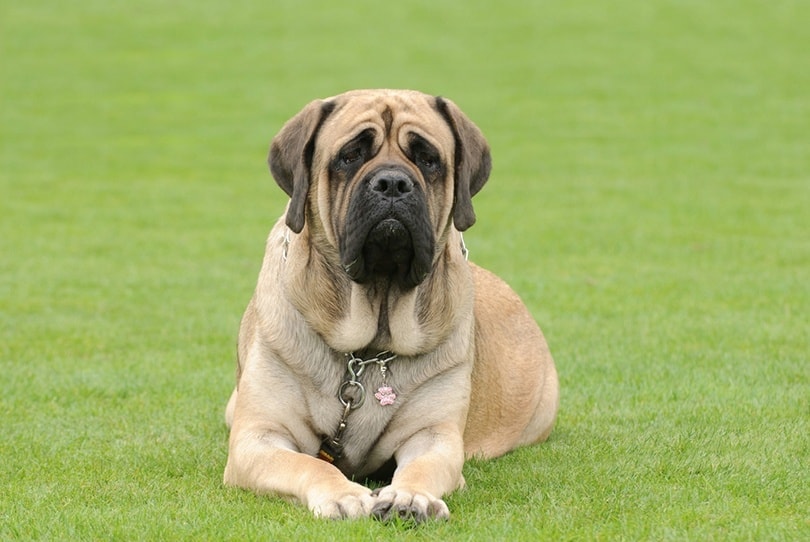
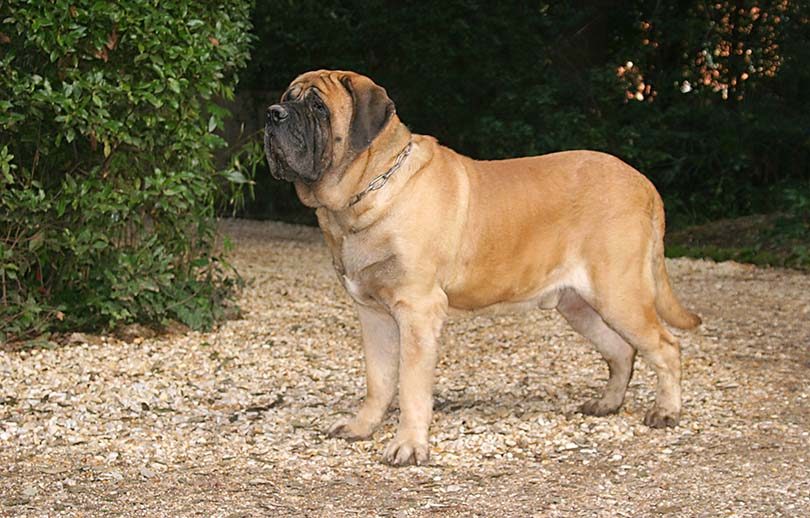
Mastiffs are an ancient breed of large, powerful working dogs that have been around for centuries. They make great companions and family pets because of their loyal and protective natures. The Mastiff can be a wonderful choice for those looking for a pet with a strong personality and impressive size.
However, it is important to consider the subtle differences between male and female Mastiffs when making your decision. This article will explore the key differences between male and female Mastiffs, so you can make an informed decision about which one is right for you.

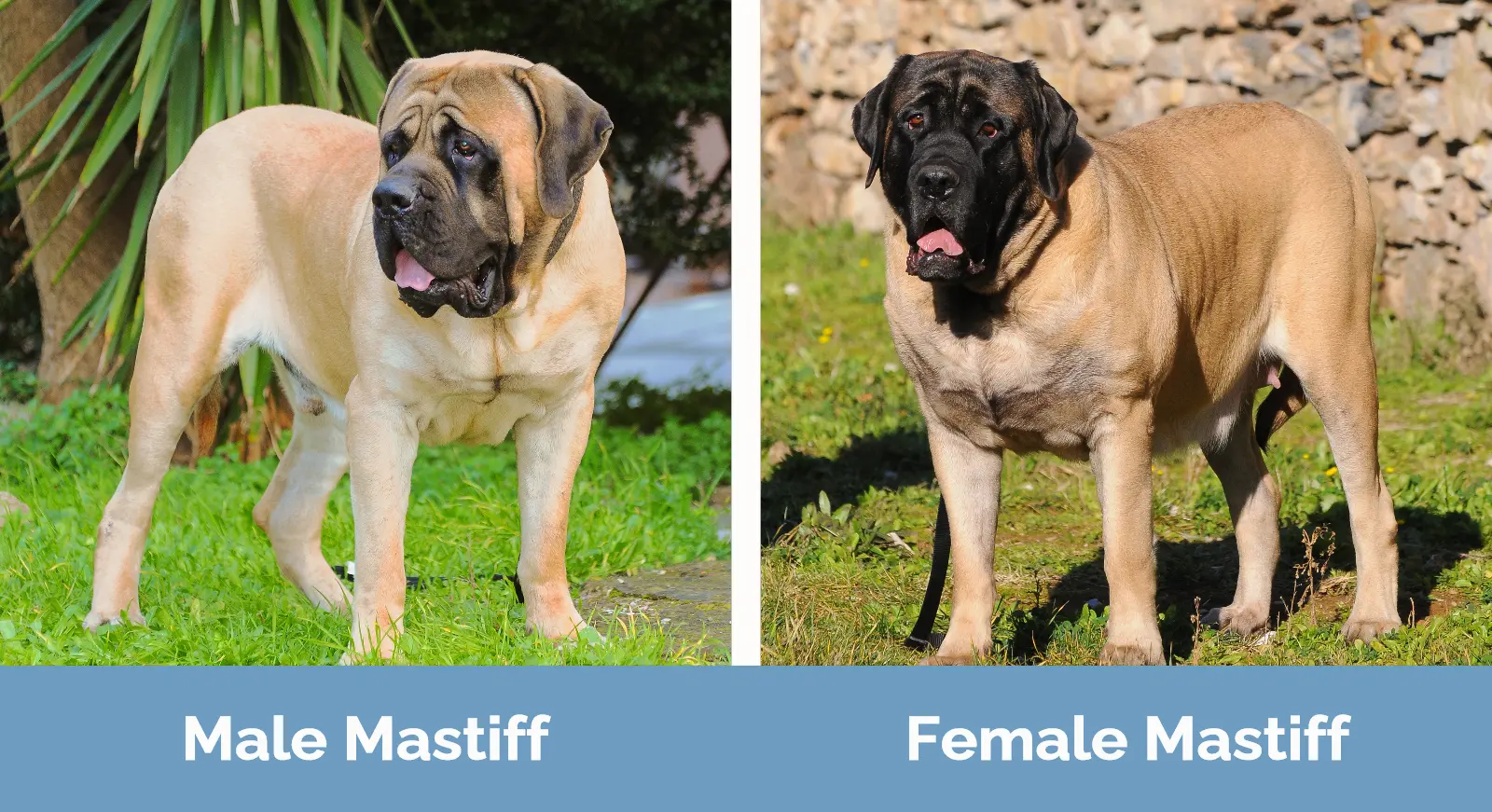
Visual Differences
At a Glance
Mastiff 101
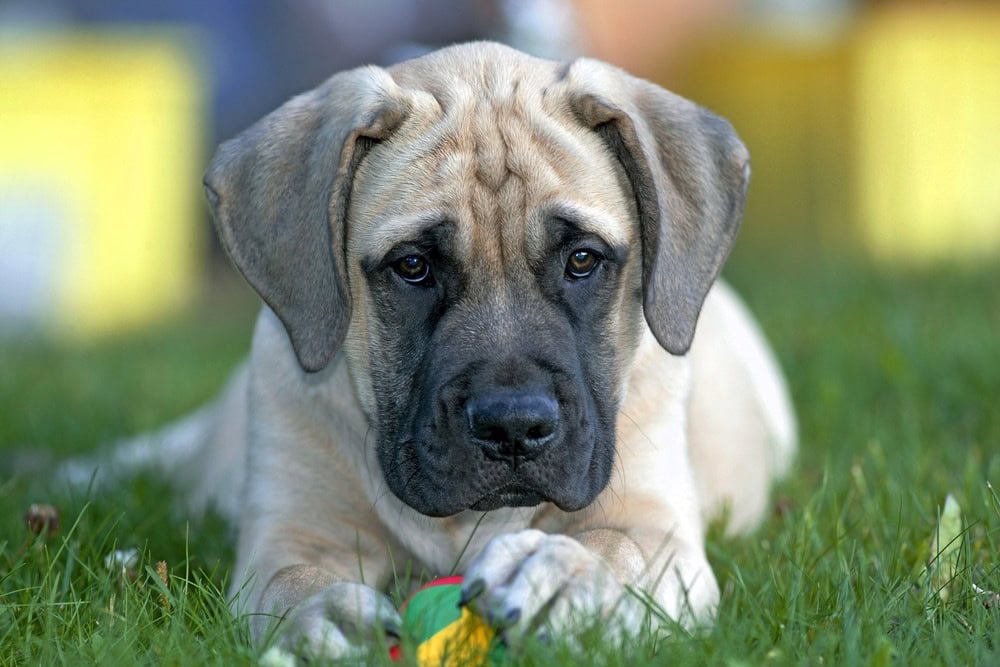
Mastiffs are a giant breed that is descended from ancient Roman Molossus dogs. They are known for their loyal and protective natures and make excellent guard dogs. But they can also be gentle and affectionate with the people they love. The American Kennel Club designates the Mastiff as part of the working group and describes them as “dignified, good-natured, and courageous.”1 As a working dog, they thrive when they have a task to perform, but early socialization and training are essential for Mastiffs to grow up to be well-rounded. However, if you have kids, you will be pleased to know that Mastiffs are wonderful with children. Unfortunately, as a large breed, they only have a life expectancy of 6–10 years.
Male Mastiff Overview
Personality / Character
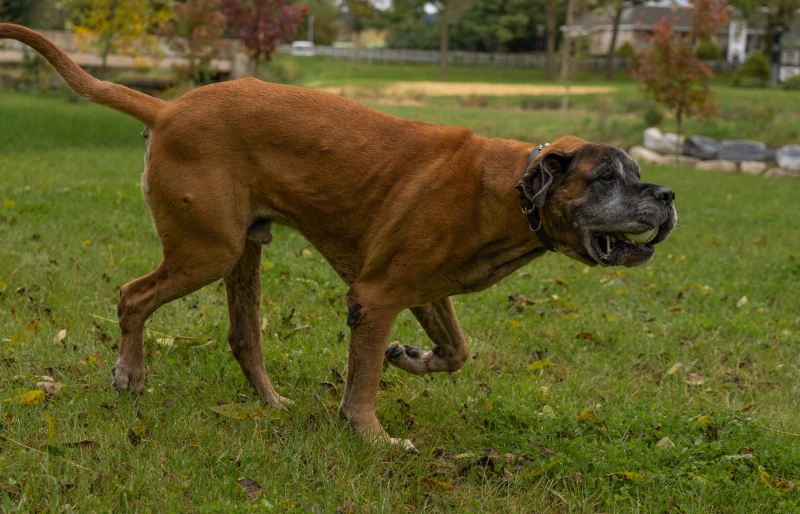
The male Mastiff is a loyal and protective breed. He will guard his home effectively with his size and strength and may have an aversion to strangers, but he can also be gentle and affectionate with family members. Male Mastiffs tend to be more dominant and territorial than females, making them better suited for experienced dog owners who understand how to handle a large breed. They are also stronger, so they will be better handled by adults and not children, but they will bond with anyone in the family.
Training
Male Mastiffs can be difficult to train due to their independent nature, but they are usually responsive to positive reinforcement and consistent commands. As working dogs, they are fairly intelligent, so it will be best if you can train them to perform a specific task. Male Mastiffs may also perform well in agility.
Health
Male and female Mastiffs both tend to suffer from various health issues, including hip dysplasia, elbow dysplasia, bloat, and cancer. Male Mastiffs may be more prone to certain health issues such as prostate problems, and neutering your Mastiff can help lower the risk of certain types of cancers and other behavioral problems.
Male Mastiff Pros & Cons
Pros
- Loyal and protective
- Easily trained with positive reinforcement
- Good guard dogs
Cons
- Can be difficult to train due to their independent nature
- Prone to certain health issues such as prostate problems

Female Mastiff Overview
Personality / Character
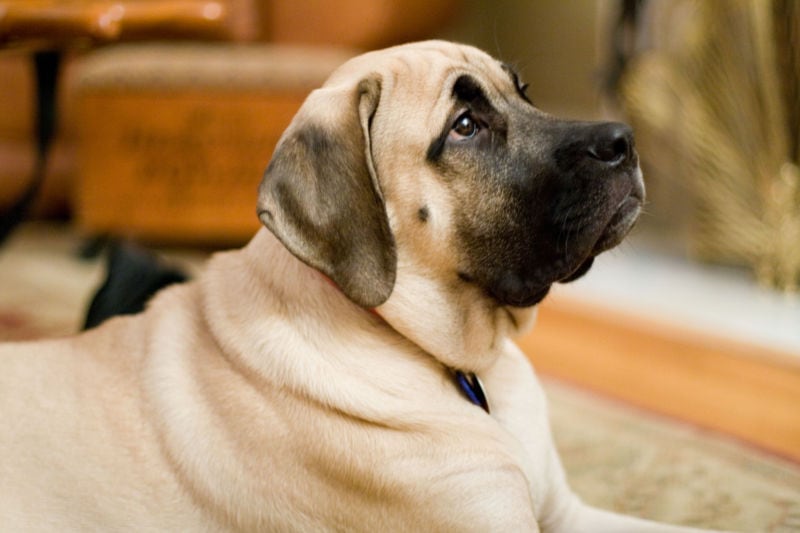
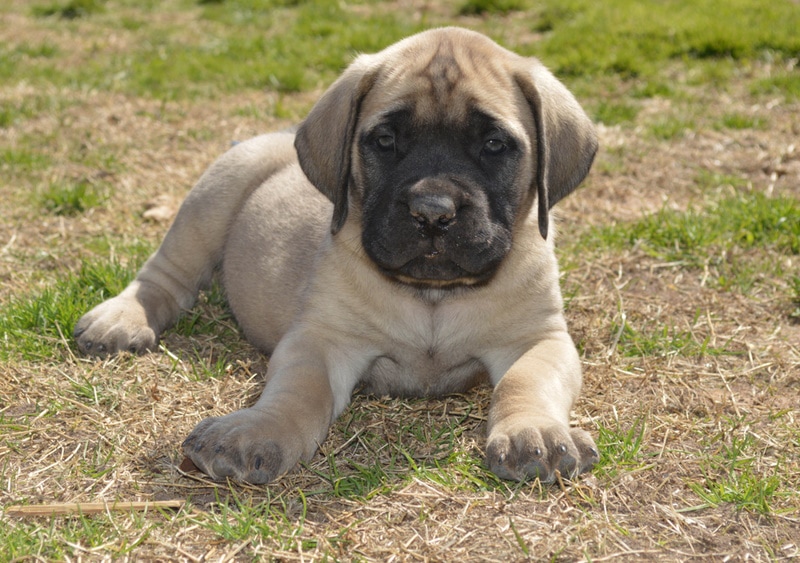
The female mastiff is a loyal and protective breed. She is typically more submissive than the male, but also independent-minded. Female Mastiffs can also make great guard dogs, but because of their more submissive nature, they may not always respond to commands as quickly or confidently as males. You must give them plenty of positive reinforcement when training them. They are typically easier for older children to handle but still weigh more than 100 pounds so it’s best to allow adults to handle them as well. However, female Mastiffs can bond equally well with children as male Mastiffs.
Training
Female Mastiffs are generally easier to train than males due to their smaller size and willingness to learn commands. They can also thrive by having a job to do and make great guard dogs, but may not be quite as territorial as males. Proper socialization early in life is still necessary for female Mastiffs for them to grow up to be well-rounded.

Health
Female Mastiffs can suffer from the same health problems as males. However, females may be more prone to certain health issues such as uterine infection and urinary tract infections, as well as cancers of the female reproductive system. Spaying your female Mastiff can lower the risk of these cancers occurring.
Female Mastiff Pros & Cons
Pros
- Loyal and protective
- More submissive and easier to train
- More responsive to commands
Cons
- Prone to certain health issues such as uterine infection and urinary tract infections
- Smaller in size, making them less effective guard dogs than males
Breeding
Mastiffs of both genders can make great breeding partners, but males tend to be more dominant in the mating process. This means that it's important to select a male and female with similar temperaments and traits for successful pairings. It is also important to monitor the health of your Mastiff puppies closely throughout their growth stages. Keeping track of their growth, weight, and health can help you ensure that they are thriving. If you aren’t planning on breeding your Mastiff, spaying or neutering is recommended to prevent unexpected litters of puppies.
Caring for Your Pet
No matter which gender you decide to get, caring for a pet Mastiff requires patience and dedication. It's important to provide your pet with proper nutrition, exercise, socialization, training, and veterinary care to ensure its physical and mental well-being. With the proper care and training, your Mastiff can be a loving companion for years to come.


Top 10 Tips for Making Your New Mastiff Feel Welcome in Your Home
1. Establish a routine
Establishing a routine is key to helping your Mastiff feel comfortable in its new home. This should include regular mealtimes, potty breaks, playtime, and quiet time.
2. Provide plenty of exercise
Exercise is important for all breeds of dogs and especially so with larger breeds such as the Mastiff who need extra energy outlets. Take your pet on daily walks or runs, provide them with interactive toys, or explore local dog parks together to ensure they get enough physical activity.
3. Socialize early and often
Early socialization is key to ensuring that your pet will be comfortable around other people and animals throughout their life. Introduce them to different environments and people in order to build their confidence and help them become more sociable.
4. Stick to a consistent training program
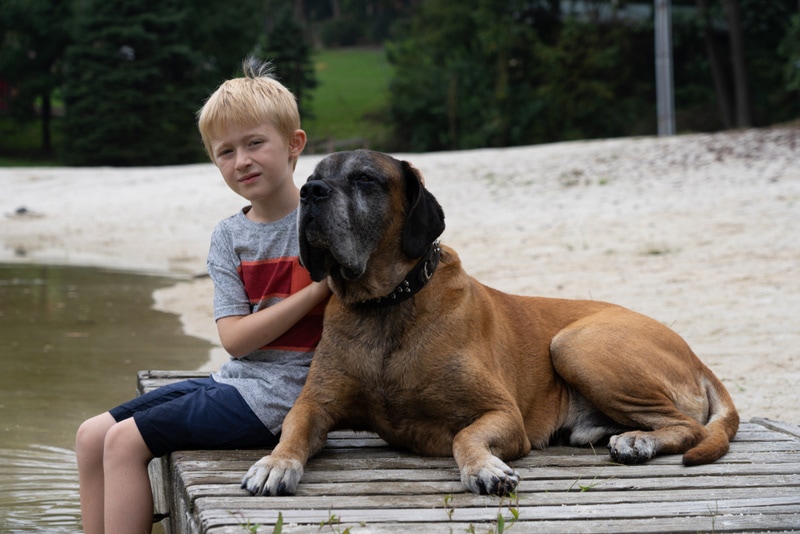
Training is essential for any breed of dog, particularly the independent-minded Mastiff. Establish a consistent routine and use positive reinforcement techniques in order to ensure that your pet responds well to commands.
5. Provide lots of affection
Show your pet love with plenty of treats, belly rubs, and cuddles. This will help create a bond between you and your four-legged friend and make them feel like part of the family.
6. Monitor their diet
Just like with humans, it’s important to provide your pet with a healthy and nutritious diet in order for them to thrive. Consult with your veterinarian about the best food and treats for your breed and make sure to give them plenty of water throughout the day in order to keep them hydrated.
7. Give them their own space
Make sure your pet has its own bed or crate where they can retreat when they’re feeling overwhelmed or anxious. This will allow them to have a safe place of their own that they can retreat to when they need some alone time.
8. Stay up to date on vaccinations
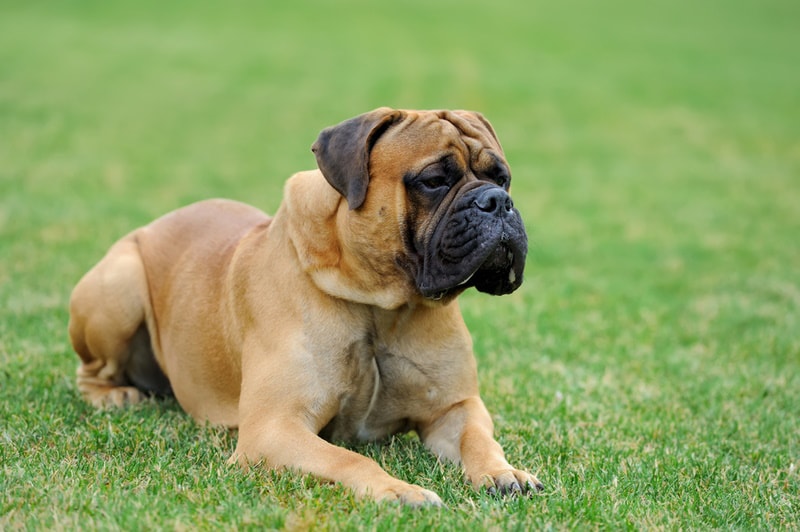
Vaccinations are essential for protecting your pet from various illnesses and diseases. Make sure you stay up to date on all necessary shots for your Mastiff in order to keep them healthy and happy.
9. Groom regularly
Grooming is an essential part of caring for a Mastiff. Regular brushing and bathing will help reduce shedding and keep their coat looking healthy.
10. Stay vigilant
As with any breed, it’s important to stay alert when your pet is around other animals or children in order to ensure their safety as well as the safety of those around them. Make sure you provide adequate supervision whenever necessary and establish boundaries that everyone must abide by.
Which Gender Is Right for You?
When deciding between male and female Mastiffs, it’s important to consider their size, personality traits, training capabilities, and potential health issues. Males tend to be larger and more dominant while females are typically more submissive and easier to train. But other than these slight personality differences, the biggest difference between male and female Mastiffs is their size. Both genders are great with kids and can be very affectionate to their families, so it just comes down to personal preference. However, if you’re looking for a true guard dog, a male Mastiff may be the better option.
Conclusion
In conclusion, both male and female Mastiffs are loyal and protective pets that make great additions to any family. It’s important to consider their size, personality traits, potential health issues, and training capabilities before deciding which gender is right for you.
Related Read: 16 English Mastiff Pros & Cons You Should Know
Featured Image Credit: Left - Male Mastiff (Waldemar Dabrowski, Shutterstock) | Right - Female Mastiff (Olga Aniven, Shutterstock)
Get Hepper In Your Inbox


Pet care tips from our vets and experts, straight to your inbox.
You may opt-out at any time. View our Privacy Policy for more information.

Nicole is a lover of animals of all sizes but is especially fascinated with the feline variety. She’s the proud mom of Baby, a Burmese, and works every day so he can relax in the sunshine or by the fire. She’s always had a cat in her home and has spent countless days with others, observing behaviors and softening up even the grouchiest of the lot. Nicole wants to share her kitty expertise with you so you and your cat can live happy, healthy, and care-free.
Join the conversation
Ask a question, share your story, or send private feedback.