Hepper is reader-supported. When you buy via links on our site, we may earn an affiliate commission at no cost to you. Learn more.
Why Do Cats Bring You Mice? Vet-Reviewed Feline Behavior


In this article
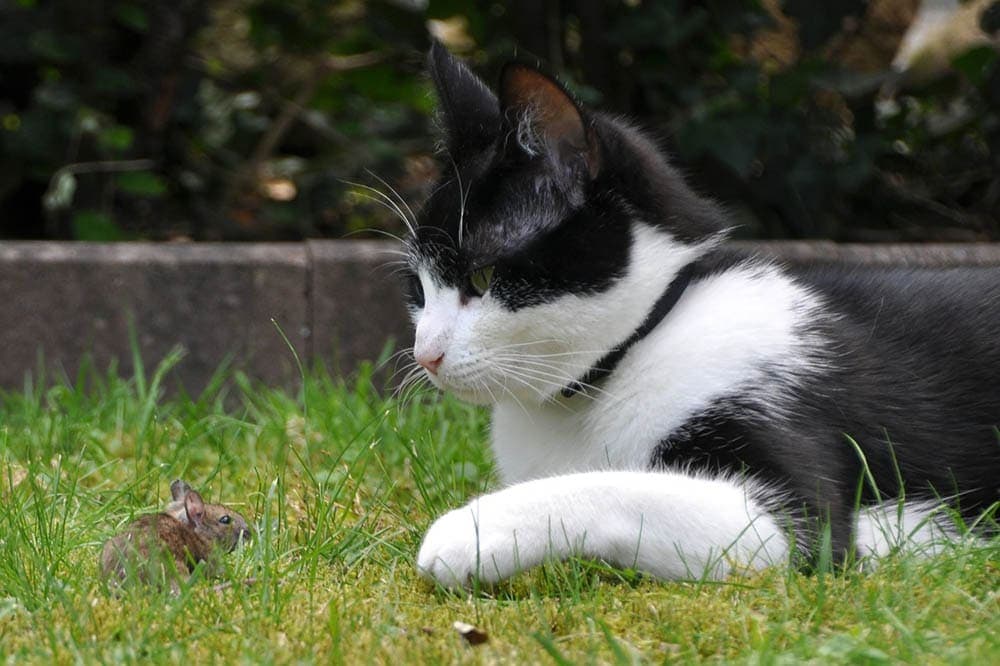
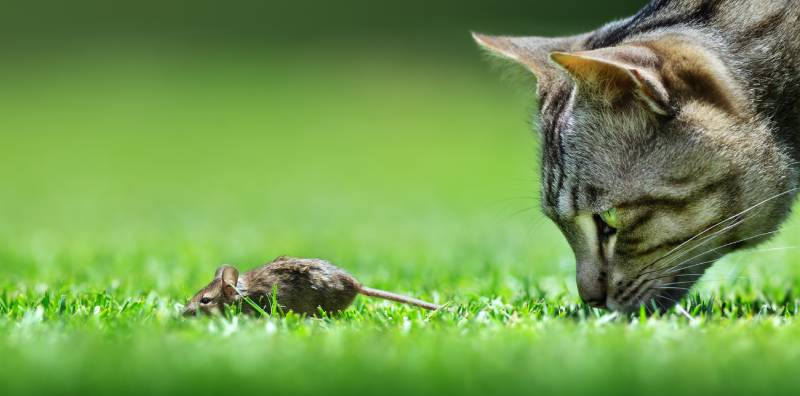
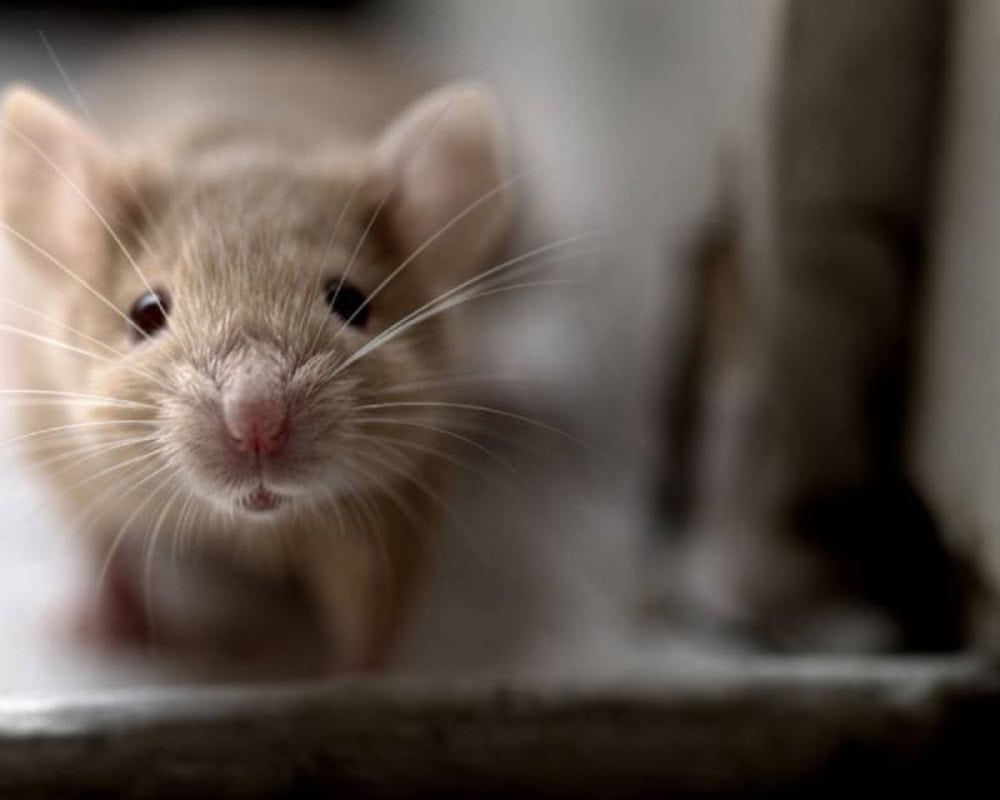
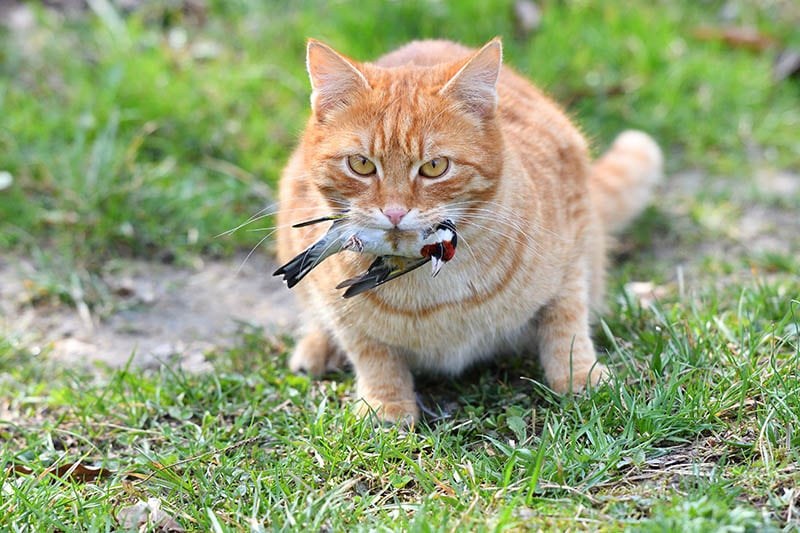
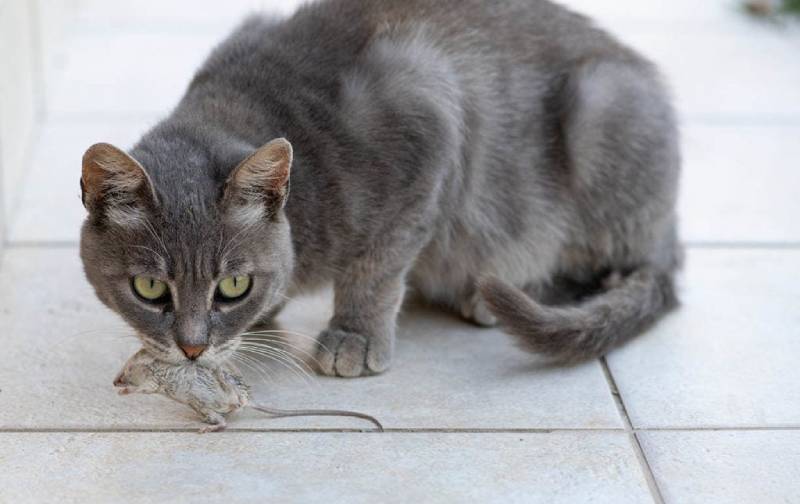
Cats are cute, fluffy, and cuddly, but they’re also quite the predators. As natural-born hunters, kitties can easily take down mice, rabbits, and birds. And sometimes, they like to bring a dead mouse or other slain rodent home.
Why do they do that? More importantly, how can you persuade the cat to stop doing it? Read on to find out!

It Has to Do With Hunting Instincts
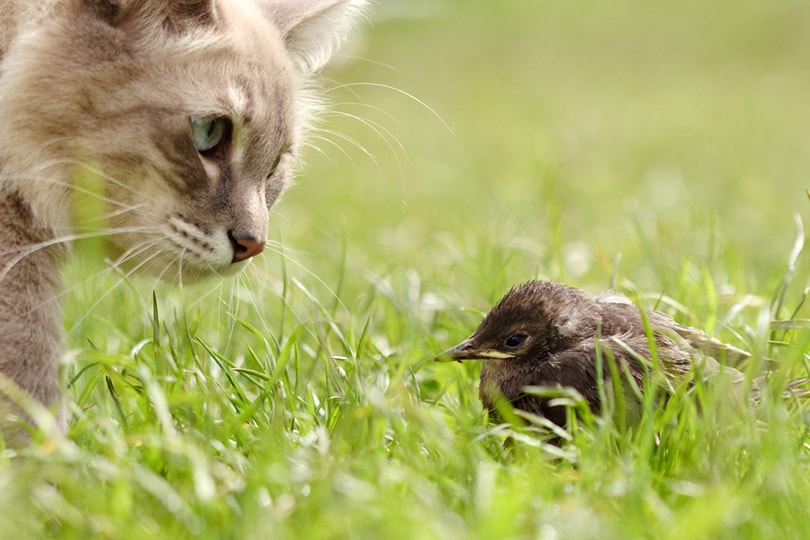
This might come as a surprise, but in the US alone, cats kill up to 22 billion mammals 1 and four billion birds each year! True, most of these murders are committed by the so-called “community cats”, which include stray and feral felines. That doesn’t exclude domestic kitties from the list, of course. While they do enjoy being pets, their hunting instincts are still very strong.
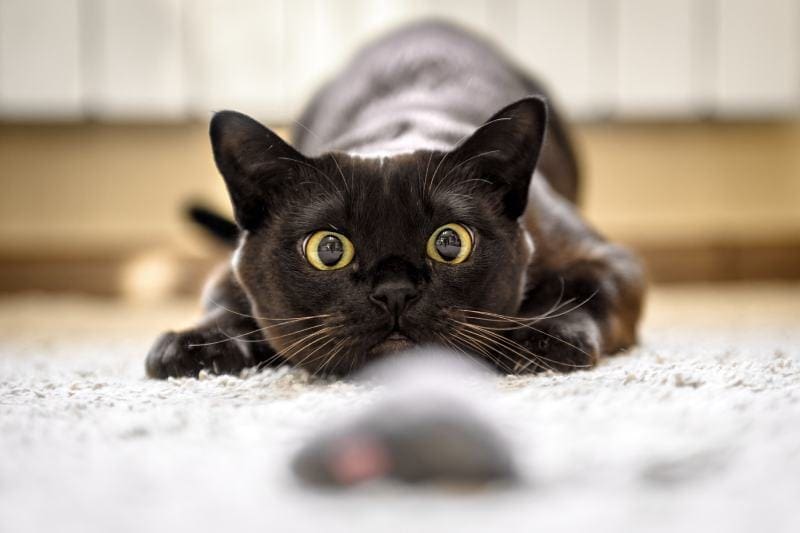
More specifically, we’re talking about the prey drive, a never-ending desire to hunt, take down, and capture prey. Depending on the breed, the cat might have a higher or lower prey drive, but it will always be there. After all, cats are obligate carnivores: in the wilderness, they solely feed on animal flesh. Felines do swallow plants sometimes, but mostly to clean their stomachs through vomiting.
Possible Reasons Why Your Cat Is Bringing You Mice
1. They’re Just Playing or Having Fun
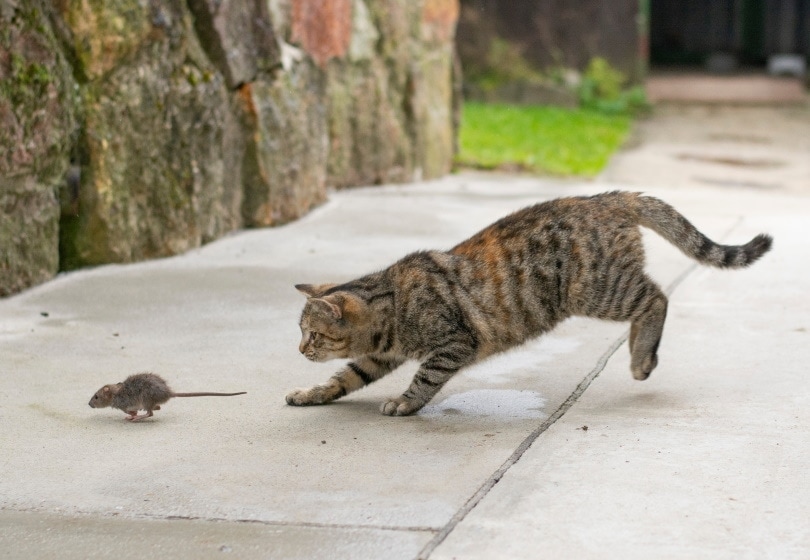
Hunting plays a huge role in a feline’s life. And, sometimes, they don’t do it out of necessity but rather to have some fun. That’s right: Cats enjoy the process and tend to “play” with the victim before delivering a fatal blow. This is why we often see them kill a whole bunch of insects or critters and not eat them.
2. The Cat Is Trying to Show Respect or Feed You
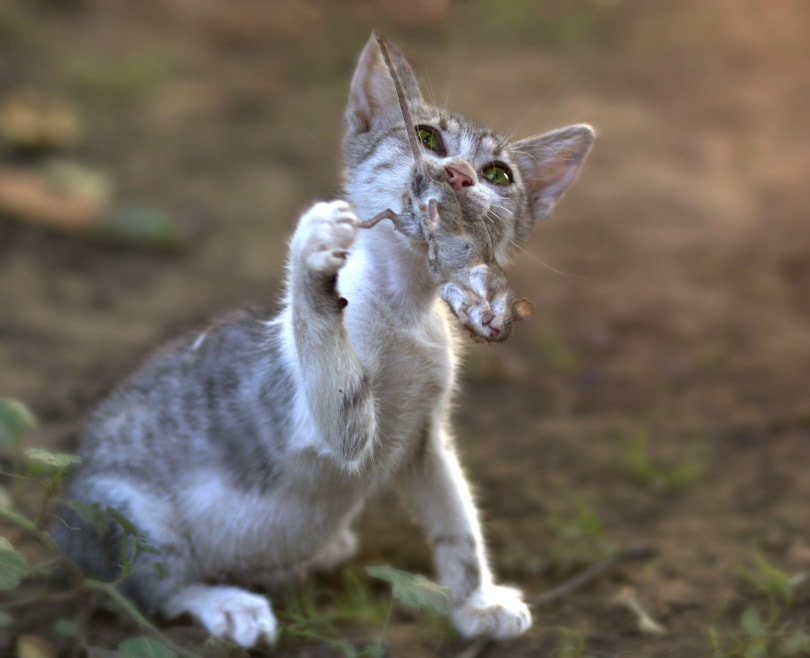
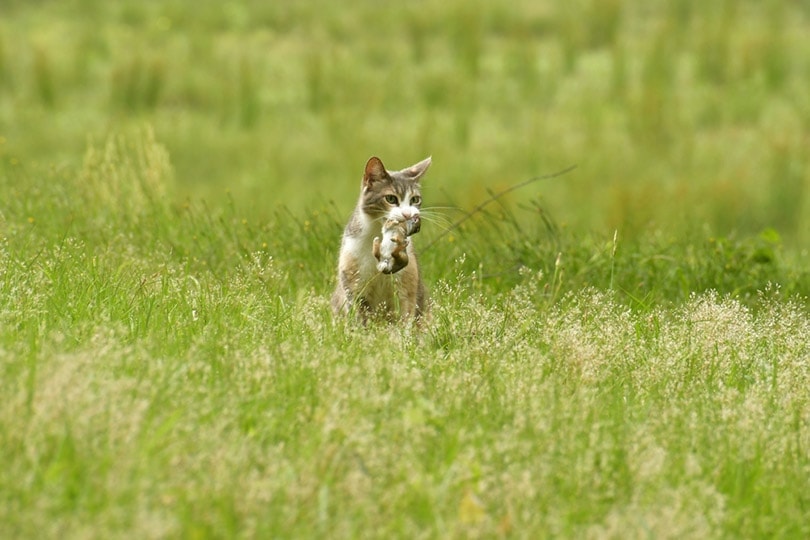
If the four-legged hunter thinks of you as family, they might be bringing in the prey home as a souvenir for you. In most cases, that’s going to be a mouse, but bigger, stronger cats can easily take down a large vole or a rabbit. You might even receive a stuffed animal as a gift. Now, for a first-time cat owner, this behavior can be a bit confusing or even shocking.
However, there’s no reason to be worried here. If anything, you should be flattered!
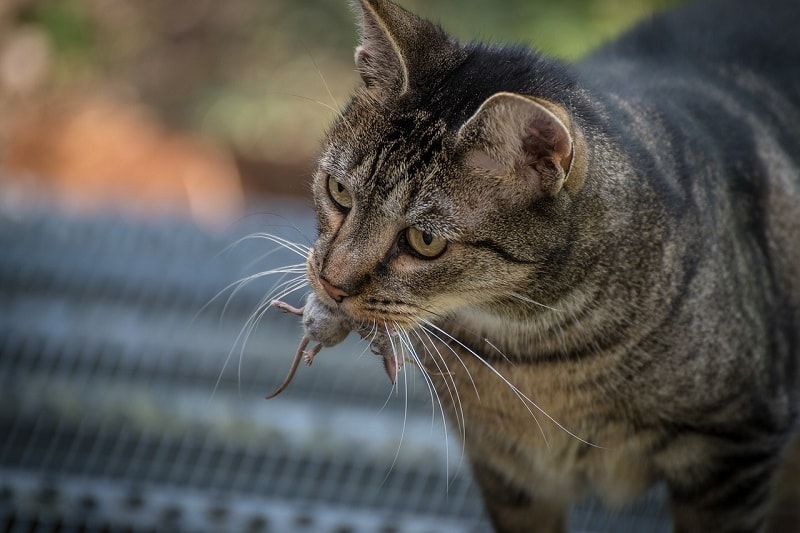
3. The Kitty Is Teaching You How to Hunt and Provide
In the wilderness, it’s up to the cat moms to teach the little ones how to escape predators, hone their hunting skills, and, ultimately, kill and eat prey. So, if your pet feline doesn’t have any kittens, chances are, they are trying to pass on the knowledge to you. And what better way to do that than to bring a mouse (alive or dead)?
This doesn’t mean the cat considers you to be its child, but you’re definitely a member of the pack!
Why Do Felines Keep Dead Rodents at Home?
The question remains, though: why carry the prey home when you can “deal” with it right there and then? This takes us back to a cat’s ancestral instincts. When the kitty is well-fed, it might decide to stash the catch in a safe, familiar place instead (to eat it later), and that place happens to be your condo, cottage, bungalow, or multi-family house.
Unfortunately, if the dead critter stays there for a day or two, it will start to smell and attract all kinds of pests. This is why you should try and dull the cat’s murderous instincts as soon as possible (preferably at a young age). That said, if it’s a female with a relatively big litter, they’ll devour that mouse in a heartbeat!

Mice, Birds, and Reptiles: A Cat’s “Kill List”
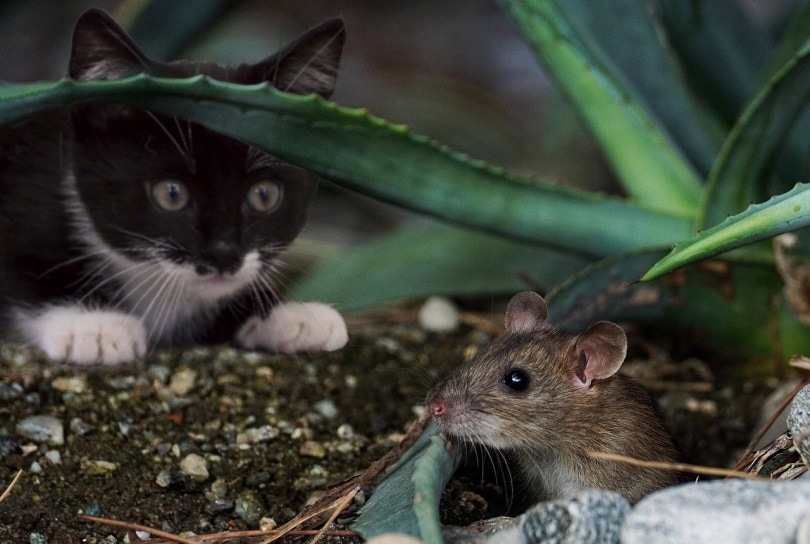
We all know that cats hunt and kill mice. This is something that’s depicted in movies, cartoons, and children’s books. However, the kill list of the average domestic cat is much larger and includes voles, moles, rabbits, squirrels, various reptiles, and birds. They can kill and eat rats as well, but it’s not that easy to hunt these rodents down, as they’re quite nimble and fast.
So, if you recently moved close to a dense forest, park, or any other natural area, best believe the pet predator has its eyes set on the local wildlife. Even if you buy the cat the most delicious food and snacks, they will still hunt because of their instinctual prey drive. That can be a problem, though, especially if they eat any local or endangered fauna, as each one has a specific role in the ecosystem; for example, aiding in pollination or pest control.
Can You Make the Cat Stop? A Detailed Guide
If you’re concerned about your cat’s killing tendencies, please note that you probably won’t be able to put a complete stop to that. On the bright side, it’s possible to minimize the casualties:
- Lock the cat up when it’s starting to get dark Cats are crepuscular creatures and prefer to hunt during twilight. More specifically, they get active when the sun sets, late at night, and early in the morning.Removed some words here. So, all you have to do to protect local wildlife is to keep the fluffy hunter from going out at these hours.
- Remove bird feeders from the yard. If you have a feisty feline on the property, the feeder will lure the poor birdies into the “monster's lair”! Don’t rush to remove the feeder, though. Instead, try to find a better location for it. Going high might work (like nailing it to a tree) but do remember that cats are excellent climbers.
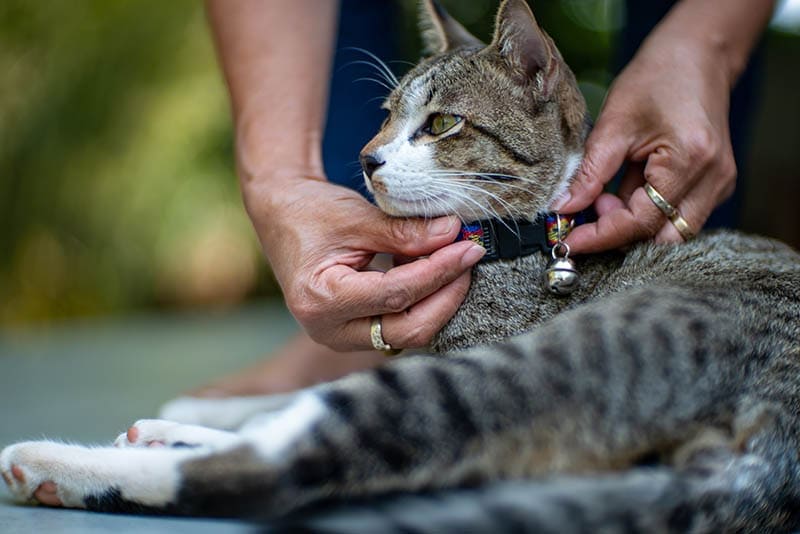
- Put a bell on the kitty’s collar. Want to give the cat’s prey a heads-up? Putting a tiny bell on the feline’s collar has proven to be an excellent solution. It won’t cause the cat any discomfort, yet the birds and critters will always be aware of their p Only invest in quick-release collars that automatically unlatch when stuck.
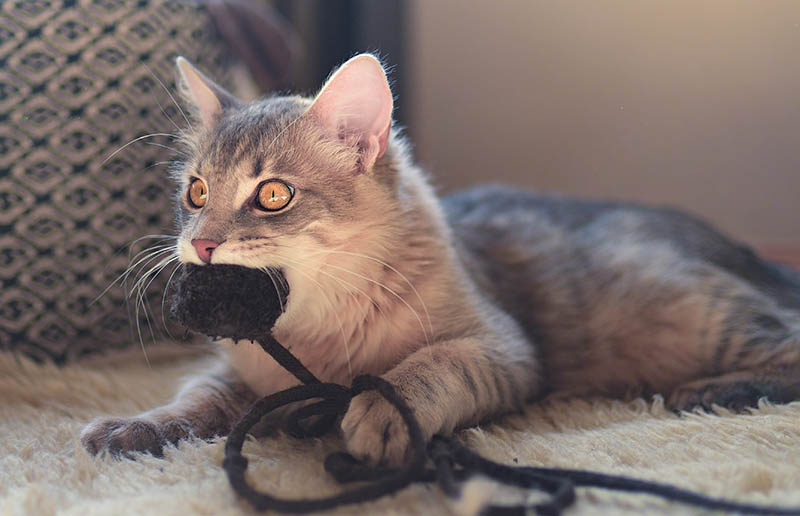
- Keep the cat preoccupied. If nothing else works, focus the feline’s mind on something else. For example, stuffed mice on a string can easily fool a cat and turn into a fun game for the two of you. And let’s not forget about laser pointers and feather wands! These toys help cats stay physically and mentally sharp.
- Build a catio. If none of the above worked, you should seriously consider building a catio where your cat can enjoy the sun and contemplate the wildlife outside without being able to kill them.
A quick note: Domestic cats often get infected by parasites and fleas when they eat mice/other creatures, and the side effects can be rather severe. That’s why regular treatments and vaccinations at a veterinary clinic are so important. They don’t cost much yet can save the furry bud’s life!
Conclusion
Our feline friends don’t like to follow anyone’s lead and do what they please, and we love them for that. And, usually, domestic cats like to turn into couch potatoes and doze off into a proper catnap. However, although they’ve been living with us as pets for thousands of years, their primal hunting instincts haven’t really gone anywhere.
That’s exactly why cats are often caught chasing and killing small rodents, moles, rabbits, and birdies without necessarily eating them. Instead, they kill for fun or bring the prey home. This is normal for cats and there can be several reasons behind it. But if you follow our tips, it won’t be hard to keep the killings to a minimum!
Sources
Featured Image Credit: Markos Loizou, Shutterstock
Get Hepper In Your Inbox


Pet care tips from our vets and experts, straight to your inbox.
You may opt-out at any time. View our Privacy Policy for more information.
Nicole is a lover of animals of all sizes but is especially fascinated with the feline variety. She’s the proud mom of Baby, a Burmese, and works every day so he can relax in the sunshine or by the fire. She’s always had a cat in her home and has spent countless days with others, observing behaviors and softening up even the grouchiest of the lot. Nicole wants to share her kitty expertise with you so you and your cat can live happy, healthy, and care-free.
Join the conversation
Ask a question, share your story, or send private feedback.