Hepper is reader-supported. When you buy via links on our site, we may earn an affiliate commission at no cost to you. Learn more.
Why Do My Cats Bring Me Dead Animals? Likely Reasons & Prevention Tips
In this article
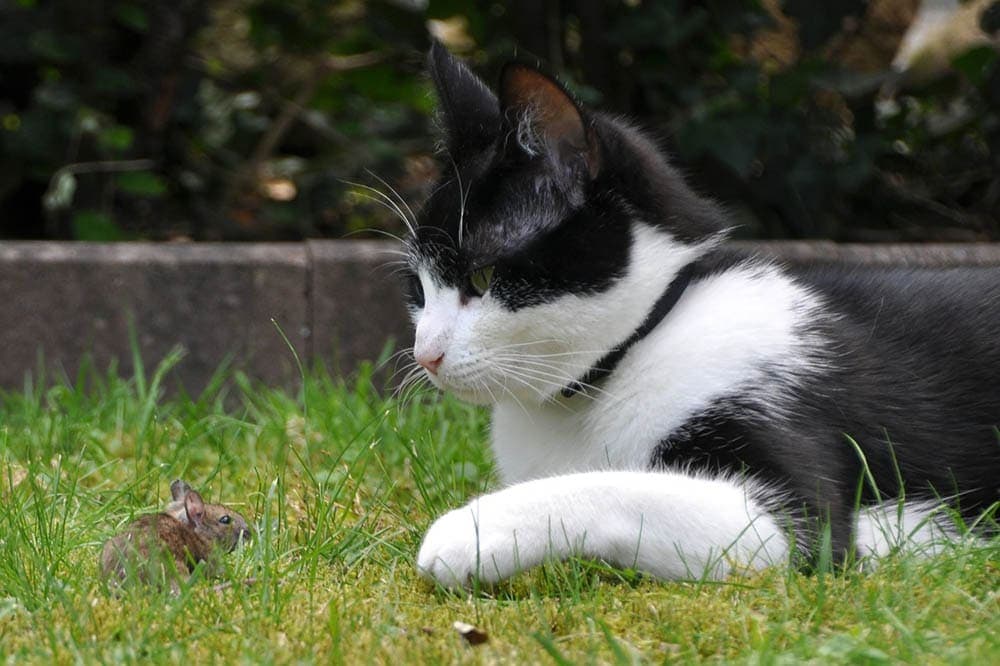
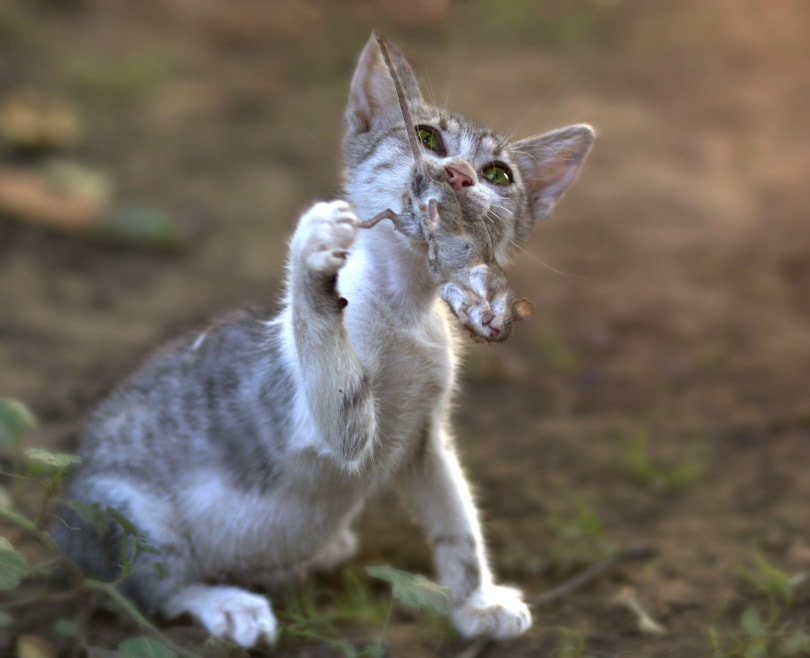
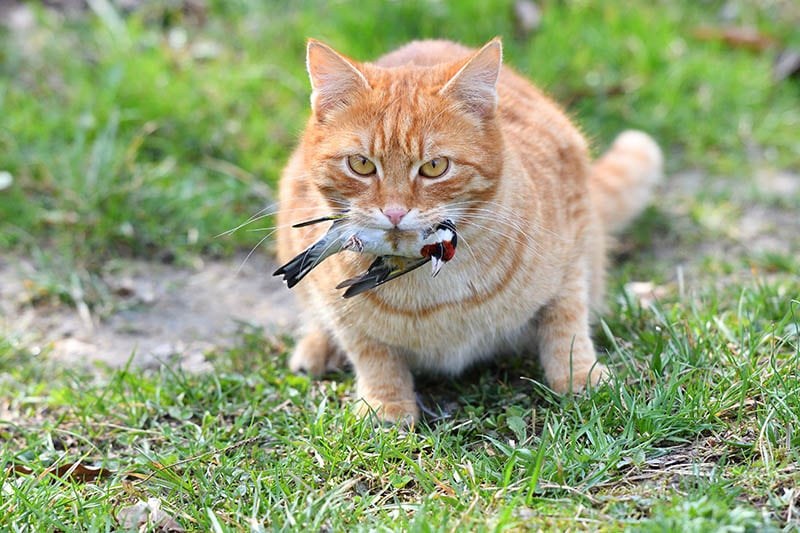
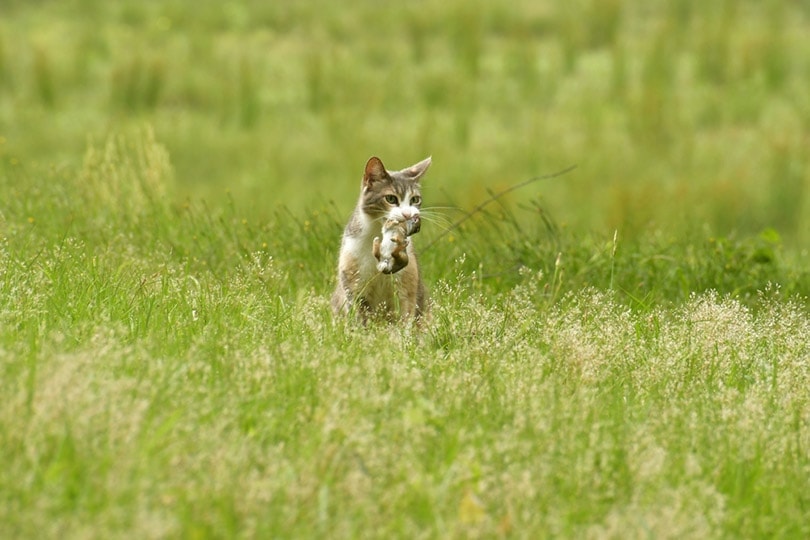
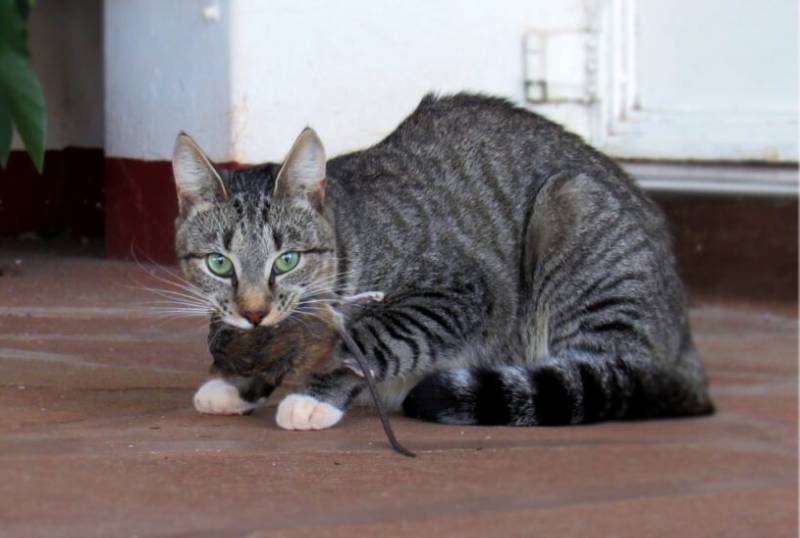
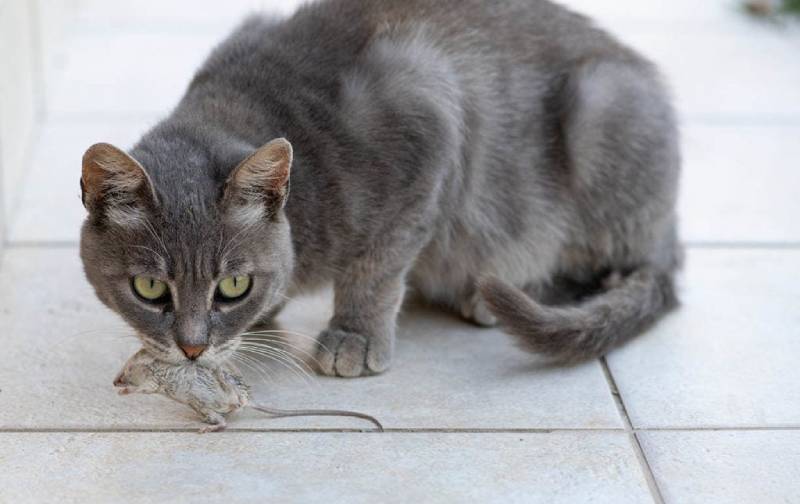
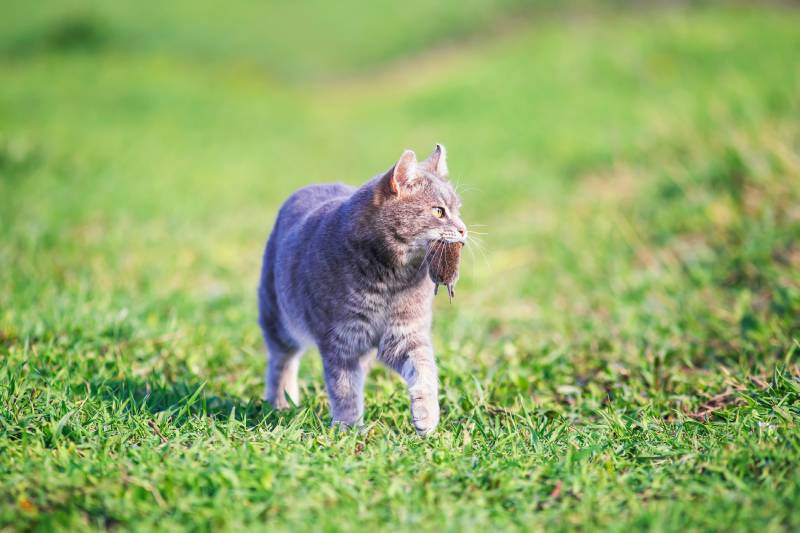
For new cat owners, it can be quite disconcerting when their furry companions keep bringing them “unwanted” presents in the form of dead animals. However, experienced cat owners are all too familiar with situations where their cats bring back their kills to give them.
This behavior is often considered strange and off-putting to most humans, but it is very normal and deeply etched into their very nature. They might bring you dead animals because they are saving them for a later time, to show affection, or because they perceive you as a novice hunter and simply want to teach you how to hunt.
In this article, we will discuss this behavior further and how to stop it. Read on to learn more.

Prey Catching Behavior in Cats
Feral cats can hunt for close to 12 hours a day since they have no reliable food source. And since not all hunting attempts are successful, the cat uses the hunting experience to practice and become an even better predator. So, playing around with their slain victims not only helps them to sharpen their skills but it also helps them to tire out or disorient their prey to conserve energy and make the kill easier.
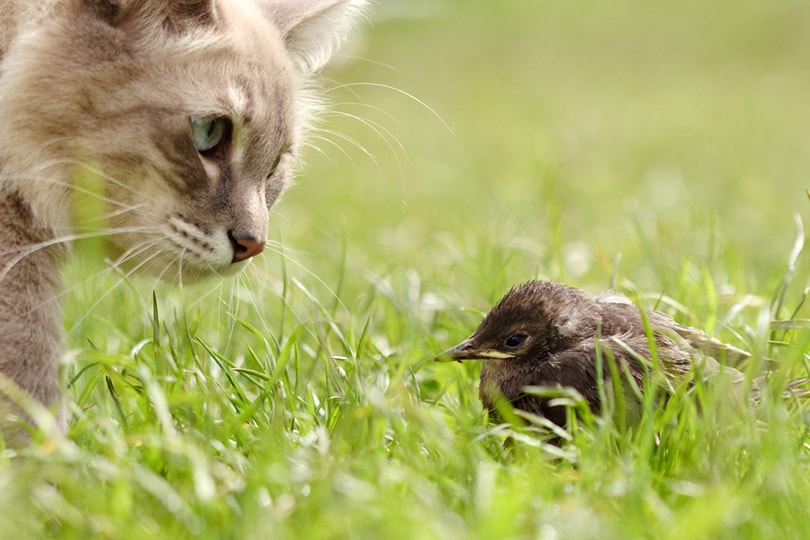
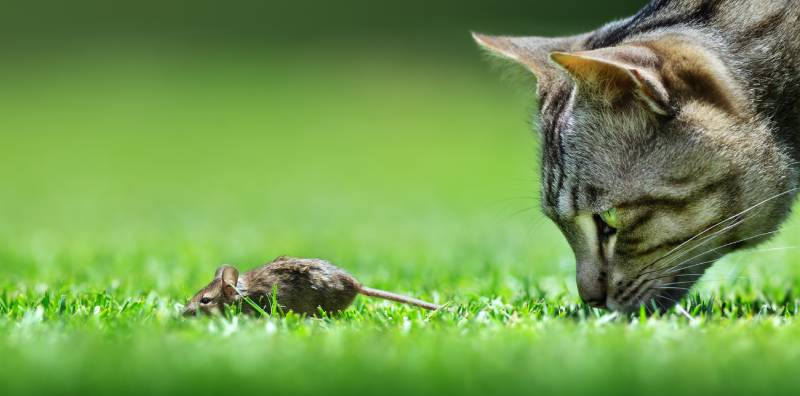
Even though domesticated cats today don't have to worry about their next source of food, they still harbor a deeply ingrained hunting instinct that has evolutionary been passed down from their wild big cat relatives. So, they utilize this killer instinct to conquer small rodents like moles, rats, shrews, squirrels, chipmunks, and birds, especially songbirds. Reptiles that can also end up on the menu include frogs, lizards, and snakes.
The 3 Likely Reasons Why Your Cat Brings You Dead Animals
With the prey drive in mind, here are some of the most plausible reasons why your cat might bring you one of their kills.
1. To Save Food for Later
Just as humans can eat at a restaurant and carry the leftover food to consume later at home, so do cats with their prey. They may catch prey while they are not hungry, but since they do not want to waste it, they bring it inside the house or dump it at your doorstep for later consumption.
Therefore, in such a scenario, the cat will not be bringing the dead animal for you, per se, but rather saving it for himself. This is probably why your cat might not show you the kill or bring it to you directly.
Even though cats can sometimes be overly solitary animals, most big cats tend to hunt in groups and even stray cats prefer living in colonies. So, sharing prey is typical behavior for these feline creatures. If they consider you as part of their family, they will offer you their kill even though the dead animals may not be to our palate's liking.
Therefore, if you have a cat at home, don’t be surprised if it considers you as part of its posse and shares its prey with you as a sign of affection and as a recognized member of its social group.
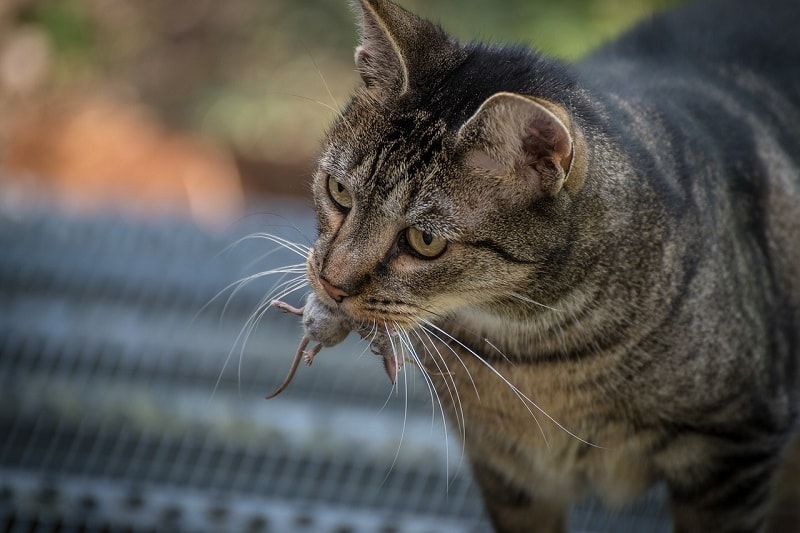
If a cat is sharing his prey with you as a member of his clique, it will be obvious about it. It is very likely to bring it directly to you, gently drop it at your feet or even find some other way to portray the dead animal as a gift.
3. To Teach You How to Hunt
The other most plausible reason for this peculiar behavior is that your cat might be teaching you how to hunt. According to some research studies, most cats are unable to recognize humans as different from their fellow cats. Therefore, if they don’t see you killing for your meal, they might want to pass on their knowledge of this basic survival skill.
It might be quite difficult to tell whether your cat is trying to share its kill or teaching you how to hunt, but in both scenarios, your cat will boldly bring you a dead animal, which can either be dead or alive. This behavior is more noticeable in female cats because they are almost always responsible for teaching their young ones how to survive.
So female cats might bring home a dead or injured animal for their kittens to practice killing so that they can be efficient hunters when they are older. Sure, it might sound morbid, but it is simply an evolutionary survival means passed on from their ancestors. On the contrary, if a male cat brings a dead animal home, chances are higher that he wants to share and not teach you how to hunt.
How to Prevent This Behavior
According to the American Bird Conservancy, outdoor felines are responsible for the decline of birds in the United States, killing approximately 2.4 billion birds per year. Cats have also contributed to the extinction of 63 animal species, including reptiles, mammals, and birds.
This is a good reason why you should prevent your cat from hunting outdoors, and to prevent this behavior, here is what cat parents can do.
Redirect the Prey Instinct
While it may be impossible to suppress a feline's instinct to hunt, you can redirect their attention to playing instead of hunting. By encouraging your cats to play, you can satisfy their hunting desire without having to deal with dead rodents in your home.
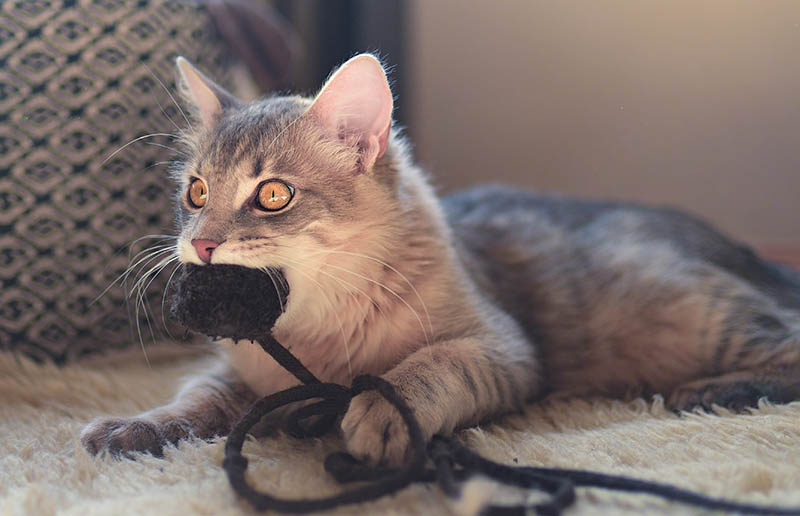
Try and look for toys that can mimic a live animal and your cat will find it mentally stimulating. This could be a feather wand, a laser pointer, or even a moving toy. Your cat will attempt to catch the toy, thus allowing them to produce dopamine while hunting even when they are simply playing with the toy.
Provide Regular Playtime
Besides looking for toys to redirect their prey instinct, ensure that you play with your feline companions whenever possible. This will not only help them exert pent-up energy, but it is also a great way to reinforce your bond with your cat. When cats are exercised and lethargic, they are less likely to chase after and kill prey.
Keep Your Cat Strictly Indoors
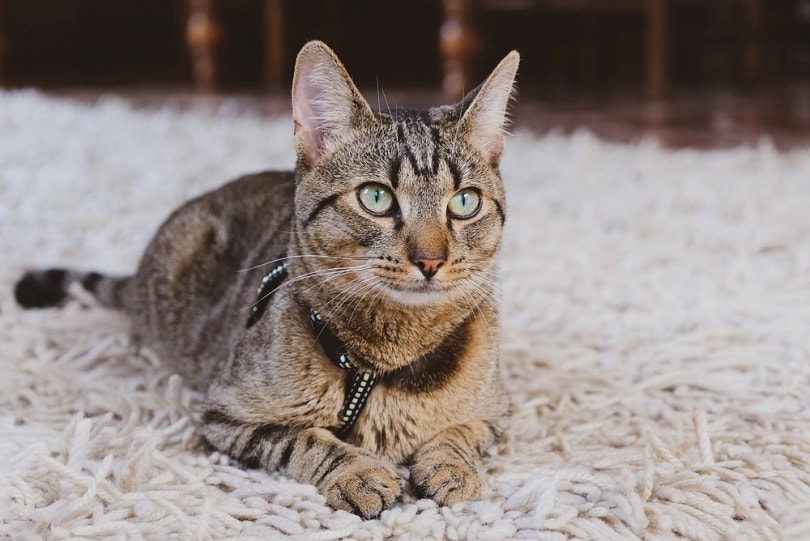
You can also keep this behavior at bay by keeping your cats indoors or granting supervised access to the yard. You can allow your cat to roam in a secure area or use a leash or harness. You might want to train it not to hunt, but that can be very ineffective. Moreover, punishing your cat for hunting will only lead to the development of negative behaviors such as distrust, stress, and displaced aggression.
Tips for Keeping Your Cat Healthy, Safe, and Happy
- Invest in a bell collar to reduce your cat's most effective weapon, stealth, when sneaking up on potential prey.
- If you have bird feeders in your home, ensure that they are placed high up above the ground to prevent your cat from climbing them. Alternatively, do not install any in a home with cats.
- Do not allow your cat outside at night or in the wee hours of the morning when most animals are active.
- You can spay or neuter your cat to reduce the chances of straying and increase the kill zone radius around your home.
- Install indoor hunting cat feeders to help your cat engage its hunting instincts. These special feeders also help reduce regurgitation after eating, obesity, and even urinary issues in your cat.
- Create mazes and puzzles from old boxes by cutting holes and hiding treats inside them to stimulate your cat mentally.
- Purchase interactive toys that encourage your feline companion to grab, chase, jump, pounce, and bite.
- If your cat has to spend some time outdoors, you can build an outdoor enclosure such as a catio in your backyard.
Summary
Even though cats today have undergone thousands of years of domestication, they are still impressive hunters with an innate desire to catch prey. Due to these strong instincts, they are fond of bringing dead animals to the house, much to the horror of the household members.
Usually, they give their owner's dead animals to share in the form of affection, to teach you how to hunt, or simply save it for later consumption. Granted, you cannot stop a cat's natural prey-drive instinct. However, you can discourage this peculiar behavior by redirecting the instinct with toys and playtime or even keeping your cats strictly indoors.
Nevertheless, as a cat owner, you should feel proud and flattered that your feline companion keeps bringing you dead animals. It may be a nuisance, but it simply means that your cat loves, trusts, and adores you enough to want to bring its kills to you.
Sources
Featured Image Credit: Markos Loizou, Shutterstock
Get Hepper In Your Inbox


Pet care tips from our vets and experts, straight to your inbox.
You may opt-out at any time. View our Privacy Policy for more information.

Nicole is a lover of animals of all sizes but is especially fascinated with the feline variety. She’s the proud mom of Baby, a Burmese, and works every day so he can relax in the sunshine or by the fire. She’s always had a cat in her home and has spent countless days with others, observing behaviors and softening up even the grouchiest of the lot. Nicole wants to share her kitty expertise with you so you and your cat can live happy, healthy, and care-free.
Join the conversation
Ask a question, share your story, or send private feedback.